



Bamboo vs. Traditional Bedding: Real Eco Benefits
Bamboo bed sheets are becoming a popular alternative to standard cotton, and for good reason. They combine eco-friendly qualities with comfort and natural hypoallergenic benefits — a mix that appeals to people who want better sleep and a smaller environmental footprint. This guide explores what makes bamboo different from traditional materials, how it affects the planet, practical care tips, and how it helps improve sleep. We’ll also highlight what to look for when choosing sheets, including options from Eco Toppers.
What Are the Key Benefits of Bamboo Bed Sheets Compared to Cotton?
Bamboo sheets offer several clear advantages over regular cotton. They breathe better, which helps control body temperature overnight. Many people with sensitive skin prefer bamboo because it’s naturally resistant to allergens. Bamboo also tends to hold up well over time — often longer than everyday cotton sheets — making it a smart long-term choice.
How Do Bamboo Sheets Offer Superior Breathability and Comfort?
Bamboo fibres allow air to move more freely than many traditional weaves, so they feel cooler and help wick moisture away from the skin. That natural, smooth texture also gives bamboo its soft, silky feel that many users notice right away. Together, the breathability and hand-feel make bamboo sheets popular for anyone who wants a more comfortable night’s sleep.
Why Are Bamboo Bed Sheets Considered Hypoallergenic and Durable?
Bamboo’s structure and natural compounds make it less welcoming to dust mites, mould and some bacteria, which explains its hypoallergenic reputation. At the same time, bamboo textiles are designed to stay soft and intact through regular washing. With sensible care, bamboo sheets often last longer than their cotton counterparts, offering good value over time.
How Does the Environmental Impact of Bamboo Bedding Compare to Traditional Materials?
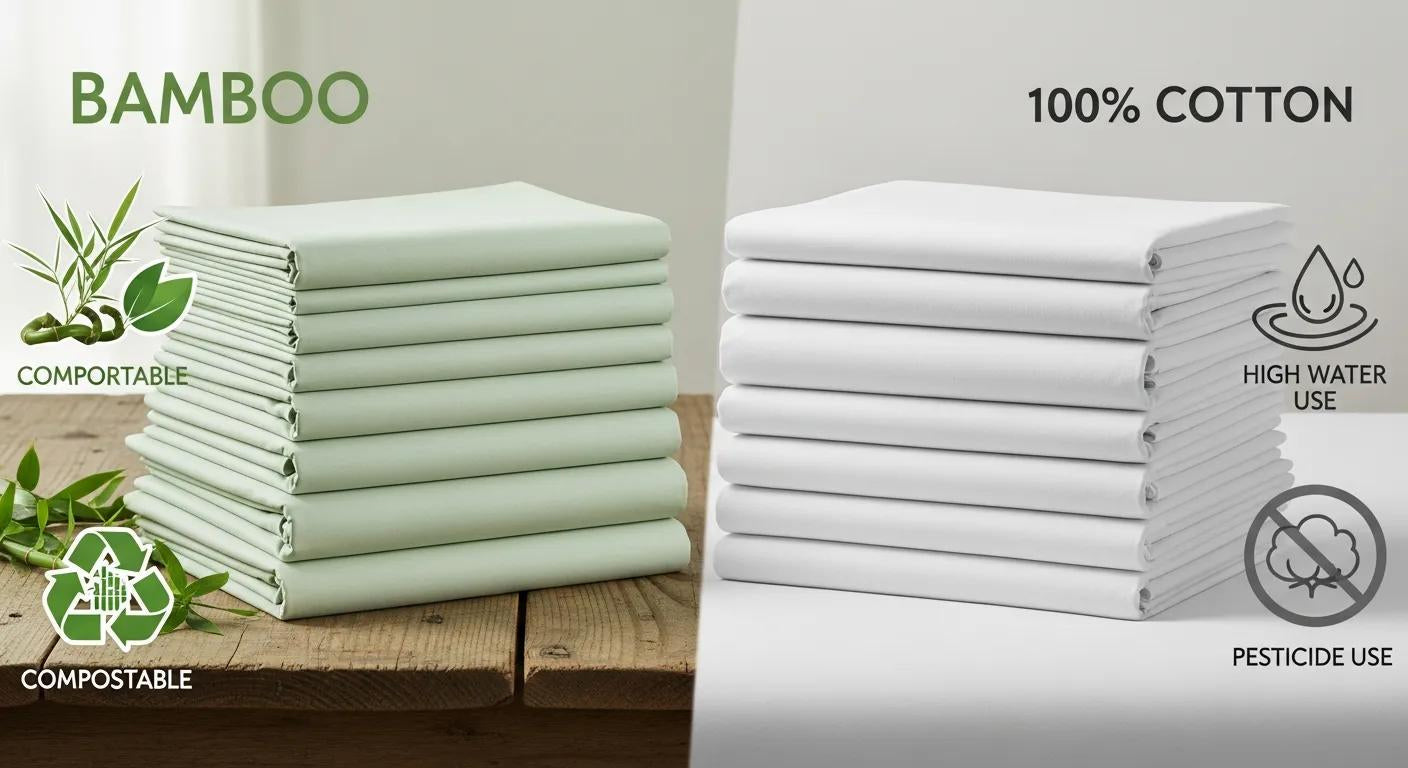
From an environmental perspective, bamboo is usually a stronger choice than conventional cotton. It grows quickly with far less water and fewer pesticides. On top of that, bamboo can help improve soil health and capture carbon, which adds to its sustainability advantages.
By contrast, the textile industry’s heavy reliance on cotton and synthetic fibres like polyester has well-known environmental costs — which is why alternatives matter.
What Makes Organic Bamboo Bedding a Sustainable Choice?
Organic bamboo bedding is made without harmful chemicals or synthetic fertilisers, which lowers its environmental footprint. Certifications on organic bamboo products usually mean the farming and processing follow standards that protect soil and biodiversity. Choosing organic bamboo helps support those better practices while still delivering natural comfort.
How Does Bamboo Cultivation Use Less Water Than Cotton?
Bamboo is impressively water-efficient. It can use significantly less water than cotton to produce an equivalent crop. That big reduction in water demand eases pressure on local supplies and reduces some of the environmental harm tied to conventional cotton farming.
What Are the Care and Maintenance Tips for Organic Bamboo Bed Sheets?
Keeping your bamboo sheets soft and long-lasting is straightforward when you follow a few simple care steps. Proper washing and storage will preserve their feel and strength.
How to Properly Wash and Preserve Bamboo Bedding?
Wash bamboo sheets on a gentle cycle in cold water with a mild detergent. Avoid bleach and fabric softeners — they can damage the fibres. Whenever possible, air dry; if you use a dryer, choose low heat to reduce shrinkage. These small habits help maintain that luxurious bamboo softness.
What Are the Best Practices to Extend Bamboo Sheet Durability?
Protect your bamboo sheets by avoiding harsh chemicals and high temperatures. Store them somewhere cool and dry to prevent humidity damage, and rotate sets regularly to spread wear. With these practices, your bamboo bedding should stay in great condition for years.
How Do Bamboo Bed Sheets Enhance Sleep Quality for Eco-Conscious Consumers?
Bamboo sheets support better sleep through a combination of breathability, moisture-wicking and natural resistance to allergens. Together, these features help create a cooler, cleaner sleep surface — exactly what many eco-conscious sleepers want.
What Role Does Breathability Play in Outdoor and Indoor Sleep Comfort?
Breathability helps keep your body temperature steady, whether you sleep indoors or outdoors. Bamboo lets air circulate and moves moisture away, which is especially useful if you sweat at night or live in warmer climates. The result is fewer wake-ups and a more restful night.
How Do Hypoallergenic Properties Benefit Sensitive Sleepers?
People with allergies or sensitive skin often find bamboo sheets helpful because they resist common triggers like dust mites and mould. That naturally cleaner sleeping surface reduces irritation and makes it easier to sleep undisturbed.
What Should You Consider When Choosing Between Bamboo and Traditional Bedding Options?
When comparing bamboo with traditional options, think about lifespan, comfort and your personal needs.
How Do Bamboo Sheets Compare to Cotton in Longevity?
Bamboo sheets tend to last longer than basic cotton, and their comfort often makes them a preferred choice. If you want sheets that stay soft and require less frequent replacement, bamboo is worth considering.
What Are the Unique Features of Eco Friendly Bed Sheets from Eco Toppers?
Eco Toppers focuses on sustainable sleep essentials, including organic bamboo bedding designed for breathability, comfort and hypoallergenic performance. Choosing Eco Toppers means opting for thoughtful design and materials that reflect a commitment to sustainability and sleep quality.
Frequently Asked Questions
Are bamboo bed sheets suitable for all skin types?
Yes — bamboo sheets are generally gentle on all skin types, including sensitive skin. Their natural resistance to dust mites and common allergens makes them a good option for people prone to irritation. Still, check product details for any added dyes or treatments if you have specific sensitivities.
How do bamboo sheets perform in terms of temperature regulation?
Bamboo sheets are effective at regulating temperature thanks to their breathability and moisture-wicking ability. They help keep you cool when it’s warm and comfortable when it’s cool, which is why many sleepers notice fewer night sweats and a steadier sleep temperature.
Can bamboo sheets be used in all seasons?
Yes — bamboo sheets work well year-round. Their breathable, moisture-managing properties keep you comfortable in summer and supportive in cooler months, making them a versatile choice for every season.
What certifications should I look for when buying bamboo bedding?
Look for labels like OEKO-TEX Standard 100 or GOTS (Global Organic Textile Standard). These certifications indicate the product is free from harmful chemicals and produced under responsible environmental and social standards. Organic-specific labels also point to more sustainable farming practices.
How do bamboo sheets compare to other eco-friendly materials?
Bamboo stacks up well against other eco-friendly fibres. Organic cotton is sustainable, but it usually needs more water and pesticides than bamboo. Linen (from flax) is durable but often pricier. Bamboo hits a sweet spot of softness, breathability and hypoallergenic benefits for many buyers.
What is the lifespan of bamboo bed sheets compared to cotton?
With proper care, bamboo sheets typically last longer than standard cotton sheets. Cotton can show wear sooner, while bamboo’s durability and ability to retain softness mean fewer replacements over the years — making it a sensible long-term investment.