



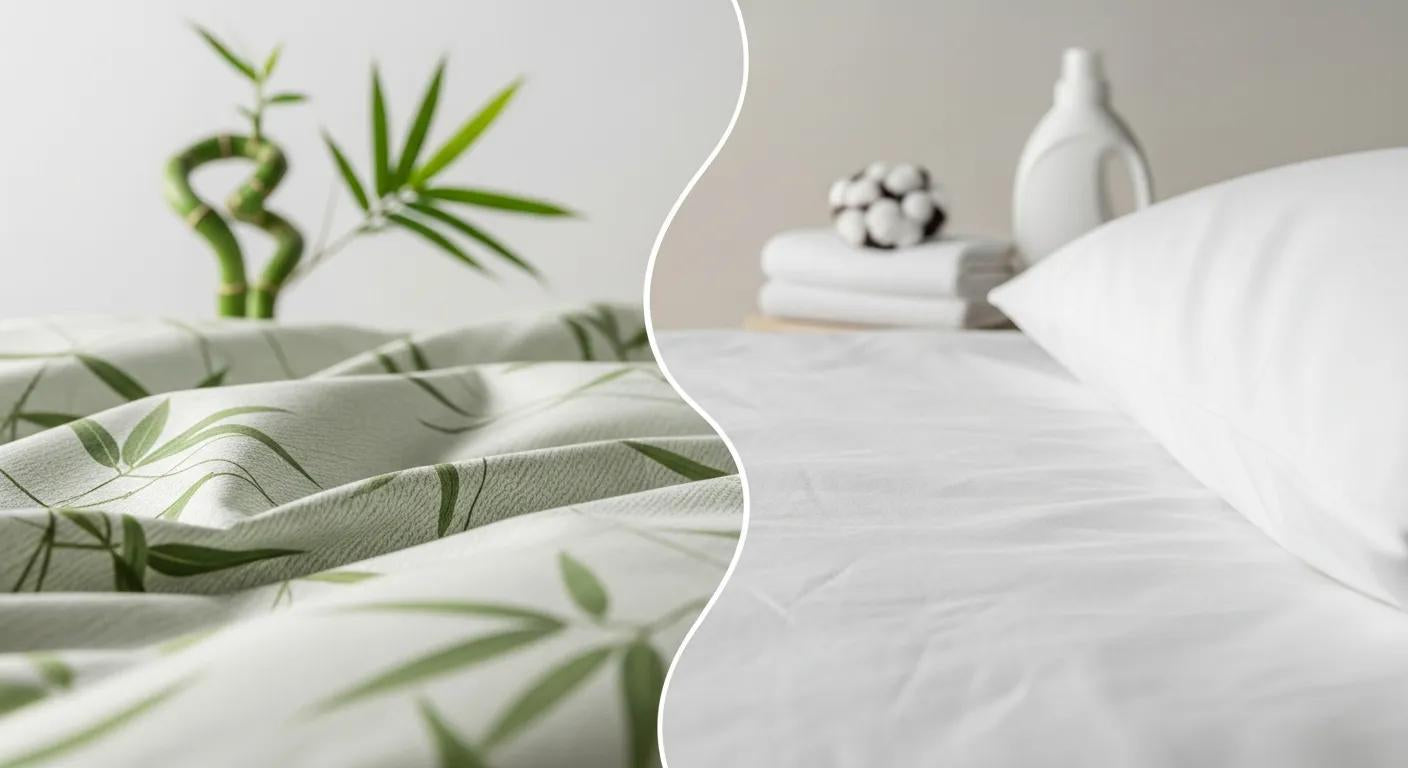
Bamboo vs Traditional Bedding Care
Bamboo bedding is made from fibres extracted from bamboo and turned into soft, breathable linen that's often a more mindful choice for your home than many conventional textiles. We'll explore why bamboo sheet sets, mattress toppers, quilts, and pillows need a slightly different approach to care than cotton and polyester during washing, drying, and storage. You'll discover practical tips to help your linen last longer, easy comparisons with cotton, simple washing and drying instructions, advice for allergy sufferers, and a look at why bamboo can be a great long-term investment. If you're in Australia and looking for temperature-regulating or hypoallergenic bedding, but aren't sure how to care for delicate viscose-from-bamboo or lyocell, we've got straightforward answers. We'll also show you how EcoToppers' bamboo range aligns with these care and sustainability principles, and what to do if you're interested in commercial or bulk orders. Keep reading for easy duvet cover and pillow care tips and simple routines to help reduce pilling and shrinkage.
What Are the Key Differences Between Bamboo Bedding and Cotton Bedding?
Bamboo bedding typically uses regenerated fibres such as viscose-from-bamboo or lyocell, which form long, smooth filaments that give a silky feel and excellent drape. Cotton is a natural staple fibre whose texture varies by grade and weave. The way fibres are processed can affect durability, environmental impact, and how fabrics respond to washing and heat. Bamboo fibres often wick moisture and regulate temperature more effectively than many conventional cottons, thanks to their unique structure. This means bamboo usually thrives with gentler handling and cooler washes, while some cottons can handle higher temperatures and tougher laundering.
Bamboo and cotton differ across softness, breathability, and environmental impact:
- Bamboo often feels silkier and more fluid on the skin thanks to long, smooth fibres and a sateen‑like drape.
- Cotton’s softness depends on staple length and weave; premium long‑staple cottons can match bamboo for comfort but might offer different breathability.
- Bamboo fabrics commonly wick moisture well and help regulate the microclimate around your skin, which can feel cooler and drier overnight.
Those material differences shape care routines and the end‑user experience — important when choosing temperature‑regulating sheets or hypoallergenic bedding for sensitive skin.
Different material attributes at a glance:
| Material | Softness & Comfort | Breathability & Wicking | Environmental Aspect |
|---|---|---|---|
| Bamboo (viscose/lyocell) | Silky, smooth drape; consistent hand | High moisture wicking; good airflow | Renewable raw material; processing method impacts sustainability |
| Cotton (conventional) | Varies by staple length and weave, from crisp to soft | Breathable; wicking depends on finish and weave | Water and pesticide use vary by farming practice |
| Polyester (for reference) | Smooth but less breathable; can trap heat | Low natural wicking; relies on finishes | Synthetic, made from fossil fuels |
This table highlights the key differences and explains why your laundering choices should match the fibre behaviour; the next section turns those traits into specific washing and drying actions.
How Does Bamboo Bedding Compare to Cotton in Softness and Comfort?
Bamboo fibres produce a fine, smooth yarn that often feels silkier than standard cotton weaves, giving a soft, drapey sheet ideal for next‑to‑skin comfort. Long, continuous lyocell‑style filaments reduce surface friction and can feel cooler to the touch – a real plus if you’re looking for temperature‑regulating sheets. Weave matters too: sateen constructions emphasise smoothness, while percale prioritises crisp breathability. When choosing between bamboo and cotton, think about both the fibre and weave to match your preferred feel, and follow our care tips below to keep that soft touch for longer.
What Are the Temperature Regulation Benefits of Bamboo vs Traditional Bedding?
Bamboo fabrics excel at moving moisture away from the skin: the fibres wick sweat and disperse it across the fabric surface, which improves evaporative cooling and perceived comfort. Combined with a breathable weave, bamboo bedding performs beautifully in warm weather or for hot sleepers, and still works year‑round when layered with quilts or a wool topper. Unlike some polyester blends, bamboo’s natural fibre base tends not to trap heat, which can help reduce night sweats and is a great choice for sensitive skin. These thermoregulating qualities can help you decide on bedding weight and whether a topper or a thicker quilt is right for each season.
How Do You Properly Care for Bamboo Bedding Compared to Traditional Bedding?
Caring for bamboo bedding means focusing on gentle washing, temperature control, and mild detergents to protect the fibres and avoid shrinkage or pilling. Regenerated bamboo fibres can be more sensitive to high heat and harsh chemicals than many cottons, and too much abrasion during washing can accelerate fibre breakage. Specific washing and drying techniques will keep your fabrics soft and prolong their life, while routine rotation and correct storage prevent long‑term compression and wear. Below are clear washing steps for bamboo sheets, duvet covers, and pillowcases, with comparisons to conventional cotton care so you can choose the best routine.
Before we dive into the steps, here's a quick table summarising our recommended actions and why they help.
| Item | Recommended Action | Why / Benefit |
|---|---|---|
| Wash temperature | Cold or lukewarm (≤30°C) on gentle cycle | Helps prevent fibre weakening and shrinkage |
| Detergent | Mild, eco‑friendly, pH‑neutral detergent | Avoids residue build-up and protects fibres |
| Machine load | Wash with like fabrics; moderate load size | Reduces agitation and abrasion during the wash cycle |
| Bleach & softeners | Do not use | Bleach degrades fibres; softeners can coat fibres and reduce wicking |
These basics set the stage for our washing instructions below.
What Are the Best Washing Instructions for Bamboo Sheets?
Follow these simple steps to wash your bamboo sheets and protect their quality. Use cold or lukewarm water on a gentle cycle to minimise stress – high heat can weaken regenerated bamboo filaments and may cause shrinkage. Choose a mild, eco‑friendly detergent, and avoid bleach and fabric softeners, which can strip natural properties and reduce moisture‑wicking. Pre‑treat stains gently with a dilute detergent solution and minimal rubbing, and keep your bamboo items away from heavy or abrasive garments to help prevent pilling.
- Wash bamboo linens in cold or lukewarm water on a gentle cycle.
- Use a mild, eco‑friendly detergent; do not use bleach or fabric softeners.
- Pre‑treat stains with a mild solvent or diluted detergent and allow a short soak.
- Wash with similar‑weight textiles and avoid overfilling the drum.
These steps help protect the fibre structure and preserve key performance features like temperature regulation and hypoallergenic behaviour. The next section explains drying and storage for maximum longevity.
How Should You Dry and Store Bamboo Bedding for Longevity?
Air‑drying is ideal for bamboo as it minimises heat exposure and mechanical stress — hang sheets flat or on a line in the shade and remove them promptly to reduce creasing. If you use a tumble dryer, choose the lowest heat setting and the shortest cycle, and remove items while slightly damp to finish drying flat; this helps reduce shrinkage risk and keeps fibres aligned. Store sheets in breathable cotton bags or on open shelves in a cool, dry place rather than sealed plastic to avoid moisture build‑up and microbial growth. Regular airing and periodic rotation prevent long‑term compression and help quilts, pillows, and toppers maintain their loft and performance.
EcoToppers product‑specific care notes: Our EcoToppers bamboo mattress toppers, quilts, and pillows are designed for these gentle care methods, and our care labels reflect this guidance. For product-specific instructions, always check the label included with each item. We want you to feel confident in your choice, and our friendly customer support team is always here to help you get the most out of your EcoToppers products. Following these drying and storage steps aligns your home practice with our guidance and helps preserve the hypoallergenic and temperature‑regulating benefits of your bedding.
Why Is Bamboo Bedding Better for Allergy Sufferers Than Traditional Bedding?
Bamboo bedding is often recommended for allergy sufferers because its smooth fibres discourage the build‑up of skin flakes and other dust‑mite food sources, and its breathability reduces localised moisture that can encourage microbial growth. The key is moisture control: by wicking and dispersing perspiration, bamboo fabrics create less humid environments that support dust mites and mould, which in turn helps reduce allergen exposure. Finished viscose or lyocell surfaces also shed fewer particles than rougher fibres, making regular cleaning more effective at removing triggers. These benefits complement — but don't replace — routine laundering, encasements, and humidity control as part of a comprehensive allergy management plan.
How Does Bamboo Bedding Provide Hypoallergenic Properties?
Bamboo’s hypoallergenic reputation comes from a mix of fibre smoothness, excellent moisture management, and a lower tendency to create dust‑mite‑friendly microenvironments. Smooth surfaces shed skin and debris more easily in the wash, and moisture control limits the conditions that allow mites to reproduce. For sensitive skin, bamboo pillowcases and sheets can reduce irritation from trapped sweat and friction; combined with regular washing at recommended intervals, they help keep allergen levels down. The next section explains how to integrate bamboo bedding into a broader allergen‑reduction routine.
Can Bamboo Bedding Help Reduce Dust Mites and Allergens?
Yes – as part of a consistent cleaning and environmental control plan, bamboo bedding can help reduce dust‑mite populations and lower allergen exposure. Complementary measures include allergen‑proof mattress covers, vacuuming with a HEPA‑filtered cleaner, and keeping indoor relative humidity under 50% to limit mite growth. Washing bamboo pillowcases and sheets on the schedules suggested earlier removes skin cells and dust, and the fabric’s breathability speeds drying, further discouraging mite‑friendly conditions. Together, these practices create a bedroom environment that's less hospitable to allergens for many sufferers.
What Are the Environmental and Sustainability Advantages of Bamboo Bedding?
Bamboo, as a raw material, grows quickly and is often chosen for its potential for lower water use and reduced pesticide needs compared with some conventional crops. However, sustainability depends heavily on processing: closed‑loop lyocell production generally has a lower environmental impact than open‑loop viscose methods because solvents are recovered and emissions are controlled. When looking for eco‑friendly bedding in Australia or elsewhere, look for transparent information about processing and certifications such as OEKO‑TEX. Understanding these details helps you choose products that balance renewability with responsible manufacturing.
How Does Bamboo Cultivation Impact Water Usage Compared to Cotton?
Bamboo often requires less irrigation than irrigated cotton and can grow in varied climates with fewer inputs, potentially lowering the raw‑fibre water footprint in many settings. Cotton’s water footprint varies by region and practice, and in some areas, conventional cotton needs significant irrigation and pesticide inputs. Processing bamboo into viscose or lyocell adds its own environmental considerations; closed‑loop lyocell systems help mitigate solvent impacts and are often preferred if sustainability is a priority. Look for product transparency and certifications to make an informed eco‑choice.
| Attribute | Bamboo Bedding | Cotton Bedding |
|---|---|---|
| Raw material renewability | Rapidly renewable | Renewable but generally slower growth |
| Typical Agricultural Inputs | Often lower irrigation and pesticides (can vary) | Can require significant water and pesticides (varies) |
| Processing Impact | Depends on viscose vs lyocell; closed‑loop lyocell is often preferred | Spinning and finishing impacts: Organic cotton can lower chemical inputs |
This comparison shows that raw‑material advantages must be considered alongside processing methods to truly understand a product's sustainability. The following section summarises certifications and offers some buying tips.
Why Is Bamboo Bedding Considered More Sustainable and Eco-Friendly?
Bamboo’s fast growth and potential for low‑input cultivation make it attractive to eco‑minded buyers, but sustainability claims are stronger when paired with responsible processing like closed‑loop lyocell production. Look for independent verification, such as textile safety certificates and supplier transparency regarding solvent recovery and wastewater handling. Investing in higher‑quality pieces and caring for them properly reduces replacement frequency and the lifetime environmental cost of your bedding. Combining thoughtful purchasing with the maintenance tips in this guide helps deliver practical environmental benefits.
How Does the Durability and Cost of Bamboo Bedding Compare to Traditional Bedding?
Durability depends on the fibre type, weave density, and how you care for it. With proper maintenance, many bamboo sheet sets and pillowcases can last as long as mid‑range cotton. Avoiding high heat, harsh chemicals, and abrasive washing preserves threads and helps reduce pilling – common wear issues across fabrics. Bamboo products might have a higher initial cost, but their longevity, comfort, and potential health benefits for allergy sufferers can make them a better long‑term investment compared with frequently replaced lower‑quality bedding. The table below gives a quick look at durability and value.
| Product Type | Typical Lifespan (with proper care) | Value Note |
|---|---|---|
| Bamboo sheet set | Several years, depending on the weave and care | Higher initial cost is often balanced by longevity and comfort |
| Cotton sheet set | Several years, depending on grade and treatment | Wide price range; organic options can reduce chemical exposure |
| Bamboo pillow/quilt | Several years with correct care and rotation | Comfort and hypoallergenic qualities can offer great long-term value |
This overview helps set expectations and encourages matching your purchase decisions with care routines to get the best value. The following subsections explore durability and practical value considerations.
Is Bamboo Bedding More Durable Than Cotton Bedding?
Durability is nuanced: premium bamboo lyocell with a dense weave can resist wear well, while lower‑grade viscose constructions might pill or thin sooner if exposed to heat and abrasion. Pilling comes from loose fibres and friction; reducing agitation, washing items inside‑out, and avoiding rough fabrics helps lower pilling risk. Properly made bamboo can be just as durable as comparable cotton when laundered gently and dried at low temperatures. Regular care extends the life of both fibre types and improves their long‑term value.
What's the Value of Choosing Bamboo Bedding?
Consider the initial price against the expected lifespan, comfort gains, and indirect benefits like improved sleep or reduced allergy symptoms. Often, investing in bamboo pays off through fewer replacements, better thermal comfort (which can mean fewer extra purchases), and potentially fewer allergy‑related costs. Think about the total value over time: purchase price plus maintenance, and factor in sustainability if environmental impact is important to you. Simple upgrades – for example, refreshing an older mattress with an EcoToppers bamboo topper – can deliver immediate comfort improvements that make it a worthwhile investment.
Why Choose EcoToppers Bamboo Bedding for Your Home?
EcoToppers focuses on premium, eco‑minded bamboo bedding — mattress toppers, quilts, and pillows crafted to deliver comfort while aligning with sensible care routines. We emphasise natural, ethically sourced materials and are committed to your satisfaction, making it easy for you to try our products. Our items are designed to perform beautifully when cared for as described in this guide, with care labels and product information that reflect our recommendations. If you're planning larger purchases or commercial fit‑outs, we're here to advise on product selection and implementation to match your operational needs.
What Bamboo Bedding Products Does EcoToppers Offer?
Our range includes mattress toppers to refresh older beds, lightweight quilts for year‑round layering, and pillows designed to complement bamboo sheet sets for a cohesive sleep system. We describe each category to help you choose the right product toppers for added comfort, quilts for thermal control, and pillows for neck support — and our care guidance aligns with the gentle washing and low‑heat drying practices in this guide. We emphasise sustainable materials and practical maintenance so your bedding stays comfortable and performs beautifully over time.
How Do EcoToppers’ Bamboo Products Meet Care and Sustainability Needs?
EcoToppers designs products to be cared for using the gentle steps recommended here; product labels favour cold or lukewarm gentle cycles and minimal heat drying to protect the fibres. By combining ethically sourced materials with transparent care guidance, we aim to deliver comfort with a mindful environmental impact. We want you to be completely happy with your purchase, giving you peace of mind as you try out these care practices at home. For commercial or bulk procurement and tailored fit‑out solutions, contact the team via [email protected] to discuss specifications, quantities, and implementation aligned with care best practices.
- EcoToppers products are designed for gentle care: Use cold‑water washes and low‑heat tumble cycles only when necessary.
- Sustainability is a focus: Materials are sourced with ethics in mind, and processing choices aim to lower impact where possible.
- Customer satisfaction: We are committed to ensuring you are happy with your purchase, making it easy to try our products.
These points show how our product design, care guidance, and customer assurance work together to support the maintenance tips in this guide and invite further engagement for larger projects.
Troubleshooting: Pilling, Shrinkage and Stain Removal
Pilling is usually caused by friction and loose fibres; prevent it by washing bamboo items on gentle cycles, using laundry bags for delicate pieces, and keeping rough garments out of the load. Shrinkage is mostly heat‑related – limit hot water and high dryer heat, and prefer air‑drying where possible. For stains, pre‑treat with a mild detergent solution and a short soak before a gentle wash; avoid bleach‑based stain removers as they can weaken fibres. Regular rotation, correct storage, and prompt stain care reduce the need for aggressive cleaning that can degrade fabric performance.
- Pilling prevention: Gentle cycles, avoid mixing with rough items, use laundry bags, and air dry when possible.
- Shrinkage control: Cold water washes and the lowest dryer setting; remove while slightly damp to finish drying flat.
- Stain removal: Pre‑treat with mild detergent, short soak, no bleach.
These troubleshooting tips complete your care toolkit and help your bamboo bedding maintain its comfort and functionality.
- Rotate and air items regularly to reduce long‑term compression.
- Use breathable storage and avoid sealed plastic to prevent trapped moisture.
- Always check care labels and follow manufacturer guidance for best results.
This simple routine, combined with the washing and drying advice above, will extend the usable life and maintain the performance of your bedding.
- Care‑first selection: Choose bamboo items with clear care instructions and a weave density appropriate for your needs.
- Routine maintenance: Make washing, airing, and rotation part of a predictable schedule.
- Project enquiries: For commercial or bulk needs, contact EcoToppers at [email protected] to discuss specifications and implementation.
These steps connect everyday household care with procurement and larger‑scale planning for those fitting bamboo bedding across multiple rooms or properties.
Frequently Asked Questions
What are the potential health benefits of using bamboo bedding?
Bamboo bedding is often recommended for allergy sufferers because its smooth fibres discourage dust‑mite build‑up, and its moisture‑wicking properties help reduce humidity that can promote microbes. Its breathability can also be kinder to sensitive skin and contribute to more comfortable sleep. Regular washing completes the picture by removing allergens and keeping your sleeping environment clean.
How does the cost of bamboo bedding compare to traditional bedding over time?
While bamboo bedding might have a higher initial cost than some cotton or polyester options, its durability and comfort often make it a better long‑term investment. Proper care helps bamboo last for years, reducing how often you need to replace it. Factor in maintenance and the potential sleep and allergy benefits when you consider the overall value.
Can bamboo bedding be used in all climates?
Yes. Bamboo’s breathability and moisture‑management make it great for warmer conditions; in cooler weather, you can layer quilts or toppers without losing comfort. Its adaptability makes bamboo a practical year‑round option.
What should I look for when purchasing bamboo bedding?
Check the fibre type (viscose vs lyocell), manufacturing transparency, and certifications like OEKO‑TEX. Look at the care instructions to ensure they fit your routine, and read reviews to confirm comfort and performance. These checks help you choose a responsibly made, quality product.
How can I prevent pilling on my bamboo bedding?
Wash on gentle cycles, avoid mixing with rough fabrics, use laundry bags for delicate pieces, and prefer air‑drying. Rotate bedding regularly and store it in breathable conditions to minimise pilling and preserve quality.
Is bamboo bedding environmentally friendly?
Bamboo can be environmentally friendly because it grows fast and often needs fewer inputs, but the processing method is important. Closed‑loop lyocell is generally considered more sustainable than open‑loop viscose. Look for transparency on sourcing and processing to ensure your purchase aligns with your environmental values.
How often should I wash my bamboo bedding?
Wash bamboo sheets every one to two weeks, depending on use and personal preference. Regular laundering removes skin flakes, dust, and moisture. Always use a mild, eco‑friendly detergent and follow care instructions to avoid damaging fibres.