



Bamboo vs Traditional Mattress Toppers
Bamboo mattress toppers have become a popular, eco‑friendly alternative to standard bedding. They blend natural comfort with breathability and are a solid option for people who want a cooler, cleaner night’s sleep. This guide walks you through how bamboo compares to common materials — memory foam, latex and wool — so you can decide what’s best for your sleep, allergies and the planet. We’ll cover comfort, cooling, environmental impact and simple care tips to keep your topper working well for years.
What Are the Key Differences Between Bamboo and Memory Foam Mattress Toppers?
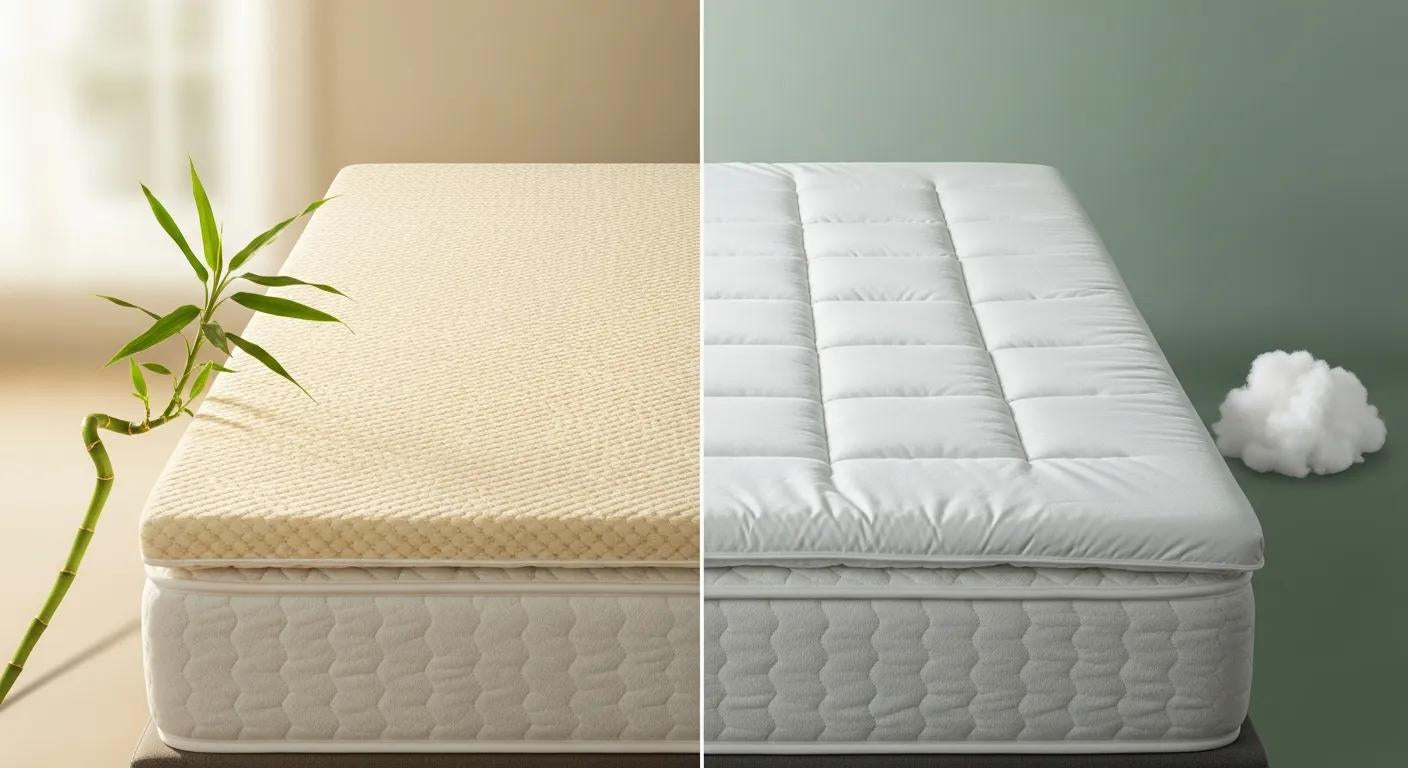
Bamboo and memory foam toppers are very different in how they’re made and how they feel. Bamboo toppers use natural bamboo fibres or bamboo fabric covers that breathe and wick moisture away. Memory foam is a synthetic material that contours well but can trap heat. Knowing those differences helps you pick a topper that suits how you sleep and what you value most — cooling and natural fibres, or deep body contouring.
How Does Temperature Regulation Compare Between Bamboo and Memory Foam?
Bamboo toppers typically keep you cooler because the fabric moves moisture away from the body and allows better airflow. That makes them a good choice for hot sleepers or anyone who overheats at night. Memory foam, by contrast, is denser and can hold onto heat, so some people find it uncomfortably warm unless it’s been specifically engineered for cooling.
Which Offers Better Pressure Relief and Spinal Support?
Memory foam is known for contouring closely to the body, which helps relieve pressure points. Bamboo itself is a fabric layer, so the level of pressure relief and support depends on the topper’s core — usually foam or latex beneath the bamboo cover. Bamboo-covered toppers can feel firmer and help keep the spine aligned, but if you need strong pressure relief, look closely at the internal foam or latex specifications rather than the cover alone.
How Do Bamboo Mattress Toppers Compare to Latex and Wool Alternatives?
Bamboo toppers hold their own against latex and wool. Each material suits different sleepers: bamboo for breathability and a soft surface feel, latex for resilient support, and wool for natural insulation and moisture control. Here’s how they differ in the things that matter most.
What Are the Comfort and Breathability Benefits of Bamboo vs Latex?
Bamboo fabric is prized for its softness and airflow, which often makes it feel cooler than some latex constructions. Latex is springy and supportive, offering a bouncier feel and strong durability. If you want a plush, breathable top layer, bamboo is a great choice; if you want a more responsive, supportive surface, latex may be better.
How Does Bamboo Stack Up Against Wool for Climate Control and Durability?
Bamboo’s moisture‑wicking fabric gives it an advantage in humidity and temperature management, while wool naturally insulates and handles moisture well, too. Both resist mould and dust mites, but bamboo fabric often feels smoother and is naturally hypoallergenic, which many allergy sufferers appreciate. In terms of longevity, high‑quality bamboo fabric is strong and will last when cared for properly.
Why Are Bamboo Mattress Toppers Considered More Eco-Friendly Than Traditional Options?
Bamboo toppers are often seen as the greener pick because bamboo grows fast, uses little water and usually needs no pesticides. That makes it a renewable raw material compared with many synthetic fibres. When produced responsibly, bamboo bedding can reduce environmental impact while still delivering comfort and durability.
What Makes Bamboo a Sustainable and Renewable Bedding Material?
Bamboo grows quickly and can be harvested frequently without the same resource demands as many crops. Its fast growth and low water and pesticide needs make bamboo a sensible choice for shoppers who want to reduce their environmental footprint without sacrificing comfort.
How Do Bamboo Toppers Reduce Environmental Impact Compared to Synthetic Materials?
Bamboo fabric is biodegradable and typically requires fewer harsh chemicals to produce than many synthetic materials. That helps reduce landfill impact and lowers the use of potentially harmful manufacturing chemicals. For eco‑minded buyers, those factors often make bamboo a more attractive long‑term option.
Who Benefits Most from Choosing Bamboo Mattress Toppers Over Traditional Materials?
Bamboo toppers suit a wide range of sleepers — especially those who sleep hot, have allergies, or prefer natural, low‑impact fabrics. They’re a practical upgrade if you want to add softness and cooling without replacing your whole mattress.
Are Bamboo Toppers Better for Hot Sleepers and Allergy Sufferers?
Yes. Bamboo’s breathability and moisture management help keep temperature down, and its natural hypoallergenic qualities make it a good choice for people sensitive to dust mites and common allergens. Together, those features create a fresher, more comfortable sleep surface.
Can Bamboo Mattress Toppers Help Alleviate Back Pain and Improve Sleep Quality?
Many customers find that a bamboo topper improves comfort and can reduce morning stiffness by improving surface support and alignment. Keep in mind the core material is the main driver of support — the bamboo cover enhances comfort and breathability, while the foam or latex core provides the structural support that helps with back pain.
What Are the Care and Maintenance Requirements for Bamboo Mattress Toppers?
Bamboo toppers are generally easy to care for, with simple cleaning steps that keep them fresh and performing well for years.
How Easy Is It to Clean and Maintain Bamboo Toppers Compared to Memory Foam?
Most bamboo topper covers are machine washable, which makes them easy to refresh. The internal core — whether foam or latex — usually needs spot cleaning only and shouldn’t be machine-washed. Memory foam cores are similar in that regard. Regularly washing the bamboo cover and airing the topper will keep it hygienic and comfortable for everyday use.
What Is the Expected Lifespan and Durability of Bamboo Mattress Toppers?
With normal use and proper care, a quality bamboo topper can last several years. Durability depends on factors like the core material, frequency of use and maintenance. A well‑made bamboo cover sustained by a good foam or latex core will hold up and keep delivering comfort over time.
How Does EcoToppers’ Bamboo Mattress Topper Stand Out Among Traditional Options?
EcoToppers’ bamboo topper blends cooling comfort, sustainable materials and practical support — designed to be an easy upgrade whether you want a little more plushness or extra pressure relief.
What Unique Features and Benefits Does EcoToppers Offer?
EcoToppers are available in 5cm and 10cm thicknesses, so you can choose how much cushion and support you want. The topper is finished with hypoallergenic and antibacterial properties to help keep your sleep surface clean and comfortable. Those features make it a strong pick for anyone looking for an eco‑conscious bedding upgrade.
How Does EcoToppers Support Australian Customers and NDIS Participants?
We support Australians with a generous trial period and convenient delivery options across Australia. EcoToppers also offers options that help NDIS participants access the sleep solutions they need — because great sleep should be easy to get and straightforward if it doesn't quite meet your needs.
Frequently Asked Questions
What are the health benefits of using bamboo mattress toppers?
Bamboo toppers deliver several health benefits: natural hypoallergenic fibres that resist dust mites and mould, moisture‑wicking to reduce dampness and skin irritation, and breathable fabric that helps regulate temperature. Together, these features support a cleaner, more comfortable sleep environment for sensitive sleepers.
How do bamboo mattress toppers compare in price to traditional options?
Bamboo toppers can cost a little more upfront than some memory foam or polyester options, but they often offer better long‑term value due to durability and sustainable sourcing. The comfort and health benefits they provide can also make them a worthwhile investment for many households.
Are there any downsides to using bamboo mattress toppers?
There are a few trade‑offs. Bamboo toppers can feel firmer than soft memory foam, which won’t suit everyone’s comfort preference. The performance also depends on the core material, so you’ll want to check the foam or latex inside. Finally, some styles have specific care instructions to preserve their finish, which is worth noting if you prefer low‑maintenance bedding.
Can bamboo mattress toppers be used on any type of mattress?
Yes — bamboo toppers work well on innerspring, foam and latex mattresses. Ensure the topper fits your mattress properly to prevent shifting during the night. A well‑fitted topper will enhance comfort and support across most mattress types.
What should I look for when purchasing a bamboo mattress topper?
When shopping, consider thickness (5cm–10cm is common), the core material (high‑quality foam or latex for better support), and safety certifications like OEKO‑TEX or CertiPUR‑US. Read customer reviews to get a sense of comfort and durability, and check the brand's trial or return options to ensure it's the right fit for you.
How do I know if a bamboo mattress topper is right for me?
Ask yourself: do you sleep hot, have allergies, or want a more sustainable bedding option? If yes, a bamboo topper could be a great match. Also, think about your preferred firmness and any back support needs. If possible, test the topper or take advantage of any trial periods offered to make sure it’s the right fit for your sleep.