



Bamboo vs Cotton Blankets — Which One Suits You? Clear, Practical Advice on Comfort, Health and the Planet
Choosing the right blanket is about more than warmth — it’s about how it feels, how it treats your skin, and the impact it leaves on the environment. Bamboo and cotton both have strong advantages, and this guide breaks down the essentials so you can decide with confidence. We’ll compare comfort, temperature control, allergy-friendliness, sustainability, durability and care — then help you pick the EcoToppers blanket that fits your needs.
Comfort: How Bamboo and Cotton Feel Different
Bamboo and cotton blankets offer distinct textures and sensations. Bamboo is prized for a silky, almost plush touch thanks to its fine fibres. Organic cotton brings a familiar, soft-but-crisp feel that many people love for everyday bedding. Knowing these differences will help you choose a blanket that matches the way you like to sleep and relax.
Why does bamboo feel so silky and smooth?
Most bamboo blankets are made from bamboo viscose, which produces very fine, smooth fibres. That structure gives bamboo its signature silky hand — gentle on sensitive skin and luxuriously soft to the touch. Many customers describe wrapping up in bamboo as noticeably more plush than standard cotton, which can make bedtime feel a little more indulgent.
What to expect from the classic softness of organic cotton
Organic cotton offers a dependable, breathable softness with a slightly crisper finish. Its fibres naturally absorb moisture and allow air to move through the weave, giving a comfortable, familiar feel that suits most sleepers. If you like bedding that’s comforting and reliably breathable, organic cotton is a solid pick.
Temperature control and breathability: which keeps you comfortable all night?
Temperature regulation is a big factor for many sleepers. Bamboo stands out for wicking moisture and encouraging airflow, which helps keep you cool on warm nights. Cotton is breathable and absorbs moisture well, but it generally doesn’t move moisture away from the skin as efficiently as bamboo. Match the blanket to how you sleep — especially if you’re a hot sleeper or prone to night sweats.
Is bamboo best for hot sleepers and night sweats?
Bamboo’s natural wicking properties draw moisture away from the skin and allow better airflow, helping to keep your core temperature down. People who sleep hot or experience night sweats often notice a cooler, drier sleep with bamboo blankets. If staying cool is a priority, bamboo is a strong contender.
When you compare bamboo to cotton, bamboo really shines across comfort, health, and its physical properties.
How cotton delivers breathability and moisture absorption

Cotton’s natural fibres allow good airflow and absorb moisture into the fabric. While it may not move moisture away from the skin as quickly as bamboo, it still keeps you comfortable through its breathability and steady moisture handling. That reliable performance is why cotton remains a popular choice for everyday bedding.
Allergies and sensitive skin: which material helps most?
Both bamboo and organic cotton have clear benefits for sensitive skin. Bamboo tends to be naturally hypoallergenic and has antibacterial qualities that reduce bacteria and dust-mite build-up. Organic cotton, grown without harsh chemicals, is gentle on skin and avoids irritation associated with conventional farming. Consider your specific sensitivities when choosing.
Bamboo’s hypoallergenic and antibacterial advantages
Bamboo fibres resist common triggers like dust mites and can help limit bacterial growth — useful for people with allergies or asthma. Many users switching to bamboo bedding report fewer nighttime irritations and a noticeable improvement in sleep comfort.
Why organic cotton is kind to sensitive skin
Organic cotton is grown and processed without synthetic pesticides or harsh chemicals, which lowers the risk of skin irritation. For those who prefer natural, straightforward fibres with minimal processing, certified organic cotton is a reassuring choice.
Environmental impact: how bamboo and cotton compare
The way fibres are grown and processed matters. Bamboo grows fast, needs little water, and generally requires no pesticides, making it an attractive renewable resource. Conventional cotton can be resource-intensive and often relies on heavy chemical inputs. For eco-conscious buyers, these differences are important when deciding what to buy.
When it comes to sustainability, bamboo often offers some great benefits compared to traditional fibres like cotton.
Why bamboo is renewable, low-water and typically pesticide-free
Bamboo grows quickly, uses less water than many crops and often requires no pesticides. It can be harvested without clearing land in the same way as some other crops, which helps preserve ecosystems. These traits make bamboo an appealing option for shoppers prioritising lower environmental impact.
How certified organic cotton supports eco-friendly choices
Organic cotton is farmed without synthetic pesticides or fertilisers and usually follows strict standards, such as GOTS, to verify sustainable and socially responsible practices. When you choose certified organic cotton, you’re supporting farming methods that protect soil health and reduce chemical exposure for workers and communities.
Understanding the environmental and social considerations of conventional cotton farming really highlights the importance of sustainable standards and certifications.
Durability and care: keeping your blanket in great shape
How you wash and care for a blanket affects how long it lasts. Bamboo blankets are durable but appreciate gentle care to protect their soft hand. Cotton is resilient and easy to care for, though it can shrink if exposed to high heat. Follow simple care steps and either fibre can last for years.
Washing tips and longevity for bamboo blankets
Wash bamboo blankets in cold water on a gentle cycle and skip bleach or heavy fabric softeners — they can weaken the fibres and dull the softness. With mindful care, bamboo blankets keep their feel and appearance for many years.
How cotton stands up to washing and wear
Cotton tolerates regular washing well but may shrink or soften if washed or dried on high heat. To minimise shrinkage and pilling, wash in cold water and tumble dry low or air dry. Properly cared for, cotton blankets remain comfortable and attractive over time.
Which EcoToppers blanket should you choose: Bamboo Waffle or Cotton Waffle?
Both the Bamboo Waffle and Cotton Waffle blankets have clear strengths. Choose bamboo for a silky, cooling feel that’s gentle on sensitive skin. Choose organic cotton for a classic, breathable texture with dependable durability. Think about how you sleep, any sensitivity concerns, and which sustainability features matter most to you.
Highlights of the EcoToppers Bamboo Waffle Blanket
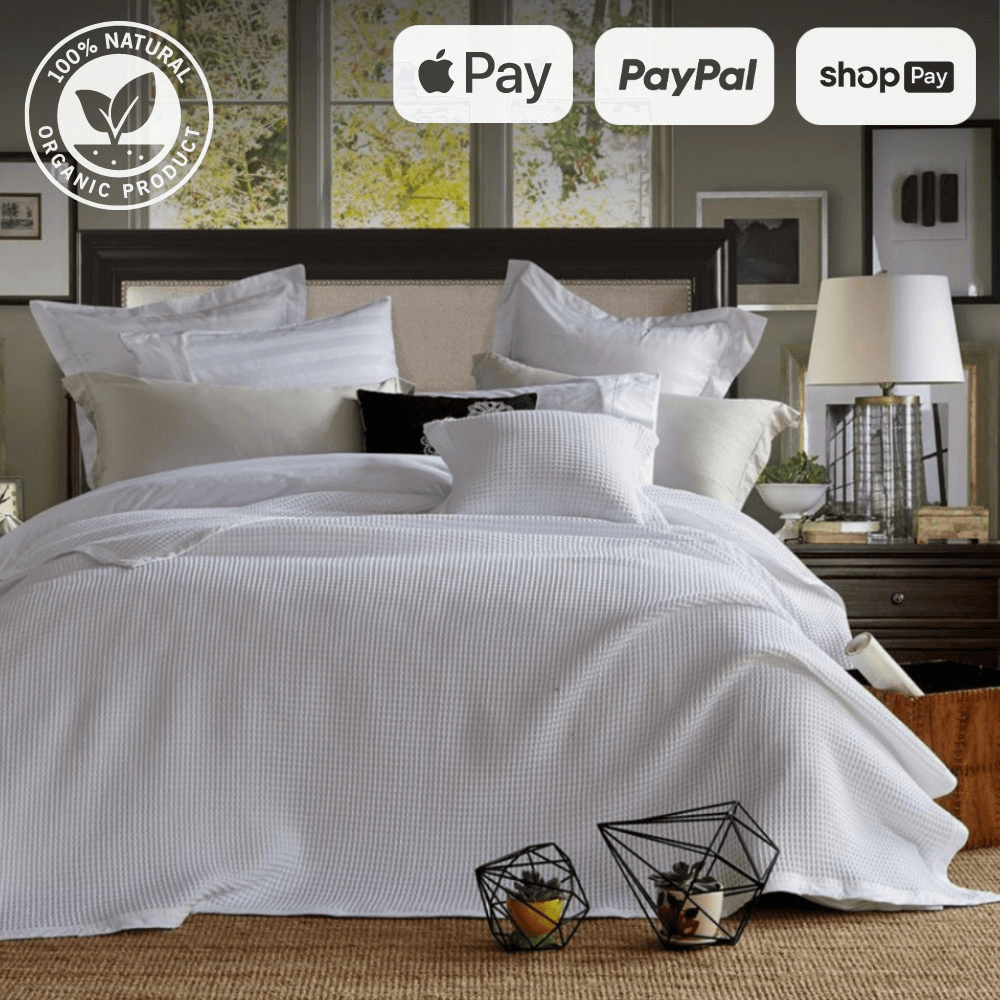
The EcoToppers Bamboo Waffle Blanket combines silky bamboo viscose with a textured waffle weave for breathability and style. It’s naturally hypoallergenic, temperature-regulating and lightweight — ideal if you want a cool, soft layer that still looks and feels premium.
Why the EcoToppers Cotton Waffle Blanket works for everyday comfort
The EcoToppers Cotton Waffle Blanket uses certified organic cotton for a soft, breathable finish and a timeless waffle pattern. It absorbs moisture, wears well with proper care and offers that familiar cotton comfort many people prefer — all while meeting higher environmental standards.
Frequently Asked Questions
1. Can bamboo blankets be machine-washed?
Yes — but wash with care. Use cold water on a gentle cycle and avoid bleach or heavy fabric softeners. These steps help preserve the blanket’s softness and extend its lifespan.
2. Are bamboo blankets a different investment compared to cotton blankets?
Bamboo blankets might be a slightly different investment compared to conventional cotton, often due to the fibre processing and sustainable sourcing. Many customers find that the extra comfort, durability, and allergy-friendly benefits make them a worthwhile choice.
3. How do I choose between bamboo and cotton blankets for children?
Consider skin sensitivity and sleep temperature. Bamboo is hypoallergenic and antibacterial, which can be helpful for children with allergies. Organic cotton is chemical-free and familiar to most kids. Both are safe choices — pick the one that best matches your child’s needs.
4. Do bamboo blankets have a distinct smell?
New bamboo blankets may have a faint natural scent from the fibres or packaging, but this usually fades after a wash. If a strong odour remains, follow the care instructions or contact the retailer.
5. How do bamboo and cotton blankets compare in terms of environmental impact?
Bamboo generally has a lower environmental footprint than conventional cotton: it grows quickly, uses less water and often needs no pesticides. Conventional cotton can be resource-intensive and rely on chemicals, so look for certified organic cotton if sustainability matters to you.
6. Can I use bamboo blankets in all seasons?
Yes. Bamboo’s moisture-wicking and breathable qualities make it comfortable in summer, while its insulating properties still provide warmth in cooler months. It’s a versatile year-round option.
7. What certifications should I look for when buying organic cotton blankets?
Look for trusted labels like GOTS (Global Organic Textile Standard) or OEKO-TEX. These certifications help ensure the cotton is grown and processed without harmful chemicals and that production meets environmental and social standards.