


Bamboo vs Memory Foam Toppers
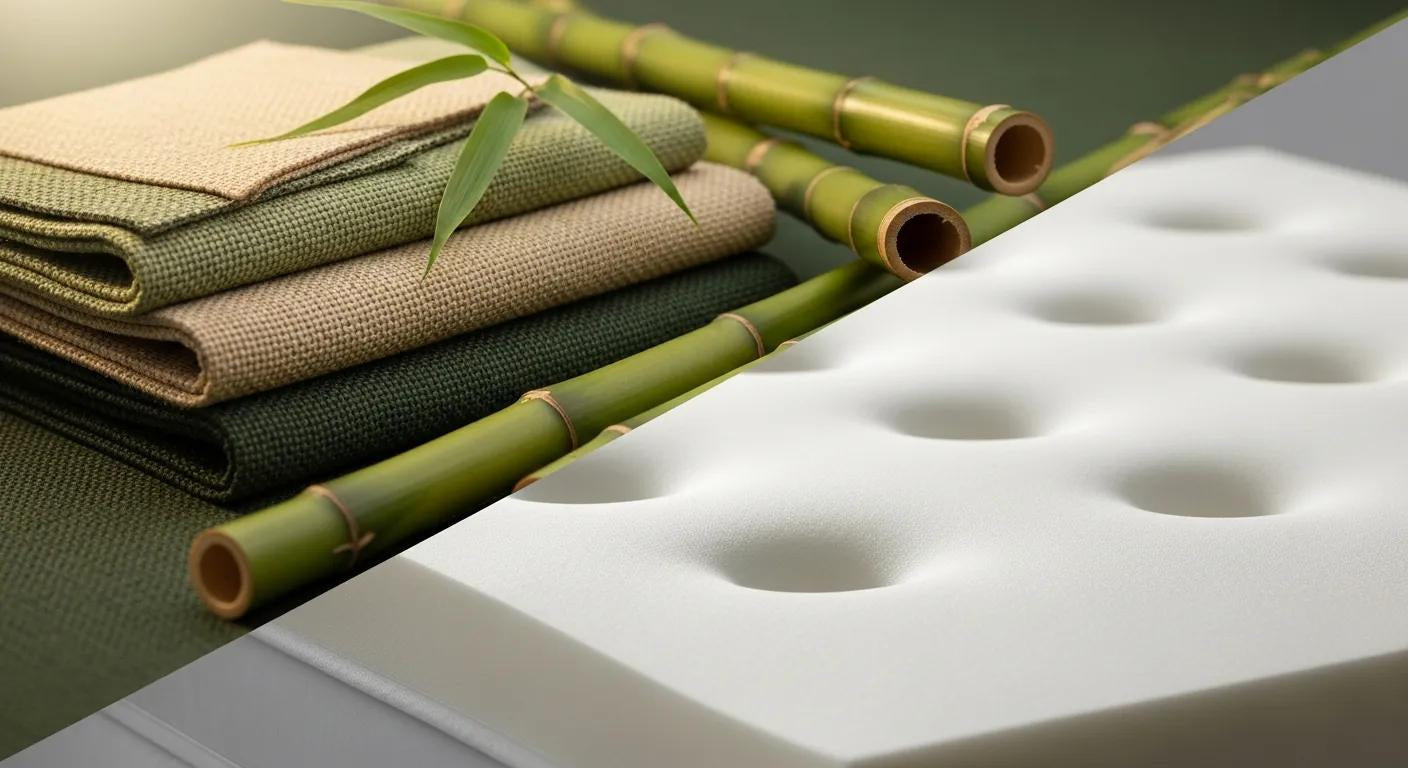
Choosing the right mattress topper comes down to what matters most to you — breathability, pressure relief or environmental impact. Bamboo and memory foam both have clear benefits, but they suit different sleepers. This guide walks through how each material performs for comfort, durability and sustainability, so you can pick the topper that fits your sleep and lifestyle. We’ll also point out how Eco Toppers, an Australian brand specialising in eco-friendly bedding, can help you make a confident choice.
What Are the Key Benefits of Bamboo Mattress Toppers?
Bamboo toppers are prized for natural breathability, hypoallergenic qualities and a smaller environmental footprint. Bamboo fibres let air circulate, which helps control temperature and moisture so you sleep cooler. They also resist common allergens, making bamboo a smart pick for sensitive sleepers who want a cleaner, fresher surface.
How Does Bamboo Provide Breathability and Hypoallergenic Comfort?
The structure of bamboo fibres encourages airflow and wicks moisture away from the skin, reducing overheating and night sweats. That same moisture control helps limit mould and mildew growth. Bamboo’s natural resistance to dust and irritants makes it a good option if you suffer from allergies or prefer low-maintenance bedding.
Bamboo textiles are a versatile choice for sleep products thanks to their hypoallergenic and durable characteristics.
Why Is Bamboo Considered a Sustainable Bedding Material?
Bamboo is often labelled sustainable because it grows quickly and needs little in the way of pesticides or fertilisers. Under ideal conditions, it can grow up to one metre (about three feet) a day. It also absorbs a lot of carbon dioxide and releases oxygen, which helps reduce the overall footprint compared with many conventional fibres. Those traits make bamboo a popular choice for shoppers wanting lower-impact bedding.
Bamboo’s ecological benefits extend into carbon capture and landscape restoration, reinforcing its sustainability credentials.
What Are the Advantages and Drawbacks of Memory Foam Mattress Toppers?
Memory foam toppers are widely chosen for their contouring support and pressure relief. They mould to your body and can ease pressure at shoulders and hips. On the flip side, memory foam is typically made from synthetic materials, which raises questions about breathability and environmental impact for eco-minded buyers.
How Does Memory Foam Enhance Comfort and Support?
Memory foam uses viscoelastic foam that conforms to your curves and spreads weight evenly, which helps reduce pressure points. It also dampens motion, so movements on one side of the bed are less likely to disturb a partner — useful if you share the mattress.
What Are the Environmental and Breathability Concerns with Memory Foam?
Memory foam is usually petrochemical-based, which contributes to a higher carbon footprint compared with natural alternatives. It’s also less breathable than bamboo and can retain heat unless treated or layered with cooling materials. If sustainability and temperature control are priorities, weigh the comfort benefits of memory foam against these trade-offs.
Thermal performance — how a topper conducts and sheds heat — is a key factor in sleep comfort and should be considered alongside support.
How Do Bamboo and Memory Foam Mattress Toppers Compare on Comfort, Durability, and Eco Impact?
Comparing bamboo and memory foam comes down to priorities: breathability and sustainability versus contouring support. Both can be comfortable and long-lasting when well made — it’s the materials and construction that often determine performance more than the label alone.
Which Mattress Topper Offers Better Durability and Longevity?
Bamboo fibres are naturally strong and, when assembled well, produce durable toppers that resist everyday wear. That said, longevity depends on construction and fillings. Memory foam can soften or break down faster under heat or moisture, but premium foams properly protected can still last several years. Look at the build quality and care instructions to judge lifespan accurately.
How Do Environmental Impacts Differ Between Bamboo and Memory Foam?
Bamboo typically has a lower environmental impact thanks to rapid regrowth and low input needs. Memory foam’s synthetic origin tends to carry a larger carbon footprint. Bamboo’s carbon-sequestering ability and oxygen output add to its eco credentials, so shoppers wanting to reduce environmental impact often favour bamboo options.
Which Mattress Toppers Are Best for Outdoor Use and Eco-friendly Living?
For camping, caravanning or outdoor stays, a topper that breathes, handles moisture and resists mould will perform best. Bamboo’s moisture-wicking and naturally resistant properties make it especially suited to humid or changing conditions.
What Makes Bamboo Mattress Toppers Ideal for Outdoor and Hypoallergenic Needs?
Bamboo wicks moisture, dries quickly and resists mould and mildew — all useful features in outdoor settings. Its hypoallergenic nature also makes it a safe choice for sensitive sleepers who need a clean, low-allergen surface when away from home.
How to Choose Sustainable Mattress Toppers for Outdoor Enthusiasts?
When picking a sustainable topper for outdoor use, keep these points in mind:
- Material: Prefer natural fibres like bamboo for breathability and moisture control.
- Durability: Choose toppers built to handle damp or rough conditions without degrading quickly.
- Eco-friendliness: Look for products made from sustainable resources with clear environmental practices.
Eco Toppers offers eco-focused mattress toppers, including bamboo options designed with these outdoor and sustainability needs in mind.
How Should You Care for and Maintain Eco-Friendly Mattress Toppers?
Correct care keeps any topper performing well for longer. Bamboo and memory foam each have straightforward maintenance habits that protect comfort and extend life.
What Are the Best Practices for Cleaning Bamboo Mattress Toppers?
For bamboo toppers, use mild cleaners and avoid harsh chemicals that can damage fibres. Air the topper regularly, spot-clean stains with a damp cloth, and keep a protective cover in place to reduce dirt and allergens. Periodic airing helps keep it fresh.
How to Extend the Life of Memory Foam Mattress Toppers?
Rotate memory foam toppers periodically to even out wear, and use a breathable protector to guard against spills and moisture. Clean with mild detergent and never soak the foam — excess water can shorten its lifespan. Proper ventilation also helps prevent breakdown from trapped humidity.
What Are Common Questions About Bamboo vs Memory Foam Mattress Toppers?
Buyers often ask about eco credentials, temperature control and suitability for allergies. Below are clear answers to the most common queries to help you decide.
Are Bamboo Mattress Toppers Truly Eco-Friendly and Hypoallergenic?
Yes — when produced responsibly, bamboo toppers are generally eco-friendly thanks to rapid growth and low input needs. They’re also naturally hypoallergenic, which makes them a strong option for people with sensitivities. Look for reputable sourcing and transparent manufacturing to confirm claims.
Which Mattress Topper Is Better for Allergy Sufferers?
Bamboo toppers tend to be the better choice for allergy sufferers because they naturally discourage dust and allergens. Memory foam can trap dust mites unless it’s regularly cleaned and protected, so bamboo often offers a simpler route to improved sleep for sensitive users.
Frequently Asked Questions
What is the lifespan of bamboo and memory foam mattress toppers?
Bamboo toppers commonly last between 5 and 10 years, depending on material quality and care. High-quality memory foam toppers typically last about 3 to 8 years. Factors like exposure to heat, moisture and how well you maintain the topper will influence these ranges.
Can bamboo mattress toppers help with temperature regulation?
Yes. Bamboo fibres encourage airflow and wick moisture, which helps keep sleepers cooler. That moisture control also reduces the risk of mould and mildew, making bamboo a practical choice for people who sleep hot or live in humid climates.
Are there any specific certifications to look for in eco-friendly mattress toppers?
Helpful certifications include OEKO-TEX Standard 100, which checks for harmful substances, and the Global Organic Textile Standard (GOTS) for organic and responsibly sourced materials. These labels provide extra assurance that a topper meets environmental and health standards.
How do I know if a mattress topper is suitable for my sleeping position?
Consider firmness and pressure relief: side sleepers usually prefer softer toppers for shoulder and hip cushioning, while back and stomach sleepers often need firmer layers to support spinal alignment. Trying a topper or checking return policies can help you find the right match.
What are the best ways to store a mattress topper when not in use?
Make sure the topper is clean and fully dry before storing to prevent mould. Roll it (not fold) and keep it in a breathable storage bag to avoid trapping moisture. Store in a cool, dry place out of direct sunlight and avoid compressing it tightly for long periods.
Can I use a mattress topper on an adjustable bed frame?
Yes. Most bamboo and memory foam toppers flex enough to work with adjustable frames. Avoid very thick toppers that might limit the frame’s movement — a medium thickness usually balances comfort and compatibility with adjustable bases.