



Bamboo vs Traditional Mattress Toppers — Which Is Best for Comfort, Health and the Planet?
Picking the right mattress topper changes how you sleep. With more people choosing sustainable options, bamboo toppers are becoming a popular alternative to traditional materials. This article compares bamboo and classic toppers across comfort, health and environmental impact. You’ll get a clear look at what makes bamboo different, how it stacks up against memory foam and cotton, and which choice suits your sleep needs. By the end, you’ll have practical points to help you decide.
What Is a Bamboo Mattress Topper — and Why Choose One?
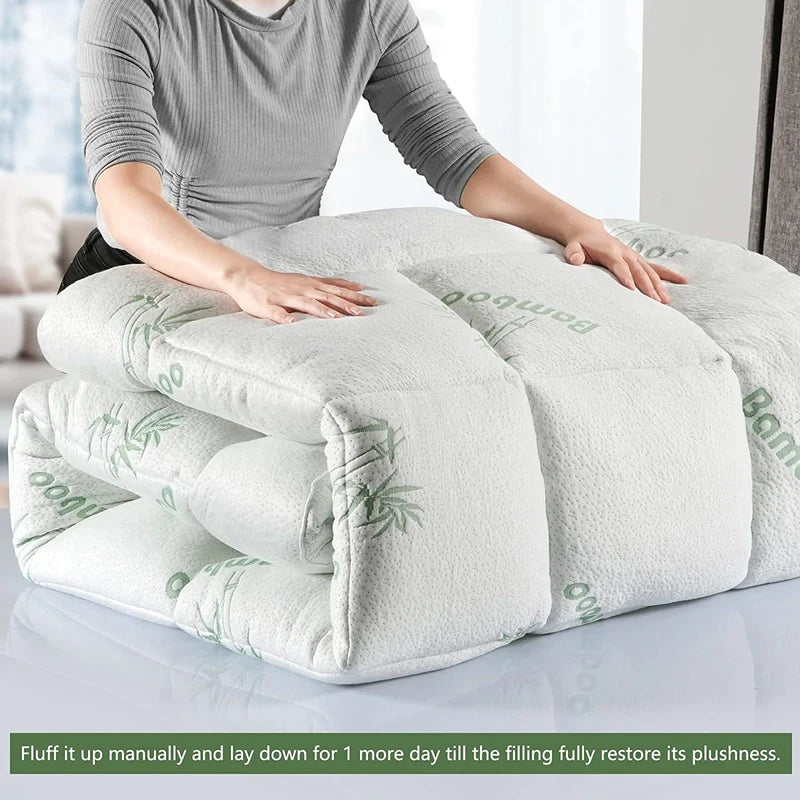
Bamboo mattress toppers use bamboo-derived viscose (rayon) fibres for a soft, durable cover. They’re prized for natural cooling, hypoallergenic properties and a smaller environmental footprint. Bamboo fibres breathe well, helping regulate temperature so nights feel cooler and more comfortable. They’re also naturally resistant to dust mites and many common allergens, which makes them a good pick for sensitive sleepers. Because bamboo grows quickly and needs less water and pesticides than cotton, it appeals to shoppers who want a greener bedding choice.
Studies have explored bamboo viscose’s comfort, antimicrobial action and moisture-wicking — offering evidence behind these claimed benefits.
How does bamboo deliver better cooling and temperature control?
Bamboo toppers stay cooler thanks to the fibre structure: tiny channels in the fibres improve airflow, helping heat and moisture move away from your body. That breathability benefits people who sleep hot — it reduces the chance of waking up overheated. By contrast, some traditional materials like memory foam can trap heat. Bamboo’s natural moisture-wicking also helps keep the sleeping surface feeling fresh and dry.
Why are bamboo toppers hypoallergenic and a good choice for sensitive sleepers?
Bamboo covers are naturally resistant to dust mites, mould and many allergens, which helps create a healthier sleeping surface. The fibres also have antimicrobial qualities that can limit bacterial growth, keeping the topper fresher for longer. For allergy sufferers or anyone who wants a cleaner sleep environment, these traits make bamboo an attractive option.
Traditional Mattress Toppers — materials and what to expect
Traditional toppers come in a variety of fillings: memory foam, cotton, wool, latex and down alternatives are common. Each material brings different comfort, support and care needs. Knowing those differences makes it easier to pick a topper that fits your sleep style and maintenance preferences.
What are the pros and cons of memory foam, cotton, wool, latex and down alternative toppers?
- Memory Foam:Pros: Excellent pressure relief and support; conforms closely to your body.Cons: Can retain heat and sometimes has an initial chemical smell.
- Cotton:Pros: Soft, breathable and natural; generally hypoallergenic.Cons: Less durable than some synthetics and may compress over time.
- Wool:Pros: Naturally regulates temperature, wicks moisture and is long‑lasting.Cons: Can be pricey and unsuitable for those with wool sensitivities.
- Latex:Pros: Durable, supportive and naturally hypoallergenic.Cons: Heavier and typically more expensive than other options.
- Down Alternative:Pros: Soft and fluffy at a lower cost than real down.Cons: Often less supportive than foam or latex options.
How does the material choice affect comfort, durability and care?
Your topper’s material determines comfort, longevity and how you look after it. Memory foam gives strong pressure relief but can benefit from occasional rotation to avoid sagging. Cotton and down alternatives are usually easier to clean but may wear out sooner than latex or wool. Some cores are machine-washable; others need spot cleaning or special care. Match material care needs to your lifestyle forthe best long-term value.
Bamboo vs Memory Foam — which improves sleep quality?
Comparing bamboo and memory foam comes down to what you value: cooling and breathability versus contouring pressure relief. Both can improve sleep, but they do it differently, so your personal comfort and sleep patterns should guide the choice.
Does bamboo offer better cooling and breathability than memory foam?
Generally, yes — bamboo covers and fibre layers tend to provide superior airflow and moisture management compared with traditional memory foam, which can trap heat. For people who sleep hot, bamboo‑based options often deliver a noticeably cooler night.
Research has examined how low‑rebound (memory foam) and high‑rebound materials affect sleep and body temperature, offering physiological insight into these differences.
Which topper provides better pressure relief and support for back pain?
Both can relieve pressure, but they do it differently. Memory foam contours to your body, targeting pressure points and offering a hugging feel that many people with back pain find helpful. Bamboo‑covered toppers rely on their core — foam or fibrefill — for support, so the pressure relief depends on that inner material. If back pain is a concern, focus on firmness and support level as much as cover material; many customers pair a bamboo cover with a supportive core for both comfort and cooling.
Is bamboo more eco‑friendly than traditional mattress toppers?
Bamboo is often promoted as a greener choice. It grows fast and typically uses fewer inputs than conventional crops, which is why many eco‑minded shoppers prefer bamboo‑based bedding.
What makes bamboo a sustainable and biodegradable material?
Bamboo grows quickly and can thrive without heavy pesticide or fertiliser use. Under ideal conditions, it can grow up to around 1 metre (approximately 3 feet) per day, making it one of the fastest‑renewing plants. Bamboo is also biodegradable, so atthe end of life it breaks down more naturally than many synthetic materials. Those factors make bamboo an appealing option for shoppers wanting a lower environmental impact.
How do traditional materials affect the environment compared to bamboo?
Some traditional materials have higher environmental costs. Synthetic foams often involve chemical processing, and cotton farming can use large amounts of water and pesticides. Those production footprints can add up. Bamboo’s lower water and chemical needs, plus its biodegradability, generally give it an environmental advantage when sourced and processed responsibly.
Who should choose a bamboo or traditional mattress topper?
Your ideal topper depends on sleep habits, health needs and budget. Consider cooling needs, allergy sensitivities, desired support level and how long you want the topper to last.
Which mattress topper is best for hot sleepers and allergy sufferers?
Hot sleepers and allergy sufferers often do well with bamboo toppers. Bamboo’s breathability and moisture‑wicking help manage temperature, while its natural resistance to dust mites and mould makes it a sensible choice for people who react to common allergens.
How to choose a topper based on firmness, budget and mattress condition?
Start with your mattress and how it feels. If your mattress is firm, a softer topper can add pressure relief. If it’s too soft, choose a firmer topper for extra support. Budget matters — bamboo options can cost more upfront but may offer better durability and health benefits. Match firmness to your sleeping position and combine a topper with the right core material to get the support you need.
Why choose EcoToppers’ bamboo mattress toppers?
EcoToppers focuses on eco‑friendly bedding built for comfort and longevity. Our Bamboo Mattress Topper is designed to deliver cooling, breathability and a soft sleep surface while keeping sustainability front of mind.
What unique features do EcoToppers’ bamboo toppers offer?
EcoToppers’ bamboo toppers use quality bamboo‑derived fibres for a soft, breathable cover and are paired with carefully chosen cores for support. They’re engineered to balance temperature control, hypoallergenic performance and lasting comfort — suitable for a wide range of sleepers. Our production emphasises sustainable choices so you can sleep well knowing materials were selected responsibly.
How does EcoToppers’ 90‑day Happiness Promise and free shipping build purchase confidence?
We offer a 90‑day Happiness Promise so you can try your topper risk‑free. If it’s not right, return it within the trial period. Combined with free shipping, the promise reduces upfront risk and lets you judge comfort and fit in your own home — a practical way to make sure your purchase really improves your sleep.
| Material Type | Cooling Properties | Hypoallergenic | Sustainability |
|---|---|---|---|
| Bamboo | Excellent | Yes | High |
| Memory Foam | Moderate | No | Low to Moderate |
| Cotton | Good | Yes | Low |
| Wool | Good | Yes | Moderate |
| Latex | Moderate | Yes | High |
The table summarises key differences between bamboo and common topper materials — highlighting bamboo’s strengths in cooling, allergen resistance and overall sustainability.
Bamboo mattress toppers combine cooling comfort, potential health benefits and a smaller environmental footprint. Knowing the trade‑offs between bamboo and traditional materials helps you choose a topper that matches your sleep priorities. If you want cooling, allergy‑friendly performance and an eco‑minded option, bamboo deserves serious consideration.
Frequently Asked Questions
What is the lifespan of a bamboo mattress topper compared to traditional options?
Most bamboo mattress toppers last around 5 to 10 years with normal use and proper care. Higher‑quality fibres and construction extend longevity. By comparison, traditional toppers such as memory foam or cotton typically last about 3 to 7 years. Durability depends on material quality, how often you use the topper and routine maintenance — rotating, airing and following care instructions will help it last.
Are bamboo mattress toppers suitable for all sleeping positions?
Bamboo toppers work for back, side and stomach sleepers — but the core material and firmness determine fit. A firmer core tends to suit back sleepers, while a softer option may be better for side sleepers who need extra pressure relief. Choose a topper with the right firmness and core fill to match your preferred sleeping position.
How do I clean and maintain a bamboo mattress topper?
Cleaning is straightforward for most bamboo toppers. Removable covers are usually machine washable on a gentle cycle. For the core, follow manufacturer instructions — spot clean with mild detergent and warm water when needed, and avoid bleach or harsh chemicals. Regularly airing the topper helps prevent moisture build‑up and keeps it fresh.
Can bamboo mattress toppers help with back pain?
Bamboo toppers can ease pressure points and improve comfort, which may reduce minor back discomfort depending on construction and firmness. For chronic back pain, results vary — pairing a bamboo cover with a supportive core or a firmer mattress often gives the best spinal alignment. If pain is persistent, consult a healthcare professional for personalised advice.
What are the environmental benefits of choosing bamboo over traditional materials?
Bamboo grows rapidly and often needs less water and fewer pesticides than crops like cotton, giving it a smaller resource footprint. Bamboo products can also be biodegradable, which reduces long‑term waste compared with many synthetic alternatives. When sourced and processed responsibly, bamboo is a strong choice for eco‑minded bedding buyers.
Are there any potential downsides to using bamboo mattress toppers?
Bamboo toppers can cost more than basic traditional options, and product quality varies between brands — so choose a reputable maker. Some bamboo toppers don’t offer the same contouring feel as memory foam, which matters if you prefer a hugging sensation. Weigh cooling and hypoallergenic benefits against cost and desired support to find the right match.