


Hypoallergenic Bamboo Mattress Toppers — Cooler, Cleaner Sleep
Hypoallergenic bamboo mattress toppers use smart material choices and careful construction to cut allergen exposure and improve sleep comfort — a practical pick for people with allergies or sensitive skin. Below, we explain what these toppers are, how bamboo fibres help deter dust mites and bacteria, and why breathability and temperature control matter for truly restorative sleep. You’ll find straightforward maintenance tips, how bamboo helps with hypoallergenic performance, and a clear comparison of bamboo versus memory foam, wool and synthetic fills for both homes and commercial fit-outs. The article also outlines sustainability benefits relevant to Australian buyers and notes commercial pathways such as NDIS invoicing support where applicable, with actionable guidance for homeowners, hoteliers and aged‑care procurement teams seeking durable, healthier bedding solutions.
What Are Hypoallergenic Bamboo Mattress Toppers and How Do They Improve Sleep?
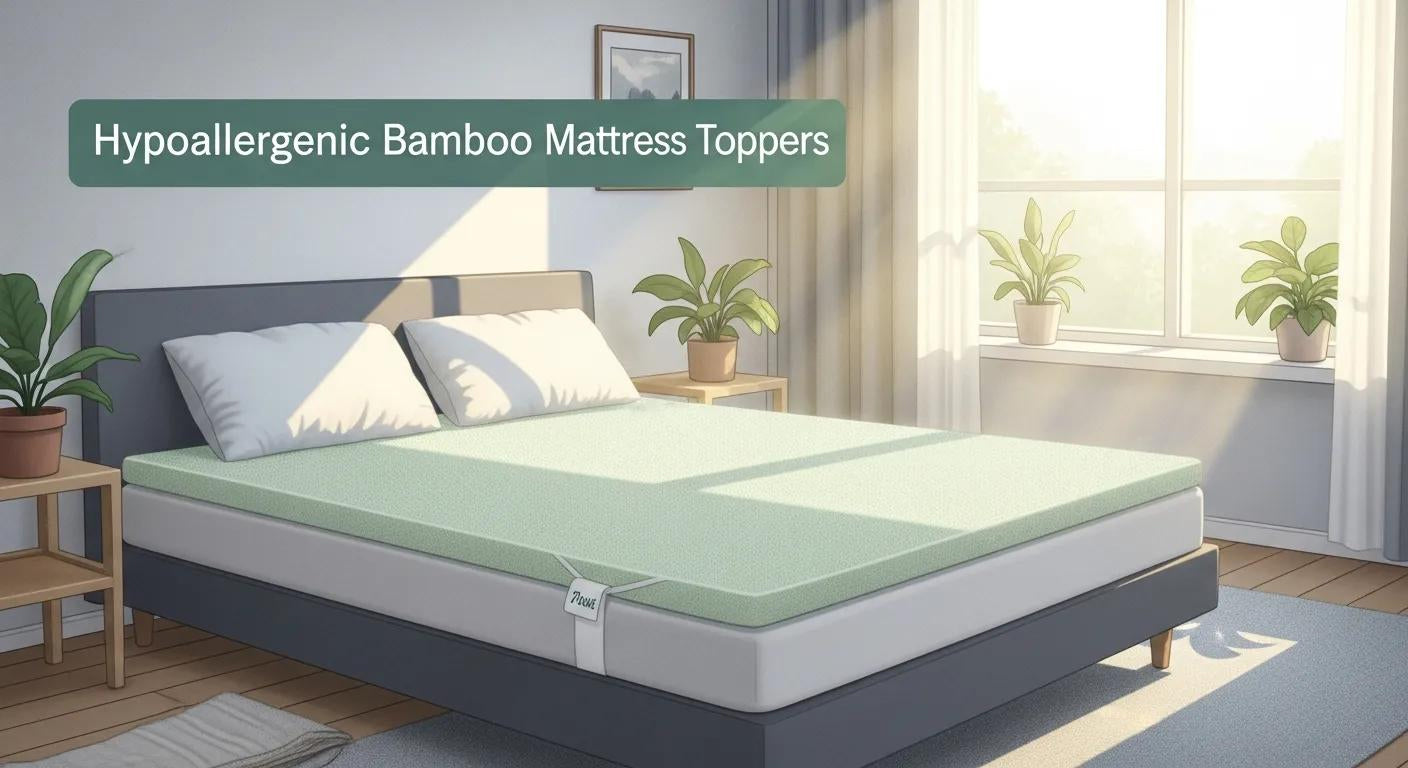
Hypoallergenic bamboo mattress toppers are thin bedding overlays that use bamboo‑derived fibres in the cover or fill to reduce allergen build‑up and create a cooler, drier sleep surface. Bamboo helps by wicking moisture, offering a fine breathable fibre structure and carrying natural antimicrobial traits — all of which make the sleep surface less inviting for dust mites and many bacteria. The outcome is a surface that can lower allergen levels, cut night sweats and add a soft, pressure‑relieving layer that promotes uninterrupted sleep. In short, bamboo toppers are ideal for people who want both hygiene and comfort.
Most bamboo toppers combine a soft bamboo‑derived cover with a resilient fill or core made from natural or blended fibres designed to keep loft and airflow. A tight‑knit bamboo viscose, or rayon cover, feels smooth against skin, reducing friction for sensitive sleepers. The fill — often shredded natural fibres or a blended microfibre — provides pressure relief while allowing air to move through the topper. Looking at these layers makes it easier to see how construction choices affect hygiene and comfort outcomes.
Bamboo’s moisture management and antimicrobial tendencies translate to fewer wakeups from overheating or itching, and to slower microbial growth on the sleep surface. For reactive skin, a smoother fabric reduces abrasion, and the breathability lowers trapped humidity that can cause flare‑ups. Many people find fewer night awakenings and improved sleep quality.
To make the features‑to‑outcomes link clear, the table below pairs common bamboo topper components with their main health and comfort benefits and with the measurable outcomes users can expect. This helps both consumers and procurement teams compare product specs effectively.
Different topper components deliver distinct benefits that support allergy reduction and sleep comfort.
| Component | Functional Attribute | Measurable Outcome |
|---|---|---|
| Bamboo fibre cover | Effective moisture‑wicking and smooth hand | Lower surface humidity; less skin irritation |
| Antimicrobial fibre treatment | Reduces bacterial growth on fabric | Lower bacterial counts on the sleep surface |
| Breathable fill/core | Good air permeability and loft retention | Better thermal regulation; fewer night sweats |
| Durable stitch/baffle design | Keeps fill evenly distributed | Consistent pressure relief and longer lifespan |
This mapping makes it easy to see how material and design choices translate into user benefits, helping purchasing teams prioritise the specs that matter for allergy control and comfort.
What Makes Bamboo Mattress Toppers Naturally Hypoallergenic?
Bamboo’s hypoallergenic advantages come from a few interacting textile properties that change the microenvironment at the sleep surface. First, moisture management: bamboo fibres quickly move moisture away from skin, lowering the humidity where dust mites thrive. Second, fibre morphology: bamboo‑derived fibres are usually smooth and fine, producing a surface that reduces micro‑abrasions for sensitive skin. Third, natural antimicrobial compounds in raw bamboo — when retained through gentle processing — can reduce bacterial colonisation compared with untreated synthetic fabrics. Together, these effects make the sleep surface less hospitable to common allergens and irritants.
Processing and finishing affect how well bamboo’s natural properties survive in the final topper, so choose toppers where manufacturing preserves moisture‑wicking and antimicrobial traits rather than hiding them under heavy coatings. Routine care — vacuuming, airing and following wash instructions — helps maintain hypoallergenic performance by removing shed skin cells and dust before they build up. Even the best materials need regular upkeep to keep allergen loads low, so care instructions should be a buying consideration.
How Do Bamboo Mattress Toppers Enhance Sleep Quality and Comfort?
Bamboo toppers improve sleep by pairing pressure‑distributing fill with a breathable, moisture‑managing cover to reduce thermal disruptions and surface irritation. By spreading pressure more evenly, toppers cut down local pressure points that cause tossing and turning, helping sleep continuity. Bamboo’s breathability and wicking moderate the microclimate, reducing night sweats that fragment sleep, while the soft surface lessens skin irritation for sensitive sleepers.
Practically, many people report falling asleep faster and waking less often after switching from a non‑breathable synthetic topper to a bamboo option. Hot sleepers and those in humid climates often notice the biggest improvements. For many households, a bamboo topper is a straightforward, affordable step to better sleep without replacing the mattress.
Why Are Bamboo Mattress Toppers a Strong Choice for Allergy Sufferers and Sensitive Skin?
Yes — bamboo mattress toppers are a smart option for allergy sufferers and people with sensitive skin. They reduce the conditions that support dust mites and bacteria, provide a soft contact surface that limits irritation, and work well with straightforward maintenance routines. The combination of moisture‑wicking fibres, a fine surface texture and antimicrobial tendencies forms a threefold defence: lower humidity, fewer microbial food sources and less abrasive contact. For many users, this results in fewer allergic episodes and fewer skin flare‑ups.
For people with asthma or eczema, a bamboo topper helps by tackling environmental triggers at the sleep surface alongside any medical treatments. Lower surface humidity reduces the likelihood of mite population growth, and the smoother fabric limits mechanical irritation. Removable, washable bamboo covers further reduce allergen reservoirs and support longer‑term skin health.
Selection and maintenance tips: choose a removable, washable cover where possible, follow manufacturer wash guidance to protect fibre integrity, and add an allergen‑proof mattress encasement for severe sensitivities. Together, these measures create a layered approach to comfort and allergy management.
How Do Bamboo Fibres Reduce Allergens Like Dust Mites and Bacteria?
Dust mites and many bacteria thrive where warmth, moisture and skin cells accumulate; bamboo disrupts that mix through superior moisture control and favourable surface characteristics. Bamboo‑derived textiles move moisture away from skin quickly, lowering relative humidity on the sleep surface and narrowing the niche dust mites need to reproduce. When processing retains bamboo’s natural antimicrobial elements, the fabric can also slow bacterial growth, lowering microbial counts that contribute to allergen exposure.
Cleaning amplifies these material benefits: regular washing of removable covers, vacuuming and airing prevent dead skin cells from building up and feeding mite populations. Treat material selection and upkeep as a combined strategy for allergy management rather than relying on material claims alone.
What Are the Benefits of Bamboo Mattress Toppers for Sensitive and Irritated Skin?
Bamboo toppers present a gentle, low‑friction surface that reduces mechanical irritation and helps protect the skin barrier — useful for people with eczema, dermatitis or reactive skin. The soft feel of bamboo covers lessens abrasion during sleep, while breathability prevents trapped moisture that can worsen rashes or heat‑related irritation. Together, these features lower nocturnal triggers and can reduce itch‑related awakenings.
When sensitivity is a concern, choose products with minimal chemical finishes and consider organic or lightly processed bamboo where available to reduce the risk of contact dermatitis from finishing agents. Pair a bamboo topper with dermatologist‑recommended care — mild detergents and regular laundering — to support skin recovery and long‑term comfort.
How Do Eco‑Friendly Bamboo Mattress Toppers Support Sustainable Living in Australia?
Bamboo supports sustainable living because it’s a fast‑growing, renewable resource that often needs less water and fewer agrochemicals than conventionally cultivated fibres. That translates to a lower embodied impact in textile production, a benefit that matters for Australian households and commercial projects looking to reduce supply‑chain footprint while keeping bedding quality high.
EcoToppers specialises in eco‑minded bedding and highlights bamboo mattress toppers as a core product. For Australian buyers seeking suppliers with a sustainability focus, EcoToppers’ emphasis on ethically sourced organic bamboo provides a practical vendor option. We recommend checking details about sourcing and production on product pages and requesting supporting documentation where needed to confirm alignment with your sustainability policies.
Why Is Bamboo a Sustainable and Renewable Material for Bedding?
Bamboo’s sustainability comes from its fast growth and ability to regenerate without replanting, which reduces land disturbance and typically lowers irrigation and pesticide needs. High biomass yields and good carbon uptake during growth also improve its lifecycle profile versus slower‑growing fibre crops. These agronomic features make bamboo an attractive raw material when renewable sourcing is a priority.
That said, processing matters: mechanical fibre methods keep more of the plant’s natural characteristics but can be costlier, while chemical routes such as viscose need careful wastewater management. Procurement teams should ask suppliers about processing methods and supply‑chain practices to choose options that meet Australian sustainability expectations and your goals.
How Do EcoToppers’ Bamboo Mattress Toppers Align with Australian Sustainability Standards?
EcoToppers presents itself as an Australian supplier focusing on eco‑friendly bamboo bedding and highlights ethically sourced organic bamboo in its range. That positioning makes EcoToppers a sensible option for procurement teams and sustainability officers specifying renewable‑content bedding. When evaluating suppliers, buyers should request sourcing statements, material declarations and other documentation to confirm details and ensure products meet their sustainability goals.
For larger commercial or institutional projects, EcoToppers’ eco‑focused line offers a practical way to specify renewable bedding that balances occupant comfort with environmental responsibility. Requesting supply‑chain transparency and lifecycle information helps procurement teams compare offerings and make smart decisions aligned with sustainability objectives.
What Are the Key Benefits of Bamboo Mattress Toppers for Commercial Fit‑out Projects?
Bamboo mattress toppers deliver clear commercial benefits for hospitality, aged care and healthcare fit‑outs: better guest and resident comfort, fewer allergen‑related complaints, and support for sustainability commitments that increasingly influence guest choice and regulatory expectations. Toppers that resist moisture and microbial growth also reduce cleaning load and can extend mattress life by acting as a protective, washable layer — offering great value over time and improving satisfaction metrics.
Commercial procurement teams look for products that balance hygiene performance with operational simplicity, and bamboo toppers fit this need by pairing natural performance with straightforward care. Suppliers specialising in eco‑friendly bedding also help procurement stories around brand sustainability and may assist compliance or funding pathways in care settings. These operational and reputational benefits make bamboo toppers a strong specification item for fit‑outs focused on efficiency and wellbeing.
Below is a comparison‑style table for commercial purchasers, mapping venue types to key benefits and expected operational value to inform specification decisions.
| Venue Type | Commercial Benefit | Operational Value |
|---|---|---|
| Hotels | Improves guest comfort and reduces heat‑related complaints | Fewer mattress service calls; higher guest satisfaction scores |
| Aged care | Reduces allergen exposure for vulnerable residents | Fewer incident reports and simpler daily linen routines |
| Healthcare | Supports bedside hygiene and infection‑control workflows | Smoother laundering and sanitising processes |
This table shows how bamboo toppers translate into measurable benefits across commercial settings and supports value discussions in procurement.
How Do Hypoallergenic Bamboo Toppers Improve Guest and Resident Health in Hotels and Aged Care?
Hypoallergenic bamboo toppers lower the environmental triggers that cause allergic reactions and skin irritation — a key advantage for vulnerable aged‑care residents and for hotels serving guests with diverse needs. By reducing surface humidity and microbial load, bamboo toppers help decrease respiratory and dermatological complaints linked to bedding. The practical result is fewer comfort complaints, better satisfaction scores and less need for mattress replacement or intensive cleaning.
You might notice fewer comfort‑related complaints, fewer deep‑clean mattress cycles, and improved resident sleep reports. These measurable indicators help managers see the value when upgrading to hypoallergenic bamboo toppers and support smart purchasing choices that balance health and efficiency.
Can Bamboo Mattress Toppers Help Commercial Projects Meet NDIS and Accessibility Requirements?
EcoToppers supports NDIS invoicing, which can simplify procurement for facilities purchasing bedding for NDIS participants. That invoicing capability means procurement teams working with NDIS‑funded clients have a supplier option familiar with the required administrative pathways. For project teams, confirming supplier invoicing capabilities and collecting compliant paperwork during procurement helps ensure acquisitions meet funding requirements without delaying installations.
More broadly, procurement teams should confirm documentation needs and request product specifications that satisfy accessibility and clinical guidelines where relevant. EcoToppers’ stated NDIS invoicing support makes it a practical vendor for projects serving NDIS participants, but buyers should still verify paperwork and ensure product features meet the clinical and comfort needs of residents or clients.
How Do Bamboo Mattress Toppers Provide Superior Temperature Regulation and Comfort?
Bamboo toppers control temperature through moisture‑wicking, open fibre structure and thermal properties that encourage evaporative cooling and quick heat dispersal from the sleep surface. These mechanisms lower the microclimate temperature at the skin level, which helps hot sleepers fall and stay asleep more easily. The net effect is fewer heat‑related awakenings and more consistent sleep across the night for many users.
Alongside cooling, bamboo toppers deliver a soft, conforming surface that evens out pressure without the excessive heat retention seen in some memory foams. That balance of cooling and support makes bamboo suitable across climate zones and for mixed‑occupancy commercial beds where guest thermal preferences vary. Knowing how these features work helps purchasers prioritise breathability and ventilated fill designs when specifying toppers.
To help procurement teams compare materials directly, the table below summarises bamboo against common topper materials for cooling, hygiene and durability.
| Material | Cooling & Breathability | Hygiene | Durability |
|---|---|---|---|
| Bamboo | High wicking and airflow | Natural inhibitory surface | Good when well constructed |
| Memory foam | Poor breathability; can retain heat | Requires protective covers for hygiene | Durable but heat‑sensitive |
| Wool | Moderate cooling; absorbs moisture | Naturally antimicrobial | Long‑lasting but needs careful care |
| Polyester/synthetic | Variable breathability | Can trap moisture | Lower durability; less breathable |
What Cooling and Breathability Features Do Bamboo Fibres Offer?
Bamboo fibres move moisture from the skin to the fabric surface, creating evaporative cooling when air is present and lowering surface humidity that causes discomfort. The fibres’ capillary action shifts sweat outward for quicker evaporation and a cooler feel. Paired with a porous fill that allows convective airflow, bamboo toppers keep a more neutral microclimate than dense, heat‑retaining alternatives.
When you're buying, look for product details that highlight good airflow and moisture-wicking, and choose designs that pair a bamboo cover with a ventilated fill. These design choices maximise bamboo’s cooling benefits and deliver better comfort across user groups.
How Does Bamboo Bedding Compare to Other Materials in Comfort and Durability?
Bamboo sits between slow‑responding, heat‑retaining memory foam and natural fibres like wool: it provides a cool, soft surface with moderate pressure relief and good resilience when constructed well. Compared with memory foam, bamboo allows more airflow and traps less heat; versus wool, it offers a softer surface with fewer care constraints. Against polyester fills, bamboo brings superior breathability and natural antimicrobial tendencies that improve hygiene.
Lifecycle matters: quality stitching, stable fill and washability reduce replacement frequency and offer great long-term value. For commercial buyers, review washability and fill stability alongside material comparisons to ensure bamboo toppers meet the comfort and durability demands of high‑use environments.
Where Can You Buy the Best Hypoallergenic Bamboo Mattress Toppers in Australia?
When buying a bamboo mattress topper in Australia, prioritise clear details about materials, clear care instructions and transparent supplier statements about sourcing and manufacturing. Look for removable, washable covers, clear wash‑temperature guidance, and information about ethical sourcing if sustainability matters to you. These checks reduce the risk of greenwashing and help ensure the topper performs hygienically and thermally in local conditions.
EcoToppers is an Australian supplier specialising in premium eco‑friendly bedding and lists bamboo mattress toppers as a core product. EcoToppers also supports NDIS invoicing, which can simplify buying in projects involving NDIS‑funded participants. For commercial enquiries, procurement officers should request product specifications, flexible purchasing options and invoicing documentation to confirm the solution is fit for purpose.
Below is a practical buying checklist to guide selection and procurement, followed by notes on verifying supplier quality for larger or institutional purchases.
- Choose a topper with a removable, washable bamboo‑derived cover and clear care instructions.
- Verify material declarations that state bamboo fibre content and any chemical treatments used.
- Check fill type and loft‑retention claims to ensure sustained pressure relief.
- Ask the supplier for details on sourcing and their environmental approach if sustainability is important to you.
- For commercial orders, confirm invoicing capabilities and flexible purchasing options with the supplier.
What Should You Look for When Choosing a Bamboo Mattress Topper for Allergy Relief?
Pick toppers that clearly state bamboo content in the cover and offer a removable cover you can wash at manufacturer‑recommended temperatures to remove allergen reservoirs. Avoid products that hide fibre origin or list vague “blended” content without percentages, and favour minimal chemical finishing when sensitivity is a concern. Also check construction details — baffle‑box stitching and stable fills reduce clumping and keep surface support consistent, which benefits both comfort and hygiene.
For commercial buyers, ask for product specifications and laundering instructions compatible with institutional laundry systems. These checks help ensure the product meets clinical, guest and operational requirements.
How Does EcoToppers Ensure Quality and Customer Satisfaction?
EcoToppers positions itself as a supplier of premium, eco‑friendly bamboo bedding and highlights ethically sourced organic bamboo across its range. That focus is designed to meet customers who want hypoallergenic performance with a lower environmental footprint. For commercial purchasers, EcoToppers also offers NDIS invoicing support to assist compliant billing for NDIS participants.
Procurement teams should request product specification sheets, sourcing statements and confirmation of invoicing processes for larger orders. These steps verify the supplier’s eco‑claims and administrative capabilities line up with project requirements.
Frequently Asked Questions
What maintenance is required for bamboo mattress toppers?
Regular care keeps bamboo toppers performing. Vacuum the topper occasionally to remove dust and loose skin cells, follow the manufacturer’s washing instructions for removable covers (usually gentle cold or warm washes), and air the topper in a well‑ventilated space when possible to reduce moisture build‑up. These simple steps extend product life and maintain hypoallergenic performance.
Can bamboo mattress toppers help with night sweats?
Yes — bamboo toppers are effective for people who overheat at night. Bamboo fibres wick moisture away from the skin and, when paired with a breathable fill, improve airflow and evaporative cooling. Many sleepers report fewer awakenings from overheating after switching to a bamboo topper.
Are bamboo mattress toppers suitable for all sleeping positions?
Bamboo toppers are versatile and work with back, side and stomach sleepers. They add surface softness and moderate pressure relief, but individual comfort depends on topper thickness and firmness. If you’re unsure, try a topper with a return policy or test it for a short period to confirm it suits your sleeping style.
How do bamboo mattress toppers compare to traditional memory foam?
Bamboo toppers generally breathe better than memory foam and manage moisture more effectively, making them a better choice for hot sleepers and allergy sufferers. Memory foam can hold heat and give a denser, sinking feel; bamboo feels softer and more natural while offering antimicrobial tendencies that help with hygiene.
What should I consider when purchasing a bamboo mattress topper?
Consider thickness, firmness and the quality of the bamboo cover. Look for a removable, washable cover, check for sustainability certifications and read reviews on comfort and durability. Make sure the topper fits your mattress size and matches your sleeping preferences for the best result.
Can bamboo mattress toppers be used on any type of mattress?
Yes — bamboo toppers work on innerspring, foam and hybrid mattresses to add comfort and support. Ensure the topper fits securely to avoid shifting during sleep. On very soft or worn mattresses, a bamboo topper can add effective support and improve overall sleep quality.