




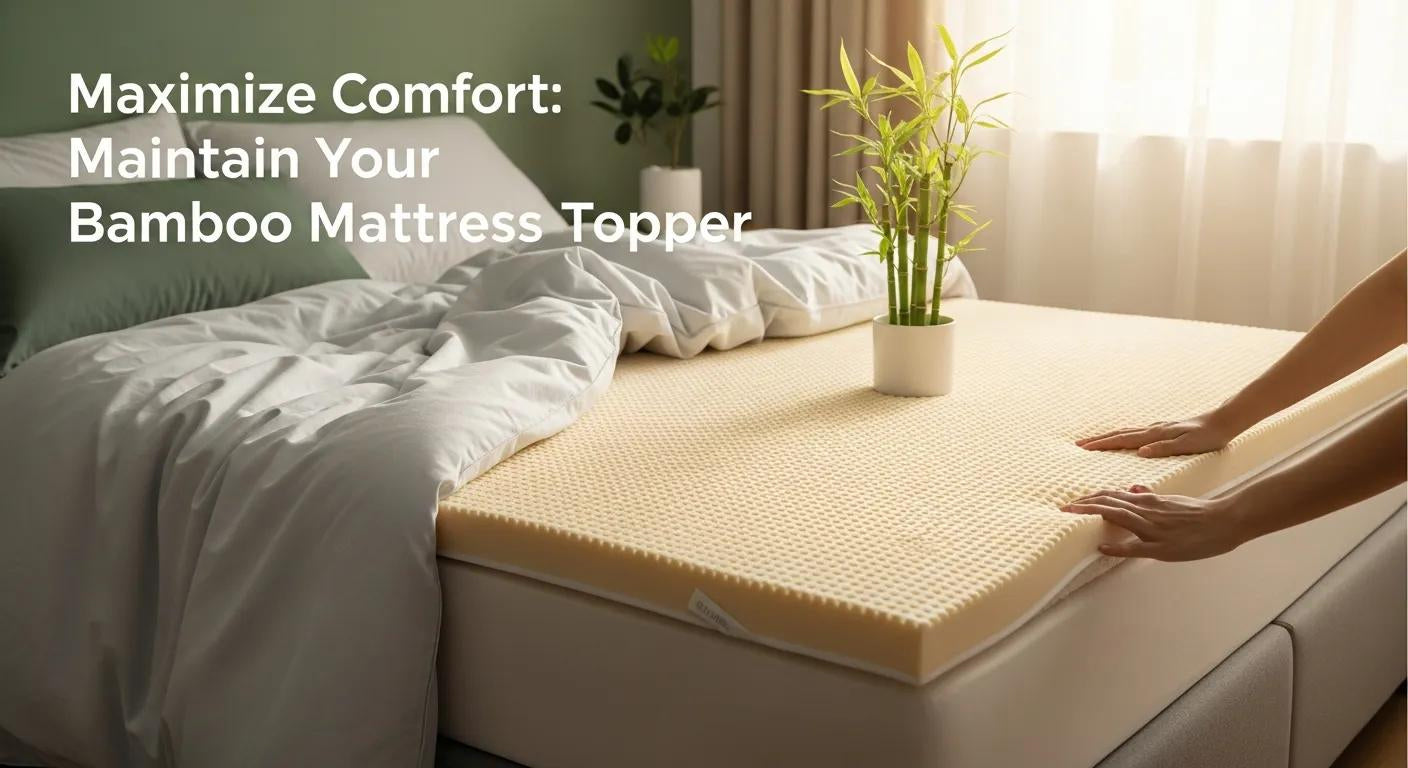
Maximise Comfort — How to Care for Your Bamboo Mattress Topper
Looking after a bamboo mattress topper is simple: regular cleaning, gentle drying, smart storage and quick fixes when problems pop up. This guide explains what proper care looks like, why it matters for the topper’s hypoallergenic and temperature-regulating performance, and which small routines make your topper last longer. Body oils, sweat, and detergent residue can clog bamboo fibres and flatten the loft over time — the steps below show exactly how washing, drying, storage, and stain treatment translate into better allergy control, lasting softness, and fewer replacements. You’ll find easy machine and hand-wash methods, drying and storage tips, stain and odour solutions, plus low-energy care ideas that cut environmental impact. The sections follow everyday tasks so you can pick the right advice for your situation and keep your topper performing as designed.
How does the right wash keep a bamboo topper working well?
Correct washing removes body oils, sweat, and allergens that can block bamboo fibres, keeping the fabric breathable and moisture-wicking. Using cold water, gentle agitation, and a mild detergent reduces abrasion and shrinkage, helping the topper keep its shape and hypoallergenic surface. Regular, appropriate cleaning also limits microbial build-up that causes odours and long-term fibre breakdown, so your topper stays comfortable and cool night after night. The following sections compare common washing methods and explain why cold water and gentle detergents are the safest choice for bamboo fibres.
What are the best washing methods for bamboo toppers?
If the cover is removable, machine wash it on a gentle cycle with cold water and use a laundry bag to protect seams and zips. When the whole topper is machine-safe, choose a delicate spin and don’t overload the drum — the cover needs room to move so friction won’t weaken fibres. For toppers without removable covers or with delicate filling, hand wash: short cold soak with a mild eco detergent, gentle hand agitation, rinse well and press excess water out by rolling in a towel instead of wringing. For spills, spot-clean straight away — blot, apply a mild soap solution, rinse and dry. Acting fast limits stain setting and keeps fibres intact.
Different washing methods affect fibre wear and product life in predictable ways, so always match your approach to the topper’s construction and the care label to avoid accidental damage. Below is a quick reference comparing common methods and their likely outcomes.
| Washing Method | Temperature & Setting | Effect on Fibres / Longevity |
|---|---|---|
| Machine wash (delicate) | Cold water, gentle cycle | Good for removable covers; avoid overloading to protect seams |
| Hand wash | Cold soak, gentle agitation | Best for non-removable fillings or delicate covers; least abrasion |
| Spot clean | Cold, damp blotting, mild soap | Fast for small spills; reduces full washes and fibre wear |
Use this comparison to pick the safest method for your topper and keep unnecessary washing to a minimum.
Why choose mild detergent and cold water for bamboo?
Bamboo fibres react to heat and harsh chemicals — cold water prevents thermal shrinkage and helps fibres stay aligned, which keeps the fabric breathable. Mild, neutral-pH detergents don’t leave residues that clog the micro-structure of the fibres or blunt their moisture-wicking action. Strong bleaches, fabric softeners and heavy enzyme cleaners can strip antibacterial finishes or coat fibres, reducing hypoallergenic benefits and breathability. Pick fragrance-free, eco-friendly detergents and measure carefully to avoid buildup.
Mild products also cut rinse cycles and water use, supporting a lower-impact care routine while protecting fibre strength. Next, we cover drying methods that pair well with gentle washing to keep your topper soft and long-lasting.
What are the best drying practices to keep a bamboo topper soft and durable?
Drying has a big effect on loft, shape, and how resistant fibres are to microbes — it’s as important as washing. Air drying in the shade or using a low-heat tumble option are the safest choices. Both avoid high temperatures that can shrink natural fibres, stress seams, and flatten fill. Good drying clears moisture quickly while avoiding direct sun and heat that weaken fibres or fade colour. Below, we explain how to air-dry effectively, when low-heat tumble drying is acceptable, and include a quick comparison of drying methods.
How does air drying help bamboo toppers?
Air drying keeps fibres soft and reduces shrinkage because moisture is removed gently and evenly. Lay a topper flat on a clean, ventilated surface or drape it over wide supports so seams don’t stretch; while damp, reshape the topper to restore loft and even out any filling. Shaded outdoor airing on a mild day freshens fibres and helps lift odours; indoor flat drying on racks avoids UV damage and keeps shape consistent. Air drying is low-energy and better for the environment than heat-based methods.
Air drying pairs well with gentle washing — when you can’t air dry, a controlled low-heat tumble is the next best option, described below.
Use this table to compare drying choices and pick what suits your situation.
| Drying Method | Impact on Softness & Durability | Recommended Use-Cases |
|---|---|---|
| Air dry (flat/shaded) | Preserves loft, minimal shrinkage | Small–medium items, delicate covers; best for sustainability |
| Low heat tumble | Small risk of compressing fill; acceptable if carefully controlled | When speed is needed, and a care label allows, use dryer balls |
| Direct sun/high heat | Can cause fading, brittle fibres and shrinkage | Avoid bamboo toppers |
Choosing low-energy drying protects performance while remaining practical for busy households.
Proper drying is essential — moisture content affects fibre strength and shape over time.
When is low-heat tumble drying OK for bamboo bedding?
Use low-heat tumble drying only if the care label permits and air drying isn’t possible. Select the lowest heat or air-only setting and stop the cycle while the topper is still slightly damp — finish drying flat. Throw in dryer balls or clean tennis balls to help redistribute fill and speed drying, which reduces mechanical wear. Check seams and zips for signs of overheating, and avoid high spin speeds that stress stitching. For toppers with non-removable fillings, air drying is usually the safer option because heat can compress internal layers and change long-term support.
If you tumble dry, always follow the label and pair short low-heat cycles with final flat drying and reshaping to help retain loft and breathability. Next, we cover storage tips that prevent mildew and damage between uses.
How should you store bamboo mattress toppers to avoid damage and mould?
Good storage stops moisture reabsorption, pests and long-term compression that harm fibres and filling. Only store the topper when completely dry, fold or roll it as the manufacturer recommends, and keep it in a cool, well-ventilated spot away from damp basements. Breathable bags made of cotton or linen let air circulate and reduce condensation risk — sealed plastic can trap humidity and create mildew. Below, we explain ideal storage conditions and why airtight plastic is usually a mistake, with a short dos-and-don’ts list for seasonal storage.
What are the ideal storage conditions for bamboo toppers?
Store toppers in a cool, dry, well-ventilated place with minimal temperature swings and low humidity to prevent mould and smells. Make sure the topper is clean and totally dry — any trapped moisture in folds will encourage mildew. Fold or roll loosely and place in a breathable bag or on a shelf in a linen closet; avoid storing directly on concrete or against exterior walls where humidity can rise. Use wooden shelving or raised surfaces that allow airflow, and check stored toppers occasionally: refold to prevent permanent creases and inspect for pests.
These simple precautions reduce long-term wear and keep your topper comfortable. Below are quick storage dos and don’ts before we explain why plastic can be risky.
- Store toppers only when completely dry to prevent mildew.
- Choose breathable cotton or linen bags over sealed plastic.
- Keep them in a cool, ventilated area — avoid damp basements.
Why avoid plastic containers for bamboo bedding?
Airtight plastic traps moisture and blocks airflow, creating condensation pockets where mildew can grow and fibres can weaken. Plastic may also off‑gas in warm conditions and leave unpleasant smells that affect hypoallergenic comfort. If plastic is your only option, add silica packets or moisture absorbers, store in a temperature-stable spot and open the container regularly to air the topper and check for dampness. Whenever possible, choose breathable storage to keep your topper performing and reduce long-term microbial risks.
Choosing breathable storage supports the topper’s health and links directly to the troubleshooting tips for stains and odours covered next.
How can you troubleshoot common issues like stains and odours?
Quick troubleshooting keeps your topper looking and smelling fresh without harming fibres. Treat stains promptly to stop them from setting, and use gentle odour remedies to preserve hypoallergenic qualities. Typical fixes include blotting and mild soap for spills, a small amount of dish soap for oily marks, and baking soda plus airing to lift smells without harsh chemicals. Know when to escalate — persistent mould, heavy filling collapse or seam damage may mean professional cleaning or replacement to protect health and comfort. The subsections below give step-by-step stain and odour fixes that minimise fibre stress and restore freshness.
What are effective stain removal techniques for bamboo toppers?
Start right away: blot liquids with a clean cloth to remove as much as you can and avoid rubbing, which can push stains deeper and damage fibres. For most spills, apply a mild soap solution in cold water and blot from the outside toward the centre; rinse with a damp cloth and press moisture out with towels rather than wringing. Oil and grease respond well to a little gentle dish soap applied briefly, then rinsed and blotted. Protein stains (blood, sweat) need cool water and, only if the care label allows, an enzymatic cleaner. Always test any cleaner on a hidden spot first and finish with thorough air drying to stop microbial growth.
These steps protect the fabric’s surface and lead to safe odour removal methods that keep the topper hypoallergenic.
Try these odour remedies that won’t compromise sensitive sleepers:
- Air the topper outdoors in the shade to naturally dissipate smells.
- Sprinkle baking soda, leave for several hours, then vacuum thoroughly.
- Use a mild, fragrance-free detergent refresh for persistent odours.
How do you remove odours while keeping hypoallergenic benefits?
Focus on removing odour sources and neutralising gently rather than masking smells with perfumes. Start by airing the topper in a shaded, breezy spot or a well-ventilated room so volatile compounds can escape. Apply baking soda to absorb lingering odours and vacuum it off after a few hours. If washing is needed, choose a fragrance-free, mild detergent on a cold, gentle cycle and dry completely using low heat or air-dry methods to prevent microbial return. Avoid scented sprays, strong enzyme cleaners or heavy fragrances that can leave residues and irritate sensitive sleepers.
Keeping fibres clean and breathable preserves temperature regulation and sets the stage for the benefits of regular care described next.
What are the main benefits of looking after a bamboo mattress topper?
Regular, correct care extends a topper’s life, keeps its hypoallergenic and antibacterial properties working, and preserves temperature regulation so you sleep better. Preventing fibre breakdown, seam strain and microbial growth delays replacement, lowers lifetime cost and maintains consistent comfort. Well-kept toppers keep their loft and airflow, helping the fabric wick moisture and keep sleepers cooler; allergy sufferers benefit from removing dust, skin cells and other triggers that build up without cleaning. Below is a clear table linking product features to user benefits, followed by a simple business-facing call to action for commercial enquiries.
| Product Element | Characteristic | Result / Benefit |
|---|---|---|
| Bamboo fibres | Moisture-wicking, breathable | Better temperature regulation and more comfortable sleep |
| Hypoallergenic surface | Antibacterial properties | Relief for allergy sufferers and lower microbial load |
| Structural loft | Resilient fill/casing | Longer useful life and consistent support |
These links show how specific topper qualities turn into real benefits — fewer replacements, better sleep and lower environmental impact.
Commercial & Bulk Enquiries
Planning a commercial fit-out or need bulk orders for hotels, care facilities, or other projects? Our team is ready to discuss project experience, product specifications, and tailored support options.
Good maintenance isn’t just better for individuals — it’s cost-effective for organisations that outfit many beds. Longer-lasting toppers reduce procurement frequency and total lifecycle costs.
How does proper care extend a topper’s lifespan?
Gentle, regular cleaning stops oily residue and dust from abrading fibres and compressing fill, which would otherwise cause early wear. Correct drying prevents shrinkage and seam damage that lead to splits or uneven support, and sensible storage avoids pests and mould that force replacements. Treating stains and odours quickly removes breeding grounds for microbes that degrade materials and appearance. Together, these measures preserve shape and support so that a well-cared-for topper stays comfortable and functional far longer than one that’s neglected.
Extending lifespan with simple routines also supports sustainability — fewer replacements mean less waste. The next section looks at that wider environmental benefit.
How does maintenance protect temperature regulation and comfort?
Care keeps the tiny gaps between fibres clear of oils and detergent residue that block airflow, so the fabric can keep wicking moisture away from the body. Preserving loft and even fill distribution keeps airflow channels open, which helps cooling and prevents heat build-up that wakes you at night. Light airing and occasional washing refresh the moisture-wicking surface and help the topper return to its designed thermal behaviour. These actions keep the softness and support you feel each night and reduce the need for high-energy replacements.
Maintaining these functions naturally ties into sustainable care practices covered next.
Why is sustainable maintenance important for bamboo bedding and the environment?
Sustainable care cuts resource use and waste by stretching product life, using low-energy wash and dry methods and choosing eco-friendly detergents that limit water pollution. Cold-water washes, air drying and targeted cleaning lower household energy use and emissions, while fewer replacements reduce manufacturing demand and landfill. Sustainable care also includes responsible disposal or recycling at end-of-life and simple consumer education, so products are used longer. Suppliers who share clear guidance and support make it easier for customers to adopt low-impact routines.
How does proper care reduce environmental impact and waste?
Looking after your topper reduces how often it needs replacing, which lowers the embodied energy and raw materials required for new products. Low-energy laundering (cold washes and air drying) cuts household energy use and emissions, and eco-friendly detergents help protect waterways. A longer-lasting topper means less waste sent to landfill and fewer purchases over time — small changes that add up. Clear care advice from suppliers drives wider adoption and measurable lifecycle benefits.
When suppliers and manufacturers back these practices, it’s easier for customers and organisations to choose low-impact maintenance routines.
What role does EcoToppers play in sustainable bamboo bedding care?
EcoToppers offers straightforward product guidance and post-purchase resources to help customers care for bamboo toppers with minimal environmental impact. We recommend simple routines — cold washes, air drying and breathable storage — and provide clear product specs so buyers can pick toppers that suit low-energy care. We also back purchases with a commitment to customer satisfaction, convenient delivery options, and NDIS invoices on request to support both private and organisational buyers. If you’re planning a commercial fit-out, our team can share case studies and tailored support to help you scale sustainable bedding across multiple rooms or facilities.
For commercial enquiries or project quotes, contact our team — we’re happy to help.
Frequently Asked Questions
What are the signs that my bamboo mattress topper needs cleaning?
Look for visible stains, persistent odours or a drop in comfort. If the topper feels less breathable or traps heat more than usual, it may be clogged with oils and allergens. Regular maintenance prevents dust mite and bacterial build-up that can worsen allergies and shorten the topper’s life.
Can I use bleach or strong detergents on my bamboo mattress topper?
No — avoid bleach and harsh detergents. These chemicals can damage delicate fibres, strip antibacterial finishes and leave residues that reduce moisture-wicking. Use a mild, eco-friendly detergent with neutral pH and, if possible, choose fragrance-free formulas.
How often should I air out my bamboo mattress topper?
Air your topper every few months, or more often if you notice smells or lingering moisture. Place it in a shaded, well-ventilated spot to refresh the fibres without exposing them to direct sunlight. Regular airing helps maintain breathability and prolongs lifespan.
What should I do if my bamboo mattress topper develops mould?
If you spot mould, act quickly. Remove the topper and dry it in a well-ventilated area. Gently clean the affected area with mild soap and water, rinse and air dry completely. If mould persists or is widespread, consider professional cleaning or replacement — mould can be a health risk and damage the topper.
Is it safe to use a mattress protector with my bamboo topper?
Yes — a breathable, hypoallergenic protector protects against spills, stains and allergens while letting moisture pass through. Make sure it fits properly and doesn’t compress the topper’s loft. Regularly wash the protector to help keep the topper clean.
How can I keep my bamboo mattress topper fresh between washes?
Air the topper regularly and vacuum with a soft brush attachment to remove dust and allergens. Spot-clean spills immediately and use baking soda occasionally to absorb odours — leave for a few hours and then vacuum. These small habits keep the topper fresh without frequent full washes.