





Care Tips for Bamboo Sheets
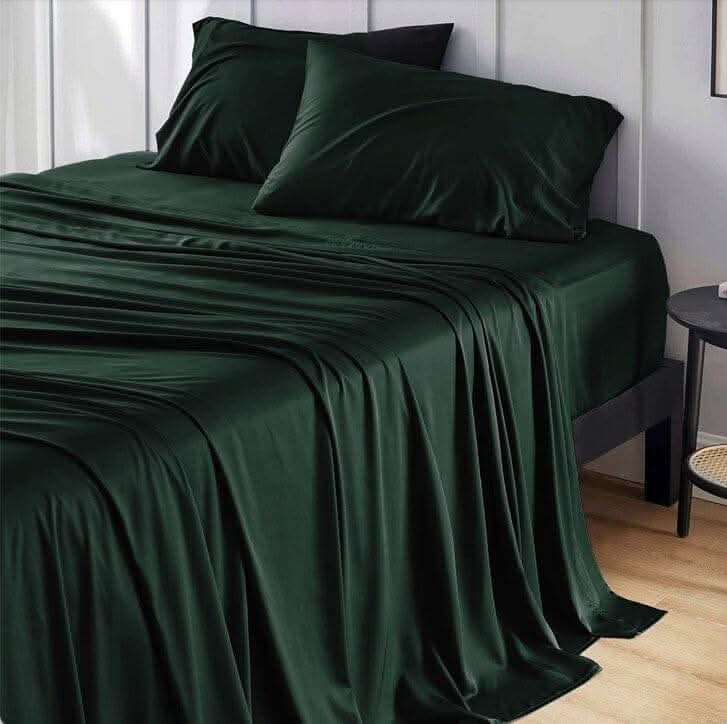
Bamboo bed sheets are prized for their softness, breathability and eco-friendly profile, making them a popular sustainable bedding choice. Keeping their quality demands specific care to preserve comfort and lifespan. This guide shows the best ways to wash, dry and care for bamboo sheets, answers common concerns and gives practical tips. Understand the fabric's properties, and you can maintain softness and reduce wear. We'll cover washing, drying, stain removal and general care to keep your bamboo bedding in top condition.
Bamboo fibres are known for their strength, softness and breathability, which make them well-suited for textile manufacture.
Washing Techniques:
Washing bamboo sheets correctly helps preserve their softness and durability. Bamboo is a delicate fabric and benefits from gentle handling. Use the following techniques:
- Use Cool to Warm Water: Washing bamboo sheets in cool to warm water helps preserve the fibres and prevents shrinkage.
- Gentle Cycle Recommended: Opt for a gentle cycle on your washing machine to minimise agitation, which can lead to pilling and wear.
- Mild, Phosphate-Free Detergent: Choose a mild, phosphate-free detergent to avoid harsh chemicals that can degrade the fabric over time.
Follow these steps, and your bamboo sheets will stay soft and comfortable for years.
Drying Techniques:
Drying correctly protects the integrity of bamboo fibres. Use careful methods to avoid heat damage and preserve colour.
- Tumble Dry on Low Heat: If using a dryer, select a low heat setting to prevent overheating, which can lead to shrinkage and damage.
- Line Dry in Shade: Whenever possible, line drying in a shaded area is ideal as it helps maintain the fabric's colour and prevents fading.
- Remove Promptly to Minimise Wrinkles: Take your sheets out of the dryer or off the line promptly to reduce wrinkles and maintain their smooth texture.
Use these drying tips to keep your bamboo sheets looking fresh and feeling soft.
Stain Removal Tips:
Stains can be removed effectively if you act carefully. These practical steps protect the fabric while treating common marks.
- Blot Stains Immediately: Act quickly by blotting stains with a clean cloth to absorb excess liquid before it sets.
- Use Mild Detergent Solutions: For most stains, a solution of mild detergent and water can effectively lift the stain without harming the fabric.
- Avoid Harsh Chemicals: Steer clear of bleach and other harsh chemicals, as they can weaken the fibres and cause discolouration.
How Do Different Stain Types Affect Bamboo Fabric and Its Specific Treatments?
Different stains need tailored treatments to avoid damaging bamboo fibres. For example:
- Oil Stains: These can be treated with baking soda, which absorbs the oil before washing.
- Protein Stains: Such as blood or sweat, should be rinsed with cold water to prevent setting.
- Tannin Stains: For stains from coffee or tea, a vinegar solution can be effective in breaking down the tannins.
Which Eco-Friendly Detergents Are Best for Treating Bamboo Sheet Stains?
Choose eco-friendly detergents that are gentle on bamboo fibres. The best options include:
- Mild, Liquid, pH-Neutral Detergents: These are effective in cleaning without damaging the fibres.
- Biodegradable Options: These detergents are not only safe for your sheets but also for the environment.
- Avoid Harsh Chemicals: Always choose products free from bleach and phosphates to maintain the integrity of the fabric.
More people are choosing eco-friendly detergents because of concerns about the environmental impact of traditional cleaning agents.
Overall Care Advice:
Keep your bamboo sheets in excellent condition by following a few simple care practices:
- Wash Every 1-2 Weeks: Regular washing helps maintain hygiene and freshness.
- Store in a Dry, Ventilated Spot: Proper storage prevents moisture buildup, which can lead to mould and mildew.
- Rotate Between Multiple Sets: Using multiple sets of sheets allows for even wear and prolongs the life of each set.
These practices help you enjoy the luxurious feel of your bamboo sheets for longer.
What Are the Most Effective Techniques for Removing Stains from Bamboo Bedding?
Quick action makes stains easier to remove. Use gentle cleaners and avoid harsh treatments. Always test any solution on a small, hidden area first to check for changes to colour or texture.
How Can You Properly Dry Bamboo Sheets to Avoid Damage and Shrinkage?
Air drying is preferred to maintain softness and avoid high-heat exposure. If you use a dryer, choose a low-heat setting and remove sheets promptly to reduce wrinkles and shrinkage.
What Are the Best Drying Methods for Bamboo Fabric?
- Air Drying: This method preserves the fabric's softness and prevents shrinkage.
- Low-Heat Tumble Drying: If necessary, use a low-heat setting to avoid damage.
- Avoid Overdrying: Ensure that the sheets are not left in the dryer for too long, as this can lead to excessive wear.
How Should Bamboo Bedding Be Stored to Maintain Freshness and Longevity?
- Ensure Complete Dryness Before Storage: Always make sure your sheets are completely dry to prevent mould growth.
- Use Breathable Storage Options: Store sheets in breathable cotton bags or containers to allow air circulation.
- Store in a Cool, Dry Place: A cool, dry environment helps prevent moisture buildup and preserves the fabric's quality.
What Commercial Care Solutions Support Bamboo Bedding Maintenance in Fit-Out Projects?
In commercial settings, you need tailored care solutions, including sustainably sourced products, procurement support for bulk supplies and clear guidance for institutional laundering to help maintain bedding quality over time.
How Does Eco Toppers Ensure Quality and Sustainability in Commercial Bamboo Bedding Care?
Eco Toppers is committed to quality and sustainability in bamboo bedding care. They focus on ethical sourcing, use organic materials and minimise waste and energy use in manufacturing. That approach delivers high-quality, eco-friendly bedding solutions to customers.
This aligns with the qualities that make bamboo textiles a great sustainable choice.
What Are the Benefits of Using Eco-Friendly Detergents in Commercial Settings?
- Health and Hygiene Benefits: These detergents are safer for both users and the environment.
- Environmental Sustainability: Biodegradable options reduce the ecological footprint of laundry operations.
- Cost-Effectiveness: Eco-friendly detergents can be more economical in the long run due to their concentrated formulas and effectiveness.
What Common Questions Do Customers Have About Bamboo Bed Sheet Maintenance?
Customers often ask practical questions about caring for bamboo sheets. Clear answers help ensure correct care and longer product life.
- Washing Frequency Recommendations: It is advisable to wash sheets and pillowcases every 1-2 weeks, while duvet covers can be washed every 2-4 weeks.
- Dryer Usage Guidelines: If using a dryer, always opt for low heat and remove promptly to avoid wrinkles.
- Storage Conditions: Store bamboo sheets in a dry, ventilated area to maintain freshness.
How Do You Prevent Bamboo Sheets from Shrinking or Losing Softness?
Prevent shrinkage and loss of softness by using gentle wash and dry methods, ensuring sheets are fully dry before storing, and rotating between sets to even out wear.
What Are the Recommended Washing Frequencies for Bamboo Bedding?
For optimal care, follow these recommended washing frequencies:
- Sheets and Pillowcases: Every 1-2 weeks.
- Duvet Covers: Every 2-4 weeks.
- Quilts/Protectors: Every 3-6 months.
Following these guidelines helps keep your bamboo sheets comfortable and sustainable for years to come.
Frequently Asked Questions
Can bamboo sheets be ironed, and if so, what settings should be used?
Yes — you can iron bamboo sheets. Use a low to medium heat setting and iron while the sheets are slightly damp to smooth wrinkles without harming the fibres. Always check the care label and consider a pressing cloth for extra protection.
Are bamboo sheets hypoallergenic and suitable for sensitive skin?
Bamboo sheets are naturally hypoallergenic and a good choice for sensitive skin. The fibres are less likely to harbour dust mites, mould or bacteria, and the moisture-wicking properties help keep skin dry and comfortable, reducing irritation.
How do bamboo sheets compare to cotton sheets in terms of durability?
Bamboo sheets are generally durable thanks to the strength of the fibres. They resist fraying, fading and tearing and often retain softness and structure after multiple washes. High-quality cotton can also last, but proper care — gentle washing and low-heat drying — will extend bamboo's lifespan.
What is the environmental impact of bamboo sheet production?
Bamboo sheet production is often more environmentally friendly than conventional cotton. Bamboo grows quickly without the need for pesticides or fertilisers and can require less water. Choose reputable brands that follow sustainable practices to keep the overall impact low.
Can bamboo sheets help regulate body temperature during sleep?
Yes — bamboo sheets are known for good temperature regulation. Their breathable fibres allow airflow and wick moisture away from the body, helping you stay cool in warm conditions and comfortable when it's cooler, which supports year-round sleep comfort.
How should I handle pilling on bamboo sheets?
Pilling can occur from friction, but it is manageable. Wash on a gentle cycle and avoid mixing sheets with rough fabrics like towels. If pills appear, remove them gently with a fabric shaver or lint roller. Regular, proper care reduces pilling and keeps sheets smooth.
What should I do if my bamboo sheets develop a musty smell?
A musty smell usually means sheets weren't dried or stored properly. Wash with a mixture of white vinegar and water to neutralise odours, then ensure sheets are completely dry before storing in a cool, dry place. Regular washing and good ventilation prevent musty smells.