



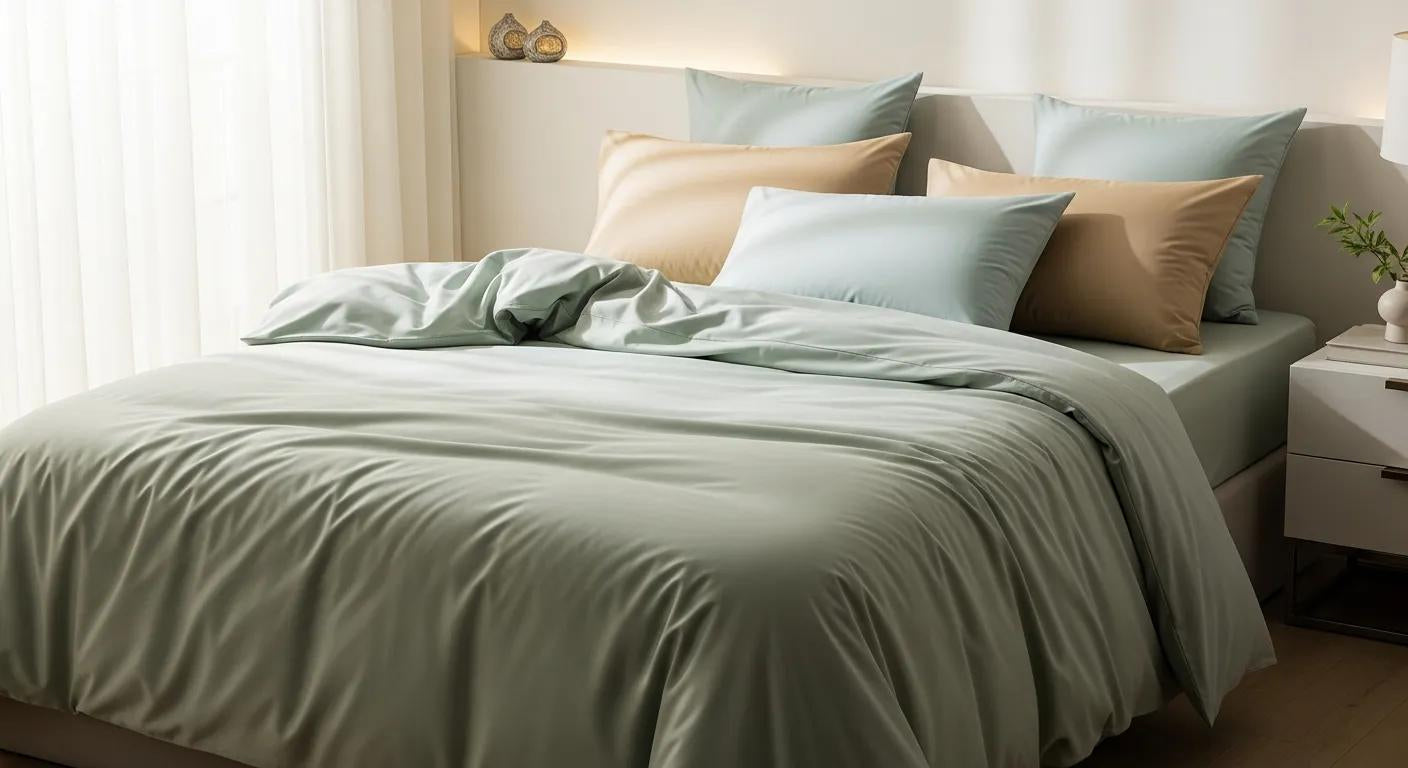
Elevate your sleep with lightweight bamboo bedding.
What you sleep on matters. Lightweight bamboo bedding combines breathable comfort with eco-conscious design, helping you stay cool, comfortable and more rested. Below, we walk through how bamboo’s natural qualities support better sleep, why it's kinder to the environment, practical care tips to keep it performing, and why outdoor lovers will appreciate it too.
What are the key benefits of bamboo bedding for better sleep?
Bamboo bedding improves sleep by creating a cooler, cleaner sleep surface. Its breathable fibres encourage airflow and help regulate temperature across the night — great if you tend to sleep hot. Bamboo is also naturally hypoallergenic, making it a sensible pick for sensitive sleepers or anyone battling dust mites and other common allergens.
How does bamboo fibre enhance breathability and comfort?
Bamboo fibres wick moisture away from the skin and let air circulate, which keeps you drier and more comfortable through temperature changes. That moisture management, combined with a silky-soft hand, makes bamboo feel luxurious while supporting steadier, deeper sleep — especially in warmer weather.
Why is bamboo bedding hypoallergenic and ideal for sensitive sleepers?
Bamboo resists dust mites, mould and mildew better than many fabrics, reducing common triggers for restless nights. It also has antimicrobial qualities that help limit bacterial growth on the surface — a practical advantage if you or your family are prone to allergies or respiratory sensitivity.
How does bamboo bedding support eco‑friendly and sustainable living?
Choosing bamboo bedding can be a simple way to lower your environmental footprint. Bamboo grows quickly, uses less water than many crops, and often needs fewer chemicals, making it a renewable raw material for textiles when produced responsibly.
What makes bamboo a renewable and organic bedding material?
Bamboo regenerates quickly and reaches maturity far faster than trees, allowing for regular harvests without long recovery cycles. Many bamboo crops also require fewer pesticides and less fertiliser than conventional crops, which makes bamboo an attractive option for shoppers seeking more natural bedding choices.
How does choosing bamboo bedding reduce environmental impact?
Bamboo cultivation typically uses less water and energy than conventional cotton farming, and its root systems can help protect soil from erosion. Switching to bamboo bedding supports more sustainable textile options, provided the fabric is produced using responsible, low‑impact processes.
Which features make bamboo bedding perfect for breathable summer sleep?
For hot nights, bamboo bedding is a strong contender: it’s lightweight, breathable and designed to let heat escape while wicking sweat away from the body. That combination keeps you cooler and less disrupted by night sweats.
How does lightweight bamboo bedding regulate temperature?
Because bamboo fibres draw moisture away and promote airflow, they help stabilise micro‑climate next to your skin. That natural moisture control prevents clamminess and supports a comfortable body temperature — ideal for restful summer sleep.
What are the advantages of bamboo bedding over traditional fabrics in warm weather?
Compared with cotton or many synthetics, bamboo often allows better air circulation, traps less heat and feels softer against the skin. That means cooler nights and a more comfortable sleep experience when temperatures climb.
How should you care for and maintain your bamboo bedding?
Simple care keeps bamboo sheets feeling soft and performing well. Follow the label instructions and avoid harsh treatments that can break down fibres over time.
What are the best practices for washing and drying bamboo sheets?
Wash bamboo sheets in cold water on a gentle cycle and choose a mild, eco‑friendly detergent. Skip bleach and strong fabric softeners. Air‑dry when you can, or tumble on low heat — high temperatures risk shrinkage and fibre damage.
How can proper care extend the life of bamboo bedding?
Gentle washing, low drying temperatures and storing sheets in a cool, dry place will preserve fibre integrity and prevent mould or mustiness. Those straightforward habits help your bamboo bedding stay comfortable and last longer.
Why is bamboo bedding a great choice for outdoor enthusiasts?
Bamboo bedding’s light weight, breathability and moisture‑wicking ability make it an excellent travel companion for camping, caravanning or overnight trips where packability and comfort matter.
How does bamboo bedding enhance comfort during outdoor activities?
Its soft hand and breathability keep you comfortable in a variety of conditions, while the moisture‑managing fibres help prevent clammy nights. Bamboo bedding packs down small and is easy to carry, making it a practical addition to your outdoor kit.
What makes bamboo bedding durable and suitable for outdoor use?
Bamboo fibres are naturally strong and resist wear and tear, and their antimicrobial tendencies help keep fabrics fresher between washes. That resilience makes bamboo bedding a sensible choice for repeated outdoor use.
Frequently Asked Questions
Can bamboo bedding help with temperature regulation during sleep?
Yes. Bamboo fibres breathe and wick moisture, which helps you stay cool and dry — especially useful in warm weather or if you naturally sleep hot. That improved temperature control can reduce nighttime disturbances and support better sleep.
Is bamboo bedding suitable for people with sensitive skin?
Absolutely. Bamboo is naturally hypoallergenic and gentle on skin. It resists dust mites, mould and mildew, and the soft texture reduces friction, making it a good option for those with skin sensitivities.
How does bamboo bedding compare to cotton in terms of sustainability?
Bamboo is generally more water‑efficient and can be grown with fewer chemicals than conventionally farmed cotton, which makes it a more sustainable raw material in many cases. Keep in mind that fabric processing matters — look for transparent, low‑impact manufacturing to retain those benefits.
What should I look for when purchasing bamboo bedding?
Check whether the product is 100% bamboo or a bamboo blend, look for certifications such as OEKO‑TEX or GOTS for chemical safety, and read care instructions to ensure longevity. Reviews and clear manufacturing information also help you choose a responsibly made product.
Can bamboo bedding be used year‑round?
Yes. Bamboo’s breathability and moisture control make it cool enough for summer, while its natural insulating qualities provide comfort in cooler months. It’s a versatile choice across seasons.
How does the manufacturing process of bamboo bedding impact its eco‑friendliness?
The raw bamboo plant is sustainable, but conversion to fabric can vary. Some processes use chemicals that reduce environmental benefits. Choosing brands that prioritise green manufacturing and transparency helps ensure your bedding remains eco‑friendly from field to finished product.
What are the benefits of using bamboo bedding for outdoor activities?
Bamboo bedding is lightweight, breathable and easy to pack, making it great for camping or travel. It wicks moisture, stays comfortable against the skin and stands up well to repeated use — a convenient, comfortable option for outdoor sleep.