



Cool Comfort — Your Guide to Bamboo Blankets
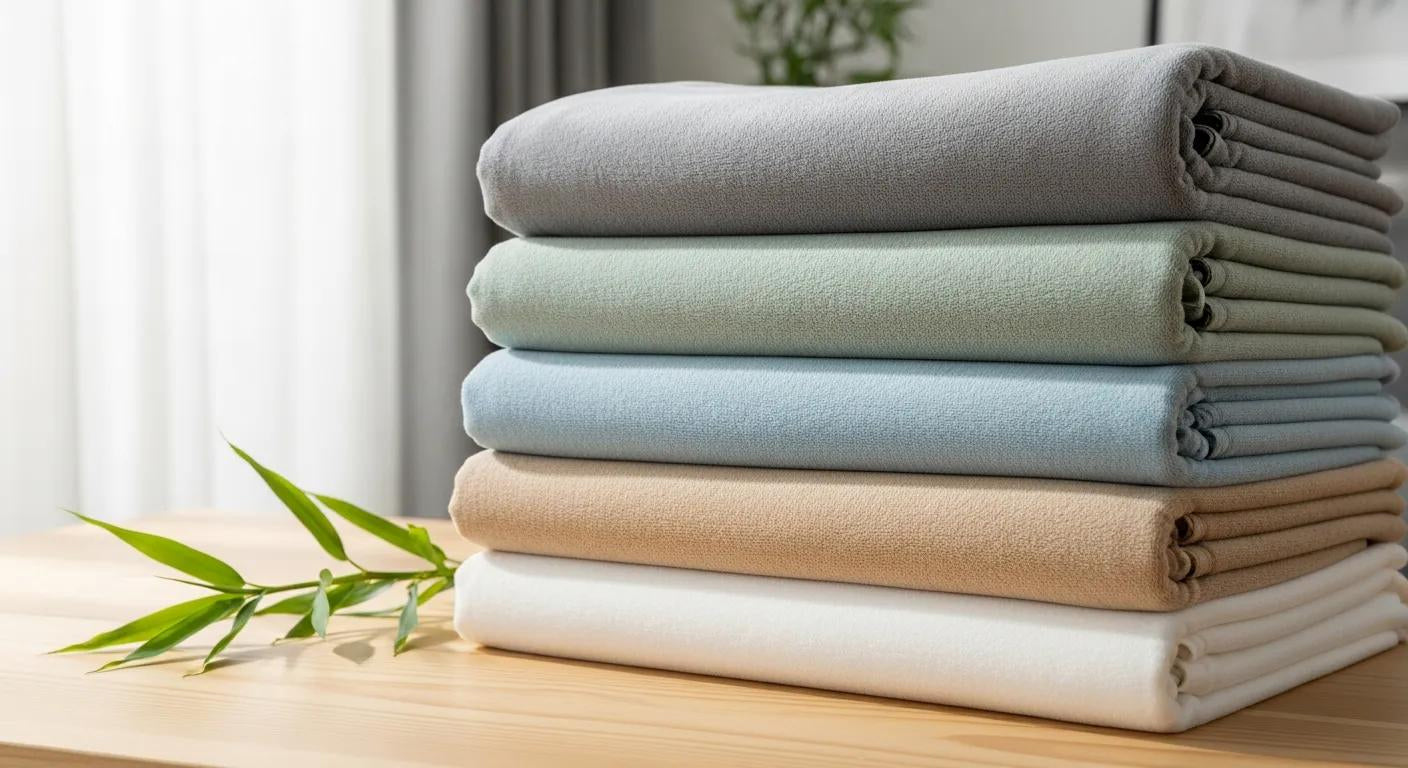
Warm, restless nights are common across Australia come summer. Choosing the right blanket can make a real difference – stopping overheating and the clammy feeling that wakes you up. Bamboo blankets are lightweight, breathable covers made from bamboo-derived fibres that help regulate temperature and pull moisture away from the skin, keeping you comfortably cool through the night. This guide breaks down how bamboo fibres work, what to look for when picking a cooling bamboo blanket, and simple care tips to keep breathability and lifespan intact. We also map product choices and sustainability points so you can match fabric, weave and weight to how you sleep. First, we cover the benefits, then practical selection tips, EcoToppers examples, and finally buying advice and real-world results. EcoToppers specialises in eco-friendly bedding — our bamboo quilts and blankets focus on comfort, breathability and sustainable materials, and we reference our options where they help illustrate the points below.
It's widely known that bedding materials play a key role in regulating body temperature and supporting better sleep.
What makes bamboo blankets great for an Australian summer?
Bamboo blankets combine natural fibre structure and manufacturing techniques to keep you cool in warm weather. Their fibres encourage airflow and wick moisture away from skin, which reduces trapped heat and supports evaporative cooling. That means less cling, fewer wake-ups from heat, and more consistent sleep for hot sleepers and people who sweat at night. Bamboo’s naturally smooth fibres are often processed to improve breathability, offering an effective alternative to heavier synthetic blankets that can trap warmth. Below, we unpack the thermoregulation and moisture‑transport details so you can see why bamboo performs well in humid, changeable Australian summers.
How do bamboo fibres thermoregulate and promote airflow?
Bamboo fibres help regulate temperature through their microstructure and capillary action. Processed bamboo fibres form tiny channels that can hold small pockets of air when it’s cool, and open up to allow convective airflow when you warm up—helping heat move away from the body. Compared with cotton or dense synthetics, bamboo weaves (particularly open or textured ones) create more surface area and small air channels that reduce thermal mass and help steady sleep temperature. These micro-gaps, paired with a lightweight build, give bamboo an edge for summer bedding where airflow and quick heat exchange matter most.
How does moisture-wicking keep you dry on hot nights?
Moisture-wicking in bamboo works by capillary action that moves sweat from the skin to the fabric’s outer surface, where it evaporates and cools you as latent heat is removed. That evaporation lowers dampness and stops the fabric clinging to your body — a common source of discomfort on warm nights. Good wicking also prevents lingering damp microclimates that hurt sleep and create odours, so pairing a bamboo blanket with breathable mattress protection helps the whole system work better. With this behaviour in mind, the next section explains how to pick materials and weights that maximise cooling and durability for summer use.
How to choose the best cooling bamboo blanket for summer
Picking the right bamboo blanket is about balancing fibre content, weight and weave with how you sleep — whether you run hot, sweat at night, prefer a light cover or need allergy-safe options. Start with fibre (100% bamboo vs blends), then look at weave (open waffle, knit or sateen) and weight labels (lightweight/summer weight) to match your climate and thermoregulation needs. Care instructions and build quality also affect long-term breathability: gentle washing, avoiding high-heat drying and storing flat or loosely folded help preserve the microstructure and wicking. The table below outlines material trade-offs, followed by a short checklist to help you decide quickly.
Different material choices bring predictable trade-offs in cooling, durability and care needs.
| Material Option | Cooling Performance | Recommended For |
|---|---|---|
| 100% bamboo fibre | Very high breathability and wicking | Hot sleepers and night sweats |
| Bamboo-cotton blend | Moderate cooling, increased durability | Budget-conscious sleepers wanting softness |
| Bamboo with light filling | Balanced warmth and airflow | Year-round versatility in mild climates |
This shows pure bamboo usually gives the best cooling, while blends can boost durability or offer a different value proposition. Use the checklist below to prioritise what matters most to you.
Bamboo blanket selection checklist:
- Material priority: Pick 100% bamboo fibre for the strongest cooling and wicking.
- Weave choice: Choose waffle or open weaves for extra airflow on hot nights.
- Weight selection: Go for lightweight or summer-weight blankets to avoid trapping heat.
- Care practicality: Check machine-wash guidance and avoid high-heat drying.
- Sleeper match: Match the blanket to whether you sleep hot, have allergies, and how you layer bedding.
Use these criteria to prioritise fibre and weave for cooling, then verify care and durability before you buy.
100% bamboo versus bamboo blends: which is best for hot nights?
100% bamboo fibre blankets typically deliver the strongest cooling and moisture-wicking because the natural fibre properties remain undiluted. Blends with cotton or synthetics can add strength and offer a more accessible option, but they often reduce breathability and slow moisture transfer, making them less ideal for heavy night sweats. If you need budget or durability compromises, a high-percentage bamboo blend can work — but hot sleepers should favour pure bamboo where possible. With proper care, pure bamboo tends to keep its cooling performance, making it a solid choice for consistently warm summers.
Weight, weave and care tips to keep cooling performance long-term
Weight labels like lightweight or summer weight usually mean lower GSM or thinner fill, which allows better airflow and faster heat loss — essential in Australian summers. Weave matters too: waffle and open knits encourage evaporation and trap minimal air, while dense sateen offers a softer hand-feel at the expense of a little airflow. Care routines that protect fibre alignment — gentle cold or warm washes, low-heat or air drying, and skipping fabric softeners — help keep wicking channels and texture intact. Following these simple care and construction choices will keep your blanket performing season after season.
EcoToppers bamboo blanket range for summer comfort
At EcoToppers, we offer a targeted range of bamboo bedding made to be breathable and summer-weight, with sustainability and hypoallergenic benefits in mind. Our range includes a lightweight Cooling Blanket built for maximum airflow, a Bamboo Waffle Blanket whose textured weave boosts ventilation, and a Bamboo Quilt Doona designed as a summer-weight quilt that layers easily. Each product suits a different sleeper: those who want minimal coverage, those who like a textured surface with breathability, and those who want a light, structured quilt for layering. The table below summarises composition, seasonality and typical use to help you match an option to your sleep needs.
Product comparison of EcoToppers summer bamboo blanket models.
| Product | Attribute | Value |
|---|---|---|
| Cooling Blanket | Composition | Bamboo-derived fibre, lightweight weave |
| Bamboo Waffle Blanket | Weave & Function | Textured waffle weave for enhanced airflow |
| Bamboo Quilt Doona | Seasonality | Summer-weight quilt, adaptable for layering |
EcoToppers product highlights:
- Cooling Blanket: Feather-light, highly breathable — perfect for hot sleepers who want minimal cover.
- Bamboo Waffle Blanket: Textured weave increases airflow while offering a light, cosy feel without trapping heat.
- Bamboo Quilt Doona: A summer-weight quilt that layers well with sheets or throws for flexible warmth.
Use these product examples to translate the material and weave choices above into real shopping decisions.
Cooling Blanket, Bamboo Waffle Blanket and Bamboo Quilt Doona — key features
The Cooling Blanket uses a thin, open weave that maximises airflow and quick moisture release — ideal for hot, humid nights. The Bamboo Waffle Blanket adds textured pockets that boost circulation while giving a slight loft for comfort without heat retention. The Bamboo Quilt Doona offers a light quilted structure for people who like a defined blanket with breathable fill and straightforward layering options. These differences help you choose the right model and build a layering system that maintains overnight thermoregulation.
Which EcoToppers blanket suits hot sleepers and night sweats?
If you sleep hot or regularly sweat at night, the Cooling Blanket is the clearest match — it keeps the least material between your skin and the air so temperature equalises quickly. If you like a tactile surface with some loft but still want airflow, the Bamboo Waffle Blanket balances texture and ventilation. Allergy-sensitive users or those wanting a versatile daytime-to-nighttime option may prefer the Bamboo Quilt Doona for its light structure and hypoallergenic attributes that help keep your sleep space fresh. These product-to-problem pairings make it easier to pick the right EcoToppers model for summer comfort.
Sustainability, health benefits and certifications for bamboo bedding
Bamboo is often seen as a sustainable fibre because many species grow quickly with low water and pesticide needs. When processed responsibly, bamboo can lower environmental impact compared with resource-heavy alternatives. Beyond sustainability, bamboo blankets can offer health benefits: the fibre structure and manufacturing methods can produce hypoallergenic, low-odour textiles that suit sensitive skin and allergy sufferers. When shopping, check for transparency around processing and certifications that confirm non-toxic finishes and safe dyeing — these labels help you assess environmental and health claims. Below, we look closer at hypoallergenic mechanisms and common certifications to watch for.
Hypoallergenic and antibacterial qualities of bamboo blankets
Bamboo fibres are frequently described as hypoallergenic because their smooth surface discourages dust build-up and gives fewer places for allergens to cling — a plus for allergy-prone sleepers. Some bamboo textiles also show antibacterial behaviour from fibre chemistry and production processes, which can reduce microbe growth that causes odours or irritation. This supports a fresher sleep environment with less frequent heavy laundering. Regular gentle washing and full drying preserve these properties by preventing allergen build-up and keeping wicking channels open. These benefits explain why many sensitive sleepers choose bamboo bedding as part of an allergen-reduction approach.
Certifications and environmental impact
Third-party certifications give you confidence about fibre safety and processing. Common standards to look for include OEKO-TEX, which tests for harmful substances, and GOTS for organic processing. Clear certification and origin information help shoppers compare lifecycle impacts, such as cultivation inputs and chemical processing. Practically, look for product pages that list certification credentials and sourcing notes so you can make informed comparisons. Certification transparency is a useful selection criterion when sustainability and health matter to you.
Shop and real-world results: reviews, offers and buying guidance
Customer feedback and practical buying steps translate technical benefits into everyday outcomes, showing how bamboo blankets perform in summer and what to expect after purchase. While product specs explain features, reviews often highlight cooling performance, better sleep continuity and reduced night sweats — useful insights for decision-making. Below are short testimonial-style summaries and a buying checklist covering sizes, typical investment, and care tips to help you buy with confidence. If you want product-specific details about our satisfaction policy, please contact us directly.
Customer testimonials and summer sleep improvements
Many customers report fewer wake-ups from heat after switching to bamboo blankets, with deeper, more restorative sleep through warmer months. Reviews commonly note reduced cling and faster moisture evaporation, especially when blankets are layered with breathable sheets and light mattress protection. These real-world experiences match the thermoregulation and wicking benefits above and can help confirm whether a specific model suits persistent night sweats or chronic overheating.
Practical buying guide: sizes, typical investment and care
Match blanket dimensions to your Australian bed size and desired overhang. Consider that the quality and complexity of the material and weave will influence the investment required, with pure bamboo often representing a premium choice compared to blended alternatives. Care matters: use gentle machine cycles, skip fabric softeners, and air-dry or tumble on low to preserve fibre structure and wicking. For product-specific questions or details about our satisfaction policy, please contact us directly.
Next steps: compare the material and weave notes above with product specs and customer feedback to find the best bamboo blanket for your summer sleep needs.
Frequently Asked Questions
1. Are bamboo blankets suitable for all seasons?
Bamboo blankets shine in warm weather thanks to their lightweight, breathable nature. They’re also versatile enough for cooler months when layered with heavier bedding. Because bamboo wicks moisture and helps regulate temperature, you can use the same blanket year-round if you adjust your layers — add a heavier quilt in winter and a light sheet in summer.
2. How do I care for my bamboo blanket to ensure longevity?
Follow the care label: wash on a gentle cycle with cold or warm water, avoid fabric softeners, and prefer air drying. If you use a dryer, choose a low-heat setting. Store flat or loosely folded to prevent creases. Regular, gentle care keeps the fibres’ wicking ability and texture working well for longer.
3. Can bamboo blankets help with allergies?
Yes. The smooth surface of bamboo fibres makes it harder for dust and allergens to cling, which benefits allergy sufferers. Some bamboo textiles also have antibacterial qualities that reduce odour and irritation. Together with regular washing, bamboo can be a helpful part of reducing allergens in your bedroom.
4. What certifications should I look for when buying bamboo blankets?
Look for certifications that verify safety and environmental standards, such as OEKO-TEX for harmful substances and GOTS for organic textile processing. These labels give third-party assurance about the product’s chemical safety and production practices, helping you choose healthier and more sustainable options.
5. How do bamboo blankets compare to cotton or synthetic fabrics?
Bamboo generally offers better moisture-wicking and breathability than cotton, and it outperforms many synthetics that tend to trap heat and sweat. Cotton is breathable but may not move moisture away as effectively; synthetics often hold heat. For cool, comfortable sleep in warm conditions, bamboo is a strong choice.
6. Are there environmental benefits to using bamboo blankets?
Bamboo grows quickly and typically needs less water and fewer pesticides than cotton, which can make it a more sustainable option. It also captures carbon and releases oxygen as it grows. When processed responsibly, bamboo blankets can have a lower environmental footprint than many other bedding choices.
7. What should I consider when choosing the weight of a bamboo blanket?
Choose a weight based on how you sleep and your climate. Lightweight or summer-weight blankets are best for hot weather because they allow more airflow. If you live somewhere cooler or prefer a bit more warmth, consider a medium-weight option. Match the blanket weight to your comfort preferences and typical temperatures.