





Discover the Benefits of Bamboo Bedding for Better Sleep: Eco-Friendly, Comfortable, and Hypoallergenic Solutions
Bamboo bedding has become popular because it delivers clear benefits for sleep. It’s eco‑friendly, comfortable and often kinder to sensitive skin. If you struggle with allergies or discomfort at night, bamboo can help. Below, we explain its sustainability, comfort and hypoallergenic features, compare it to conventional bedding, and highlight what Eco Toppers offer.
Eco-Friendly Properties
Bamboo bedding is valued for its lower environmental impact. Bamboo grows quickly and needs few resources, so it is a renewable option. Unlike cotton, which can demand lots of water and heavy pesticide use, bamboo can thrive in varied climates with less chemical input. Choosing bamboo supports more sustainable practices and less strain on the planet.
Bamboo is a rapidly renewable material that grows fast, absorbs a considerable amount of CO₂ and produces oxygen, making it an environmentally friendly choice.
Eco Toppers specialises in eco-friendly bamboo bedding, focusing on mattress toppers and sheets that use sustainable materials to improve sleep. Their approach lets customers enjoy comfortable nights while reducing environmental impact.
Comfort Level
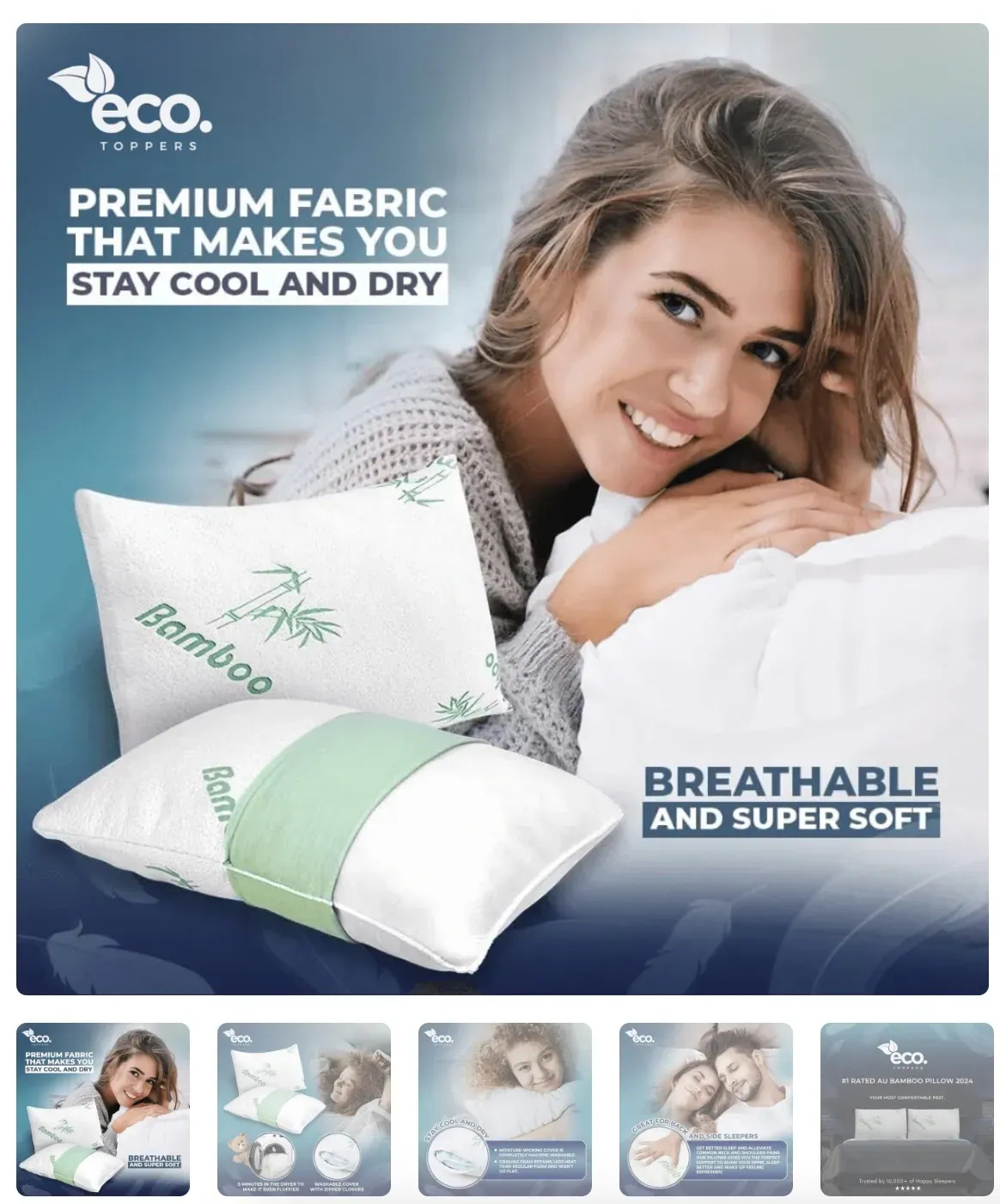
Bamboo fibres are naturally soft and breathable, creating a luxurious feel that supports better sleep. The fabric wicks moisture and helps regulate temperature, so you stay cool in summer and comfortable in winter. That makes bamboo bedding suitable for year-round use.
Eco Toppers offers bamboo sheets and mattress toppers designed to maximise comfort and provide a cosy sleep surface.
Hypoallergenic Solutions
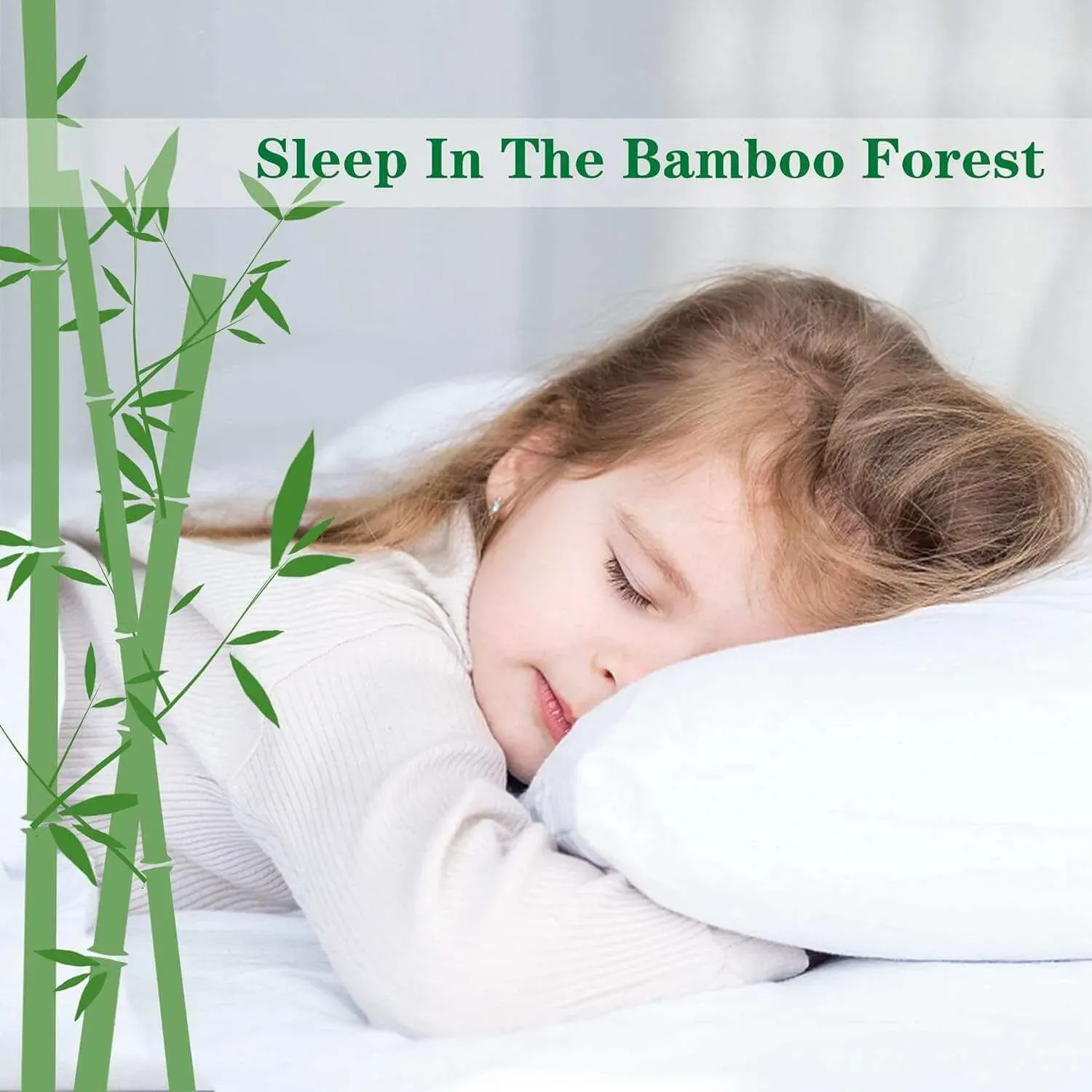
Bamboo bedding is a strong option for people with allergies or sensitive skin. Its natural fibres resist dust mites, mould and common allergens. That hypoallergenic quality helps create a healthier sleep environment and reduces the chance of irritation.
For those with allergies, switching to hypoallergenic bamboo bedding can lead to noticeable improvements in sleep. Bamboo’s antimicrobial traits also help keep the sleep surface cleaner, supporting better comfort and health.
Bamboo fibres naturally have antimicrobial properties, setting them apart from other natural materials.
What Are the Key Benefits of Bamboo Bedding for Sleep Quality?
Bamboo bedding delivers several practical benefits that can improve sleep quality:
- Eco-Friendliness: Bamboo is a sustainable resource that has a lower environmental impact compared to traditional materials.
- Comfort Level: The softness and breathability of bamboo fibres provide a luxurious sleeping experience.
- Hypoallergenic Properties: Bamboo's natural resistance to allergens makes it ideal for sensitive individuals.
How Does Bamboo Bedding Enhance Breathability and Comfort?
Bamboo’s fibre structure allows better airflow, helping to regulate body temperature and reduce overheating. Its moisture-wicking draws sweat away so you stay dry and comfortable. Together, these features support a more restful night.
Why Is Bamboo Bedding Ideal for Sensitive Skin and Allergies?
Bamboo is gentle on skin and naturally hypoallergenic, reducing the chance of irritation. Its antimicrobial qualities also limit bacterial and allergen growth, creating a cleaner sleep surface. That makes bamboo bedding a solid option for people prone to skin reactions or respiratory issues.
How Does Bamboo Bedding Compare to Cotton and Synthetic Alternatives?
Compared with cotton and synthetic fabrics, bamboo is often softer and more breathable, which improves comfort. It also generally requires fewer resources to produce. Synthetic materials can trap heat and moisture, making them less comfortable for sleep.
Bamboo bedding offers superior thermal comfort and mechanical properties compared with cotton and other blended fabrics.
What Makes Bamboo Bedding More Sustainable Than Cotton?
Bamboo bedding is considered more sustainable for several reasons. Bamboo grows faster than cotton, often reaching maturity in a shorter period compared to cotton's longer cycle. It typically needs less water and fewer pesticides, which lowers overall resource use. This reduced consumption helps cut the environmental impact of bedding production.
How Do Bamboo Sheets Perform Versus Synthetic Bedding Materials?
Bamboo sheets outperform synthetic options in key areas like breathability and moisture management. They help regulate temperature and are naturally hypoallergenic, which is beneficial for allergy sufferers. Synthetic fabrics can trap heat and moisture, which may cause discomfort and skin issues.
What Makes Bamboo Bedding an Eco-Friendly Choice?
Bamboo bedding is eco-friendly because it comes from fast-growing plants and uses fewer resources to produce. Its rapid replenishment and lower water needs make it a responsible choice. Choosing bamboo bedding lets you enjoy the benefits while supporting more sustainable practices.
How Is Bamboo Cultivated Sustainably for Bedding Products?
Sustainable bamboo cultivation focuses on minimising water use and avoiding harmful pesticides. Responsible harvesting methods ensure the plant continues to thrive. These practices contribute to the overall sustainability of bamboo bedding products.
What Environmental Benefits Do Bamboo Bedding Materials Offer?
Bamboo bedding materials offer several environmental benefits, including:
- Fast Growth: Bamboo can grow up to three feet in a single day, making it a highly renewable resource.
- Minimal Water Requirements: Bamboo requires significantly less water than cotton, reducing strain on water resources.
- Biodegradability: Bamboo products are biodegradable, meaning they break down naturally and do not contribute to landfill waste.
These points show the positive environmental impact of bamboo bedding and why it’s a responsible choice for many consumers.
How Should You Care for Bamboo Bedding to Maintain Quality?
To keep your bamboo bedding in good condition, follow simple care steps:
- Washing Instructions: Wash bamboo bedding in cold water on a gentle cycle to protect the fibres.
- Drying Methods: Air drying is best, but if you use a dryer, choose a low heat setting to avoid shrinkage.
- Storage Tips: Store bedding in a cool, dry place to prevent moisture build-up and keep it fresh.
What Are the Best Practices for Washing and Maintaining Bamboo Sheets?
To prolong the life of bamboo sheets, use mild detergents and avoid harsh chemicals. Do not use bleach, and if ironing is needed, use a low heat setting to protect the fabric.
How Does Proper Care Extend the Life of Bamboo Mattress Toppers?
Caring for bamboo mattress toppers extends their lifespan. Regular cleaning reduces allergens and bacteria. Using a mattress protector shields the topper from spills and stains, helping it stay in good condition for years.
What Do Customers Say About Bamboo Bedding from Eco Toppers?
Customer feedback on Eco Toppers' bamboo bedding highlights comfort and breathability. Many users report better sleep and value the products' sustainable credentials, which align with their environmental priorities.
Which Bamboo Bedding Features Do Customers Appreciate Most?
Customers particularly value the following features of bamboo bedding:
- Comfort and Pressure Relief: The softness of bamboo fibres provides excellent pressure relief for a restful night's sleep.
- Breathability and Temperature Regulation: Users enjoy the moisture-wicking properties that keep them comfortable throughout the night.
- Hypoallergenic Properties: Many customers report fewer allergy symptoms when using bamboo bedding, enhancing their overall sleep experience.
How Do User Reviews Reflect Bamboo Bedding’s Impact on Sleep?
User reviews consistently note improved sleep quality, with many customers citing reduced allergy symptoms and greater comfort. These combined benefits make bamboo bedding a popular choice for people seeking better rest.
Frequently Asked Questions
What is the lifespan of bamboo bedding compared to traditional materials?
Bamboo bedding typically lasts as long as high-quality cotton, often several years with proper care. Durability depends on usage, washing frequency and maintenance. Follow gentle washing and air-drying to maximise longevity.
Can bamboo bedding help with temperature regulation during sleep?
Yes. Bamboo's fibre structure improves breathability and airflow, which helps prevent overheating. Its moisture-wicking properties draw sweat away so you stay dry and comfortable—useful for night sweats or anyone who prefers a cooler bed.
Is bamboo bedding suitable for children and infants?
Bamboo bedding is well-suited to children and infants because it is soft and hypoallergenic. Its gentle fibres reduce the risk of irritation, and antimicrobial qualities help keep the sleep environment cleaner—something parents often appreciate.
How does the cost of bamboo bedding compare to cotton and synthetic options?
Bamboo bedding is generally considered a worthwhile investment due to its durability, comfort and sustainability. While it may be priced differently from cotton and synthetics, many find the benefits make it a valuable choice over time.
Are there any specific certifications to look for when purchasing bamboo bedding?
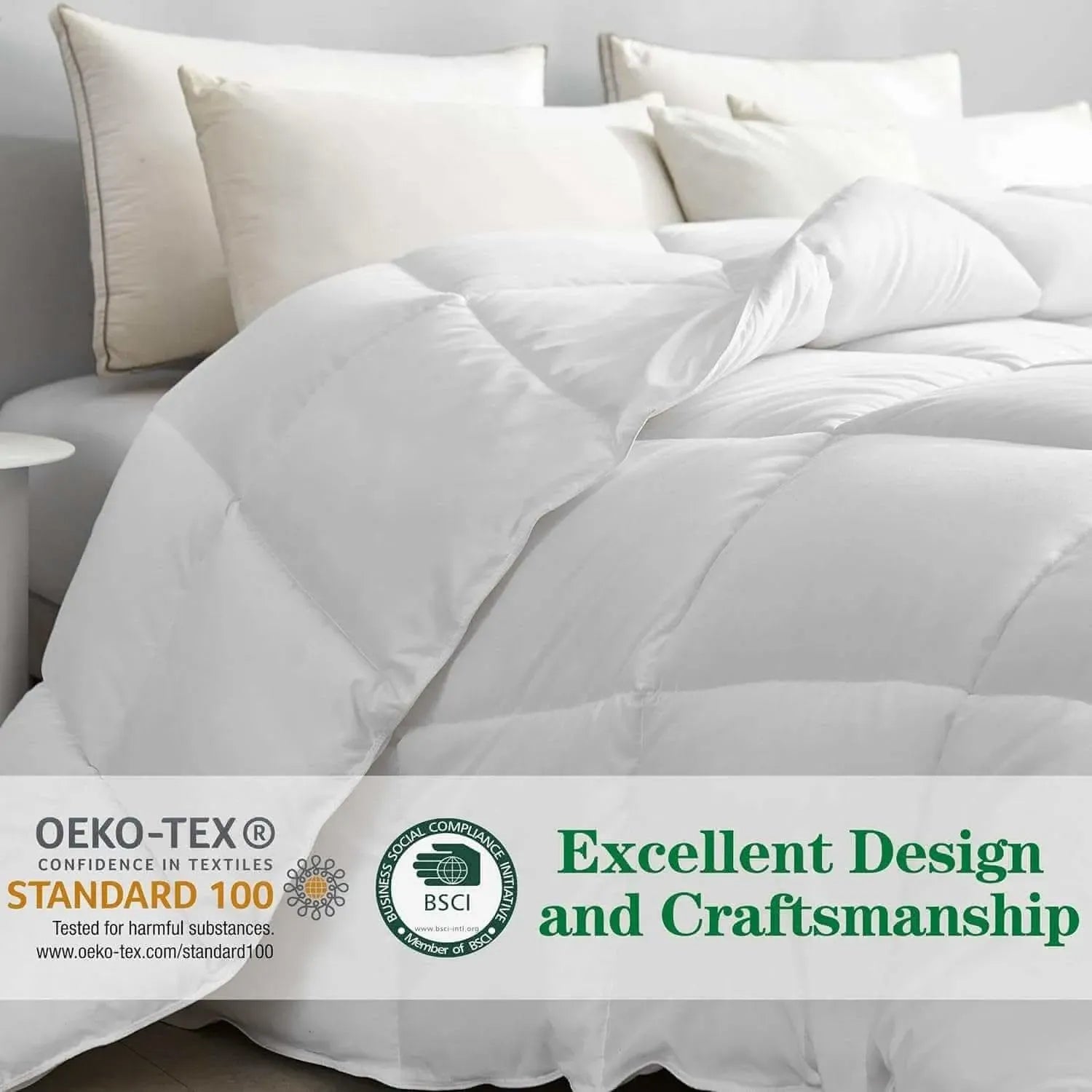
Look for certifications that confirm safety and sustainability, such as OEKO-TEX Standard 100 or GOTS. FSC certification can indicate responsible sourcing of bamboo. Certified products provide added assurance about chemical safety and environmental impact.
Can bamboo bedding be dyed, and are the dyes safe?
Bamboo bedding can be dyed. Choose products that use safe, low-impact or natural dyes. Check labels or certifications to confirm the dyes are non-toxic and produced with eco-friendly methods.
What should I consider when choosing the thread count for bamboo sheets?
Thread count matters, but it is not the only factor. A range of 300 to 600 generally balances softness and breathability. Also consider fibre quality and weave, and favour reputable brands that focus on materials and craftsmanship over simply a high thread count.