




Discover the Eco-Friendly Choice: Bamboo Sheets for Sleep
Bamboo sheets are a popular, sustainable bedding choice. Made from bamboo fibres, they offer softness, breathability and hypoallergenic benefits. This article explains key benefits, compares bamboo with cotton, provides simple care tips to extend lifespan, and shows why Eco Toppers’ bamboo sheets appeal to eco-conscious shoppers.
Benefits of Bamboo Sheets
Bamboo sheets deliver a mix of comfort, breathability, and allergy-friendly features that support a better night's sleep.
- Softness and Comfort: Bamboo sheets are known for their luxurious softness, often compared to silk or cashmere, providing a comfortable sleeping experience.
- Hypoallergenic Properties: The natural fibres of bamboo are resistant to dust mites and mould, making them ideal for allergy sufferers.
- Sustainability and Eco-Friendliness: Bamboo is a highly renewable resource that grows quickly and requires significantly less water than traditional cotton.
Together, these features make bamboo sheets a strong choice for people who want both comfort and sustainability in their bedding.
| Benefit | Description | Value |
|---|---|---|
| Softness | Luxurious feel comparable to silk | High |
| Hypoallergenic | Resistant to dust mites and mould | High |
| Eco-Friendly | Sustainable resource with low water usage | High |
How Do Bamboo Sheets Offer Natural Breathability and Hypoallergenic Comfort?
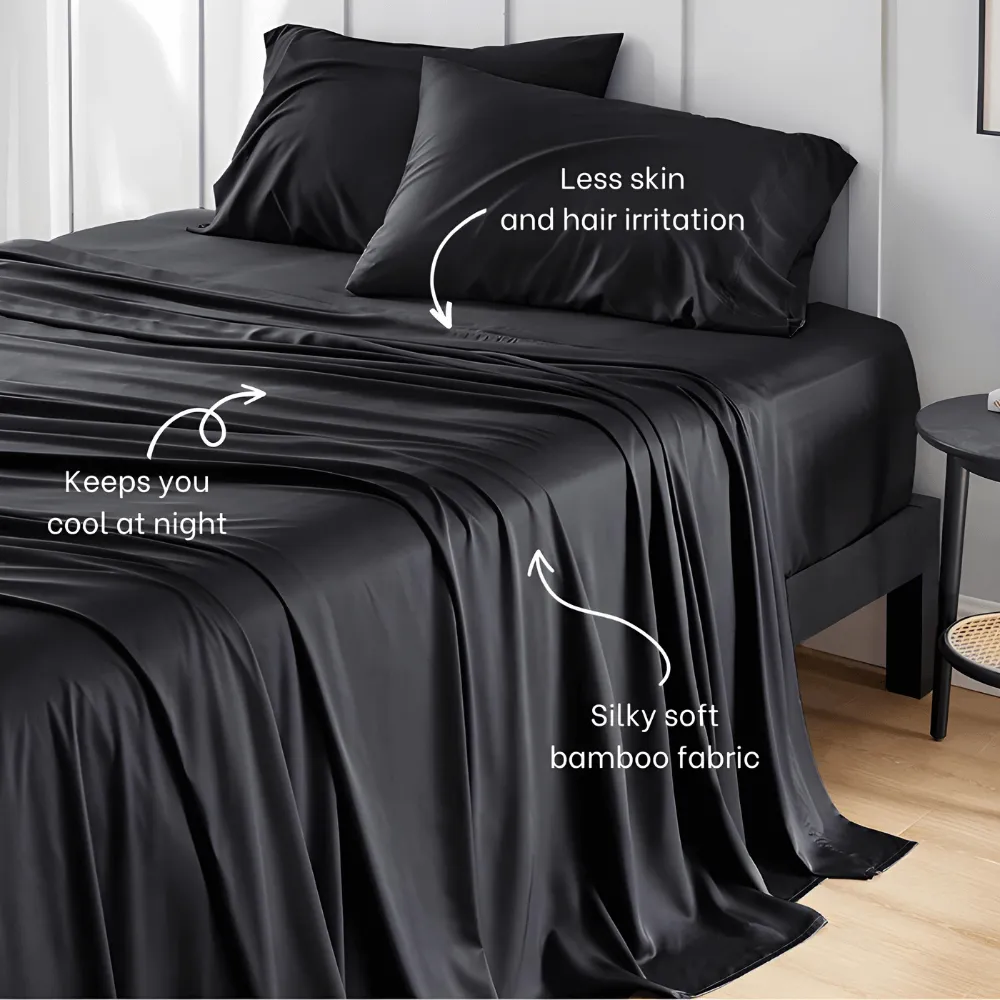
Bamboo sheets breathe well because their natural fibre structure allows more air to circulate than many synthetic materials. That helps regulate body temperature — cool in summer, warm in winter. Bamboo also wicks moisture away from the skin, keeping you dry. These properties reduce irritation and make bamboo sheets a good option for people with sensitive skin or allergies.
Why Are Bamboo Sheets Considered an Eco-Friendly Bedding Option?
Bamboo sheets are eco-friendly for a few clear reasons. Bamboo grows quickly and reaches maturity in months, so it’s highly renewable. It generally needs far less water and fewer pesticides than conventional cotton. And because bamboo is biodegradable, it breaks down naturally at the end of its life. Together, these factors make bamboo sheets a responsible pick for eco-minded consumers.
How Do Bamboo Sheets Compare to Traditional Cotton and Other Natural Bed Linens?
Compared with cotton, bamboo sheets are typically softer and more breathable, which improves comfort. Bamboo’s moisture-wicking properties help keep you dry, while cotton can retain moisture and feel less comfortable. From an environmental view, bamboo cultivation usually uses less water and fewer pesticides than cotton farming. Overall, bamboo offers a compelling alternative for those seeking both comfort and sustainability.
What Makes Bamboo Fabric More Sustainable Than Cotton?
Bamboo fabric is more sustainable than cotton for several reasons. It requires far less water — while cotton can use up to 20,000 litres per kilogram, bamboo needs only about 1,500 litres. Bamboo is naturally pest-resistant, so it often grows without harmful pesticides, producing a cleaner product. Its rapid growth also allows quicker harvesting, supporting longer-term sustainability.
How Does the Comfort and Durability of Bamboo Sheets Measure Up?
Bamboo sheets are both comfortable and durable. Their strong, resilient fibres withstand regular washing without losing softness or shape. With proper care, they can last many years, making them a worthwhile investment. Wash in cold water and avoid harsh detergents to preserve the fabric’s natural properties and extend its lifespan.
What Are the Best Practices for Caring for Your Bamboo Sheets to Ensure Longevity?
Follow these simple care steps to keep your bamboo sheets performing well:
- Washing: Use cold water and a gentle cycle to prevent damage to the fibres.
- Drying: Air dry when possible, or use a low heat setting in the dryer to avoid shrinkage.
- Storage: Store in a cool, dry place to prevent moisture buildup and mildew.
Stick to these care tips, and you’ll enjoy your bamboo sheets for years to come.
Why Do Environmentally Conscious Consumers Choose Eco Toppers’ Bamboo Sheets?
Eco Toppers’ bamboo sheets appeal to environmentally conscious shoppers because the brand focuses on sustainability and quality. The sheets are made from organic bamboo, avoiding harmful chemicals in production. Eco Toppers also prioritises ethical sourcing and responsible manufacturing, which adds to their appeal. The hypoallergenic nature of the sheets makes them suitable for people with allergies or sensitive skin, offering a comfortable and safe sleep environment.
What Sustainability Certifications and Quality Standards Does Eco Toppers Follow?
Eco Toppers follows recognised sustainability certifications and quality standards to ensure their products meet high environmental and safety benchmarks. These include:
- GOTS Certification: This certification guarantees that the bamboo used is organic and produced without harmful chemicals.
- OEKO-TEX Standard 100: This standard ensures that the sheets are free from harmful substances, making them safe for human use.
By meeting these standards, Eco Toppers demonstrates its commitment to offering high-quality, eco-friendly bedding options.
Frequently Asked Questions
1. Are bamboo sheets suitable for all skin types?
Yes. Bamboo sheets suit all skin types, including sensitive skin. Their hypoallergenic nature helps resist dust mites and mould, which can trigger allergies. Bamboo’s moisture-wicking properties keep the skin dry and reduce irritation, making these sheets a strong option for people with eczema or other sensitivities.
2. How do I know if my bamboo sheets are of high quality?
Look for certifications such as GOTS (Global Organic Textile Standard) and OEKO-TEX Standard 100. These indicate organic sourcing and low chemical use. High-quality bamboo sheets should feel soft and luxurious, often have a thread count of around 300 or more, and retain their softness after washing.
3. Can bamboo sheets help regulate temperature while sleeping?
Yes. Bamboo sheets regulate temperature through natural breathability. The fibres allow better air circulation, helping you stay cool in warmer months and warm in cooler nights. Their moisture-wicking action also draws sweat away, keeping you comfortable year-round.
4. How do bamboo sheets compare in price to cotton sheets?
Bamboo sheets can cost a little more than conventional cotton, mainly because of sustainable farming and processing. Many people find the extra cost worthwhile for the added comfort, durability and environmental benefits. Over time, their longer lifespan can make them a cost-effective choice.
5. Are there any specific washing instructions for bamboo sheets?
Wash bamboo sheets in cold water on a gentle cycle and avoid harsh detergents or bleach, which can damage the fibres. Air drying is preferable; if you use a dryer, choose a low heat setting to prevent shrinkage. These steps help extend the sheets’ lifespan.
6. What is the environmental impact of bamboo sheet production?
Bamboo sheet production generally has a lower environmental impact than conventional cotton. Bamboo grows quickly, needs less water and often requires no pesticides. It is also biodegradable, breaking down naturally at the end of its life. This makes bamboo sheets a responsible option for eco-conscious buyers.
7. Can I find bamboo sheets in different colours and patterns?
Yes. Bamboo sheets come in a variety of colours and patterns to suit different tastes. Many manufacturers offer options from simple solids to patterned designs. When choosing, check that the dyes used are eco-friendly to keep your purchase sustainable.
Conclusion
Bamboo sheets give a luxurious sleep experience while supporting sustainability and comfort. Their hypoallergenic, breathable properties make them well-suited to those with sensitive skin or allergies. Choosing Eco Toppers’ bamboo sheets means investing in quality bedding and backing eco-friendly practices. Explore our range of bamboo sheets and elevate your sleep.