



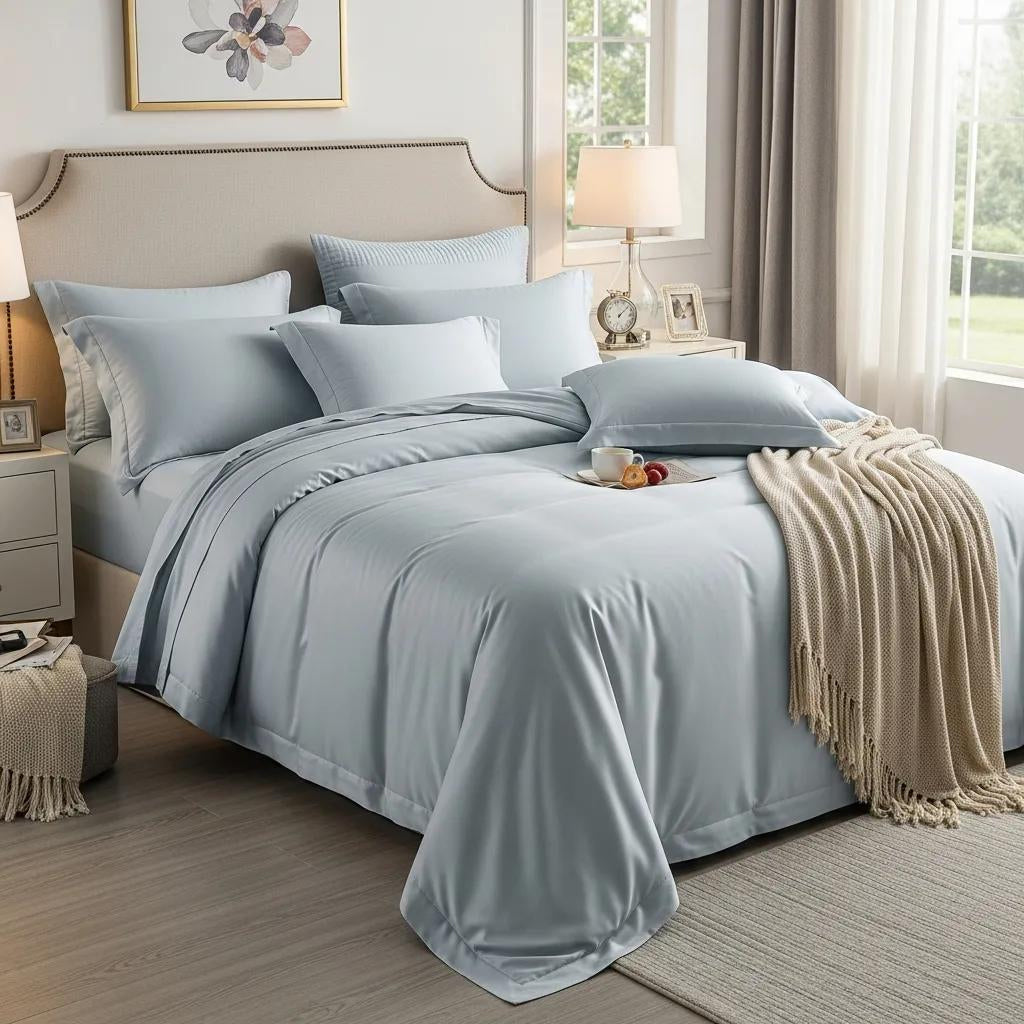
Discover the Luxury of Bamboo Bed Sheets in Australia — Your Guide to Organic, Eco-Friendly Bedding
Luxury bamboo bed sheets are made from organically grown bamboo fibre and give you a silky, breathable sleep surface with a lighter environmental footprint — perfect for Australians who care about comfort and sustainability. Their softness and cooling performance come from the fine structure of bamboo fibres and the weave used (commonly sateen or percale), creating a drapey fabric that feels cool to the touch. Many people choose bamboo for its blend of sleep comfort and wellbeing benefits: it’s naturally hypoallergenic, wicks moisture and is easy to care for. This guide explains why bamboo feels luxurious, how it supports health, and what to look for when choosing and caring for premium bamboo sheets in Australian homes. You’ll find clear comparisons of weaves and thread counts, a simple table of fibre properties, practical care tips to extend lifespan, and advice on sizes and styles suited to different Australian climates. We also outline how EcoToppers backs quality and sustainability for shoppers considering bamboo bedding.
What Makes Bamboo Bed Sheets a Luxurious Choice for Australian Sleepers?

Bamboo sheets feel luxurious because they combine very fine fibres with purpose-built weaves and moisture-management properties to deliver comfort and a refined look. Bamboo is often processed into lyocell or viscose; the thinner, smoother fibres give a satiny hand and excellent drape, while a sateen weave boosts sheen and softness. For Australian homes, that means sheets that feel cool in summer, are comfortable year‑round and look elegant on the bed. Knowing the differences in fibre type, weave and finishing helps you pick sheets that match your comfort needs and local climate. Below are the three main luxury benefits that make bamboo bedding stand out.
Bamboo sheets deliver three primary luxury benefits:
- Silk-like Softness: Fine bamboo fibres and sateen weaves create a plush, smooth surface that feels gentle on skin.
- Temperature Regulation: Breathable fibres and moisture-wicking reduce heat and keep you drier through the night.
- Health-Friendly Performance: Natural hypoallergenic and antibacterial tendencies lower irritants and suit sensitive skin.
These pillars — touch, temperature control and skin-friendly performance — explain bamboo’s appeal and point to the fibre and weave choices that create that luxe feeling.
How each property delivers real benefits is shown in the table below.
Different fibre and fabric properties produce luxury outcomes through specific mechanisms.
| Property | Mechanism | Benefit |
|---|---|---|
| Fine fibre diameter | Creates a smoother surface and better drape | Silk-like hand and luxurious feel |
| Sateen weave | Longer yarn floats and subtle sheen | Enhanced softness and a polished look |
| Porous microstructure | Wicks moisture and allows airflow | Temperature regulation and a dry sleep surface |
| Antibacterial tendencies | Reduces microbial adhesion | Less odour and fewer allergens |
| Durable staple length | Improves tensile strength | Longer life and reduced pilling |
This table shows how deliberate choices in fibre, weave and finish translate into the luxury attributes you’ll notice every night.
How Do Bamboo Fibres Provide Unmatched Softness and Comfort?
Bamboo fibres feel exceptionally soft because the raw fibres are very fine and smooth, allowing yarns to form light, drapey fabrics that glide over the skin. How the bamboo is processed — closed-loop lyocell or regenerated viscose — affects fibre consistency and environmental impact, but both start from a finer fibre than many other crops. A sateen weave, with longer yarn floats, emphasises that silky surface, while percale gives a crisper feel. When shopping, consider both fibre type and weave to get the tactile experience you want — plush and silky or cool and crisp. That understanding helps you choose sheets that meet both comfort and style expectations.
Why Is Temperature Regulation Key to Bamboo Bedding's Luxury Appeal?
Temperature regulation is central to the luxury of bamboo bedding because consistent comfort noticeably improves sleep. Bamboo-derived fibres have tiny micro-gaps and capillary channels that pull moisture away from skin and encourage evaporative cooling — a real benefit in Australia’s varied climates and for anyone who sleeps hot. The result is breathable, moisture-wicking bedding that feels cool on warm nights but still layers well in cooler months. For people who overheat or wake in sweat, these properties reduce nighttime disturbance and support deeper sleep. Knowing how bamboo manages heat and moisture makes it easier to choose the right weave and finish for your climate and sleeping style.
What Are the Health and Wellness Benefits of Organic Bamboo Bedding?

Organic bamboo bedding supports health and well-being by reducing common bedroom irritants and improving overall sleep comfort. Bamboo fibre’s lower moisture retention and smooth surface make it less friendly to dust mites, and some processing methods retain antibacterial properties that cut odour and surface bacteria. Those effects can lead to easier breathing for allergy-prone sleepers, less skin irritation and a fresher sleep environment. These benefits are strongest when bamboo is grown and processed with minimal chemicals and verified by recognised safety standards — so certification and traceability matter. The table below compares bamboo with a conventional natural alternative to highlight relative strengths.
| Material | Breathability | Durability | Environmental Impact |
|---|---|---|---|
| Bamboo lyocell | High | High | Generally low when processed in closed-loop systems |
| Cotton (conventional) | Medium | Medium‑High | Higher water and pesticide footprint |
| Bamboo viscose | High | Medium | Variable depending on chemical use during processing |
Bamboo’s health benefits show up in several common needs:
- Hypoallergenic support: Fibre traits and lower dust‑mite affinity reduce common allergens.
- Antibacterial freshness: Reduced microbial adhesion helps control odour and bacteria.
- Sensitive-skin comfort: Smooth fibres and organic growing methods lower irritation risk.
These advantages lead naturally to a closer look at how bamboo behaves against allergens and how to care for it.
How Do Bamboo Sheets Offer Hypoallergenic and Antibacterial Properties?
Bamboo sheets tend to be hypoallergenic and show antibacterial qualities because their fibre structure discourages dust mites and limits places where microbes thrive. Less moisture retention and a smoother surface reduce the micro-environments that dust mites and bacteria prefer. For you, that means fewer allergy triggers and fresher sheets between washes — especially helpful for sensitive sleepers. Maintaining these traits depends on correct care: gentle washing and avoiding harsh chemicals preserve the fibre surface and any natural resistance. Choosing certified, organic options and following recommended laundering keeps these benefits intact.
Can Bamboo Bedding Improve Sleep Quality for Sensitive Skin?
Yes — bamboo bedding can help sensitive skin by combining a silky hand, effective moisture control and lower chemical residue when sourced and processed responsibly. The result is reduced friction, less sweat-related irritation and fewer contact allergens, which together cut night-time itch and disruption. Look for OEKO-TEX Standard 100 verification and organically processed bamboo to lower reaction risk, and pick softer weaves like sateen to minimise abrasion. With proper care, these choices create a gentler sleep microclimate that supports longer, less interrupted nights for reactive skin types.
How Does EcoToppers Ensure Sustainability and Quality in Bamboo Sheets?
At EcoToppers, we design our bedding range around eco-friendly materials, proven sleep performance and customer-first principles. We prioritise organic bamboo grown without pesticides, temperature-regulating performance, hypoallergenic benefits and durable, machine-washable finishes. We want you to feel confident in your purchase, offering support and convenient delivery across Australia, so customers can try sets with confidence. Clear product specs, certifications and transparent sourcing help you judge whether a sheet set matches your sustainability and sleep priorities. For commercial or bulk enquiries, our published contact channels are ready for direct discussions.
We signal product trust with recognised safety practices and transparent sourcing:
| Quality Signal | What It Means | Consumer Benefit |
|---|---|---|
| Organic bamboo | Grown without pesticides | Lower chemical residues and smaller environmental impact |
| Machine-washable care | Durable finishing | Practical ease and longer-lasting sheets |
| Customer Confidence | We stand by our products | Peace of mind for your bedding choices |
What Is the Importance of OEKO-TEX Certification for Bamboo Bedding?
OEKO-TEX Standard 100 is an independent test that checks textiles for harmful substances and confirms they meet strict safety thresholds. That lab-based verification reduces the chance of skin irritation or exposure to unwanted chemical residues — particularly important for families and sensitive sleepers. For shoppers, OEKO‑TEX separates products that have been externally tested from those relying only on supplier claims, making it a practical selection criterion for premium bedding. When a product displays OEKO‑TEX certification, it builds trust and helps you care for the product to preserve its safety attributes. Prioritising verified goods supports long-term wellbeing.
How Is EcoToppers’ Bamboo Ethically Sourced and Manufactured?
EcoToppers sources organic bamboo grown without pesticides and works with manufacturers who focus on durability and performance. Our approach centres on sustainable feedstock, responsible processing and finishes that keep sheets temperature-regulating, hypoallergenic and machine-washable. We aim to be transparent about raw materials and care expectations because that clarity is the main trust signal for buyers evaluating ethical claims. Our quality assurances are designed to give you confidence whether you’re buying a set for home or placing a larger order.
Which Bamboo Sheet Sets Are Best Suited for Australian Bedrooms?
Choosing the right bamboo sheet set for an Australian bedroom means matching size, weave, and finish to your mattress, personal comfort and local climate. The rule is simple: pick a weave for the hand you prefer (sateen for silky softness, percale for crisp breathability), choose fibre type (lyocell for a strong eco-profile and excellent breathability), and select the right size and colour to suit Australian bed standards. The payoff is a sleep surface that performs across hot, humid, temperate or cool zones and complements your room’s style. The table below helps you compare common sheet set options at a glance before you view specific product pages.
| Sheet Set | Weave / Thread Count | Size Example | Typical Finish |
|---|---|---|---|
| Bamboo sateen sheet set | Sateen / ~300 TC | Queen (AU) | Silky sheen with a soft drape |
| Bamboo percale sheet set | Percale / ~200–250 TC | King (AU) | Crisp, breathable finish |
| Fitted bamboo sheet | Knit or woven / tailored depth | Super King (AU) | Snug fit with elastic edges |
When deciding, consider these buying tips:
- Choose sateen for a luxurious, silky feel; choose percale for cool, crisp comfort.
- Match fitted-sheet depth to your mattress and any topper to avoid slipping.
- Pick neutral colours for long-term styling flexibility in Australian homes.
Next, a short explainer on how thread count interacts with fibre type and weave.
What Sizes, Weaves, and Colours Are Available in Bamboo Sheets?
Bamboo sheet sets are available in Australian sizes like Queen, King and Super King, with fitted and flat options that suit local beds and mattress toppers. Weaves commonly include sateen for a soft, luminous finish and percale for a cooler, crisper hand. Colours range from classic neutrals to muted contemporary tones that suit modern Australian décor. Colour choice and weave affect both performance and appearance: lighter shades reflect heat and suit warmer rooms, while deeper tones add visual warmth in cooler spaces. A simple styling tip is to layer a sateen sheet under a lighter coverlet to combine a luxury feel with flexible temperature control.
How Does Thread Count Affect the Feel and Durability of Bamboo Sheets?
Thread count is less important for bamboo sheets than fibre quality and weave. High-quality bamboo lyocell with a moderate thread count often feels and performs better than a very high-count sheet made from lower-grade fibres. Because bamboo fibres are finer, fewer yarns can achieve density and softness, so focus on fibre source, weave and finishing rather than an inflated thread-count number. Typical recommended ranges for bamboo are around 200–400 TC equivalent, depending on weave, but durability is more influenced by staple length, finishing and proper care. Keep these factors in mind to avoid common misconceptions and pick sheets that last.
How Should You Care for and Maintain Luxury Bamboo Bed Sheets?
Good care keeps bamboo sheets feeling soft, working as intended and retaining any certifications — and it extends their useful life. The essentials are gentle washing, low-heat drying and sensible storage. The idea is to avoid mechanical abrasion, harsh chemicals and high temperatures that can damage fibre and finishes. Follow these straightforward steps for everyday maintenance and long-term preservation.
- Wash on a gentle cycle with cold or warm water and a mild liquid detergent.
- Avoid bleach and fabric softeners — they break down fibre and reduce moisture-wicking.
- Tumble-dry on low heat or line-dry in the shade to protect fibre structure and colour.
- Store folded in a cool, dry place and rotate sheet sets to spread wear.
These steps help prevent pilling and shrinkage and preserve softness and fit over many washes.
What Are the Best Practices for Washing and Caring for Bamboo Bedding?
Best practice is to use gentle detergents, choose low-agitation cycles and avoid extreme temperatures when washing and drying. Mechanical stress and harsh chemicals weaken fibres and finishes, reducing softness and moisture-wicking. If you notice minor pilling or shrinkage, gentle reshaping and low-heat drying can often restore fit; persistent problems may mean it’s time to retire a set. Always follow manufacturer care labels in addition to these guidelines to maintain both feel and any safety certifications. Proper care supports long-term comfort and sustainability.
How Can Proper Care Extend the Life of Bamboo Sheets?
Proper care limits tensile and surface damage during washing, avoids chemical degradation and reduces how often you need to replace sheets. Rotating sets, treating stains promptly and using correct drying temperatures will help maintain softness and structure. A simple routine — washing every one to two weeks for regular use, storing sets in breathable containers and avoiding long sun exposure — keeps sheets performing well for years. When cared for, bamboo sheets retain their luxury hand and functional benefits, delivering better long-term value.
What Do Australian Customers Say About Their Experience with Bamboo Sheets?
Australian customers frequently praise comfort, cooling performance and sustainable credentials as key reasons for choosing bamboo bedding. Reviews commonly mention a silk-like softness after switching, improved breathability for hot sleepers and reassurance from organic sourcing claims. Practical durability and machine-washable finishes also influence buying decisions, especially for households seeking everyday luxury. These recurring themes help new buyers set realistic expectations before purchase.
Customer feedback across climates highlights consistent performance patterns:
- Comfort and Softness: Many customers notice an immediate improvement in hand and sleep comfort.
- Sustainability Mentions: Organic sourcing and lower chemical use are frequently valued.
- Temperature Performance: People in hot, humid areas particularly appreciate moisture-wicking benefits.
What Are Common Testimonials Highlighting Comfort and Sustainability?
Common customer comments focus on the immediate softness and the peace of mind that comes with sustainable sourcing. Reviewers often describe the drape and sheen of sateen-style sets as noticeably different from standard cotton, and many mention that organic claims reduce worries about pesticide exposure. Positive remarks about machine-washable durability and our commitment to customer satisfaction also appear regularly, which reassures buyers ordering full sets or supplying larger properties. These consistent themes give prospective purchasers a clear picture of what to expect.
How Do Bamboo Sheets Perform in Different Australian Climates?
Bamboo sheets work well in hot, humid northern regions by offering moisture-wicking and breathable comfort, and in cooler southern climates, they layer well with toppers or blankets to retain warmth without bulk. Think in terms of adaptable layering: bamboo’s breathability keeps you dry in summer, while lightweight sheets add softness under heavier blankets in winter. For the hottest areas, choose percale or a lower-thread-count sateen; for cooler regions, pick deeper colours and add insulating layers. These regional tips help you choose the right weave and set combination for local climate needs.
Frequently Asked Questions
What are the environmental benefits of choosing bamboo bed sheets?
Bamboo sheets are an eco-friendlier option because bamboo grows quickly, needs less water than many other crops and can be cultivated without pesticides or fertilisers. When processed as lyocell in a closed‑loop system, production waste and chemical use are minimised. Bamboo is also biodegradable at the end of life, so choosing it aligns with environmentally conscious values.
How do I know if my bamboo sheets are of high quality?
Look for recognised certifications like OEKO‑TEX Standard 100, which confirms textiles have been tested for harmful substances. Check the fibre type — bamboo lyocell typically offers a stronger eco-profile and consistent performance — and consider weave and finishing as much as thread count. A moderate, well-made sheet with high-quality fibre and a suitable weave usually outperforms a higher thread-count product made from lower-grade material.
Can bamboo sheets help with allergies?
Yes. Bamboo’s natural properties and lower moisture retention make it less attractive to dust mites and help discourage mould and bacteria. Its smooth surface can also reduce skin irritation. For allergy sufferers, choosing certified, organically processed bamboo and following correct care routines provides the best results.
What is the best way to store bamboo sheets?
Store bamboo sheets clean and completely dry to avoid mildew. Fold them neatly and keep them in a cool, dry spot away from direct sunlight, which can fade colours and weaken fibres. Breathable storage bags help protect against dust and pests, and rotating your sheet sets regularly will extend their life.
Are bamboo sheets suitable for all seasons?
Yes. Bamboo’s temperature-regulating and moisture-wicking properties make it suitable year-round. In warm months, it helps keep you cool and dry; in colder months, it layers well under blankets to provide comfort without bulk. That adaptability makes bamboo practical for varied climates and personal preferences.
How do bamboo sheets compare to cotton sheets?
Bamboo sheets often outperform cotton in softness, breathability and moisture management. Bamboo fibres are finer and smoother, giving a silk-like hand that many people prefer. Bamboo can also be better at regulating temperature. While cotton can be durable, high-quality bamboo sheets are often more resistant to pilling and can offer a longer-lived luxury feel when cared for properly.