



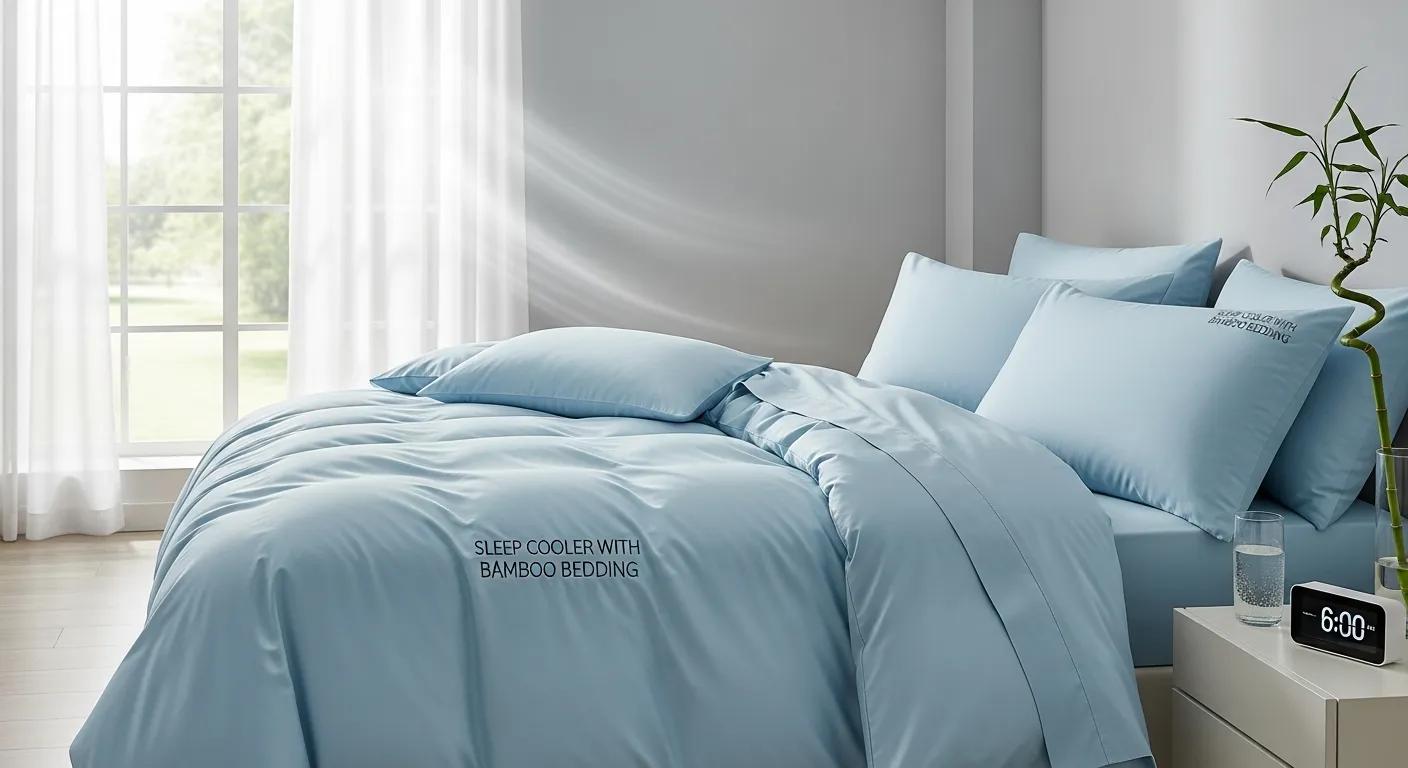
Sleep Cooler with Bamboo Bedding
Warm, restless nights and irritated skin are common around Australia’s hotter months. If you’re hunting for bedding that stays cool, feels luxe and is kinder to sensitive skin, bamboo is worth a look. Let's explore why bamboo sheets feel so soft, how they help hot sleepers stay comfortable, and why responsibly produced bamboo can be a kinder choice for our planet. We'll look at how they suit sensitive skin, what to consider for Australian homes, and the different sheet-set options to help you pick the right weight and fit. We'll also share practical care tips and straightforward buying advice so you can match sheets to your climate and sleep needs. By the end, you'll have a good idea of how bamboo compares to cotton and synthetics, and how eco-friendly bamboo bedding can fit into your routine for better sleep.
Why Choose Soft Bamboo Sheets for a Better Night’s Sleep?
Soft bamboo sheets pair a silky, comfortable feel with practical performance that can reduce overheating, skin irritation and the friction that wakes you up. Bamboo viscose and lyocell-style fabrics have smooth, fine fibres that drape over the body while letting air move—helping you sleep longer and wake less. Beyond the handfeel, bamboo often offers moisture-wicking and antibacterial qualities that cut night-time discomfort and reduce allergen build-up, which many sleepers find helps skin and breathing. Bamboo also appeals to people wanting lower-impact options because the plant grows fast and can need fewer resources than some conventional crops. It's easier to pick the right sheets when you know how these benefits work. Let's dive into what makes bamboo so soft and how it stacks up against cotton.
What Gives Bamboo Sheets Their Soft, Comfortable Feel?
Bamboo sheets feel so soft because the raw fibre is turned into long, fine filaments with a smooth, rounded surface that glides over skin. That structure reduces friction, creating a silk-like texture that often becomes even softer after a few gentle washes as the weave relaxes. Methods like viscose or lyocell keep the fibre diameter fine, which helps the fabric drape and feel plush compared with many cottons. Treating your sheets gently—using mild detergent and avoiding high-heat drying—protects the surface and keeps them feeling soft. Understanding how to care for them makes it simple to keep that lovely soft feeling.
How Bamboo Sheets Improve Sleep for Australians
Bamboo bedding helps sleep by combining breathability, moisture control and a soft surface that reduces tossing and skin irritation—especially useful in Australia’s warm or humid regions. Bamboo’s moisture-wicking moves sweat away from the skin, helping maintain a stable microclimate at the mattress surface so you can sleep for longer stretches. Its hypoallergenic tendencies and antibacterial surface can reduce irritation and minor inflammation that wakes sensitive sleepers. For anyone dealing with seasonal humidity or summer heat, switching to bamboo often brings noticeable improvements in sleep continuity and overall comfort.
Key tactile and sleep benefits of bamboo sheets:
- Silky, low-friction surface that improves comfort and reduces skin rubbing.
- Effective moisture-wicking to help control night sweats.
- Breathable drape that supports airflow and steadier temperature through the night.
These features make bamboo a strong option for sleepers who want both luxe softness and practical cooling. Next, we explain how bamboo manages heat for hot sleepers.
How Cooling Bamboo Sheets Help Hot Sleepers Stay Comfortable
Bamboo sheets regulate temperature through a breathable fabric structure, strong moisture-wicking and good thermal transfer that pulls heat away from the skin. The tiny gaps between fine bamboo fibres encourage airflow while the fibre’s ability to quickly absorb and release moisture prevents cling and overheating. The result is a drier, cooler microenvironment that reduces wake-ups from thermal discomfort. Choosing lighter fabric weights and more open weaves boosts these cooling effects, so picking the right construction and care routine is key for hot sleepers. Let's look at how bamboo's unique features help keep you cool.
Which Bamboo Features Control Temperature?
Bamboo’s temperature control comes from both the fibre’s chemistry and the way the fabric is made: fibres wick moisture, and a breathable weave lets air carry heat away. The fibres’ thermal conductivity moves warmth from skin to air, and that effect is stronger with looser weaves and lighter fabric weights made for summer. Thread count and finish matter too: a dense sateen feels heavier and can trap warmth, while percale- or twill-style weaves promote airflow and evaporation. Picking the right finish and weave lets you balance softness with cooling, depending on your preference and local climate.
Why Bamboo Sheets Work Well in Summer and for Night Sweats
Bamboo sheets suit summer and night sweats because they actively manage moisture and reduce cling, which lowers skin temperature and cuts wake-ups. Lighter-weight sheets and pale colours reflect more radiant heat and feel cooler in hot weather, while gentle washing and air drying protect the moisture-handling structure of the fibres. In humid areas, breathable sheets combined with a ventilated mattress cover increase airflow and boost cooling. Simple sleep-hygiene steps—like lowering room temperature before bed and wearing moisture-wicking sleepwear—work well alongside bamboo to reduce night sweats.
Practical tips for hot sleepers:
- Pick lighter fabric weights and open weaves for best airflow.
- Choose light colours in summer to reduce heat absorption.
- Wash gently and avoid high-heat drying to preserve moisture-wicking.
- Use breathable mattress protectors to improve convective cooling.
Following these tips keeps bamboo’s cooling performance in top shape and makes nights more comfortable. Next, we cover how bamboo supports sensitive skin.
Are Hypoallergenic Bamboo Sheets Right for Sensitive Skin and Allergy Sufferers?
Yes — for many people with sensitive skin or allergies, hypoallergenic bamboo sheets are a good choice. Bamboo fabric reduces moisture that attracts dust mites and often shows antibacterial properties that lower microbial build-up. The fabric’s smooth surface also reduces friction that can aggravate eczema or dermatitis. Regular washing, using encasements and following proper laundering routines further reduce allergen exposure and help keep skin calm. Knowing how bamboo helps reduce allergens and bacteria can give you peace of mind, especially if you're managing allergies.
How Bamboo Sheets Cut Allergens and Bacteria
Bamboo lowers allergens and bacteria by keeping bedding drier, offering a smooth surface that’s less hospitable to dust mites, and exhibiting antibacterial tendencies in regenerated fibres. Moisture-wicking pulls sweat away from skin, limiting the damp conditions mites prefer, and the smooth fibres discourage micro-organism adherence versus rougher fabrics. Regular washing at recommended temperatures removes allergens and keeps the fabric hygienic; choosing certified products also reduces the risk of residual processing chemicals. These factors explain why many allergy-prone sleepers find relief with bamboo. Let's see how bamboo bedding helps reduce common bedroom allergens.
Why Bamboo Bedding Is a Healthy Choice for Sensitive Australians
Bamboo bedding suits sensitive Australians because it addresses climate-related triggers like humidity and sweat while offering a gentle surface that reduces mechanical irritation. When choosing, prioritise verified processing details and easy-care construction that balances softness with airflow for your local conditions. Pairing bamboo sheets with hypoallergenic pillows and a regular washing routine boosts their health benefits. These steps help sensitive sleepers keep skin calm and breathing clearer across Australia’s varied climates.
- Choose breathable weaves and lighter weights for humid regions.
- Check for certifications where available.
- Wash often using gentle cycles to remove allergens.
- Use breathable pillow protectors and mattress covers for better hygiene.
Following this checklist reduces irritants and supports longer, more restful sleep for sensitive sleepers.
Environmental Benefits of Choosing Organic Bamboo Bedding in Australia
Organic bamboo bedding can deliver environmental advantages: rapid renewability, generally lower irrigation needs while growing, and biodegradability at the end of life. When sourced and processed responsibly, bamboo can be a lower-impact choice versus some conventional fibres. Because processing varies, choosing organic and transparently produced bamboo helps protect both environmental outcomes and indoor air quality—important for eco-aware Australian households. Let's explore how to choose bedding that fits a low-impact lifestyle.
How Is Bamboo Bedding Eco-Friendly and Sustainable?
Bamboo’s sustainability hinges on cultivation and processing. Responsibly grown bamboo usually needs less water and fewer pesticides than some crops, and closed-loop processing methods like lyocell reduce solvent waste. Look for certifications and third-party screening to confirm low chemical residues and better lifecycle outcomes. Not all bamboo products are equal, so evaluating supply-chain transparency and manufacturing evidence helps you choose genuinely eco-friendly bedding rather than assuming all bamboo is sustainable.
Here are a few things to consider when looking for eco-friendly bamboo bedding:
- Check sourcing statements and look for independent certifications where possible.
- Prefer products processed with closed-loop solvents to reduce emissions and waste.
- Consider durability—longer-lasting bedding lowers lifetime environmental impact.
These checks help you separate genuinely sustainable bamboo bedding from lower-quality alternatives and guide value-driven purchases.
Why Eco-Conscious Australians Choose Organic Bamboo Sheets
Eco-minded Australians choose organic bamboo sheets because they combine lower-impact cultivation with the durability and comfort that reduce the need for frequent replacement. Buyers who prioritise sustainability look for long-term value, responsible processing and materials that fit low-waste lifestyles; bamboo’s fast regrowth and potential for lower water use make it attractive when manufacturing is transparent. Favouring suppliers who share sourcing and chemical-screening information helps push the market toward better practice.
Which Bamboo Sheet Sets Match Your Needs?
Bamboo sheet sets usually include a fitted sheet, flat sheet and pillowcases, offered in standard Australian sizes with options for fabric weight and colours that suit both climate and decor. Knowing the key attributes—size, recommended weight and colour—helps match a set to mattress depth, your temperature preferences and bedroom style. Let's look at the different options available so you can pick a set that meets your comfort and fit needs.
Sizes, Colours and Fabric Weights Available
Bamboo sheet sets are typically available in Australian sizes from single to king and often include deep-pocket options for thicker mattresses, with elasticated corners for a snug fit. Colour palettes tend toward neutrals and muted tones that work with most bedrooms; paler shades are a sensible pick for summer. Fabric weights range from light summer options to medium-weight finishes that prioritise drape. Think about mattress depth, room climate and your aesthetic when choosing to avoid fit or comfort issues.
How to Choose the Perfect Bamboo Sheet Set
Picking the right bamboo sheet set is simple: measure your mattress depth, decide how warm or cool you like to sleep, and match colours and included pieces to your bedding system. Measure mattress height to choose deep-pocket fitted sheets when needed, opt for light weights if you’re a hot sleeper or medium weights for a balance of softness and warmth, and check what’s included so you have the pillowcases and flat sheet you use nightly. Review care instructions and fabric finish to keep softness and cooling over time, and plan laundry frequency to keep sheets fresh. Following these tips takes the guesswork out of choosing sheets that fit, feel, and perform just right.
For commercial projects and bulk orders, we supply premium eco-friendly bamboo bedding suited to fit-outs and larger procurement needs, and we can advise on fabric weight and fit for specific sites. We also offer bamboo mattress toppers, quilts, quilt covers and pillows, and we're committed to ensuring our customers are happy with their purchase. If you need commercial quantities or custom specifications, contact us for tailored assistance.
What Customers Say About Bamboo Bedding Softness and Comfort
Customers commonly describe an immediate silk-like softness that improves after a few washes, and many report cooler nights and less skin irritation compared with older cotton bedding. Reviews often highlight better sleep continuity for hot sleepers, the pleasant drape of the fabric and a fresher sleeping environment with less cling and odour. Many comparisons contrast bamboo’s cooling and feel with cotton and synthetic blends, underlining its blend of luxury and practical temperature control. Let's hear what customers are saying about bamboo bedding softness and comfort, especially regarding cooling and hypoallergenic benefits.
Testimonials That Highlight Cooling and Allergy Benefits
Customers frequently mention noticeable cooling, fewer heat-related wake-ups and improvements in skin comfort—especially those with sensitive skin or mild eczema. Customers often share how bamboo bedding has made a real difference to their sleep, especially those dealing with humidity and heat in Australian climates.
- Immediate softness that often improves after washing.
- Clear cooling effect for hot sleepers and fewer night sweats.
- Reduced skin irritation and a fresher bed environment.
These points explain why many people switch to bamboo, which leads to a quick comparison with other materials.
How Bamboo Sheets Compare with Cotton and Other Materials
Bamboo sheets typically outperform cotton in perceived softness and moisture management, while cotton can offer stronger initial durability and a wider range of weave options. Synthetic blends may add stretch and toughness, but often trap heat and feel less breathable. Thermally, bamboo’s wicking and breathability suit hot sleepers, while heavier cottons and flannels hold warmth and can be better in cold weather. Care and longevity depend on finish and laundering—bamboo does best with gentle care and low-heat drying, while some cottons tolerate higher temperatures. Balancing softness, cooling, ease of care, and environmental preference will point you to the right bedding for your needs. This comparison helps you see where bamboo truly shines and how it stacks up against other materials, so you can choose what matters most for your sleep.
For organisations planning larger fit-outs or bulk purchases, we can support procurement and supply premium eco-friendly bamboo bedding for commercial projects. We're committed to ensuring our customers are happy with their purchase. If you’re coordinating a project or need volume pricing and specifications, contact us for tailored assistance.
Frequently Asked Questions
1. How do I care for my bamboo sheets to maintain their softness?
Keep your bamboo sheets soft by washing them gently. Use a mild detergent, choose a cold or warm cycle and avoid high-heat drying. Air drying is best, but if you use a dryer, select a low-heat setting. Regular gentle laundering preserves—and often enhances—the fabric’s soft, luxurious feel.
2. Are bamboo sheets suitable for all types of mattresses?
Yes—bamboo sheets work well with memory foam, innerspring and hybrid mattresses. The key is the right size and depth: choose deep-pocket fitted sheets for thicker mattresses and look for elasticated corners to ensure a secure fit. That makes bamboo a versatile option across mattress types.
3. Can bamboo sheets help with skin conditions like eczema?
They can. Bamboo’s hypoallergenic traits help reduce moisture and deter dust mites, and the smooth fibre surface lowers friction on the skin—both helpful for people with eczema or sensitive skin. Regular washing also keeps the sleeping environment cleaner and calmer for sensitive sleepers.
4. How do bamboo sheets compare in terms of durability?
Bamboo sheets are quite durable when you care for them properly. While they might not handle very high heat like some heavy-duty cottons, gentle washing helps them keep their softness and structure for a long time. Good care is key to getting years of use from your bamboo bedding.
5. What should I look for when purchasing bamboo bedding?
When you're shopping for bamboo bedding, look for the fabric type (like viscose or lyocell), and consider certifications that ensure quality and safety. Think about whether you need moisture-wicking or hypoallergenic features, choose a fabric weight that suits your climate (lighter for hot weather, medium for a cosier feel), and it's always a good idea to check customer reviews for real-life experiences.
6. Are there any environmental concerns with bamboo bedding?
Bamboo can be a great eco-friendly choice, but how it's processed makes a big difference. Some methods use more chemicals, while others use 'closed-loop' systems that are much kinder to the environment. To feel confident you're buying sustainably, look for organic claims and certifications that show responsible production. That way, you can enjoy the benefits of bamboo while supporting a healthier planet.
7. Can I use bamboo sheets in winter as well?
Yes—bamboo works year-round. While it’s prized for cooling in summer, bamboo’s breathability and moisture control help regulate temperature in winter too. Choose medium-weight sheets for more warmth and layer them with blankets for cozy nights.