



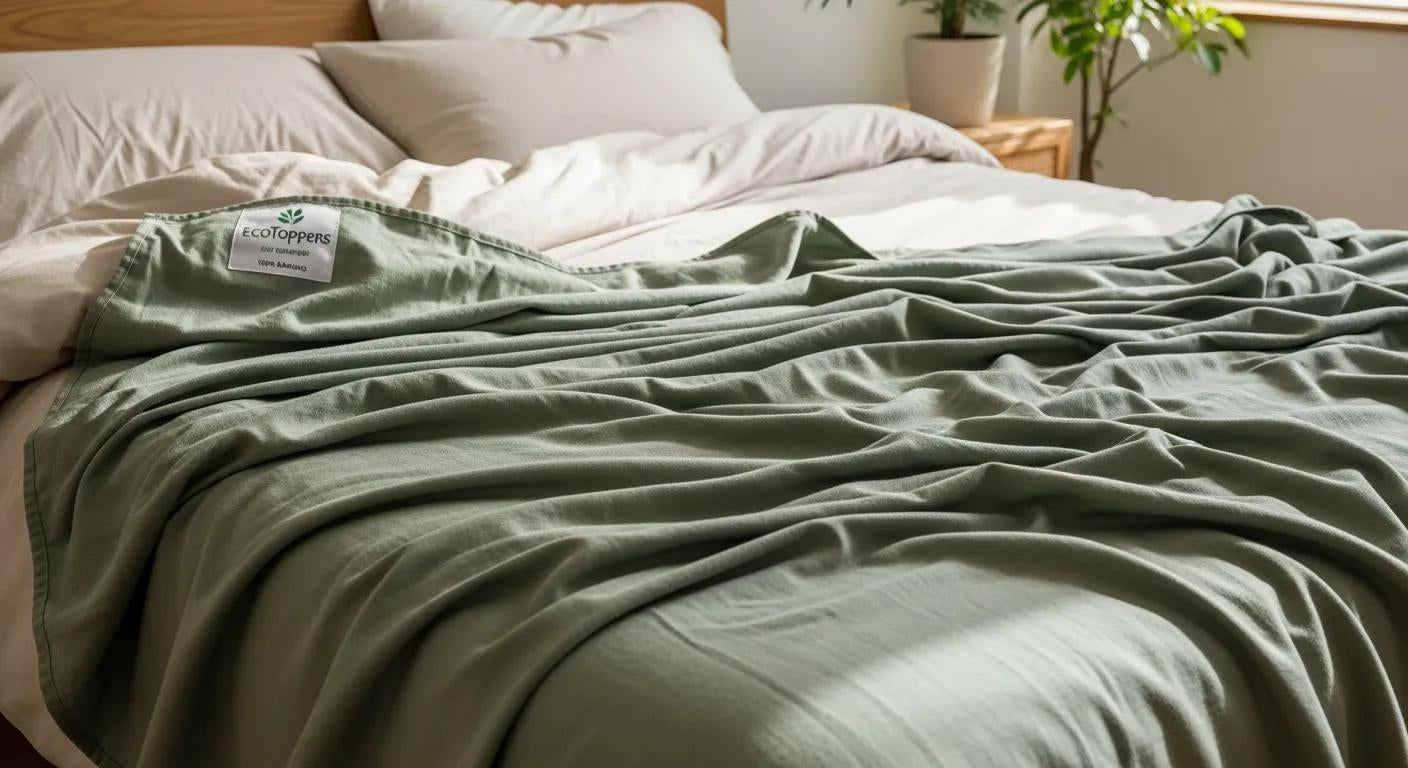
Experience Bamboo Blanket Bliss
Bamboo lightweight blankets are becoming a favourite for their silky feel and low environmental footprint. This guide breaks down what makes them so comfortable, how they support better sleep and skin health, and why they’re a smart, sustainable pick for Australians. If you’re trying to balance comfort with greener choices, bamboo blankets offer a simple, effective solution. Read on for how they work, their benefits, and why EcoToppers is trusted across Australia.
What Makes Bamboo Lightweight Blankets So Soft and Comfortable?
Bamboo blankets feel exceptionally soft because of the natural fibre structure. The fibres are smooth and rounded, so the fabric feels gentle against your skin rather than coarse. Bamboo is also breathable and wicks moisture away from the body, which helps keep your temperature stable through different seasons. Put together, these traits make bamboo blankets a luxurious, practical addition to any bedroom.
How Does Bamboo Fibre Structure Enhance Softness Compared to Other Materials?
Bamboo fibre naturally forms long, smooth strands rather than rough, jagged ones. That’s why it drapes nicely and has a softer hand than many cottons or synthetics. Its breathability improves airflow, helping you stay cool and dry at night. Cotton is breathable too, but it can hold more moisture, which may feel less comfortable if you sweat during sleep.
Why Is Comfort Important for Sleep Quality with Bamboo Blankets?
Comfort directly affects how quickly you relax and fall asleep. A soft, well-regulating blanket reduces night-time tossing and waking, so you get steadier, deeper sleep. Bamboo’s temperature-control and moisture-wicking properties are especially helpful for people who experience night sweats or temperature fluctuations while they sleep.
What Are the Key Health and Wellness Benefits of Bamboo Blankets?
Bamboo blankets bring a few practical health advantages, especially for sensitive skin and allergy sufferers. The fibres create a cleaner, more comfortable sleep surface that supports overall well-being.
How Do Hypoallergenic and Antibacterial Properties Benefit Sensitive Skin?
Bamboo’s natural structure tends to discourage dust mites and some bacteria, which can lower the chance of allergic reactions. For people with sensitive skin, that means fewer irritants next to the skin and a gentler night’s sleep. Choosing bamboo can help create a fresher, less reactive bed environment.
Can Bamboo Blankets Help with Allergies and Night Sweats?
Yes — bamboo’s moisture-wicking keeps skin drier through the night, which helps with night sweats. Its tendency to resist dust mites and some bacteria also reduces allergen build-up in bedding. Together, these qualities help maintain a cooler, cleaner sleeping environment.
How Do Bamboo Lightweight Blankets Support Eco-Friendly and Sustainable Living?
Bamboo is a fast-growing, low-input plant, so using it as a raw material is generally kinder to the planet than many conventional crops. Bamboo blankets are a practical way to choose more sustainable bedding without sacrificing comfort.
What Makes Bamboo a Renewable and Sustainable Resource?
Bamboo grows very quickly — in ideal conditions, it can add up to a metre a day — and it regenerates without replanting. Its root system also helps reduce soil erosion and supports soil health. Choosing bamboo products helps support farming and manufacturing practices that rely on a renewable resource.
How Does Choosing Bamboo Bedding Reduce Your Carbon Footprint?
Choosing bamboo can lower your textile footprint because bamboo needs less water and fewer pesticides than many conventional crops, and growing bamboo captures carbon. Selecting responsibly produced bamboo bedding helps reduce greenhouse-gas intensity compared with some conventional materials.
Why Are EcoToppers Bamboo Blankets the Best Choice for Australians?
EcoToppers combines sleep-focused design with greener choices. Our bamboo blankets are made to be soft, long-lasting and produced with transparency — so you know what you’re buying and why it’s better for your home and the planet.
What Unique Features and Certifications Do EcoToppers Bamboo Blankets Have?
Our bamboo blankets are made from 100% organic bamboo viscose (also known as bamboo rayon) for a silken, breathable finish. They carry OEKO-TEX Standard 100 certification, which means they’ve been tested for harmful substances and are safe to sleep under. Built to last, they’re a durable, feel-good investment for everyday use.
How Does EcoToppers Cater to Eco-Conscious Australians?
We understand Australians care about sustainability and transparency. From responsibly sourced bamboo to clear manufacturing information, EcoToppers focuses on eco-conscious choices so you can shop with confidence and sleep better knowing the story behind your bedding.
How Can Bamboo Lightweight Blankets Benefit Commercial Fit-Out Projects?
Bamboo blankets aren’t just for homes — they work well in commercial spaces too. Their comfort and hygiene advantages make them an appealing choice for hospitality and healthcare fit-outs.
Why Are Bamboo Blankets Ideal for Hotels, Resorts, and Healthcare Facilities?
For hotels and resorts, bamboo blankets elevate guest comfort with a soft, breathable layer that guests notice. In healthcare and care facilities, the hypoallergenic and antibacterial tendencies of bamboo can help maintain a cleaner sleep environment for patients. Those combined benefits support guest satisfaction and practical hygiene needs.
What Wholesale and Bulk Options Does EcoToppers Offer for Commercial Clients?
We offer attractive wholesale options and bulk solutions for commercial clients who want eco-friendly bedding at scale. Partnering with EcoToppers lets businesses offer high-quality bedding while managing costs and environmental impact effectively.
How Should You Care for and Maintain Your Bamboo Lightweight Blanket?
Treat your bamboo blanket with simple care to keep it soft and long-lasting. Gentle washing and careful drying preserve the fibres and the feel.
What Are the Best Practices for Washing and Drying Bamboo Blankets?
Wash in cold water on a gentle cycle and skip bleach or fabric softeners — they can harm the fibres. Tumble on low or air-dry to avoid shrinkage and to maintain softness. Regular, gentle cleaning keeps the blanket fresh and allergen-free.
How Does Proper Care Extend the Longevity of Bamboo Bedding?
Following care instructions prevents unnecessary wear and helps the blanket keep its texture and performance for years. Store it in a cool, dry place when not in use to protect it from moisture and pests.
| Feature | Benefit | Value |
|---|---|---|
| Hypoallergenic | Reduces allergic reactions | Ideal for sensitive skin |
| Antibacterial | Helps inhibit bacterial growth | Promotes a healthier sleep environment |
| Moisture-wicking | Regulates temperature | Keeps you dry and comfortable |
Bamboo lightweight blankets combine softness, practical health benefits and improved sustainability — a strong choice for home and commercial use. EcoToppers brings these benefits together in products designed to feel great and last.
Frequently Asked Questions
Are bamboo blankets suitable for all seasons?
Yes. Bamboo blankets naturally regulate temperature and wick moisture, so they help keep you cool in summer and comfortable in winter. That seasonal adaptability makes them a reliable, year-round option.
Can bamboo blankets be used for children or infants?
They’re a gentle, hypoallergenic choice for children and babies because the fibres are soft and kind to sensitive skin. Always use the right size and avoid loose items in a cot; follow safe-sleep guidelines for infants.
How do bamboo blankets compare to traditional cotton blankets?
Bamboo blankets are often softer and more breathable than standard cotton, with natural moisture-wicking and antimicrobial tendencies. Cotton remains a good option, but bamboo offers extra advantages in comfort and eco-credentials for many sleepers.
What is the environmental impact of bamboo blanket production?
Raw bamboo is a low-impact crop — fast-growing and water-efficient. Processing methods vary, and some can be chemical-intensive. Look for brands that prioritise cleaner manufacturing and transparency to ensure a smaller environmental footprint.
How can I tell if a bamboo blanket is of high quality?
Check for certifications like OEKO-TEX Standard 100, review the fabric composition (100% organic bamboo viscose is a common high-quality option), feel the texture, and read customer reviews. Those signals help you judge durability and comfort.
Can bamboo blankets be recycled or composted?
If the blanket is made from 100% natural bamboo fibres with no synthetic finishes, it can be composted. Items with synthetic blends or chemical treatments won’t break down as cleanly. Always check product details and local recycling or composting guidelines.