





Eco-Friendly Comfort: Best Bamboo Mattress Topper Australia for Cooling, Support, and Sustainability
Bamboo mattress toppers are a thin, breathable layer of bedding, usually made with a bamboo viscose cover and soft fill, designed to boost your comfort, help regulate your temperature, and even reduce exposure to allergens. This guide will explore why bamboo toppers are such a great eco-friendly bedding choice here in Australia, how their unique fibre structure helps manage heat and moisture, and when a topper can offer fantastic orthopaedic support compared to needing a whole new mattress. Many of us struggle with night sweats, allergic irritation, or a mattress that's lost its comfy cushioning. Bamboo toppers offer a lightweight, temperature-regulating, and hypoallergenic solution that also helps reduce your environmental impact. We'll cover everything from sustainability and biodegradability to temperature control, thickness options, orthopaedic benefits (and how they compare to memory foam), sizing, care, and even how NDIS participants can access these toppers with invoicing support. Throughout, you'll find practical advice for buying and caring for your topper, comparisons for hot sleepers and those with back pain, and clear examples of the types of products available. By focusing on what makes bamboo special and its real-world benefits, this piece aims to help Australians choose a sustainable mattress topper that suits their climate, sleep style, and any therapeutic needs.
What Makes Bamboo Mattress Toppers the Best Eco-Friendly Choice in Australia?
Bamboo mattress toppers are a fantastic, eco-friendly option because bamboo itself grows incredibly fast with less need for water and pesticides. Plus, bamboo viscose can be processed into a wonderfully soft, biodegradable textile that's a great alternative to many synthetic covers. It's quite simple: bamboo as a crop uses fewer resources, and fibres derived from bamboo break down more easily than petroleum-based fabrics. This means less lingering in landfill and a smaller carbon footprint over its lifetime. For you, the sleeper, this translates to a supportive, breathable layer that offers comfort while reducing your environmental impact and potentially fewer chemical residues in your bedroom. Understanding these sustainability points helps you choose materials that deliver both great sleep performance and a lower ecological footprint.
Bamboo's sustainability really comes down to three practical things that link how it's grown to what ends up in your bedroom. Firstly, the plant's ability to renew quickly and its minimal irrigation needs mean it puts less strain on resources compared to, say, cotton. Secondly, how it's manufactured – whether through mechanical or chemical processing – affects how biodegradable it is and its chemical load. Thirdly, when it's time to replace your topper, its biodegradable nature means it's less likely to sit in a landfill for ages like synthetic alternatives. This makes bamboo a really compelling choice for eco-conscious households. These connections from farm to fabric explain why bamboo is a meaningful eco upgrade, and they naturally lead us to how its natural properties also improve your indoor health and resistance to allergens.
Bamboo-based bedding also helps improve your indoor air quality and reduce allergens thanks to its natural fibre properties and less reliance on harsh chemical finishes. The combination of breathable bamboo viscose and inert or minimally processed fills helps cut down on off-gassing and makes it a less inviting place for dust mites to set up home compared to dense synthetics. Choosing bamboo means aligning material sustainability with direct benefits for your sleep health and your home's environmental impact. This brings us to the specific biodegradability and sourcing behind bamboo textiles.
How Does Bamboo Provide Sustainable and Biodegradable Bedding?
Bamboo makes for sustainable bedding because the plant grows back quickly and often needs less water and fewer agricultural chemicals than many other fibre crops, giving a high yield from each hectare. Turning bamboo into viscose involves breaking down cellulose and then reforming the fibres. Mechanical methods tend to keep more of the natural fibre intact, while some chemical processes can affect how biodegradable the final product is, depending on the factory's standards. The benefit at the end of its life is clear: textiles made from bamboo tend to break down faster than synthetic polyester blends, which means less long-term waste piling up in landfills. For you, this means a bamboo topper can offer a softer sleep surface today and a smaller environmental footprint when it's time for a new one.
When you're shopping, looking for products with clear sourcing information is a good idea. This helps reduce the risk of hidden environmental costs from intensive chemical processing or long-distance transport. Understanding these processing differences helps you choose bamboo toppers that truly offer biodegradability, rather than just a new textile label.
Why Are Bamboo Mattress Toppers Hypoallergenic and Antibacterial?
Bamboo fibres have natural properties, sometimes referred to as “bamboo kun,” which are thought to contribute to antimicrobial effects. These can help reduce bacterial growth and make it harder for dust mites to thrive on your sleep surface. These mechanisms – the antibacterial activity within the fibre itself, plus bamboo viscose's ability to wick away moisture and breathe – create an environment that's less welcoming to allergens and microbes. For those with allergies or sensitive skin, this means fewer irritants at night and less need for chemical treatments to control odours and microbes. The hypoallergenic benefit is particularly helpful in humid Australian regions where dust mites and mould can often be a problem.
In practical terms, bamboo toppers help keep your sleeping surface drier and cleaner by drawing moisture away from your body and allowing air to flow through the cover. This reduces the kind of micro-environment that dust mites love. While this natural resistance doesn't replace medical allergy management, it certainly helps reduce a common environmental trigger and supports a healthier bedroom. These health-focused attributes naturally lead us to how bamboo helps with temperature regulation and cooling performance in various Australian climates, which is our next important topic.
How Do Bamboo Mattress Toppers Keep You Cool and Comfortable in Australia’s Climate?
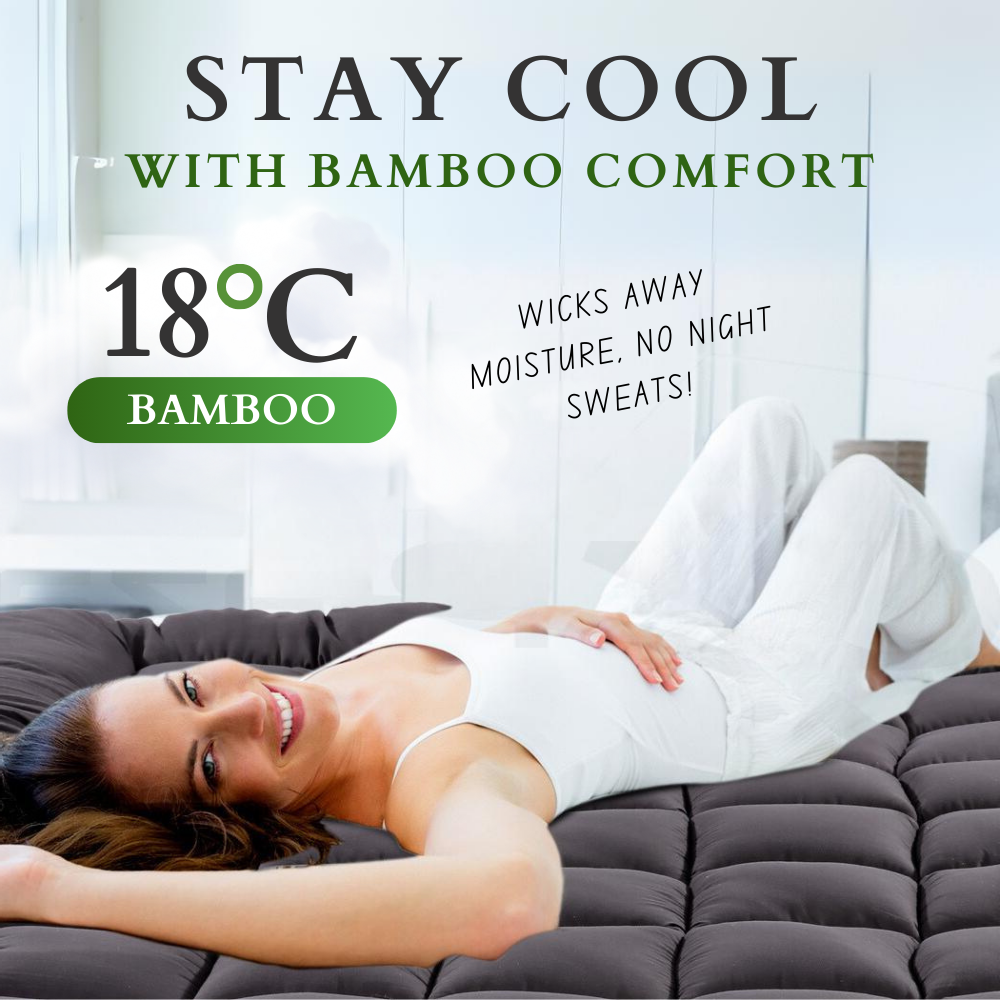
Bamboo mattress toppers help regulate your temperature by combining a breathable fibre structure with excellent moisture-wicking performance. They create tiny gaps that allow air to circulate and draw perspiration away from your sleep surface. At a fibre level, bamboo viscose has a smooth, porous structure that encourages moisture to move through it, which then evaporates faster, leaving you with a cooler, drier cover. The direct benefit for sleepers is fewer night sweats, less overheating, and improved comfort, whether it's a dry inland summer or a humid coastal night. This temperature control is a key reason why hot sleepers across Australia really value bamboo toppers.
How well a topper cools also depends on its construction and thickness. Lighter, thinner layers generally allow for more airflow, while thicker, denser cores can offer more pressure relief but might slightly reduce passive airflow if they're not well-ventilated. So, your choice of topper should really match your climate and sleep style. For example, a ventilated 5cm layer might be perfect for hot sleepers who still need some cushioning, while a 10cm plush option offers deeper orthopaedic relief with only minor changes to how warm it feels, especially when paired with breathable covers. Understanding these trade-offs helps you pick a topper that balances cooling with the support you need.
Here's a table that explains how specific bamboo fibre properties help keep you cool and comfortable.
| Fibre Property | Mechanism | Benefit for Sleeper |
|---|---|---|
| Porous fibre structure | Micro-gaps encourage airflow | Faster heat dissipation and cooler surface |
| Moisture-wicking | Capillary action moves sweat away | Drier sleep surface, fewer night sweats |
| Smooth fibre surface | Reduced friction and quick-dry | Less trapped humidity, improved comfort |
These mechanisms clearly show why bamboo toppers perform so well in hot Australian conditions, and they lead us into discussing thickness choices that balance cooling with support for different sleepers.
When considering cooling, it's helpful to know about the types of products available for Australian climates. Many suppliers offer bamboo mattress toppers in various thicknesses, often around 5cm and 10cm plush, designed with breathable covers and moisture-wicking fibres to suit hotter summers and temperate zones. These thickness options illustrate the trade-offs we've discussed, helping you find the right fit for your needs.
What Temperature-Regulating Properties Does Bamboo Fibre Offer?
Bamboo fibre helps regulate temperature through three interconnected ways: a porous microstructure that encourages air flow, capillary action that wicks sweat away to the surface for evaporation, and a smooth surface that speeds up drying. Together, these properties reduce surface humidity and promote evaporative cooling, which helps cut down on those wakeful overheating moments. For hot sleepers, the practical result is a more consistent microclimate around your body, reducing thermal spikes and leading to more uninterrupted sleep. Knowing these mechanisms helps you prioritise bamboo when cooling is a key requirement.
These fibre-level behaviours also work with your bedroom conditions: a well-ventilated room will enhance bamboo’s cooling, while heavy duvets or non-breathable mattress protectors might lessen the benefit. Choosing breathable bedding layers complements your topper’s natural cooling and completes your strategy for comfortable sleep in Australia.
Which Bamboo Mattress Topper Thickness Is Best for Cooling and Support?
The thickness of your topper plays a big role in balancing cooling and support. Generally, 5cm toppers add cushioning and maintain good airflow, which is great for hot sleepers. On the other hand, 10cm plush toppers offer deeper pressure relief and orthopaedic support, though they might slightly reduce convection if the core is very dense. For side sleepers and lighter individuals, a 5cm layer often provides enough contouring without much heat trade-off. However, heavier sleepers or those needing more spinal support usually benefit from the extra depth of a 10cm option. Factors like your current mattress firmness, body weight, and preferred sleeping position should all help you decide on the optimal thickness.
Here’s a simple comparison to help you choose the right thickness based on your sleep profile:
- Lightweight hot sleepers: A 5cm topper is often ideal for cooling and light contouring.
- Heavier or side sleepers needing pressure relief: A 10cm topper can provide excellent orthopaedic cushioning.
- Combination sleepers wanting both cooling and support: Consider your current mattress firmness and look for a 10cm option with a ventilated core to help balance both needs.
This guidance on thickness naturally leads us into how bamboo toppers can assist with back pain and therapeutic support.
How Can Bamboo Mattress Toppers Relieve Back Pain and Provide Orthopaedic Support?
Bamboo mattress toppers can help relieve back pain by redistributing pressure and improving spinal alignment through targeted cushioning. This is especially true when the topper’s thickness and density are a good match for your weight and sleeping position. The key is pressure redistribution: a compliant layer fills the gaps under your body, reducing peak pressures at your shoulders and hips, which helps your spine stay in a neutral alignment while you sleep. For many people whose mattress feels too firm or uneven, a topper can offer significant relief from symptoms and improve sleep quality, all without the expense or hassle of buying a brand new mattress.
However, it's important to remember that toppers aren't a magic fix for everything. Severe mattress breakdown, extreme sagging, or structural issues with your bed might mean you need a new mattress or even a professional assessment. For therapeutic use, choosing the right topper thickness and fill is crucial, and sometimes professional advice can help determine if a topper is suitable as a complementary aid. This practical balance between benefits and limitations helps us compare them directly with memory foam alternatives.
| Topper Type / Thickness | Support Characteristic | Recommended Use-Case |
|---|---|---|
| Bamboo topper 5cm | Moderate contouring retains airflow | Light/average weight sleepers needing cushioning |
| Bamboo topper 10cm | Deep pressure relief, plush support | Side sleepers or heavier individuals needing orthopaedic relief |
| Memory foam topper (standard) | High contouring, slow rebound | Those prioritising contouring may retain heat |
This comparison helps clarify when a bamboo topper is the right therapeutic choice and leads us into its specific orthopaedic benefits.
What Orthopaedic Benefits Do Bamboo Mattress Toppers Provide?
Bamboo toppers offer orthopaedic benefits by evening out pressure distribution across your mattress surface. This helps reduce painful pressure points at your shoulders and hips and supports neutral spinal alignment. The way it works is that a compliant cushion fills the voids between your body and the mattress, reducing concentrated load and promoting more restful sleep for individuals with mild to moderate back discomfort. Added benefits include improved comfort, less tossing and turning, and potentially fewer sleep disturbances caused by pressure pain. For many sleepers, a 10cm plush bamboo topper can provide meaningful symptom relief without needing a full mattress replacement.
These orthopaedic improvements are most effective when combined with appropriate mattress support and when you choose a topper thickness that matches your body type and sleeping posture. Understanding these situations helps you decide whether a topper is a temporary symptom reliever or part of a longer-term therapeutic plan.
How Do Bamboo Toppers Compare to Memory Foam for Pressure Relief?
Both bamboo toppers and memory foam offer pressure relief, but they do it in different ways. Memory foam contours closely to your body and has a slow rebound, distributing pressure through its unique viscoelastic properties. However, it can sometimes retain heat unless it's vented or infused with cooling materials. Bamboo-based toppers, on the other hand, rely on breathable fibres and various fills to cushion without trapping heat. They prioritise cooler sleep and natural antibacterial properties, while still delivering adjustable support through different thickness options.
Choosing between the two really depends on what you prioritise. Hot sleepers and those prone to allergies often prefer bamboo for its climate control and hygiene benefits, while those needing maximum contouring might lean towards memory foam or even a hybrid solution. This comparison naturally brings us to practical size and fit considerations for Australian beds.
Which Bamboo Mattress Topper Sizes and Styles Are Available in Australia?
In Australia, bamboo mattress toppers are commonly available in sizes ranging from Single to Super King. You'll also find various styles, differing by cover design and functional finishes, such as classic Bamboo White, patterned Bamboo Print, and even Bamboo Charcoal for added benefits. Choosing the right size ensures full coverage and proper edge-to-edge support, especially for shared beds, while style options cater to your aesthetic preferences and offer extra functions like charcoal for odour control. Crucially, features like a deep stretch skirt are vital for ensuring your topper stays securely in place on modern, deeper mattress depths. Selecting the correct size and style is just as important as choosing the material and thickness.
Here’s a table summarising typical variations, thickness options, and fit features to help guide you when shopping in Australia.
| Topper Variation | Thickness / Size | Fit / Key Feature |
|---|---|---|
| Bamboo White | 5cm / Single → Super King | Often features a deep fitted stretch skirt (e.g., 50cm), soft breathable cover. |
| Bamboo Print | 10cm / Single → Super King | Plush 10cm option, decorative cover styles available |
| Bamboo Charcoal | 5cm or 10cm / Single → Super King | Charcoal-infused cover for odour control, deep skirt fit |
This overview helps you visualise the options available and leads us into the specific benefits for larger sizes and deep-pocket fits.
What Are the Benefits of Queen and King Size Bamboo Mattress Toppers?
Queen and King-size bamboo toppers provide full coverage for couples, helping to reduce differences in firmness from edge to edge and improving motion isolation across larger sleeping surfaces. The practical benefits include consistent cushioning wherever you and your partner lie, less disturbance from your partner's movements due to improved surface compliance, and easier bedding coordination because toppers fit neatly under fitted sheets when the deep skirt is correctly sized. For shared beds, choosing the right large size ensures both sleepers experience comparable pressure relief and temperature control. These considerations are particularly relevant for couples with different body weights or sleep preferences.
When choosing larger sizes, it's also important to carefully measure your mattress depth and base type to ensure the topper’s deep skirt fits correctly and prevents any slipping. Understanding these fit requirements directly relates to how deep-pocket designs secure the topper to various mattress constructions.
How Do Deep Pocket Fits Ensure a Perfect Mattress Topper Fit?
Deep pocket fits use an elasticated stretch skirt – often around 50cm deep – that wraps snugly beneath your mattress to secure the topper and stop it from shifting during sleep. The mechanism is straightforward: the elastic tension holds the topper firmly in place, creating a seamless connection between your mattress and the topper. This helps maintain edge support and prevents any bunching. When you're shopping, measuring your mattress depth and looking for toppers with a deep fitted skirt (like a 50cm one) will help you avoid the common issue of a standard skirt not fitting an extra-deep mattress. A proper fit also means less need for readjustments and can extend the functional life of your topper by ensuring even wear.
Some helpful fitting tips include measuring your mattress height from the base to the very top, checking the stretch capacity of the skirt, and allowing a little extra depth if you also use a mattress protector. These fitting practices naturally connect to the care and maintenance steps that will help ensure your topper lasts a long time.
How Do You Care for and Maintain Your Bamboo Mattress Topper?
Caring for your bamboo mattress topper involves routine airing, spot cleaning, and following the manufacturer's instructions for any removable covers. This helps prevent mould, odours, and premature wear. The main strategy for maintenance is managing moisture: air your topper in a shaded, well-ventilated area after any spills or particularly humid nights, and rotate it periodically to help redistribute wear. Gentle cleaning methods are best to protect the fibre structure and preserve both comfort and its natural antimicrobial properties. Regular care will extend its lifespan and keep your sleeping conditions hygienic.
Follow these care steps to keep your bamboo mattress topper hygienic and resilient:
- Air regularly: Remove bedding and air the topper in a ventilated room weekly to reduce moisture build-up.
- Spot clean spills: Blot liquids immediately and use a mild detergent with cool water for local stains.
- Use removable covers: Wash zippable covers according to instructions to avoid washing the entire core and protect the fill.
- Rotate periodically: Rotate the topper every 2–3 months to even out compression and wear.
Regularly applying these simple steps helps reduce odours, prevent mould growth, and maintain support. Proper care also preserves the topper’s breathable properties and directly relates to how long you can expect it to last.
What Are the Best Cleaning Methods for Bamboo Mattress Toppers?
The best cleaning methods begin by checking if your topper has a removable, machine-washable cover. If it does, wash the cover according to the care label, using a mild detergent and cool wash cycles. For toppers with non-removable covers or fills, promptly spot-clean any stains with a damp cloth and gentle soap, being careful not to soak the core, which can lead to mould and loss of loft. Drying is crucial: ensure it's fully dry in a shaded, well-ventilated area, and avoid direct sunlight or high heat, which can degrade the fibres. These practical steps help preserve the fibre integrity and extend the topper’s functional life.
Using protective bedding, like a mattress protector, complements your cleaning routines by reducing direct soiling and making overall maintenance simpler. These practices form the basis for realistic expectations about how long your topper will last.
How Long Do Bamboo Mattress Toppers Typically Last?
A well-cared-for bamboo mattress topper typically lasts anywhere from three to seven years. This can vary depending on its thickness, how often it's used, your care habits, and the sleeper’s weight. Thicker, higher-density toppers used nightly by heavier sleepers might compress a bit faster, while occasional use or careful rotation can extend their service life. Signs that it might be time for a replacement include visible sagging, a noticeable loss of loft, or if it no longer provides the pressure relief and comfort it once did. Following recommended care routines – airing, spot cleaning, and rotating – will help you get the most out of your topper and keep it performing well for longer.
Understanding these indicators helps you plan for replacements proactively and maintain healthy sleep ergonomics without unnecessary expense. For those looking to purchase, many Australian suppliers offer clear information about their products and delivery options to help you make an informed decision.
How Can NDIS Participants Access Bamboo Mattress Toppers with Support?
NDIS participants can access bamboo mattress toppers with invoicing support when suppliers provide NDIS-compliant invoices for plan-managed and self-managed participants. This allows the topper to be claimed as part of assistive or bedding supports where appropriate. The process usually involves confirming the need with a support coordinator or plan manager, requesting an itemised invoice from the supplier that meets your funding rules, and then submitting the invoice according to your plan arrangements. Choosing a supplier that clearly offers NDIS invoices can simplify the administrative steps and reduce delays. This invoicing support makes bamboo toppers more accessible to participants who require therapeutic bedding under their funded supports.
When navigating the NDIS process, it's always a good idea to confirm your plan’s allowable supports and consult your plan manager before making a purchase. This ensures eligibility and helps you follow the correct payment pathways. Suppliers who are familiar with NDIS invoicing can prepare the necessary documentation. Getting in touch with the supplier to confirm invoice specifics and ensuring the invoice contains all required details are practical next steps that align with NDIS administrative expectations.
What Is the Process for Claiming NDIS Funding for Bamboo Mattress Toppers?
The general process for claiming NDIS funding involves first identifying the need for an assistive bedding item, often with the help of a clinician or support coordinator. Next, you'll check your participant’s plan for relevant bedding or assistive technology budgets. Then, you'll need to obtain an itemised invoice from a supplier who provides NDIS invoices suitable for plan-managed or self-managed participants. Once you have an approved invoice, you submit it according to your plan’s rules – either through your plan manager or via direct claim pathways if you are self-managed. Suppliers that explicitly offer NDIS invoices can simplify these steps by providing documentation that aligns with plan requirements. This overview helps participants work with providers and plan managers to secure necessary bedding supports.
Clear communication with both your plan manager and the supplier is essential to help avoid rejected claims. Obtaining prior approval for assistive items, where required, also helps ensure smooth reimbursement. Understanding these administrative steps can reduce delays and ensure your purchases align with funding rules.
Why Are Bamboo Mattress Toppers Recommended for Therapeutic Use?
Bamboo mattress toppers are often recommended for therapeutic use because they combine hypoallergenic and antibacterial surface properties with various pressure-relieving thickness options. This combination can help reduce pain-related sleep disturbance and create a cleaner sleep environment. The way it works is that reduced allergen exposure and improved pressure distribution lead to better sleep quality and potentially fewer sleep interruptions for therapeutic users. For participants with respiratory sensitivities or mild musculoskeletal discomfort, the dual benefits of cooler, cleaner sleep and targeted cushioning make bamboo toppers a practical therapeutic addition. These characteristics illustrate why some clinicians and support planners consider bamboo toppers as part of broader sleep and comfort interventions.