

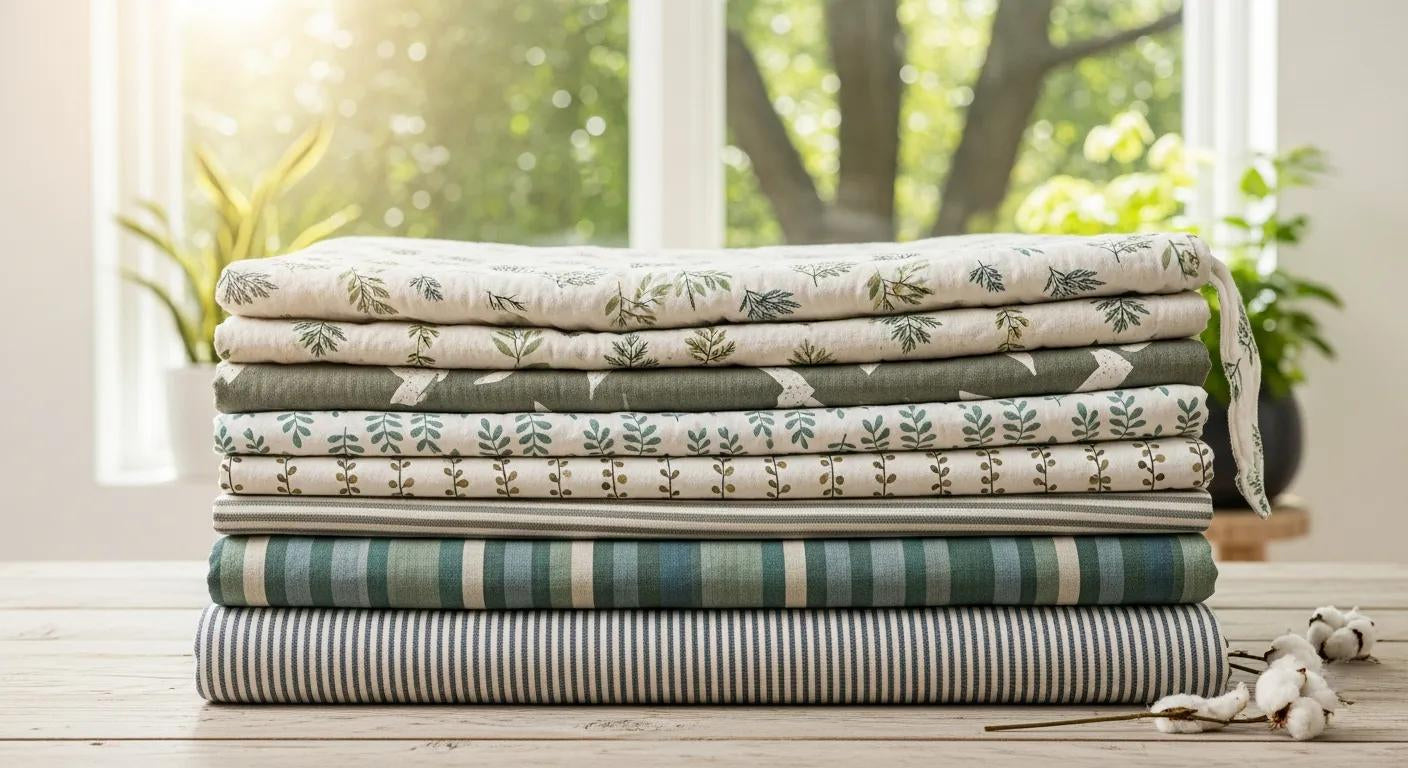
Sustainable Quilt Covers for Your Home
Eco-friendly quilt covers — also called duvet or doona covers — are made from sustainably sourced fibres and finished with low‑toxicity processes to reduce chemical residues and improve sleep comfort. They rely on breathable weaves and moisture‑managing fibres to keep bedding drier and less hospitable to allergens. This guide explains how hypoallergenic quilt covers available in Australia — especially bamboo and organic cotton — can ease allergy symptoms, help regulate temperature and lower environmental impact compared with conventional textiles. Many Australians deal with night‑time congestion, dust‑mite sensitivity and overheating; choosing the right eco‑friendly cover is a practical, evidence‑based step toward better sleep and a smaller footprint. You’ll learn how these covers help allergy sufferers, how key materials compare, what certifications actually mean, and simple buying and care tips to keep your bedding healthy and long‑lasting. We'll also point you to responsibly sourced options in Australia.
Why Are Eco-Friendly Quilt Covers the Best Choice for Allergy Sufferers in Australia?
Eco‑friendly quilt covers are a good option for allergy sufferers because they pair low‑residue processing with breathable, moisture‑managing fibres that limit allergen build‑up and reduce skin irritation. It’s simple: fibres like bamboo and organic cotton wick away moisture and discourage microbial growth, while tighter weaves and non‑toxic finishes make beds less inviting to dust mites and chemical irritants. Australia’s climates range from humid to dry, so picking a material that controls humidity and temperature helps prevent mould and mite populations — and that directly cuts down allergy flare‑ups. The sections that follow dig into specific health outcomes and the material features that help limit allergen exposure.
What Health Benefits Do Hypoallergenic Quilt Covers Offer?
Hypoallergenic quilt covers lower your exposure to common triggers by using fibres and finishes that discourage allergens and irritants from lingering close to the skin. Less exposure usually means fewer nasal symptoms, less sneezing and more uninterrupted sleep for people with allergic rhinitis or sensitive skin. Breathable, moisture‑wicking fabrics also reduce the warm, humid microclimates where bacteria and mould thrive, which helps cut skin irritation and night‑time awakenings. Knowing these practical benefits makes it easier to choose materials that match both medical needs and comfort preferences.
How Do Eco-Friendly Quilt Covers Protect Against Dust Mites and Allergens?
Eco‑friendly quilt covers protect against dust mites by combining smart material choice, tighter weave density and effective moisture control to create an environment that’s less suitable for mite survival. Tight weaves and moisture‑wicking fibres reduce the humidity and food sources mites need, while non‑toxic processing avoids chemical residues that can irritate sensitive people. Regular care — washing at recommended temperatures and airing bedding often — works with these material properties to lower allergen levels over time. Next, we compare the leading sustainable fibres so you can match product features to your allergy profile and local climate.
What Sustainable Materials Are Used in Eco-Friendly Quilt Covers?
Common sustainable quilt cover fibres include bamboo, organic cotton, linen and hemp. Each offers a different mix of breathability, durability and environmental credentials that affect allergy performance and suitability for particular climates.
Different sustainable fibres trade softness, breathability and environmental impact against one another:
| Material | Key Attributes | Best For / Notes |
|---|---|---|
| Bamboo | Silky soft, highly breathable, excellent moisture‑wicking, naturally resistant to some microbes | Hot sleepers and people wanting a silky, cooling feel |
| Organic cotton | Comfortable, durable; GOTS certification available when verified | Shoppers who prioritise certified organic farming and a classic cotton feel |
| Linen | Very breathable and strong; softens with use | Warm or humid climates and long-term durability |
| Hemp | Extremely durable, low water and pesticide needs; initially coarser | Eco‑first buyers and heavy‑use bedding where longevity matters |
This quick comparison shows how each fibre lines up with performance and sustainability priorities, helping you pick the right material in the sections that follow.
Why Choose Bamboo Quilt Covers for Comfort and Sustainability?
Bamboo quilt covers are popular for breathability and moisture control: the fibre structure promotes airflow, and wicks sweat away from skin, which reduces humidity‑driven allergen growth. Bamboo can also have natural antimicrobial qualities that keep bedding feeling fresher and reduce odour. From an environmental viewpoint, bamboo grows quickly and often with lower pesticide input, though manufacturing methods vary — so look for clear processing information when you buy. These factors make bamboo an excellent pick for summer comfort and allergy resilience.
How Do Organic Cotton Quilt Covers Compare as a Classic Sustainable Option?
Organic cotton delivers the familiar comfort of cotton with a stronger sustainability profile when certified. Certified organic farming avoids most pesticides and can offer benefits for growers, and the fabric stands up well to repeated washing. Organic cotton breathability and moisture handling are solid, though bamboo typically wicks more aggressively. If you value certified agricultural practices and a soft, durable hand, organic cotton is a balanced, all‑season choice that pairs well with a medium‑weight duvet insert.
Certified organic cotton can reduce environmental impacts by removing most synthetic pesticides from the supply chain and may offer better returns for growers.
What Are Other Eco-Friendly Quilt Cover Materials, Like Linen and Hemp?
Linen and hemp are naturally breathable, durable choices that suit different needs: linen excels in hot, humid conditions thanks to its cooling structure, while hemp is prized for long‑term strength and a low environmental footprint. Both can feel a bit coarse at first, but soften with washing, and they usually require fewer chemical treatments in production. Choose linen for warm‑weather comfort and hemp when durability and minimal environmental inputs are the priority.
How Do Certifications Like GOTS and OEKO-TEX Ensure Eco-Friendly Quilt Cover Quality?
Third‑party certifications such as GOTS and OEKO‑TEX translate complex supply‑chain information into practical buyer confidence. GOTS covers organic fibre sourcing plus social and processing criteria, while OEKO‑TEX Standard 100 tests finished textiles for harmful substances. Together, they address both farming practices and product safety, helping you reduce exposure to unwanted residues.
Confirming certification details is an important step to make sure claims match practice and to lower your exposure to chemical residues.
| Certification | What It Tests / Guarantees | Consumer Implication |
|---|---|---|
| GOTS | Organic fibre sourcing, environmental processing standards and social compliance | Lower pesticide residues and verified organic origin |
| OEKO-TEX Standard 100 | Screening finished textiles for a wide range of harmful substances | Reduced risk of allergenic chemical residues on skin‑contact items |
| Combined verification | Both fibre origin and finished‑product safety | Best choice for buyers seeking holistic health and sustainability assurances |
Look for certificate numbers or badges on product pages so you can verify claims with the issuing body — that’s the easiest way to shop with confidence.
What Does GOTS Certification Mean for Organic Quilt Covers?
GOTS certification requires a minimum share of certified organic fibre and enforces environmental and social processing standards, which lowers pesticide residues and improves traceability. For consumers, GOTS signals stronger assurance about farming practices and cleaner processing — especially useful if you’re chemically sensitive. Use GOTS as a practical filter when comparing organic cotton options and to weigh price against verified sustainability.
How Does OEKO-TEX Certification Guarantee Non-Toxic Bedding?
OEKO‑TEX Standard 100 tests finished textiles for a wide range of harmful substances and issues a label when products meet those thresholds. It’s especially helpful for spotting residues from dyes, finishing agents and other treatments that can provoke reactions. When shopping, check the OEKO‑TEX class and label details on product pages to ensure the testing covers items that touch the skin. Used alongside farming certifications, OEKO‑TEX fills out the safety picture for hypoallergenic bedding.
How Can You Choose the Right Eco-Friendly Quilt Cover for Your Home?
Choosing the right eco‑friendly quilt cover means matching material, weave, weight and certification to your climate, sleep habits and allergy needs. Start by deciding whether you sleep hot or cold, whether allergy reduction is your priority, and how much care and maintenance you’re willing to do.
Clear labelling and verified certifications make choosing easier — they reduce guesswork when comparing products.
| Feature | What It Means | How to Evaluate on a Product Page |
|---|---|---|
| Material | Fibre type and performance characteristics | Look for bamboo, GOTS organic cotton, linen or hemp |
| Weave | Percale, sateen, tightness and airflow | Tighter weaves help resist allergens; percale feels cooler |
| Weight / GSM | Fabric heft and seasonality | Lower GSM for summer; higher GSM for cooler months |
| Certification | Third‑party verification of claims | Check for GOTS and OEKO‑TEX badges and certificate links |
This checklist helps you prioritise product features based on your needs and ensures product pages include the information required for a confident purchase.
What Quilt Cover Features Should You Look for?
On product pages, focus on material composition, weave type, certification evidence, closure style and accurate sizing — these details directly affect comfort, allergen defence and longevity. A tight weave combined with moisture‑wicking fibres reduces dust‑mite habitation, while secure closures and correct sizing prevent shifting and cut down on laundering. Thread count can be misleading; judge by weave and fibre instead of raw thread numbers, and always check care instructions so you can keep allergen‑limiting hygiene. These practical checks will help you find a cover that balances comfort, health and sustainability.
How Do You Care for Bamboo and Organic Quilt Covers to Ensure Longevity?
Proper care keeps bamboo and organic cotton quilt covers performing and lasting longer: wash at the recommended temperature, avoid harsh bleaches and fabric softeners, and dry gently to protect fibres and finishes. For bamboo, use moderate wash temperatures and line‑dry where possible to preserve wicking and minimise shrinkage. Organic cotton handles regular washing well but benefits from gentle detergents. Regular airing and prompt stain treatment reduce microbial growth and keep covers fresh between deep washes. These simple habits preserve both hypoallergenic performance and the environmental advantages of sustainable fibres.
What Makes EcoToppers’ Bamboo Quilt Covers a Trusted Choice for Eco-Conscious Australians?
EcoToppers offers bamboo quilt covers as part of a focused eco‑friendly bedding range that balances breathability, hypoallergenic performance and considered design. Our bamboo covers are positioned for hot sleepers and anyone wanting a softer, moisture‑managing fabric with a lower chemical footprint. We describe ethical sourcing and sustainable manufacturing where information is available, and we recommend pairing those statements with clear certification details on product pages so you can verify claims independently. If you’re a business or organisation interested in commercial supply, we're always happy to discuss your needs.
EcoToppers combines comfort and sustainability in our bamboo bedding, highlighting breathability and reduced chemical exposure for sensitive sleepers. For commercial fit‑outs or wholesale enquiries, simply get in touch with your brief, and we'll be happy to discuss tailored options.
How Does EcoToppers Ensure Ethical Sourcing and Sustainable Manufacturing?
EcoToppers is upfront about ethical sourcing and sustainable manufacturing in our product narrative, especially for bamboo bedding. We aim to provide transparent information where possible — including certifications, processing descriptions and country of origin — so shoppers can confirm sourcing claims. Clear certification badges and supply‑chain details on product pages help validate ethical sourcing and support informed purchasing decisions.
What Do Customers Say About EcoToppers’ Eco-Friendly Quilt Covers?
Customer feedback for eco‑friendly bedding tends to highlight comfort, breathability and the hypoallergenic feel when products match their material and certification claims. Reviews for our bamboo covers often note improved sleep comfort and cooling performance, which aligns with bamboo’s moisture‑wicking properties. We encourage shoppers to read verified, on‑site reviews and product detail pages for specific user experiences before buying — real customer insights are a useful reality check when choosing bedding.
Where Can You Buy the Best Eco-Friendly Quilt Covers in Australia?
Australian shoppers can buy eco‑friendly quilt covers from specialist online retailers that focus on sustainable bedding. When shopping, prioritise stores that publish certification details, clear sizing and care instructions so you can confirm health and sustainability claims. EcoToppers is an Australian e-commerce retailer offering bamboo bedding direct to customers, including our popular Bamboo Quilt Cover. We aim to make shopping easy for local buyers with convenient delivery options and a focus on customer satisfaction, allowing you to try our sustainable bedding with peace of mind. For commercial or partnership enquiries beyond retail, we're always keen to chat.
Conventional cotton farming can have significant environmental impacts due to high water use and extensive pesticide and fertiliser application.
If you're exploring commercial fit-out projects, we'd love to hear from you. Share your needs, and we can discuss tailored proposals.
Are NDIS Invoices Available for Eco-Friendly Quilt Covers?
We understand the importance of NDIS support. If you require an NDIS invoice for a particular product, please contact our customer service team to confirm eligibility and any required documentation. We're here to help clarify whether a product qualifies under NDIS arrangements.
If you're interested in commercial fit-out projects, please share your brief and contact details. We'd love to discuss the scope and how we can help.
Frequently Asked Questions
What are the environmental benefits of using sustainable quilt covers?
Sustainable quilt covers — made from bamboo, organic cotton, linen or hemp — typically use less water and fewer synthetic pesticides than conventional textiles, which helps protect local ecosystems. Sustainable production practices can also lower carbon emissions and support biodiversity. Choosing responsibly sourced bedding supports better farming and manufacturing practices and helps shift demand toward more sustainable supply chains.
How do I know if a quilt cover is truly eco-friendly?
Look for recognised certifications such as GOTS and OEKO‑TEX, and check product pages for clear sourcing and processing information. Reputable retailers will show certificate numbers or links and explain where materials are grown and processed. Verified customer reviews can also help validate performance and sustainability claims.
Can eco-friendly quilt covers help with temperature regulation during sleep?
Yes. Materials like bamboo and organic cotton are breathable and wick moisture, which helps keep your sleep environment cooler and drier. That makes them a good option for hot sleepers or people in warmer climates who want to avoid night sweats and improve overall sleep comfort.
What maintenance is required for eco-friendly quilt covers?
Care is straightforward: wash at the recommended temperature with a gentle detergent, avoid strong bleaches and fabric softeners, and dry gently or line‑dry where possible. Regular airing and prompt stain treatment keep covers fresh and reduce microbial growth. Follow the manufacturer’s care instructions to protect the fibres and their hypoallergenic properties.
Are there specific brands known for high-quality, eco-friendly quilt covers?
Yes — look for brands that prioritise transparency, carry recognisable certifications and have strong verified reviews. EcoToppers is one example, known for a bamboo bedding range that emphasises breathability and sustainability. When choosing a brand, check for clear certification information and honest customer feedback.
What should I consider when choosing the right quilt cover for my needs?
Consider material type, weave density, certification and the cover’s weight (GSM). Think about whether you sleep hot or cold, whether allergy reduction is your priority, and how much maintenance you want to do. Also check closure style and sizing to avoid shifting and reduce washing frequency — small details that improve long‑term satisfaction.