





Choose Eco-Friendly Bamboo Sheets in Australia Today
Bamboo quilt covers are becoming a favourite among those who want bedding that’s both comfortable and kind to the environment. They offer a cosy sleep experience while supporting sustainable living. This article explores the benefits of bamboo bedding, how it fits with eco-friendly habits, and why it’s a great option for both homes and businesses. Many people today look for bedding that feels luxurious yet is gentle on the planet. Bamboo blends comfort with sustainability, and we’ll share the main advantages, eco-friendly qualities, and what customers say, so you can see why it’s a smart pick for greener sleep.
This growing interest reflects a broader move towards thoughtful shopping that shapes what people buy and how brands respond.
What Are the Key Benefits of Bamboo Bedding for Eco-Friendly Sleep?
Bamboo bedding offers clear perks for those wanting eco-friendly sleep. Its natural cooling effect helps keep your body temperature just right for a restful night, especially in warmer weather. The fabric feels soft and luxurious, much like cotton. Bamboo also tends to be less likely to cause allergies compared to many other materials, making it a good choice for sensitive sleepers.
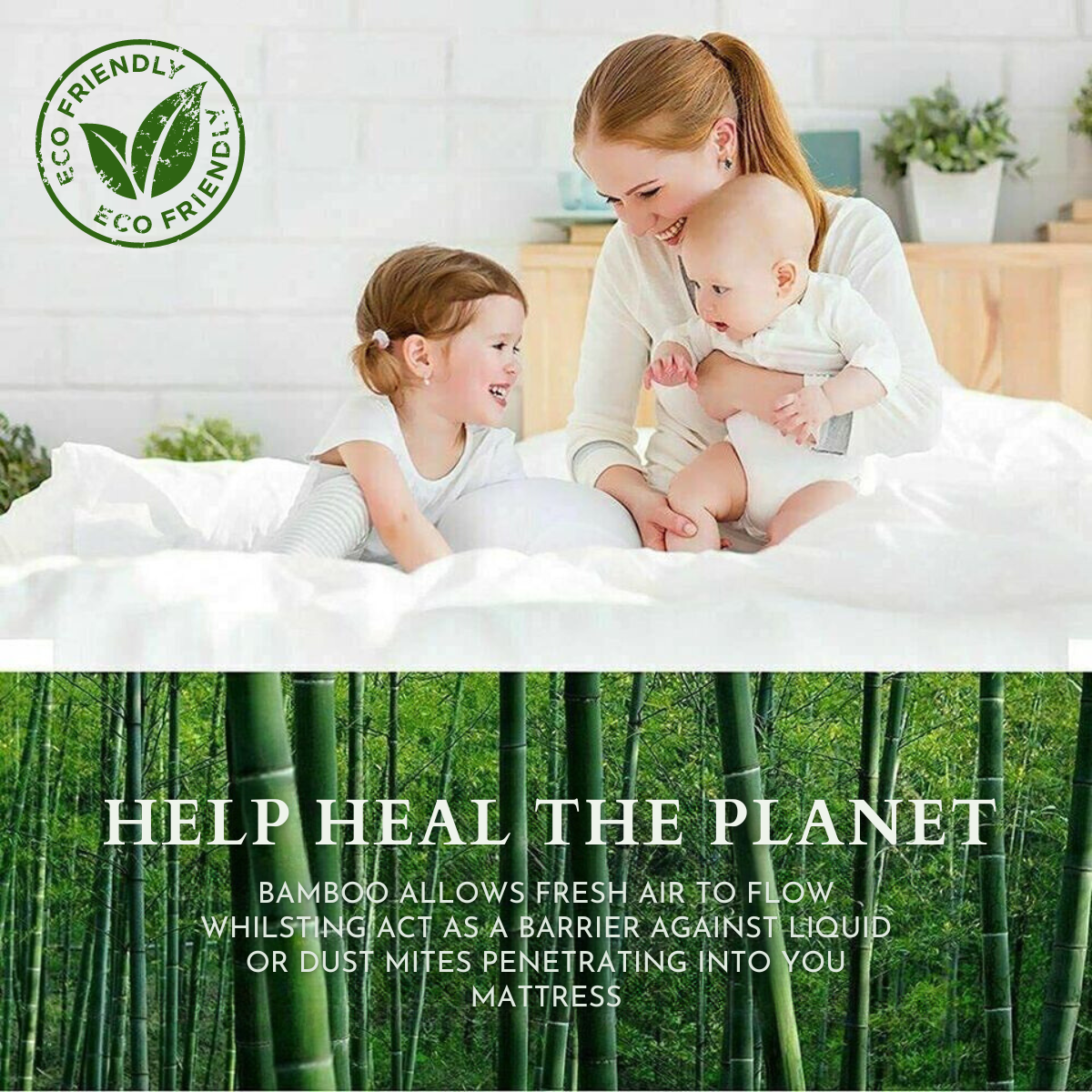
On top of that, bamboo is a very sustainable plant. It grows quickly and usually doesn’t need pesticides or fertilisers. Bamboo farming also uses much less water than cotton, which adds to its green credentials. These qualities make bamboo quilt covers a popular choice for people who want bedding that’s both comfy and environmentally responsible.
If you’re after quality bamboo quilt covers, Eco Toppers offers a range of sustainable bedding options made from bamboo fabric.
How Do Bamboo Quilt Covers Support Sustainable Bedding Practices?
Bamboo quilt covers promote sustainable bedding thanks to the plant’s fast growth and low resource needs. Unlike traditional cotton, which often requires pesticides and lots of water, bamboo thrives in different climates and can grow very quickly — sometimes up to three feet in a day. This rapid growth means bamboo is a renewable resource that can be harvested without harming the land.
Plus, bamboo fabric breaks down naturally over time, reducing waste in landfills. This is important since synthetic materials can add to pollution. Choosing bamboo quilt covers helps reduce your environmental impact while giving you a comfortable, high-quality sleep setup.
Why Are Bamboo Quilt Covers a Smart Choice for Commercial Eco Bedding Solutions?
Bamboo quilt covers work well for both personal and commercial use. Hotels and resorts, for example, are embracing sustainable choices and finding that bamboo bedding helps boost their reputation and attract guests who care about the environment.
Bamboo fabric is also tough and long-lasting, which makes it a cost-effective option for businesses. These covers handle frequent washing and keep their quality, so companies can provide a reliable, comfy experience. The look and feel of bamboo bedding also adds a touch of luxury, which appeals to higher-end accommodation providers.
How Should You Care for Bamboo Quilt Covers to Maintain Their Benefits?
Looking after bamboo quilt covers helps them stay in great shape and last longer. Here are some simple tips for caring for your bamboo bedding:
- Washing Instructions: Wash bamboo quilt covers in cold water on a gentle cycle to protect the fibres. Avoid bleach or harsh detergents, as these can damage the fabric.
- Drying Tips: Air-drying is best for bamboo quilt covers. If you use a dryer, choose a low heat setting to prevent shrinking and keep the fabric soft.
- Storage Recommendations: Keep bamboo bedding in a cool, dry place to avoid moisture and mould. Try not to leave it in direct sunlight for long periods, as this can fade the fabric.
Following these care tips will help your bamboo quilt covers stay comfortable and eco-friendly for a long time.
What Do Customers Say About Their Experience with Bamboo Quilt Covers?
People who use bamboo quilt covers often share positive feedback, mentioning better sleep thanks to the fabric’s breathability. Many comment on the softness and luxurious feel, saying it can be even nicer than traditional cotton.
Customers also appreciate bamboo’s hypoallergenic qualities, which can help reduce allergic reactions and skin irritation. This is especially valued by those with sensitive skin or breathing issues. Overall, happy customers highlight bamboo quilt covers as a comfy and sustainable bedding choice.
What Common Questions Do People Have About Bamboo Quilt Covers?
When thinking about bamboo quilt covers, people often ask:
- What should I look for in bamboo quilt covers? Choose high-quality bamboo fabric that’s organic and free from harmful chemicals. Also, consider the thread count for softness and durability.
- How do I care for bamboo quilt covers? Follow the washing and drying tips above to keep your bamboo bedding in good condition.
- What sustainability claims should I check? Make sure the bamboo comes from sustainable farms and that the manufacturing process is eco-friendly.
Knowing the answers to these questions helps you pick bamboo quilt covers that suit your needs and values.
Frequently Asked Questions
Are bamboo quilt covers suitable for all skin types?
Yes. Bamboo quilt covers generally suit all skin types, including sensitive skin. Their hypoallergenic nature can reduce the chance of allergic reactions and skin irritation. Bamboo’s natural moisture-wicking also helps keep skin dry and comfortable.
How does bamboo bedding compare to cotton in terms of sustainability?
Bamboo is often seen as more sustainable than cotton because it grows quickly and needs fewer resources. Bamboo can grow up to three feet in a day and usually doesn’t require pesticides or fertilisers, while cotton typically needs more water and chemicals. Bamboo is biodegradable and helps reduce landfill waste; cotton may not break down as quickly in some cases.
Can bamboo quilt covers help with temperature regulation during sleep?
Yes. Bamboo quilt covers are known for good temperature regulation. The fabric’s breathability improves air flow, helping you stay cool in warm weather and warmer in cooler conditions. This makes bamboo bedding a practical choice for those who experience temperature changes overnight.
What is the lifespan of bamboo quilt covers compared to other materials?
Bamboo quilt covers are durable and long-lasting. With proper care, they can last as long as or longer than traditional cotton bedding. Bamboo resists wear and tear and stands up well to frequent washing without losing quality, which adds value and supports sustainability by reducing replacements.
Are there any specific certifications to look for when buying bamboo quilt covers?
Look for certifications that show organic and sustainable practices. OEKO-TEX Standard 100 ensures the fabric is free from harmful chemicals, while GOTS (Global Organic Textile Standard) indicates the bamboo is sourced from organic farms. These certifications provide extra confidence that the bedding is safe and environmentally friendly.
How do bamboo quilt covers contribute to reducing environmental impact?
Bamboo quilt covers help reduce environmental impact in several ways. Bamboo is a renewable resource that grows quickly, uses little water, and usually doesn’t need pesticides. Bamboo fabric is biodegradable, so it breaks down naturally and cuts landfill waste. Choosing bamboo bedding helps lower your ecological footprint and supports more sustainable textile practices.