





EcoToppers’ Bamboo Pillow Australia – Your Ultimate Sleep Solution for Comfort and Sustainability
EcoToppers’ Bamboo Pillow combines a breathable bamboo viscose cover with adaptive memory foam to deliver cooling, hypoallergenic comfort and ergonomic support tailored to Australian sleepers. This article explains how bamboo fibre and memory foam work together to regulate temperature, reduce allergen exposure and provide pressure-relieving neck support, then guides you through choosing, caring for and comparing bamboo pillows in an Australian context. Many Australians struggle with night sweats, allergies or neck discomfort from mismatched pillows; this guide outlines practical mechanisms and selection criteria to help you make a confident purchase. You will find clear benefit summaries, step-by-step care instructions, comparison tables versus cotton, down and synthetic options, and targeted guidance for side, back and stomach sleepers. After exploring the technical and practical aspects of bamboo memory foam pillows, the article highlights customer feedback trends and explains how EcoToppers’ commitment to quality and customer support can make your buying experience a breeze.
What Are the Key Benefits of EcoToppers Bamboo Pillows in Australia?
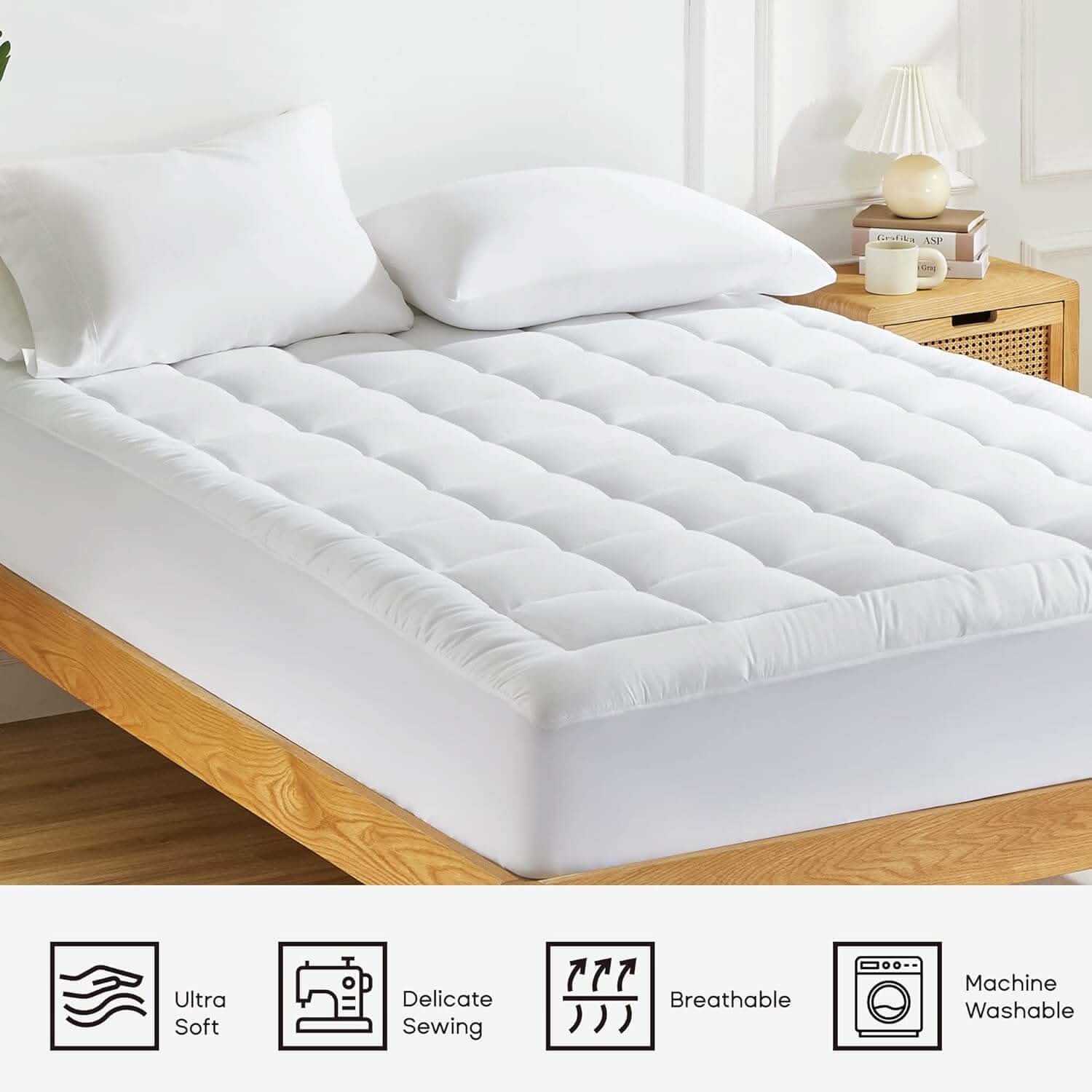
EcoToppers bamboo pillows offer a combination of cooling, hypoallergenic performance, ergonomic support and sustainability that addresses common sleep problems in varied Australian climates. The bamboo viscose cover promotes moisture-wicking and breathability, while the memory foam fill contours to the head and neck, delivering pressure relief and consistent loft. These qualities reduce night-time overheating, minimise dust-mite habitat and help maintain spinal alignment for many sleepers, creating a practical sleep solution rather than a one-size-fits-all gadget. Below is a concise benefit list to target quick answers and support featured snippet intent for readers comparing pillow types.
EcoToppers bamboo pillows deliver key consumer benefits:
- Cooling and moisture-wicking: Bamboo viscose cover moves moisture away from skin to promote a cooler sleep surface.
- Hypoallergenic and dust mite resistant: Natural fibre structure and pillow construction reduce allergen accumulation.
- Ergonomic neck and spine support: Memory foam contours redistribute pressure to relieve neck strain.
- Sustainability and lower resource footprint: Bamboo’s fast growth and renewability make it an eco-conscious fabric choice.
These benefits set up the next discussion on the biological and material mechanisms behind cooling and allergen resistance.
The following table summarises how specific pillow components create those benefits for Australian sleepers.
| Component | Attribute | Effect for Sleep |
|---|---|---|
| Bamboo viscose cover | Moisture-wicking, breathable | Keeps the sleep surface drier and cooler in warm conditions |
| Memory foam fill | Viscoelastic contouring | Redistributes pressure and supports neck alignment |
| Removable casing | Easy-to-wash layer | Reduces allergen build-up and simplifies maintenance |
| Shredded/adjustable fill (where present) | Loft adjustability | Tailors firmness for side, back or stomach sleepers |
This EAV table clarifies how each component contributes to comfort and durability before we examine the cooling mechanism in detail.
How Does the Bamboo Material Provide Cooling and Temperature Regulation?
Bamboo viscose provides cooling mainly through its fibre structure, which enhances breathability and wicks moisture away from the skin, reducing perceived heat during the night. When combined with a memory foam core designed with airflow channels or shredded fill, the overall pillow allows convective and evaporative cooling that helps maintain a more comfortable microclimate. For hot sleepers in Australian conditions, this pairing lowers local humidity at the sleep surface, which can reduce night-time awakenings caused by overheating. Understanding this mechanism helps readers prioritise cover material and fill construction when choosing the best bamboo pillow.
Why Are EcoToppers Bamboo Pillows Hypoallergenic and Dust Mite Resistant?
Bamboo viscose fibres are less hospitable to dust mites and some microbes due to their moisture-managing nature, and pillow designs that include removable, washable covers further limit allergen accumulation. Memory foam core materials do not provide the same nesting spaces that loose fibrous fillings can, which reduces the available habitat for mites compared with some traditional pillows. Regular care—washing covers and airing the pillow—maintains hypoallergenic performance over time and helps allergy sufferers retain benefits. These cleaning and design considerations lead naturally into how memory foam contributes to ergonomic support.
The presence and impact of dust mites are significant factors in allergic reactions, making hypoallergenic materials crucial for many individuals.
How Does EcoToppers Bamboo Pillow Support Neck and Spinal Health?
A bamboo memory foam pillow supports neck and spinal health by combining contouring support with breathable covering materials to maintain comfort while preserving aligned posture. The viscoelastic memory foam responds to heat and pressure, filling the gap between head and shoulder to stabilise the cervical curve; this mechanism reduces focal pressure points and supports more neutral spinal alignment. Choosing the correct loft and firmness for your sleep position is essential to translate these material properties into real health benefits, and the section below outlines the role of memory foam and specific loft guidance for side, back and stomach sleepers. Clear fitting recommendations help sleepers convert the pillow’s mechanical benefits into improved sleep posture and fewer morning aches.
What Role Does Memory Foam Play in Providing Ergonomic Neck Support?
Memory foam provides ergonomic neck support through viscoelastic deformation: it softens where heat and weight concentrate and gradually conforms to the head and neck, distributing pressure across a broader surface. This pressure redistribution reduces localised strain on cervical muscles and encourages a more neutral spine during sleep, which can alleviate chronic neck discomfort for many users when properly matched to sleep position. Adjustable or shredded memory foam fills additionally allow tuning of loft to personal preferences, enhancing the pillow’s targeted support. Recognising how foam behaviour interacts with cover breathability informs selection choices discussed next.
How Does the Pillow Promote Proper Spinal Alignment for Different Sleep Positions?
Correct spinal alignment depends on matching pillow loft and firmness to sleep position: side sleepers generally need higher loft and firmer support, back sleepers require medium loft to maintain neck curve, and stomach sleepers benefit from low loft to avoid hyperextension. Simple alignment checks—spine straight from neck through lower back and head, neither tilted upward nor pushed forward—help verify fit during trial nights, and many users adjust fill volume or choose adjustable-loft options to fine-tune support. These practical recommendations make alignment achievable without technical measurement tools and set up the next section on sustainability and brand trust for eco-conscious buyers.
Why Choose EcoToppers Bamboo Pillows for Eco-conscious Australians?
Choosing a bamboo pillow balances performance and environmental considerations: bamboo is a rapidly renewable resource that typically requires less water and fewer pesticides than many conventional textile crops, and when processed responsibly, it produces soft, breathable viscose suitable for bedding. For Australians seeking lower-impact bedding, the material choice matters, but so do company practices around customer support and a straightforward buying experience; family-run businesses often emphasise close quality control and responsive service as part of their offering. EcoToppers positions its bamboo pillow as a sustainable option while also offering a supportive purchasing process for online buyers. The following subsection examines bamboo’s renewability and then explains how EcoToppers’ family-run structure supports quality and customer satisfaction.
What Makes Bamboo a Sustainable and Renewable Material?
Bamboo’s rapid growth rate and ability to regenerate without replanting make it a renewable source for textile fibres, and its lower general reliance on chemical inputs compared with some crops contributes to its eco-friendly profile. When transformed into viscose for covers, bamboo retains breathability and moisture-management properties that benefit sleep hygiene, while its renewability aligns with circular purchasing preferences. Consumers should still consider processing and supply-chain transparency when assessing sustainability claims, and looking for evidence of responsible manufacturing practices helps ensure environmental benefits are realised. These material considerations lead to how a family-run business can influence product quality and customer experience.
How Does EcoToppers’ Family-Run Australian Business Ensure Quality and Customer Satisfaction?
As a family-run Australian business specialising in eco-friendly bedding, EcoToppers emphasises hands-on quality control and customer-focused policies designed to make your buying experience easy and supportive. We believe in making your purchase experience easy and supportive, so you can try our products with confidence. We aim for a smooth delivery process across Australia, and we want you to feel confident in your choice. Understanding our commitment helps shoppers weigh purchase confidence alongside material and ergonomic benefits before moving to care and selection guidance.
How to Choose and Care for Your EcoToppers Bamboo Pillow in Australia?
Selecting the best bamboo pillow requires matching sleep position, desired firmness and any allergy considerations, while care practices preserve performance and longevity. Start by assessing your primary sleep position and whether you prefer a firmer, contouring feel or a softer, malleable surface; adjustable loft options can be especially helpful for mixed-position sleepers. Caring for the pillow typically involves removing and washing the outer bamboo viscose cover on a regular schedule, spot-cleaning the memory foam core and occasionally airing the pillow to refresh fibres and reduce moisture build-up. Below is a buyer checklist and a care table to make these decisions actionable and to guide maintenance across Australian climates.
When choosing a bamboo pillow, consider these core criteria:
- Sleep position alignment: Choose loft and firmness to match side, back or stomach sleeping patterns.
- Cover material and breathability: Prioritise bamboo viscose covers for moisture management.
- Adjustability and fill type: Look for shredded or adjustable fills if you need custom loft.
- Customer support: Prefer providers with a clear and supportive buying process to ensure satisfaction.
These selection points lead directly into specific washing and maintenance steps to prolong pillow life.
Maintaining a clean sleep environment is key to managing allergies, and specific laundry practices can significantly reduce allergen exposure.
| Material Part | Care Method | Recommended Frequency |
|---|---|---|
| Removable bamboo viscose cover | Machine wash on gentle cycle, low-temperature drying or air-dry | Every 1–3 months, depending on use |
| Memory foam core | Spot-clean with mild detergent and air-dry completely; avoid submerging | As needed; deep clean only if necessary |
| Pillow casing/zipper | Inspect and repair small tears; replace casing if worn | Check every 6 months |
This care EAV table clarifies practical cleaning actions; next, the article provides a stepwise washing guide.
What Factors Should You Consider When Buying the Best Bamboo Pillow Australia?
When buying, assess firmness, loft, adjustability, cover fibre and the supplier’s approach to customer satisfaction to ensure the pillow fits your needs and local conditions. Firmness and loft directly affect spinal alignment: side sleepers generally choose higher lofts while stomach sleepers need lower profiles; adjustable-fill pillows ease fine-tuning for mixed sleepers. Cover fibre determines breathability and hypoallergenic performance—bamboo viscose covers excel at moisture-wicking, while a clear and supportive buying process helps ensure you find the right fit for online purchases in Australia. Considering these criteria together helps narrow choices quickly and prepares you to care for the pillow as described below.
How Do You Properly Wash and Maintain Bamboo Pillows for Longevity?
Remove the bamboo viscose cover before washing and follow gentle machine-wash guidelines or hand-wash instructions to preserve fibre integrity, then air-dry or tumble-dry on low heat depending on manufacturer recommendations. The memory foam core should not be fully submerged; instead, spot-clean stains and allow thorough air-drying out of direct sunlight to prevent moisture retention and degradation. Periodically airing the entire pillow in a shaded, ventilated area reduces trapped moisture and refreshes the fill, helping retain both hypoallergenic and supportive properties. These maintenance steps sustain pillow performance and lead to what customers commonly report after real-world use.
What Do Customers Say About EcoToppers Bamboo Pillows?
Customer feedback typically highlights cooling performance, neck support and overall comfort as recurring praise points, reflecting the product’s intended benefits for temperature regulation and ergonomic support. Reviews often link specific outcomes—fewer night awakenings from overheating and reduced morning neck stiffness—to the material and design choices described earlier, which substantiates product claims in real-world settings. Displaying aggregated review metrics and recent testimonials helps new buyers gauge fit while supporting featured snippets that summarise consumer sentiment. Below, we list the most appreciated features and then explain how reviews validate product performance, followed by a brief purchase prompt that references our commitment to customer satisfaction for those ready to act.
Which Features Do Australian Customers Appreciate Most?
Australian customers most commonly praise cooling, neck support and the pillow’s eco-friendly material choice, citing fewer temperature-related disturbances and improved morning comfort after switching. The removable bamboo cover and the pillow’s capacity to maintain consistent loft under typical use are also frequent positives, as they translate into practical hygiene and support benefits. Many reviewers point to the pillow’s balance of breathability and contouring as the defining attribute that differentiates it from purely fibre or feather options. These consistent themes across reviews provide a useful guide for new buyers deciding which attributes matter most for personal comfort.
How Do Customer Reviews Reflect the Pillow’s Comfort and Quality?
Customer reviews often reflect a close match between claimed benefits—cooling, hypoallergenic properties and ergonomic support—and actual user experience, reinforcing the product narrative with real outcomes. Reviews often highlight our commitment to customer satisfaction, which helps new buyers feel confident when choosing our products online. Displaying aggregate rating schema and highlighted, specific comments can improve the practical usefulness of reviews for prospective buyers and can surface trusted attributes in search results. For readers ready to explore purchase options, EcoToppers’ delivery approach and commitment to satisfaction provide practical reassurance.
For those ready to explore our range, EcoToppers offers various bamboo pillow options, all supported by our commitment to your satisfaction and a smooth delivery experience across Australia.
How Does EcoToppers Bamboo Pillow Compare to Other Pillow Types in Australia?
Bamboo memory foam pillows balance breathability, hypoallergenic performance and contouring support in ways that differ markedly from cotton, down and synthetic pillows; each alternative offers trade-offs in feel, maintenance and allergen risk. Cotton pillows can be breathable but may lack contouring support; down provides plush loft but can trap heat and provoke allergies; synthetic fills vary widely in breathability and support. The direct comparison below highlights cooling, allergen resistance, support and longevity attributes to help buyers target the best fit for their needs. A short comparison table follows to deliver a clear side-by-side view for featured snippet capture.
Key comparative takeaways:
- Bamboo memory foam: strong cooling and support balance, moderate maintenance.
- Cotton: natural breathability but limited contour support.
- Down: high compressibility and warmth, potential allergens and heat issues.
- Synthetic: wide variability; often lower cost but mixed breathability and support.
These observations set up the specific advantage breakdown and the EAV comparison table.
| Pillow Type | Cooling | Hypoallergenic | Support | Longevity |
|---|---|---|---|---|
| Bamboo memory foam | High | Good | High (contouring) | Moderate–High |
| Cotton | Moderate | Moderate | Low–Moderate | Moderate |
| Down | Low–Moderate | Low (allergens) | Low (compressible) | Moderate |
| Synthetic | Variable | Variable | Variable | Variable |
This comparison clarifies why bamboo memory foam often represents a balanced choice for Australian sleepers wanting cooling and support together.
What Are the Advantages of Bamboo Pillows Over Cotton, Down, and Synthetic Pillows?
Bamboo pillows typically outpace cotton, down and many synthetic options on combined metrics of breathability, moisture management and allergen resistance, while memory foam fills add pressure-relieving contouring that cotton and down often lack. The sustainability profile of bamboo also appeals to eco-conscious buyers when compared to resource-intensive materials, although processing methods should be considered when evaluating overall environmental impact. Maintenance differs: bamboo covers are often removable and easier to wash than many down or fully encased synthetic options, which helps maintain hygiene and allergen control. These comparative advantages inform the final section on the bamboo memory foam pillow’s unique comfort profile.
How Does the Bamboo Memory Foam Pillow Stand Out in Comfort and Support?
The combination of a moisture-wicking bamboo viscose cover with a viscoelastic memory foam core creates a synergy where temperature regulation and contouring support coexist, offering relief for sleepers who overheat on traditional pillows yet require pressure redistribution for neck comfort. This comfort profile suits side and back sleepers who benefit from maintained loft and targeted support, while stomach sleepers may prefer lower-loft variants or adjustable fill options to avoid excessive cervical extension. Understanding this synergy helps buyers prioritise features—cover breathability, fill adjustability and a supportive buying process—when selecting the best bamboo pillow for their personal sleep needs.
- Breathability and cooling: Bamboo cover reduces moisture and surface heat.
- Targeted support: Memory foam contours for neck and shoulder pressure relief.
- Adjustability: Shredded or removable fill options permit custom loft tuning.
These final practical distinctions reinforce earlier selection and care advice and complete the article’s coverage of benefits, mechanisms, comparisons and purchase considerations.