



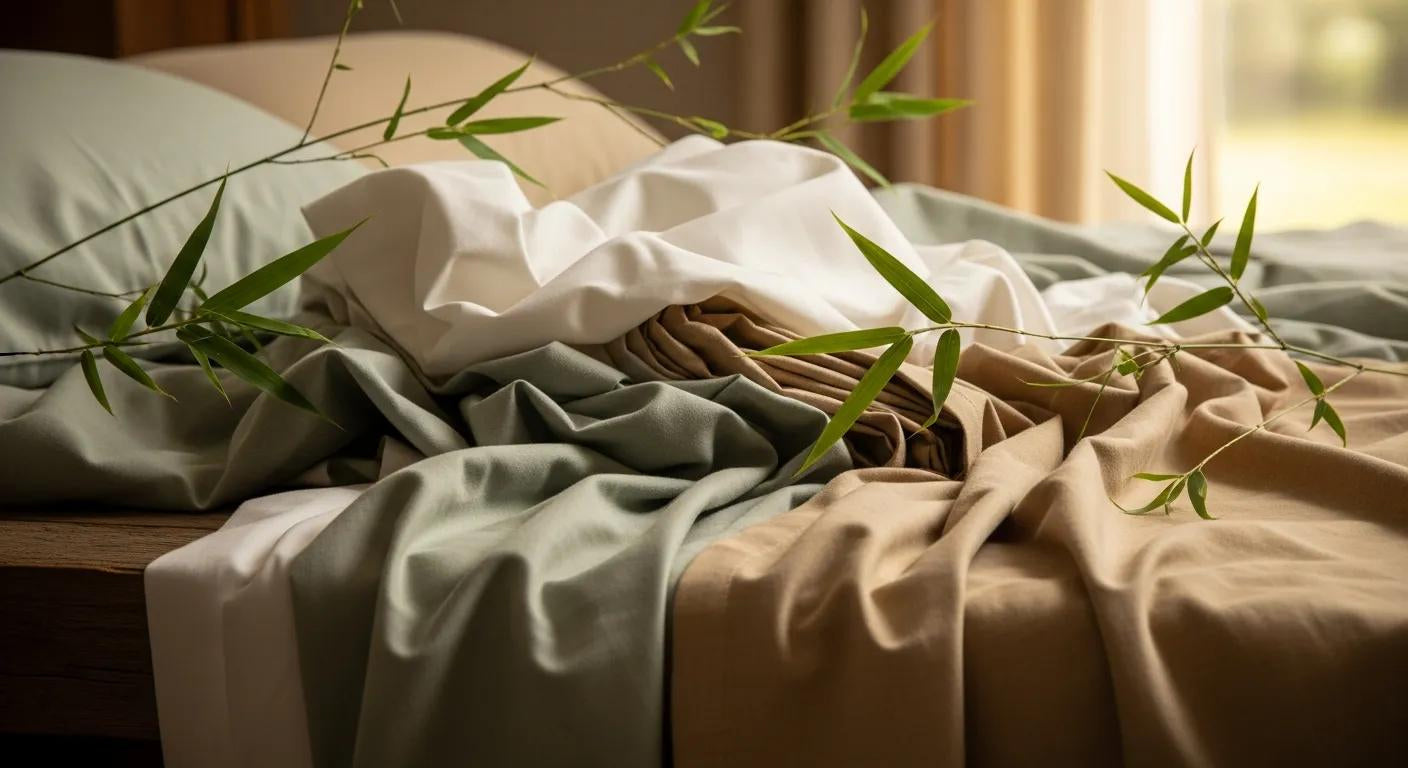
Luxury, eco-friendly bamboo sheets
Our bamboo sheets blend the soft, silky feel of premium bedding with practical sustainability — naturally cooling, breathable and ideal for Australian summers and anyone who sleeps hot. This guide explains what gives bamboo its unique softness and airflow, how it handles temperature and moisture, and why it’s a strong, eco-minded alternative to traditional cotton. You’ll find clear sizing and styling tips, simple care steps to keep sheets feeling luxe, and a side-by-side look at environmental and comfort trade-offs to help you pick the best linen for your needs. We also highlight why bamboo works well for sensitive skin, hotel-style comfort and year‑round use, and we link each benefit back to how the fabric actually performs. Along the way, we use helpful search terms naturally — luxury bamboo sheets Australia, cooling bamboo sheets, breathable bamboo bedding for hot weather and bamboo sheets care guide — so it’s easy to find what matters.
Why choose EcoToppers’ luxury bamboo sheets?
EcoToppers’ bamboo sheets pair a silky hand-feel with natural temperature regulation and allergy‑friendly benefits, all sourced with sustainability in mind. We use premium bamboo viscose or lyocell in thoughtfully constructed weaves to create fabric that drapes beautifully, wicks moisture and stays breathable. Switching to bamboo can reduce night‑time overheating, give a smoother surface for sensitive skin, and align with greener textile choices when manufacturers use responsible sourcing and testing. We focus on comfort, cooling performance and straightforward purchase protections, making EcoToppers a smart pick for anyone after hotel-quality bamboo bedding. Here are the main reasons customers choose a premium bamboo sheet set.
- Sumptuous softness and fluid drape — a silk-like feel that still breathes.
- Temperature regulation and moisture-wicking to help hot sleepers stay drier.
- Hypoallergenic and antibacterial properties that suit sensitive skin and reduce dust-mite build-up.
- Strong sustainability credentials, and organic or ethically sourced bamboo options where available.
- Customer-friendly protections to ensure you're happy with your purchase.
These points make it quick to compare options and focus on what matters most: hand-feel, cooling, skin sensitivity and responsible sourcing. Next, we explain the fabric and weave choices that create that premium softness.
Commercial & bulk enquiries
EcoToppers offers tailored support for larger orders – please get in touch to discuss your needs.
What makes our bamboo sheets so soft and comfortable?
Bamboo’s softness comes from the fibre itself and the way it’s woven. High-quality bamboo viscose and lyocell produce long, smooth filaments with a low-friction finish, giving a silky touch that often feels softer than comparable cotton. The weave matters too: sateen increases surface sheen and slipperiness by allowing more yarn to float across the surface, while twill delivers a matte, durable drape with a gentle texture. Pick sateen for a silky, glossy finish or twill if you prefer a softer, more structured look. Knowing both fibre type and weave helps you choose the exact feel you want from a premium set.
How do eco-friendly bamboo sheets regulate temperature year‑round?
Bamboo sheets control temperature mainly through excellent moisture-wicking and high breathability. Tiny gaps in the fibre and an open fabric structure let air circulate, while capillary action draws sweat away from the skin so it can evaporate from the sheet surface — an effective, natural cooling process. Because bamboo fabrics are lightweight and breathable, they reduce trapped heat and work well layered for cooler months. If you sleep hot, use a cooling bamboo fitted sheet with lightweight covers to keep airflow moving; the next section makes choosing the right size and features simple.
Explore our organic bamboo sheet sets: sizes, colours and features.
Picking the right bamboo sheet set means matching mattress size and fitted depth while choosing the material and weave that suit your sleep style. EcoToppers offers sizes from Single to Super King, with standard and deep-pocket fitted sheets to fit modern mattresses and toppers. Our colour palette focuses on versatile neutrals and a few seasonal tones to suit both classic and contemporary bedrooms. Important features to consider include composition (100% bamboo viscose or lyocell), weave (sateen for sheen, twill for a soft-structured finish), and construction details like deep pockets and secure elastic for a reliable fit. The short table below helps you compare common set types by material, weave and available sizes.
The table below summarises our typical sheet sets and the attributes to watch for when choosing.
| Sheet set | Material/weave | Sizes |
|---|---|---|
| Classic Sateen Set | 100% bamboo viscose/sateen | Single – Super King |
| Breathable Twill Set | 100% bamboo lyocell/twill | Single – Super King |
| Hotel‑weight Set | Bamboo blend/sateen finish | Double – Super King |
This quick comparison helps you match hand-feel and mattress sizing to a sheet style; the right weave and pocket depth reduce fit issues and improve nightly comfort. The following paragraphs cover sizing tips and the features that set each range apart.
Which sizes and colours are available in our bamboo sheet range?
To avoid fit surprises, check mattress width and depth before ordering. We carry Single, King Single, Double, Queen, King and Super King, with fitted sheets offered in standard depths as well as deep-pocket options for toppers and thicker mattresses. Colourways centre on timeless neutrals plus a handful of seasonal shades so you can layer easily and style a hotel-inspired, minimalist or contemporary bed. Measure mattress depth from base to top and choose the fitted sheet depth to prevent loose corners or overstretched seams — that small step makes all the difference.
What are the key features of EcoToppers bamboo sheet sets?
Our sheet sets combine comfort, practical construction and confident purchase assurances. Expect 100% bamboo viscose or lyocell for a soft hand-feel, sateen or twill weaves depending on texture preference, elasticated deep pockets for a secure fit, and neatly finished pillowcase closures to keep the bed tidy. We back purchases with assurances to make buying online easier. The table below summarises common product attributes so you can compare at a glance.
| Product attribute | Characteristic | Typical value |
|---|---|---|
| Material | Composition | 100% bamboo viscose or bamboo lyocell |
| Weave | Surface profile | Sateen (silky) or twill (structured) |
| Fit | Fitted pocket depth | Standard and deep-pocket options |
These feature summaries show how composition and construction affect everyday use and care, helping you prioritise fit, feel and maintenance. For commercial or bulk enquiries, we provide tailored support.
Commercial & bulk enquiries
EcoToppers handles larger orders – please get in touch with our team to discuss your needs.
Benefits of bamboo sheets for sensitive skin and hot sleepers
Bamboo sheets bring together several benefits that suit sensitive skin and those who overheat at night. They’re naturally resistant to irritants, offer moisture management to keep skin drier, and deliver breathable construction that moderates temperature. Key advantages include hypoallergenic performance from the fibre’s smooth surface, antibacterial tendencies that help reduce odour, and capillary-driven moisture-wicking that improves comfort. The list below outlines the main benefits, followed by a table linking each one to how it works in practice.
- Cooling: Bamboo fibres promote airflow and evaporation for a cooler sleep surface.
- Moisture-wicking: Capillary action pulls sweat away from the skin to the fabric surface.
- Hypoallergenic comfort: Smooth fibres repel dust and reduce skin irritation.
Below is a simple table mapping benefits to mechanisms and real-world outcomes to show how bamboo bedding supports sensitive sleepers and those prone to overheating.
| Benefit | Mechanism | Value/outcome |
|---|---|---|
| Moisture-wicking | Micro-gaps and capillary action | Moves sweat away so sleepers stay drier |
| Hypoallergenic | Smooth fibre surface, less dust retention | Fewer irritations for sensitive skin |
| Antibacterial | Natural fibre traits and breathability | Reduced odour and microbial build-up |
Linking benefits to mechanisms helps you prioritise features for specific sleep issues like night sweats or eczema-prone skin. The next sections explain hypoallergenic and cooling effects in more detail and offer practical tips.
How do bamboo sheets offer hypoallergenic and antibacterial comfort?
Bamboo fibres are smooth and breathable, which makes them less hospitable to dust mites and other irritants. Many people with mild sensitivities notice less itching after switching to bamboo, especially when combined with regular washing to remove allergens. Bamboo-derived fibres can also show antibacterial behaviour that reduces odour and microbial load, although anyone with serious allergies should check with a healthcare professional. Look for third‑party testing and clear labelling when hypoallergenic claims are important to you.
Why are bamboo sheets ideal for cooling and moisture-wicking?
Bamboo cools through two main actions: capillary moisture movement and fabric breathability. Moisture is drawn away from the skin into the fibre and spreads across the surface to evaporate, while the open weave and lightweight drape encourage air exchange to dissipate heat. Compared with denser fabrics, bamboo helps regulate the microclimate next to your skin, so it’s especially helpful for hot sleepers and humid climates. For best results, combine a cooling fitted sheet with lightweight covers and breathable pillowcases to build a layered sleep system that manages summer heat or night sweats.
How to care for your bamboo sheets — keep them soft and long‑lasting.
Caring for bamboo sheets properly keeps fibres strong, preserves that silk-like hand and extends the life of your set. Focus on gentle washing, mild detergents, avoiding harsh chemicals and careful drying to prevent stress and shrinkage. The aim is to remove body oils and soils without coating or damaging fibres. The step-by-step routine below is designed to be simple and effective for everyday bamboo bedding care.
- Use a gentle machine cycle with cool or warm water (not hot) to protect fibre strength.
- Choose a mild, phosphate-free detergent and avoid bleach or fabric softeners that can coat fibres.
- Wash like colours together and avoid heavy items that cause abrasion in the drum.
- Tumble dry on low heat or line dry in the shade; remove promptly to minimise wrinkles and preserve softness.
- Store sheets in a dry, ventilated spot and avoid sealed plastic that traps moisture.
Sticking to a gentle wash and low-heat dry routine preserves softness and prevents unnecessary wear, helping sheets retain their cooling and hypoallergenic qualities. The following subsections cover stain treatment, rotation and longer-term upkeep to keep your sheets looking and performing their best.
Best practices for washing and drying bamboo sheets
Wash bamboo sheets on a gentle cycle with cool to warm water — this reduces mechanical stress while still allowing detergents to work. Use a mild detergent formulated for delicates and avoid bleach or fabric softeners, which can leave residues that harm moisture-wicking. Dry on a low tumble setting or line dry in the shade to reduce shrinkage; remove sheets promptly from the dryer to avoid deep creases. For stubborn stains, pre-treat gently with a mild detergent solution and avoid vigorous scrubbing that could alter the fabric’s texture. These steps protect both appearance and function.
How to maintain durability and appearance over time
Treat bamboo bedding like a delicate textile: rotate between two sets to reduce continuous wear, avoid heavy or abrasive items on top of sheets, and repair small seam issues early. Quick attention to small stains with gentle products prevents them from setting and reduces the need for harsh chemicals. Always follow the manufacturer’s care label for any specific guidance and replace sets when the elastic gives out or the fabric thins. These simple habits keep your sheets feeling luxurious for longer.
Bamboo vs cotton: which is more sustainable and luxurious?
Choosing between bamboo and cotton means weighing softness, breathability and environmental impact — and remembering that both fibre types vary widely by quality and production. Bamboo often feels softer and has stronger moisture-wicking than many cottons, while premium long-staple cotton can offer excellent durability and a classic feel. Environmentally, bamboo’s fast growth and lower pesticide needs are often advantages, but the processing method (for example, viscose production) strongly affects the overall footprint. Look for supplier transparency and certifications — responsible processing, closed-loop systems and third‑party testing make a big difference. Below is a compact comparison to help guide your decision on softness, breathability, water use and environmental impact.
| Material | Water use | Breathability | Softness | Durability | Environmental impact |
|---|---|---|---|---|---|
| Bamboo (viscose/lyocell) | Generally lower during cultivation | High | Very soft | Moderate–high (depends on weave) | Renewable plant; processing impact varies |
| Cotton (conventional) | Typically higher | Moderate–high | Soft (varies by staple length) | High with long-staple cotton | Higher pesticide and water concerns (conventional) |
| Organic cotton | Lower pesticide use; water varies | Moderate–high | Soft | High | Better impact when certified |
This comparison explains why hot sleepers and anyone after a silky feel often choose bamboo, while shoppers seeking maximum abrasion resistance may prefer high-grade cotton. The next sections compare tactile and thermal performance directly and explore environmental trade-offs in more detail.
How do bamboo sheets compare to cotton in softness and breathability?
Bamboo often feels softer at first touch thanks to smoother fibres and finer yarn construction, giving a silky hand compared with standard cotton. Top-tier long-staple cotton can reach similar softness but with a different cotton‑typical texture. Breathability and moisture management usually favour bamboo because of its capillary-driven moisture transport and fabric porosity, which helps evaporation — especially useful for hot sleepers. In short: choose bamboo for cooling, silky luxury and sensitive skin; choose premium cotton for heavyweight durability or a traditional cotton feel.
What are the environmental benefits of choosing bamboo over cotton?
Bamboo grows fast and typically needs fewer pesticides than conventional cotton, which can reduce certain environmental pressures. That said, the true sustainability outcome depends on how the raw bamboo is processed into fabric — some methods use chemicals that must be managed responsibly. For lower-impact choices, look for certifications and supplier transparency around closed‑loop processing and ethical sourcing. When responsibly produced, bamboo can be a strong, sustainable choice, particularly for buyers prioritising renewability and lower agrochemical use.
What customers say about EcoToppers bamboo sheets
Customer feedback usually highlights three consistent experiences: noticeably softer sheets, better overnight cooling for hot sleepers, and a gentle surface that suits sensitive skin. Reviews frequently praise the luxurious hand-feel and quicker moisture-wicking compared with previous linens. Full reviews are available on product pages and review platforms, but the general story matches our positioning: premium comfort paired with eco-aware materials and supportive customer policies. Below are the most mentioned benefits from customer comments to help you set expectations.
- Immediate softness and a silky drape that lifts bedding quality.
- Cooling and moisture control are noticed by hot sleepers.
- Secure fit and straightforward care that suits everyday household use.
Commercial & bulk enquiries
EcoToppers handles larger orders – please get in touch with our team to discuss your needs.
Which features do customers highlight in their reviews?
Customers most often call out softness, cooling performance and a reliable fit. Many report an immediate change in hand-feel and a more comfortable sleep microclimate, particularly those who previously struggled with night sweats. Ease of care and retained softness after multiple washes are frequent positives, supporting the long‑term value of a premium bamboo set. These real-world observations back up the performance points we describe elsewhere on this page.
How does customer feedback reflect the luxury and eco-friendly promise?
Reviews generally validate the combination of luxury and sustainability by describing both the tactile pleasure of the sheets and the reassurance of eco-conscious materials. Mentions of durability and retained softness tie those outcomes back to quality fibre and weave choices, showing that better construction delivers lasting benefits. Encouraging customers to share detailed experiences helps future buyers match features to personal sleep needs; for commercial enquiries, our team provides tailored support for larger projects.
| Aspect | Customer comment focus | Outcome |
|---|---|---|
| Softness | Immediate hand-feel change | Perceived luxury |
| Cooling | Noticeable overnight temperature control | Better sleep comfort |
| Care | Retains softness after washes | Improved long-term value |
These observations show how perceived value, comfort and sustainability can align in everyday use, making bamboo bedding a practical choice for both homes and commercial settings.
Frequently asked questions
Are bamboo sheets suitable for all skin types?
Bamboo sheets are a great option for many people with sensitive skin. Their smooth fibres reduce friction and can lower irritation, and many users with mild sensitivities notice an improvement. If you have severe allergies or medical concerns, check with a healthcare professional before switching. For most sleepers, bamboo provides a calm, comfortable surface.
How do bamboo sheets compare in terms of durability?
Bamboo sheets can be very durable when made from quality viscose or lyocell and cared for correctly. The long, smooth fibres resist fraying, but durability does vary with weave and maintenance. Gentle washing and avoiding harsh chemicals will extend the lifespan. In many cases, high‑quality bamboo keeps its softness and structure for longer than standard lower-grade linens.
Can bamboo sheets help with temperature regulation in winter?
Yes. Bamboo works year‑round: it manages moisture and allows airflow, so it won’t trap unnecessary heat. In cooler months, you can layer bamboo sheets with blankets to retain warmth without feeling stuffy. That adaptability makes bamboo a versatile choice across seasons.
What is the environmental impact of bamboo sheet production?
Bamboo has strong sustainability potential because it grows quickly and typically needs fewer pesticides. However, the environmental footprint depends on processing — especially when turning raw bamboo into viscose or lyocell. Look for certifications and supplier transparency (closed‑loop processing, ethical sourcing and third‑party testing) to ensure the ecological benefits are realised.
How do I know if my bamboo sheets are high quality?
High-quality bamboo sheets are usually made from 100% bamboo viscose or lyocell and feel noticeably soft from the first use. Check product details for fibre type, weave and care instructions, and look for certifications or customer reviews that confirm quality and sourcing. These signals help you pick a set that performs and lasts.
What are the best ways to store bamboo sheets?
Store bamboo sheets clean and fully dry in a cool, ventilated place away from direct sunlight. Avoid plastic storage, which can trap moisture and encourage mildew — breathable cotton or linen bags are a better choice. Proper storage preserves softness and avoids odours, helping your sheets stay fresh between uses.