



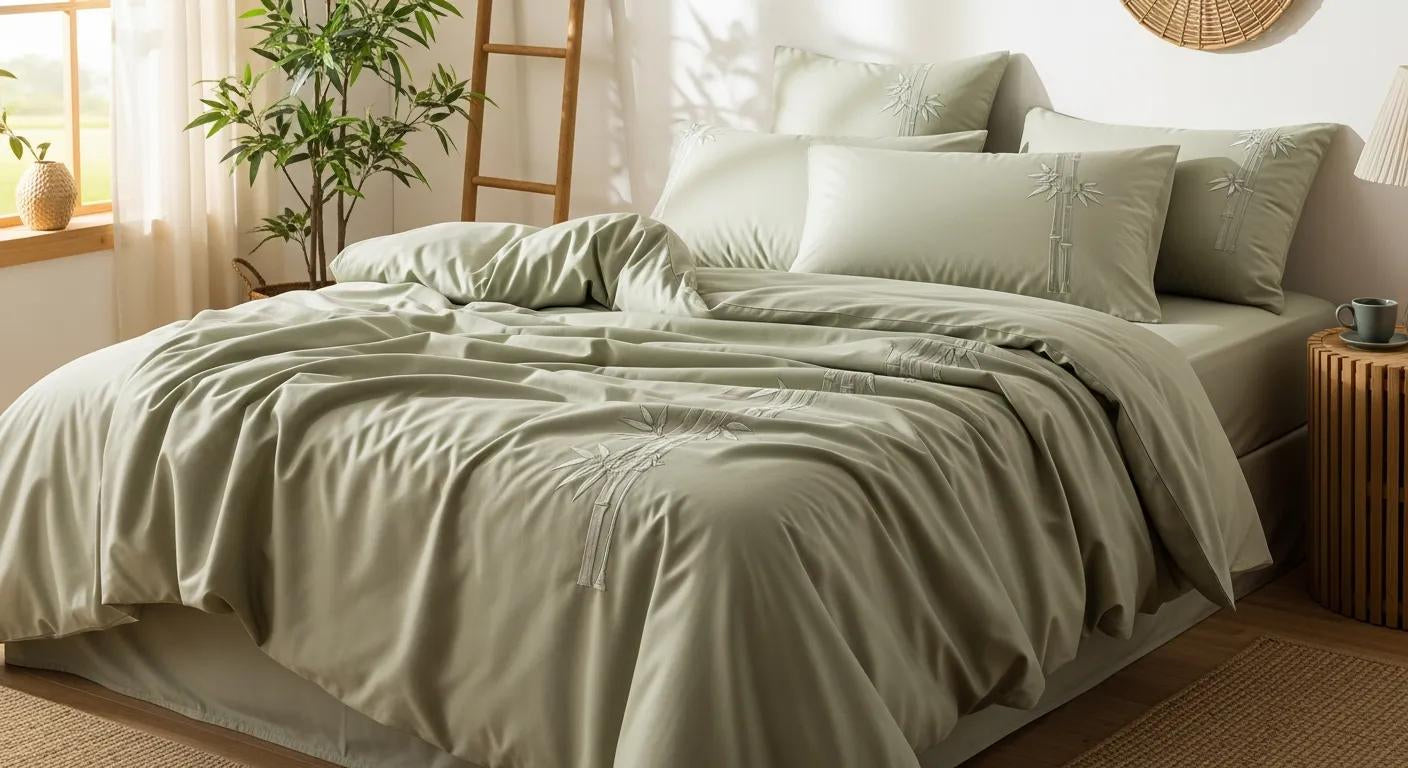
Sustainable comfort — premium bamboo bedding
At EcoToppers, we pair sustainable materials with practical sleep performance to create what we call “sustainable comfort” — bedding that’s breathable, gentle on sensitive skin and good at regulating temperature for Australian homes. This guide walks you through how bamboo mattress toppers, sheets, quilts and pillows perform, who benefits most (allergy sufferers and hot sleepers in particular), and how bamboo supports lower resource use and easier end-of-life outcomes. If you want bedding that cuts night sweats, reduces irritants and makes laundering simpler without giving up durability, bamboo is worth a close look. Read on for clear comparisons, what to check on certifications, care tips, and product features so you can choose the right bamboo bedding for home, hospitality or NDIS-supported settings.
What are the benefits of bamboo mattress toppers in Australia?
Bamboo mattress toppers add a breathable, moisture-wicking layer that improves surface comfort, helps relieve pressure and reduces allergen build-up. Viscose made from bamboo forms fine fibres with tiny channels that move sweat away from skin and let air circulate — a tangible advantage in warm or humid Australian conditions. Toppers differ in loft and construction, and thickness plus any support layers change how pressure is spread and how the topper works with your mattress. Below is a short list of the main advantages, followed by a closer look at construction and allergy performance.
Bamboo mattress toppers deliver these five core benefits:
- Hypoallergenic surface: Bamboo fibres are less likely to harbour dust mites and help reduce allergen load.
- Temperature regulation: The fabric wicks moisture and encourages airflow to support sleep thermoregulation.
- Moisture-wicking: Sweat is drawn away from the skin, keeping sleepers drier through the night.
- Added comfort and pressure relief: Soft fibre loft and layered constructions cushion pressure points.
- Durability and easy care: Well-made toppers endure regular laundering and daily use when cared for properly.
These points form the basis for choosing a topper. Next, we explain how construction affects support and pressure relief so you can match a topper to your mattress and sleep position.
Below is a simple comparison of common topper types and their trade-offs — a practical way to pick the right construction for your needs.
| Topper Type | Attribute | Typical best use |
|---|---|---|
| 2cm bamboo fibre topper | Low loft, very breathable | For a light boost of surface softness without changing mattress support |
| 5cm bamboo with memory layer | Medium loft, contouring pressure relief | Great for side sleepers who need extra shoulder and hip cushioning |
| Bamboo blend with support core | Multi-layer build with foam support | For heavier sleepers or when you need stronger support correction |
This table helps you match topper type to sleeping style and mattress condition, so you pick the right thickness and layering for comfort and support.
How do bamboo mattress toppers enhance comfort and support?
Bamboo toppers combine soft fibre loft with engineered support layers to spread pressure more evenly and reduce motion transfer. The weave and fibre structure shape the initial surface feel, while optional thin memory or support cores provide contouring for side or combination sleepers. Back sleepers will often find a medium-thickness topper keeps spinal alignment while adding cushioning; side sleepers usually benefit from thicker or memory-layer constructions to protect shoulders and hips. When comparing products, consider the topper’s fabric, fill and support layer to understand how it will change mattress firmness and pressure relief.
Also check recommended thickness and mattress compatibility so the topper improves comfort without negatively changing support. Next, we cover allergen performance, which is influenced by construction and cover choice as well.
Why are bamboo mattress toppers good for allergy sufferers?
Bamboo fibres tend to resist dust-mite habitation and trap fewer particulates than some natural-fill options, making them a strong choice for allergy-prone bedrooms. The smooth viscose surface reduces particle adherence, and the moisture-wicking action discourages the humid microclimates that dust mites prefer. Choosing OEKO-TEX Standard 100–tested fabrics and washing removable covers regularly further lowers allergen levels in home or commercial settings. Simple care habits — regular laundering and protective encasements — help sustain hypoallergenic performance over time.
Those qualities make bamboo toppers a practical part of a low-allergen bedding setup, alongside appropriate sheets and quilt covers.
Why choose hypoallergenic bamboo sheets for sensitive skin?
Bamboo sheets suit sensitive skin because they are soft, smooth and breathable, which reduces friction and moisture build-up that can worsen irritation. Bamboo’s moisture-control and thermal properties help avoid the damp, warm conditions that can aggravate eczema or dermatitis. Responsibly produced bamboo fabrics with recognised testing profiles give extra confidence that chemical residues are minimised. Below is a direct comparison with cotton to show how bamboo performs for allergy-suitability and environmental attributes.
| Fabric type | Allergy-suitability | Breathability | Durability |
|---|---|---|---|
| Bamboo (viscose) | High — smooth surface reduces irritation | Highly effective moisture-wicking | Moderate–high with proper care |
| Cotton (combed) | Moderate — can trap more allergens depending on the weave | Moderate — varies with construction | High — robust with regular washing |
| Linen | Moderate — coarser texture can irritate some | High — excellent airflow | High — long-lasting |
This comparison highlights the trade-offs so people with sensitive skin can prioritise surface smoothness and moisture control when choosing sheets. Checking certifications that verify safety is the next sensible step.
How do bamboo sheets compare to cotton for allergy relief?
In many cases, bamboo sheets offer better allergy relief than cotton because viscose-from-bamboo is smoother and wicks moisture more effectively — together, these factors reduce conditions that support dust mites and microbes. Cotton’s cooling performance depends on weave and thread count, while bamboo tends to keep a consistent cooling feel, even in humid weather. For people with eczema or reactive skin, bamboo’s softer hand and lower friction can reduce nighttime irritation. When comparing sheets, look at weave (sateen or jersey) and certification badges to ensure processing methods match your hypoallergenic needs.
We cover care routines later to help you preserve hypoallergenic properties through repeated washing.
What certifications ensure bamboo sheets are safe and eco-friendly?
OEKO-TEX Standard 100 is a practical baseline — it tests textiles for harmful substances and gives consumers a reliable safety check. GOTS signals organic processing and supply-chain transparency, though not every viscose-from-bamboo product meets GOTS rules because of how it’s processed. Always look for clear certification claims and third-party test results on product pages to validate environmental and skin-safety statements. These checks reduce risk and help sensitive users choose with confidence.
Verifying certification badges on product pages and labels helps guide buying decisions before you move on to sustainability impacts.
How does eco-friendly bamboo bedding support sustainable living in Australia?
Bamboo bedding supports lower-impact living because bamboo grows quickly, often needs less water and can yield more fibre per hectare than many conventional crops. When harvested and processed responsibly, bamboo’s rapid regrowth and renewability reduce resource inputs. Biodegradable natural-fibre components also lessen long-term landfill persistence compared with many synthetic options. Below are three core sustainability reasons bamboo bedding aligns with eco-conscious households and institutional procurement.
Key sustainability reasons to consider bamboo bedding:
- Rapid renewability: Many bamboo species grow and regenerate quickly, lowering land pressure.
- Lower water footprint: Properly managed bamboo often needs far less irrigation than water-intensive crops like cotton.
- Biodegradability: Natural-fibre components break down more readily than many synthetics at the end of life.
These attributes make bamboo a lower-impact choice for Australians who prioritise more sustainable home textiles. Sourcing and processing decisions, however, still matter — which we cover next.
What makes bamboo a sustainable bedding material?
Bamboo’s sustainability starts with its biology: many species grow fast and recover quickly after harvest, producing a high yield per hectare. But true sustainability depends on ethical sourcing and transparent supply chains — the viscose process can be chemical-intensive if not well managed, which can offset cultivation benefits. Look for traceable sourcing and reduced-chemical processing claims, and ask for certifications or supply-chain details when evaluating products. Those steps help you assess lifecycle impacts more accurately.
With processing caveats understood, the fabric structure then becomes relevant to sleep performance and thermoregulation, which we address next.
How does bamboo bedding regulate temperature for better sleep?
Bamboo bedding supports temperature regulation through fibre-level moisture-wicking and breathable fabric constructions that allow evaporative cooling at the skin. Tiny channels in viscose-from-bamboo fibres move moisture away from skin into the fabric where it can evaporate, producing a cooling effect that benefits hot sleepers and humid climates. Pairing bamboo sheets with a breathable topper or a light organic quilt cover maximises cooling by allowing air to move through the bedding system. Choosing jersey weaves for year-round comfort or sateen for a cool, smooth feel helps tailor thermoregulation to seasonal needs.
These performance characteristics feed directly into product choices for quilt covers and commercial specifications, which we outline next.
What are the features of organic bamboo quilt covers available in Australia?
Organic bamboo quilt covers combine weave, fill weight and certification into products suited to seasonality and personal comfort. Common features include sateen or jersey cover weaves for different surface feels, fill options from lightweight to medium, and sizing that matches Australian bed formats. Construction details like cover weave, batting and seam work determine breathability and warmth, while certifications show whether processing met defined standards. Below, we summarise typical feature clusters and how they matter for everyday sleep comfort, then explain how EcoToppers can supply these at scale for commercial fit-outs.
Common product features to evaluate:
| Feature | Specification | Practical benefit |
|---|---|---|
| Cover weave | Sateen or jersey | Sateen: smooth and cool; jersey: stretchy and breathable |
| Fill options | Lightweight to medium | Layer for seasonality — lighter for summer, medium for cooler nights |
| Sizing | Australian bed sizes | Ensures correct fit for standard mattresses and quilts |
This mini-spec table helps you pick the right cover features for your use case. EcoToppers can supply organic bamboo quilt covers in bulk for commercial projects and offer tailored specifications for hospitality or institutional needs.
How do organic bamboo quilt covers enhance sleep comfort?
Organic bamboo quilt covers combine the fabric’s natural softness with fill choices that support effective layering and temperature balance. Lightweight fills with breathable covers give summer comfort, while medium fills add insulation without trapping heat when layered correctly. Smooth sateen or soft jersey reduces skin friction and improves comfort for sensitive sleepers. Pair a breathable quilt cover with a bamboo sheet and an appropriate topper for adaptable comfort across seasons.
Choosing the right cover weight and weave also supports efficient laundering cycles in commercial settings, which brings us to care guidance next.
How should you care for organic bamboo quilt covers?
Proper care extends a quilt cover’s life: wash gently with mild detergent, avoid high-temperature drying, and use low-heat ironing only if needed to refresh the hand. Don’t use bleach or strong fabric softeners — they degrade fibre performance and reduce moisture-wicking. In commercial laundry contexts, specify gentle industrial cycles and protective bags to reduce wear from heavy agitation. Regular, appropriate care preserves thermal properties and maintains any certifications that verify safety and skin compatibility.
Following these steps keeps the cover looking and performing well and helps with procurement and servicing decisions for commercial or NDIS-supported environments.
How can commercial and NDIS clients benefit from bamboo bedding solutions?
Commercial and NDIS clients see practical gains from bamboo bedding: lower lifecycle costs, improved resident or guest comfort, and procurement options that support care and hospitality standards. Bamboo’s durability and easy-care features reduce replacement frequency and laundry strain in busy settings, while hypoallergenic surfaces and temperature regulation boost occupant wellbeing. Below is a short service comparison showing how different customer segments can access offerings like bulk supply, NDIS invoicing and custom sizing, followed by how EcoToppers supports NDIS participants and commercial procurement.
| Customer segment | Service offering | Expected benefit |
|---|---|---|
| Hospitality | Bulk supply, commercial-grade specifications | Better guest comfort and improved feedback |
| Aged care | Durable linens, easy-care specifications | Lower maintenance and improved resident comfort |
| NDIS participants | NDIS-compliant invoicing and product guidance | Simplified procurement and tailored suitability |
This comparison clarifies which services match different operational goals and helps organisations request quotes or product specifications when planning fit-outs.
Key commercial benefits and procurement supports include:
- Lower total cost of ownership: Durable materials and straightforward care reduce replacement and laundry costs.
- Hygiene and wellbeing: Hypoallergenic, temperature-regulating textiles improve occupant comfort and reduce complaints.
- Procurement support: Bulk ordering, specification guidance and NDIS invoicing simplify administrative processes.
These advantages make bamboo bedding a strong option for hospitality, aged care and disability-support settings. EcoToppers offers practical support to manage orders and invoicing for institutional customers.
EcoToppers provides direct commercial support tailored to institutions and NDIS participants: bulk supply options, fit-out specification advice and NDIS-compatible invoices where required. When you enquire, have project details ready — quantities, preferred product specs and any accessibility requirements — so we can provide timely, accurate quotes. Our commercial services are designed to help with project planning, simplify procurement and ensure product choices meet wellbeing and maintenance goals.
What bamboo bedding options are available for hospitality and accommodation?
For hospitality, we offer commercial-grade sheet sets, machine-stable quilt covers and reinforced toppers made to withstand frequent laundering and quick turnaround. Specification advice focuses on weave, reinforced seams and thermal ratings that meet guest expectations while tolerating industrial cleaning. Choosing fibres and constructions that stand up to commercial laundering without losing hand feel is central to reducing replacement costs and improving guest satisfaction. Specifying the right SKUs balances comfort with long-term operational robustness.
Next, we outline how EcoToppers helps NDIS participants with procurement.
How does EcoToppers support NDIS participants with bamboo bedding?
We support NDIS participants by offering product guidance aligned with common support needs — sensory sensitivities, allergy reduction and easier laundering — and by issuing NDIS-compliant invoices to simplify funding. The procurement pathway is straightforward: specify the items you need, tell us about any sensory or accessibility preferences, and request an itemised quote or invoice that meets NDIS documentation requirements. We can advise on suitability for sensory comfort and hygiene so participants and coordinators can choose the right products. Clear, itemised invoices make it easier to apply funding to bedding purchases that support health and wellbeing.
This practical support helps NDIS participants obtain suitable bedding efficiently and prepares them for the next steps in purchase and delivery planning.
What are the best practices for caring for sustainable bamboo bedding?
Correct care preserves bamboo’s performance, extends product life and maintains hypoallergenic properties. Best practices include washing on gentle cycles with mild detergent, avoiding high-heat drying, and storing items in a cool, dry place to prevent moisture damage. For stains, treat promptly with enzyme-based removers and cold water before laundering. The checklist below provides a simple laundry and maintenance routine for both households and commercial laundries, followed by concise FAQs about common care questions.
Care checklist for bamboo bedding:
- Wash gently: Use cool-to-warm water on a delicate or gentle cycle with a mild, pH-neutral detergent.
- Avoid harsh chemicals: Do not use bleach or strong fabric softeners that break down fibres.
- Dry carefully: Prefer line-drying or low-heat tumble settings to preserve fibre integrity.
Following these steps keeps bamboo bedding performing well and reduces premature wear. Below, we detail washing specifics and answer common user questions.
How do you wash and maintain bamboo bedding for longevity?
To preserve bamboo bedding, sort items by colour, use a gentle detergent, and select a low-agitation wash at cool to warm temperatures to protect fibre structure. Avoid bleach and high-heat drying; instead, tumble dry on low or line dry to keep the hand soft and reduce shrinkage. For commercial laundries, specify protective wash bags and reduced mechanical action to prevent pilling and seam stress. Rotating sets and avoiding overloading machines also extends the lifespan and helps maintain moisture-wicking and softness.
These simple steps reduce maintenance costs and preserve the performance you chose bamboo bedding for in the first place.
What are common FAQs about bamboo bedding care?
Bamboo bedding care often raises questions about washing frequency, stain removal and durability. Here are short, practical answers to help set expectations.
- How often should I wash bamboo sheets? For most households, wash sheets every one to two weeks; wash more often if you have allergies or heavy perspiration.
- Can bamboo bedding go in the dryer? Yes — use low heat. Line-drying is gentler and helps maintain fibre strength and reduce shrinkage.
- Will bamboo bedding pill or fade? Proper care reduces pilling and fading. Avoid abrasive washing, strong detergents and overloading the machine to minimise surface wear.
- Maintenance summary: Gentle laundering and careful drying preserve hypoallergenic and thermoregulatory functions.
- Replacement guidance: Replace when fill or fibre integrity noticeably degrades and affects comfort or hygiene.
- Commercial note: For institutions, specify wash cycles that balance sanitisation with fabric longevity to optimise total cost of ownership.
These answers wrap up care guidance and address common questions from both consumers and procurement teams.
Common Questions About Bamboo Bedding
What is the environmental impact of bamboo bedding compared to traditional materials?
Bamboo bedding generally has a lower environmental footprint than many traditional materials. Bamboo grows quickly, often needs less water and can be cultivated without heavy pesticide use, which reduces some farming impacts. At the end of life, natural-fibre bedding is more likely to biodegrade than many synthetic alternatives. That said, processing methods matter — responsible manufacturing and clear supply-chain claims help ensure the overall impact is genuinely lower.
How does bamboo bedding help with temperature regulation?
Bamboo bedding regulates temperature through fibre-level moisture-wicking and breathable fabric constructions. Tiny channels in the fibres move moisture away from the skin so it can evaporate, producing a cooling effect. This makes bamboo a strong choice for hot sleepers and for humid climates, and it helps improve overall sleep comfort by managing moisture and airflow where you need it most.
Are there any specific care instructions for maintaining bamboo bedding?
Yes — wash bamboo bedding on a gentle cycle with mild, pH-neutral detergent, avoid bleach and fabric softeners, and tumble dry on low or line dry where possible. These steps preserve fibre strength, moisture-wicking ability and the soft hand you expect from bamboo textiles.
Can bamboo bedding be used in commercial settings?
Absolutely. Bamboo bedding works well in hotels, aged care and NDIS-supported environments. When specified for commercial use, choose products designed for frequent laundering — reinforced seams, machine-stable weaves and clear care guidelines ensure durability without sacrificing comfort. EcoToppers supplies commercial products and can advise on the right specifications for operational needs.
What should I look for when purchasing bamboo bedding?
Look at fabric type, construction, certifications and care instructions. Prefer reputable viscose-from-bamboo or high-quality bamboo blends, check for OEKO-TEX or other third-party test marks, and note whether the weave (sateen or jersey) matches your comfort preferences. Clear care instructions and transparent sourcing information are also important for long-term performance.
Is bamboo bedding suitable for people with sensitive skin?
Yes — bamboo bedding is often a great choice for sensitive skin. Its smooth surface and strong moisture-wicking properties reduce friction and damp conditions that can aggravate irritation. For extra reassurance, choose certified fabrics and follow gentle care routines to preserve hypoallergenic benefits.