





Discover Bamboo Quilts: Naturally Soft, Hypoallergenic and Temperature‑Smart Sleep
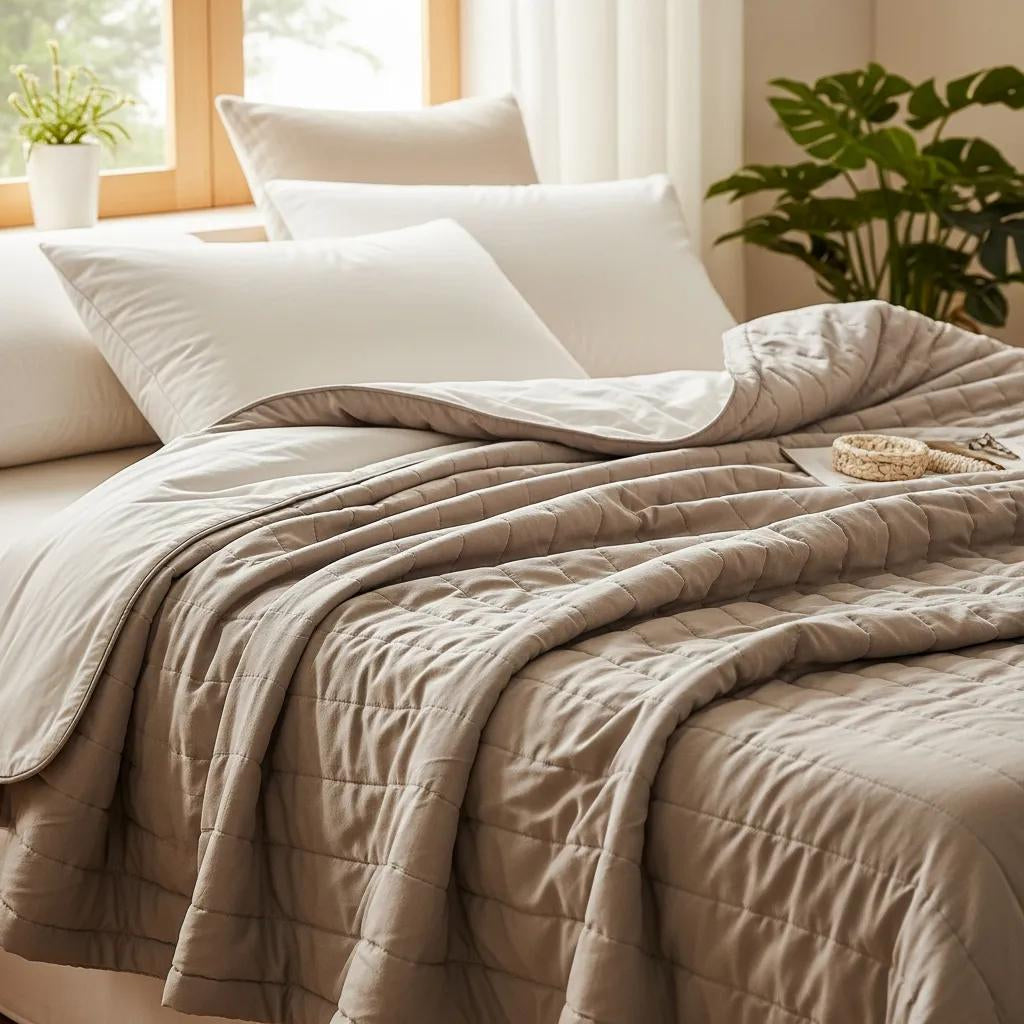
Bamboo quilts are lightweight duvets made from bamboo-derived fibres and fills. They combine a silky, low-friction surface with natural moisture management to deliver breathable, hypoallergenic comfort that helps you sleep better. This guide explains why bamboo feels so soft, how its fibre structure controls heat and humidity, and what that means for sensitive skin or changing seasons. If you struggle with overheating, allergy triggers or scratchy bedding, bamboo quilts can help by wicking away moisture, reducing dust‑mite-friendly conditions and offering a smooth sleep surface that limits irritation. Read on to learn how bamboo fibres create that silky hand-feel, how quilts perform across seasons, why they're great for allergies, how to care for your quilt, and tips for choosing the right weight for hot or cool sleepers. We’ll also include clear comparisons and practical care advice so you can balance comfort, longevity and environmental impact when shopping.
What makes bamboo quilts the best choice for comfort?
Bamboo quilts feel comfortable because their fibres combine a fine, smooth surface with natural moisture-wicking. In simple terms, the yarns glide against skin while capillary action pulls sweat away from the body, reducing cling and clamminess. That mix of silky texture and efficient moisture control creates a stable microclimate at the bed surface, which many people report as more comfortable and less disruptive to sleep. Below is a quick comparison of the core attributes that show how bamboo quilts differ from conventional options and why they often feel superior.
Key attributes of bamboo quilts translate into clear, practical benefits through their materials and construction.
| Attribute | Characteristic | Practical Benefit |
|---|---|---|
| Softness | Fine, smooth fibres and a gentle weave | Silky hand-feel that reduces skin friction and irritation |
| Breathability | Open weave and microscopic moisture channels | Less heat buildup and a more balanced sleep temperature |
| Hypoallergenic performance | Lower allergen retention and easy-care surface | Fewer allergy triggers and simpler maintenance |
| Sustainability | Rapidly renewable bamboo source | Smaller environmental footprint than many conventional fibres |
Softness, breathability and hypoallergenic performance work together to create a comfortable sleep surface. Understanding these attributes helps when comparing GSM, fills and outer casings. The next sections unpack the fibre science and seasonal behaviour that make these benefits possible.
Why bamboo fibres feel silky and soft
Bamboo fibres feel silky because their microscopic structure is finer and smoother than many common fibres, producing a surface that glides against the skin. Converting bamboo to yarn—commonly via a viscose/rayon process—preserves that fine filament, and finishing techniques (for example, mercerising or softening) can enhance the hand-feel without adding bulk. The weave and thread count of the quilt casing also matter: a tight, fine weave made from quality bamboo yarn gives a smooth, breathable finish. If you want a quick test, compare a bamboo quilt to a cotton one of similar GSM — many sleepers notice less abrasion and better initial comfort with bamboo, which can reduce restless movement and help you fall asleep faster.
How bamboo quilts stay comfortable all year
Bamboo quilts perform across seasons because they combine moisture-wicking with options for different fill weights. In warm months, the fibres pull sweat away from the skin so evaporation cools the surface. In cooler weather, you can choose a higher‑GSM fill or layer the quilt with a topper to add insulation while keeping breathability, so moisture doesn’t get trapped. Choosing the right GSM and layering strategically means you can tailor a bamboo quilt to your climate and personal warmth preferences rather than relying on a one-size-fits-all solution.
If you’re looking to buy or trial a premium bamboo quilt, EcoToppers offers a range of bamboo quilts and sleep accessories built around comfort, sustainability and temperature control. We design our products for Australian sleepers who want naturally hypoallergenic, breathable bedding, and we stand by our commitment to customer satisfaction and convenient delivery options.
Are bamboo quilts hypoallergenic and dust‑mite resistant?

Yes — bamboo quilts are widely seen as a sensible hypoallergenic option. Their smooth fibres reduce skin abrasion, and the fabric’s moisture-management helps avoid the damp microclimates that dust mites prefer. Together, these features can lower allergen exposure and reduce nightly irritation for many sleepers. Below is a summary of the key points, followed by practical details on sensitive-skin benefits and care.
Short answer and key benefits:
- Yes — bamboo quilts are commonly classed as hypoallergenic because smooth fibres plus moisture control reduce irritation and dust‑mite friendly conditions.
- How it works: gentler fibre surface combined with effective wicking that keeps the sleep environment drier.
Benefits for people with allergies or sensitive skin:
- Less skin irritation thanks to a silky fabric surface.
- Lower dust‑mite habitat because moisture is moved away from the body.
- Easier cleaning and upkeep to help preserve hypoallergenic performance.
For severe allergies, bamboo bedding works best as part of a broader allergen-management plan — regular washing, mattress encasements and environmental controls will help further reduce exposure. The care recommendations below explain practical steps to keep your quilt performing well.
Hypoallergenic benefits for sensitive skin
Bamboo quilts are a good option for sensitive skin because the fibre surface causes less friction and fewer micro-abrasions than coarser fabrics, which can reduce irritation from eczema or reactive dermatitis. The smooth yarns and soft weave lower the chance of itch or chafing, and breathability prevents sweat from sitting against the skin — a common trigger for sensitivity. When laundering, choose gentle detergents and avoid harsh chemicals to preserve the finish and reduce the chance of residues that might irritate vulnerable skin. These material choices and care steps together create a lower‑irritation sleep surface many find soothing.
Dust‑mite resistance and what it means for care
Bamboo quilts don’t usually rely on chemical treatments to repel dust mites; they reduce mite risk indirectly by keeping the sleep surface drier and less hospitable. To maintain that advantage, you need routine airing and periodic washing, because skin cells and oils are what feed mites. Regular maintenance — for example, washing every few months and airing or sunning occasionally — helps preserve dust‑mite resistance and keeps allergen build‑up to a minimum.
How do bamboo quilts regulate temperature for year‑round comfort?

Bamboo quilts manage temperature through three complementary mechanisms: tiny air channels within the fabric structure, moisture-wicking that promotes evaporative cooling, and balanced thermal conductance that prevents heat from becoming trapped. Fine fibres create micro-gaps that allow airflow; capillary action moves perspiration away from the skin so it can evaporate; and the fibres’ thermal behaviour helps excess warmth escape rather than accumulate. Together, these features help the quilt feel neither stifling nor draughty, making it useful in a wide range of temperatures. The table below links each mechanism to the real benefits sleepers notice.
| Mechanism | How it works | Benefit for sleepers |
|---|---|---|
| Micro‑gaps | Fine fibre packing creates small air channels | Continuous air exchange prevents heat build-up |
| Moisture‑wicking | Capillary transport moves perspiration to the outer layers | Evaporative cooling for hot sleepers |
| Thermal conductance | Moderate heat transfer through the fibres | Stops overheating while still feeling comfortable on cool nights |
This breakdown shows how hot sleepers cool faster and those in cooler climates can layer without losing breathability — letting you tailor warmth without compromising airflow.
Micro‑gaps, moisture‑wicking and breathability
“Micro‑gaps” are the tiny pockets of air created by yarn structure and weave that let convective airflow move close to the skin, carrying heat away. Moisture‑wicking works with airflow by taking sweat from the skin to the fabric surface, where it can evaporate, producing a cooling effect without leaving you damp. Breathability is the combined result: effective exchange of air and moisture that avoids the clammy feeling common with heavier fills. These properties make bamboo quilts particularly useful for people who sweat at night or sleep in rooms with variable temperatures.
Benefits for hot sleepers — and for cool nights
If you sleep hot, a lightweight bamboo summer quilt or a low‑GSM fill will move moisture away quickly and support fast evaporative cooling, helping reduce awakenings from overheating. On colder nights, choose a higher‑GSM bamboo fill or add an insulating topper or duvet to trap more warmth while keeping breathability, so moisture doesn’t become a cooling problem. In short: hot sleepers should favour lighter fills and open weaves; those wanting extra warmth should opt for higher fill weights or layer — both approaches keep bamboo’s temperature‑regulating advantages intact.
Why EcoToppers bamboo quilts are a sustainable choice for Australian sleepers
EcoToppers positions our bamboo quilts as a sustainable bedding option by focusing on ethically sourced bamboo and eco-friendly materials. For Australian customers, that means a product designed to combine comfort with environmental responsibility. We support buyers with a commitment to customer satisfaction and convenient delivery options, making trying a quilt a low-risk choice. Our range includes bamboo quilts, mattress toppers and pillows engineered for temperature regulation, hypoallergenic performance and long-lasting comfort.
Below, we summarise the sustainability features we reference and the practical value they offer Australian sleepers.
| Feature | EcoToppers claim | Practical impact |
|---|---|---|
| Ethically sourced bamboo | Bamboo from managed sources (company-stated) | Lower environmental footprint and a more sustainable raw material supply |