




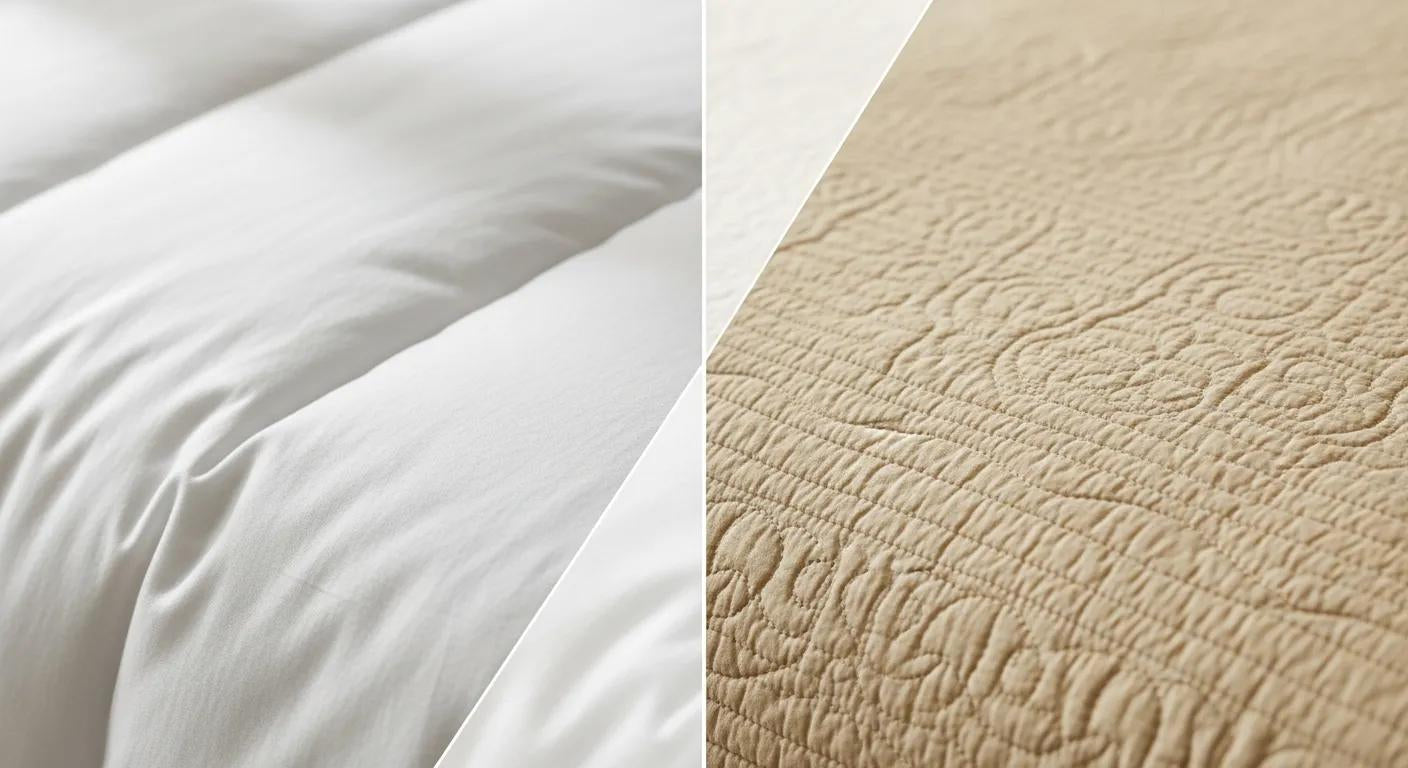
Hypoallergenic vs Traditional Quilt Covers
Hypoallergenic quilt covers are made to lower your exposure to common triggers — dust mites, pet dander and unwanted microbial growth — by using specific fibres, tighter weaves and moisture-control features that stop allergens building up. This guide clearly explains how hypoallergenic covers differ from traditional options, compares bamboo and organic cotton for sensitive sleepers, and gives practical care steps that keep allergy protection and comfort working over time. Many Australians with allergic rhinitis, asthma or eczema notice worse sleep when bedding holds allergens, so choosing the right cover and caring for it properly can reduce symptoms and improve rest. We'll walk you through the benefits of barrier fabrics, the pros and cons of common materials, practical washing advice to cut dust mite loads, and straightforward buying considerations like comfort, durability and environmental impact. We’ve also included comparison tables and actionable checklists to help you pick the quilt cover that suits your health needs and values, finishing with a summary of how EcoToppers’ bamboo range meets hypoallergenic expectations for Australian shoppers.
What Are Hypoallergenic Quilt Covers and How Do They Protect Against Allergies?
Hypoallergenic quilt covers are designed to reduce contact with allergens in three main ways: a tight weave that physically blocks mites and particles, fibres with natural antimicrobial traits that limit microbial growth, and breathable, moisture-wicking fabrics that lower the humidity mites need to survive. Together, these features reduce allergen transfer from the duvet to the sleeper and make the microclimate on the bed less friendly to mite reproduction, which can translate into fewer flare-ups. Knowing how weave density, fibre choice and breathability work together helps you look past marketing claims and choose what really matters for allergy control.
What materials make quilt covers hypoallergenic?
Below are the materials most often recommended for allergy-prone sleepers, and why each is effective at reducing allergen exposure and improving sleep comfort. We focus on fibre properties, weave structure and real-world performance for sensitive skin.
- Bamboo viscose: Naturally antibacterial and excellent at wicking moisture, bamboo viscose helps keep the surface dry and reduces microbial growth.
- Organic cotton (tight weave): Lower chemical residues plus a dense percale or sateen weave create an effective physical barrier against mite penetration.
- Tightly woven synthetic microfibres: High thread-count microfibres can act as a strong allergen barrier, though breathability depends on the construction.
- Treated barrier fabrics (encasements): Specialist encasements use membrane layers or ultra-fine weaves to block allergens while aiming to remain breathable.
Each option balances breathability, barrier performance and comfort. Which one suits you best will depend on your skin sensitivity, local climate and how often you’re willing to launder bedding. Understanding these trade-offs makes it easier to see how fabrics actually limit dust mite exposure in everyday use.
How do hypoallergenic quilt covers prevent dust mite allergies?
They work by creating a physical barrier and changing the microclimate where mites thrive. Tight weaves reduce pore size so mites and their faecal particles can’t pass through; moisture-wicking fibres lower surface humidity and make the bed less hospitable; and antibacterial properties help limit microbes that can contribute to irritation and odour. Regular washing at the temperatures recommended on the care label removes accumulated allergens and skin cells, completing the protective system and helping the barrier remain effective over time.
What Are the Common Materials Used in Traditional Quilt Covers and Their Allergy Risks?
Traditional quilt covers are commonly made from standard cotton, polyester blends or down-filled constructions. While these choices are often soft and affordable, some constructions can trap moisture, allow mite movement or hold allergen particles — increasing the risk for sensitive sleepers. Knowing how each material behaves in terms of moisture, weave openness, and allergen retention helps you make safer choices for homes affected by asthma or eczema.
- Standard cotton (loose weave): Looser weaves let dust mites and particles move between layers and can retain humidity in wetter conditions.
- Polyester and synthetic blends: Some synthetics trap heat and moisture against the skin, which can increase night-time sweating and create mite-friendly humidity.
- Down and feather-filled covers: Loose fillings form pockets that catch skin flakes and dust, providing food and shelter for mites.
- Low-thread-count linens and open weaves: Lower thread counts generally mean larger pores and weaker barrier performance.
These traditional materials can still be used safely with good encasements, frequent washing and environmental controls. But for people with moderate to severe allergies, switching to tighter weaves or barrier-focused fabrics is often the simplest and most effective first step.
Which traditional quilt cover materials trap allergens like dust mites?
Down-filled covers and loose-weave cotton are the likeliest culprits because their structure allows particle movement and holds skin flakes that feed mites. Polyester blends may trap heat and moisture against the body, raising relative humidity at the bedding surface and encouraging mite activity, especially in warmer regions. Blended fabrics can also have finishes or lower-quality fibres that complicate laundering and reduce breathability, so allergens accumulate more quickly. For sensitive people, this often means more frequent symptoms and stricter cleaning routines.
What are the drawbacks of traditional quilt covers for sensitive sleepers?
Traditional covers often favour softness or loft over allergen control, which can lead to practical problems for allergy-prone sleepers: increased night-time symptoms, poorer sleep quality and possibly more medical management. Moisture retention in some synthetics and down can increase mould risk in humid environments, while loose weaves simply don’t provide the barrier needed to stop mite allergens moving into your breathing zone. Sensitive sleepers may therefore need mattress and pillow protectors, regular high-temperature washing, or a move to barrier fabrics to achieve meaningful symptom reduction.
How Do Bamboo and Organic Cotton Quilt Covers Compare for Allergy Sufferers?
Bamboo and organic cotton are two popular natural options for hypoallergenic bedding. They differ in antibacterial performance, moisture handling, certification clarity and environmental trade-offs — so each suits different priorities like respiratory sensitivity, skin conditions and sustainability goals. The table below summarises the main differences and is followed by a short note on when each fibre is likely to be the better pick.
| Material | Hypoallergenic property | Breathability & moisture control | Environmental impact |
|---|---|---|---|
| Bamboo (viscose) | Naturally antibacterial fibres reduce microbial load | Excellent moisture-wicking and temperature regulation | Lower water/pesticide use in raw bamboo; biodegradable fibre |
| Organic cotton | Low chemical residues; gentle on sensitive skin | Good breathability but slightly less moisture-wicking than bamboo | GOTS-certified cotton avoids synthetic pesticides; biodegradable |
In short, bamboo often outperforms at moisture control and antibacterial action, while organic cotton offers a very gentle, low-chemical option with solid breathability. Read on for a closer look at bamboo’s benefits and how organic cotton stacks up for sensitive skin.
What are the hypoallergenic and environmental benefits of bamboo quilt covers?
Bamboo viscose fibres bring natural antimicrobial tendencies plus strong moisture absorption and wicking — together these reduce surface humidity and make conditions less favourable for dust mites. Bamboo’s breathability and temperature-regulating qualities suit many Australian climates, helping sleepers avoid night sweats that can worsen allergy symptoms. Environmentally, bamboo grows quickly and typically needs fewer pesticides and less irrigation than conventional cotton; finished bamboo textiles are biodegradable when processed with low-impact methods. That combination makes bamboo a common choice for allergy-focused bedding.
How does organic cotton compare to bamboo for sensitive skin and allergies?
Organic cotton is chosen for its low chemical residues and soft hand-feel, which suits people with eczema or contact sensitivities who react to conventional textile finishes. It breathes well, though it usually doesn’t wick moisture as quickly as bamboo viscose, so it can feel warmer in very humid conditions unless woven tightly (percale or sateen). Certifications like GOTS or OEKO-TEX signal reduced pesticide use and controlled finishing chemicals — important considerations for skin-sensitive buyers. If maximum moisture control and natural antibacterial action are your priority, bamboo may be the better fit, especially for hot or sweat-prone sleepers.
What Are the Key Differences Between Hypoallergenic and Traditional Quilt Covers?
Hypoallergenic covers are built to reduce allergen exposure using tight weaves, moisture-wicking fibres and sometimes antimicrobial finishes. Traditional covers tend to prioritise texture, loft or price and may lack the structural barriers needed to keep dust mites and allergen particles out. The table below summarises practical differences in protection, breathability, comfort and environmental impact to help you decide.
| Feature | Hypoallergenic covers | Traditional covers |
|---|---|---|
| Allergy protection | Tight weave, barrier action, moisture control | Variable; often looser weave, traps allergens |
| Breathability | Designed to wick and ventilate | Varies; some retain heat/moisture |
| Comfort | Mid-to-high, depending on fibre | Wide range; often lower upfront cost |
| Durability | Depends on fibre and care; generally good | Varies; synthetics are durable but may degrade breathability |
| Environmental impact | Natural fibres can be sustainable; production matters | Synthetics are less biodegradable; conventional cotton uses more resources |
Overall, hypoallergenic covers tend to offer better allergen control and microclimate management, while traditional covers can be more budget-friendly but riskier for sensitive sleepers. Below, we explain how EcoToppers responds to these trade-offs for Australian buyers.
How EcoToppers addresses these differences
At EcoToppers, we design bamboo quilt doona options that pair a tight, breathable weave with the natural antibacterial and moisture-wicking benefits of bamboo viscose. Our aim is allergy control without losing the soft, comfortable hand-feel people expect from quality bedding. We prioritise temperature-regulating breathability and sustainable, biodegradable materials to reduce both allergen burden and environmental footprint for Australian customers. To make buying easier, we offer excellent customer support, convenient delivery options, and accessibility for various funding needs. These services help you try hypoallergenic bamboo with confidence while balancing performance, comfort and practical purchase protections.
How do hypoallergenic and traditional quilt covers compare in allergy protection and breathability?
Hypoallergenic covers normally outperform traditional options at preventing allergen transfer because they combine tight weaves with moisture-managing fibres that reduce humidity-driven allergen growth. Traditional covers may allow mite movement and retain moisture, increasing allergen concentrations. Breathability is crucial: fabrics that wick and ventilate keep surface humidity lower, which reduces mite viability and improves sleep comfort. For people with asthma who react to night-time humidity or for those with eczema who need cool, dry surfaces, hypoallergenic fabrics with strong moisture control are usually the best choice. Below are our simple recommendations by condition.
- For asthma and allergic rhinitis: Choose tight-weave, moisture-wicking covers to lower airborne allergen exposure and nighttime humidity.
- For eczema and contact sensitivity: Prefer organic cotton or bamboo with low-chemical finishes to avoid irritating residues.
- For hot sleepers: Opt for bamboo-based covers for superior temperature regulation and wicking.
What are the comfort, durability, and environmental impacts of each quilt cover type?
Comfort varies: basic synthetics and standard cotton are usually soft, while bamboo and certified organic cotton offer a luxurious feel depending on weave and finish. Durability depends on fibre strength and care — synthetics resist abrasion but may lose breathability, while natural fibres like bamboo and organic cotton keep comfort longer when laundered correctly. Environmental impact should be judged across the product lifecycle: bamboo commonly needs less water and fewer pesticides to grow, organic cotton avoids synthetic pesticides but can still be water-intensive, and synthetics are petroleum-based and less biodegradable. When you consider the long-term health benefits — fewer allergy-related doctor visits and better sleep — choosing hypoallergenic natural fibres can be a smart investment in your well-being.
How Should You Care for Hypoallergenic Quilt Covers to Maintain Allergy Protection?
Good care preserves the barrier properties and longevity of hypoallergenic quilt covers by removing allergens, preventing microbial growth and keeping fibres performing well. The right wash temperature, detergent and drying method depend on the material, but there are clear, practical principles to follow. Below is a care matrix for common materials and a short, practical cleaning checklist you can follow weekly and seasonally.
Below is a care matrix that maps common materials to recommended wash temperatures, detergent types, and drying methods so you can protect hypoallergenic performance while preserving fibre integrity.
| Material | Wash temperature | Detergent type | Dry method |
|---|---|---|---|
| Bamboo viscose | 30–40°C gentle cycle | Mild, enzyme-free detergent | Line dry or tumble low; avoid high heat |
| Organic cotton (tight weave) | 40–60°C | Mild detergent; avoid bleach | Tumble low or line dry; ensure fully dry |
| Synthetic microfibre | 40–60°C | Mild detergent; avoid fabric softener | Tumble low; air dry to preserve weave |
| Encasement barrier fabrics | 60°C periodic wash | Mild detergent; specialist cleaners if indicated | Line dry or tumble low per label |
- Wash on a regular schedule: launder covers and encasements weekly to reduce dust mite populations and remove skin flakes.
- Choose detergent carefully: use mild, low-residue detergents and avoid fabric softeners that can leave films and reduce breathability.
- Use appropriate temperatures: aim for 40–60°C for cotton and synthetics when the label allows; heat helps lower mite numbers while gentle cycles protect fibres.
- Dry completely: make sure items are fully dry in low heat or in the sun; damp storage encourages microbes and mite resurgence.
Following this routine keeps allergen-reduction benefits working and extends product life. A simple weekly wash plus a seasonal deep clean will help your bedding remain an effective part of your allergy-management plan.
What are the best washing and drying practices for hypoallergenic quilt covers?
Good washing and drying balances allergen removal with fibre care. Wash weekly at the temperatures the care label permits — commonly 40–60°C for cottons and synthetics — to remove skin cells and reduce mites. For delicate bamboo viscose, 30–40°C on a gentle cycle preserves the fibres. Avoid fabric softeners and bleach as they can leave residues that reduce breathability and irritate sensitive skin; use mild, enzyme-free detergents instead. Dry thoroughly: tumble on low or line dry in the sun to ensure all moisture is gone, and store covers in a dry place to prevent mites from returning.
How does proper care extend the effectiveness and lifespan of quilt covers?
Consistent laundering and correct storage keep the physical barrier and fibre performance that make hypoallergenic covers effective. Regular washing reduces the allergen reservoir in bedding, while full drying and airing between uses prevent microbial regrowth and odour. Signs a cover has lost effectiveness include persistent musty smells, visible thinning of the weave or recurring symptoms despite good room hygiene, at which point replacement is advised. A disciplined care routine preserves both health benefits and product life.
Why Choose EcoToppers’ Bamboo Quilt Covers for Hypoallergenic Bedding in Australia?
EcoToppers’ bamboo quilt doona options are built to deliver the hypoallergenic benefits we’ve outlined: natural antibacterial bamboo fibres, strong temperature-regulating breathability and sustainably sourced, biodegradable materials. We pair performance with comfort and practical support that matters to Australian shoppers. Whether you’re a homeowner or sourcing for a project, our product information and convenient delivery options are designed to make it easier to choose bedding that balances allergy control, comfort and sustainability.
What unique benefits do EcoToppers bamboo quilt covers offer allergy sufferers?
Our bamboo range uses naturally hypoallergenic and antibacterial fibres to lower surface microbes and manage moisture, reducing the microclimate that dust mites favour. The covers are breathable and temperature-regulating to suit Australia’s varied climates, while still feeling soft against sensitive skin. Design choices focus on tight weaves, moisture-wicking fibres and low-chemical finishes so you don’t have to trade comfort for performance.
How does EcoToppers support Australian customers with delivery and assistance?
We aim to make your purchase experience smooth with reliable delivery across Australia and support for various customer needs. These services are intended to reduce purchase friction and make it easier to test bamboo hypoallergenic options as part of a broader allergy-management strategy. If you need specific product or commercial details, we encourage direct enquiries so we can help match solutions to your environment or project.
Frequently Asked Questions
Can hypoallergenic quilt covers help with asthma symptoms?
Yes. Hypoallergenic quilt covers create a barrier against common triggers like dust mites — a frequent asthma trigger. Tight weaves and moisture-wicking fabrics reduce surface humidity and cut the amount of allergens released into the air while you sleep. That can reduce nighttime symptoms and improve overall sleep quality for many people with asthma.
How often should I wash hypoallergenic quilt covers?
We recommend washing quilt covers at least once a week to remove dust mites, skin flakes and other irritants. Use a gentle cycle with mild, enzyme-free detergent and follow the care label temperatures (typically 40–60°C for many fabrics). Regular laundering preserves the cover’s protective properties and extends its lifespan.
Are hypoallergenic quilt covers suitable for sensitive skin?
Yes. Many hypoallergenic covers are made from natural materials like bamboo or organic cotton, which tend to have lower chemical residues and are gentler on skin than some synthetic fabrics. Their moisture-wicking properties also help keep skin drier through the night, reducing irritation for people with sensitive skin.
What should I look for when buying hypoallergenic quilt covers?
Look at the material, weave density and breathability. Natural fibres such as bamboo or organic cotton provide good moisture control and antibacterial qualities; a tight weave is essential to stop allergen penetration. Check for certifications like GOTS or OEKO-TEX to confirm lower chemical use, and review care instructions so you can maintain the cover’s hypoallergenic features effectively.
Can I use fabric softeners with hypoallergenic quilt covers?
Generally, no. Fabric softeners can leave residues that reduce breathability and moisture-wicking, which can undermine the cover’s effectiveness and irritate sensitive skin. Stick to mild, low-residue detergents designed for sensitive skin instead.
How do I know if my quilt cover is losing its hypoallergenic properties?
Warning signs include persistent musty odours, visible thinning of the weave or recurring allergy symptoms despite good room hygiene. If your cover no longer manages moisture well or you notice worsening symptoms, it may be time to replace it. Regular washing and correct storage help prolong effectiveness.
Are there specific hypoallergenic quilt covers recommended for children?
Yes. For children, choose covers that are soft, breathable and free from harsh chemicals. Bamboo and organic cotton are both excellent choices because of their natural hypoallergenic properties. Make sure the cover is easy to wash — regular cleaning is essential to keep allergens under control and maintain a safe sleep environment for kids.