


Bamboo or Conventional? Choosing the Best Eco‑Friendly Outdoor Blanket
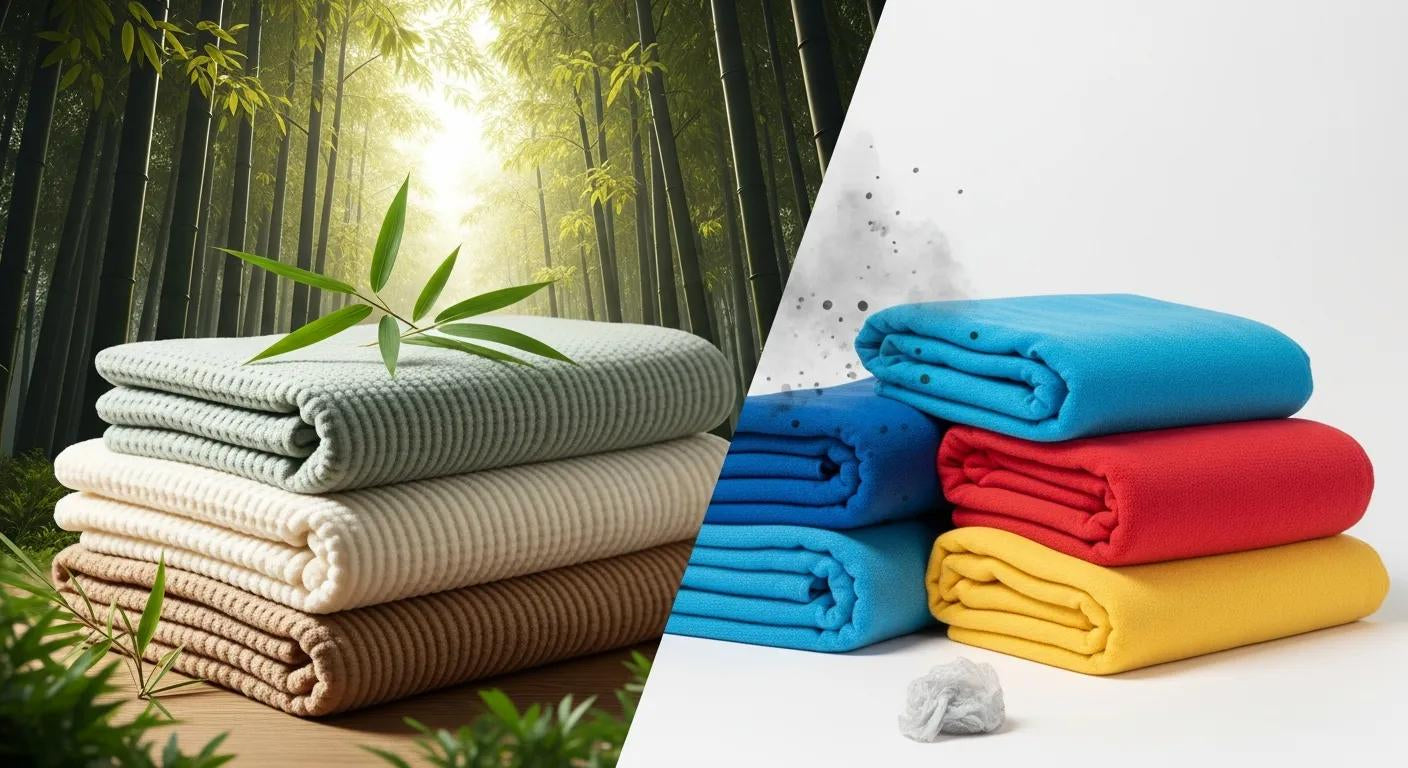
Picking the right outdoor blanket doesn’t have to be confusing. You might be deciding between a lightweight bamboo blanket and a more conventional cover — both have strengths, but bamboo brings a few clear advantages. In this guide, we explain how bamboo performs for breathability, sensitive skin, and sustainability, and share what customers say about our products at Eco Toppers. Read on to see whether a bamboo blanket is the better choice for your next camping trip, picnic or beach day.
More shoppers are choosing greener fabrics — demand for sustainable textile products is steadily rising across the market.
What are the main benefits of bamboo bedding versus conventional covers?
Bamboo bedding stands out for three reasons many of our customers care about: breathability, allergy-friendly properties, and lower environmental impact. Together, these features make bamboo a comfortable, long-lasting option for outdoor use.
| Benefit | Description | Value |
|---|---|---|
| Breathability | Bamboo fibres let air circulate more easily, helping you stay cool. | High |
| Hypoallergenic | Natural resistance to dust mites and common allergens makes it gentle for sensitive skin. | High |
| Sustainability | Bamboo typically needs less water and fewer pesticides than many other crops, lowering its environmental footprint. | High |
How does bamboo fibre improve breathability and comfort?
Bamboo fibres wick moisture away from the body and promote airflow, which helps regulate temperature so you sleep or relax cooler on warm nights. The fibres are also naturally soft, giving a luxurious feel without heavy weight — perfect for outdoor blankets where packability and comfort matter.
Why are bamboo blankets good for people with sensitivities?
Bamboo is naturally resistant to dust mites and some microbes, so it’s often a better fit for people with allergies or sensitive skin. That antimicrobial quality can reduce irritants and help keep the fabric feeling fresh, making bamboo a practical choice for families or anyone prone to skin or respiratory reactions.
How do lightweight bamboo blankets support sustainable outdoor living?
Lightweight bamboo blankets fit neatly into a low‑impact outdoor kit. Bamboo grows fast, regenerates without replanting in many cases, and generally uses less water than crops like cotton. That makes it a more sustainable fibre choice for people who want to reduce their environmental footprint.
How is bamboo cultivation more eco‑friendly than cotton?
Bamboo often needs far less water — estimates can be 70–80% lower than cotton, depending on species and farming practice — and many bamboo varieties resist pests naturally, so they require fewer pesticides. Those factors cut resource use and chemical inputs, delivering a cleaner product from farm to fibre.
Choosing alternatives like bamboo helps address the wider environmental toll of textiles, which remains a major industry challenge.
How do bamboo blankets reduce environmental impact when used outdoors?
Bamboo blankets are biodegradable, so they’re less likely to add long‑lasting waste to landfills at the end of life. Because they’re light and compact, they’re cheaper and cleaner to transport too — a small but meaningful saving in carbon emissions for frequent travellers and outdoor enthusiasts.
Which features make bamboo blankets better for outdoor use?
Bamboo blankets combine light weight with durability and comfortable performance — a mix that makes them ideal for many outdoor activities.
Why does a lightweight design matter for outdoor blankets?
Lightweight blankets are easier to carry, fold and pack, so they’re great for camping, picnics and beach trips. You get the comfort of a full‑size blanket without the bulk, which keeps your gear lighter and your day easier.
How durable is bamboo compared with conventional materials?
Bamboo fibre is strong and holds up well to regular use and washing. In many cases, it compares favourably with cotton and synthetic blends, resisting wear and maintaining softness, which means a bamboo blanket can be a smart long‑term investment for outdoor gear.
How should you care for and maintain your bamboo blanket?
Simple care goes a long way. Follow a few routine steps to keep your bamboo blanket looking and feeling great for years.
What are the best practices for washing and drying bamboo bedding?
Wash on a cold, gentle cycle with a mild detergent. Avoid bleach and fabric softeners, which can break down the fibres. Air drying is ideal; if you use a dryer, choose a low‑heat setting to limit shrinkage.
How does proper care extend a bamboo blanket’s life?
Consistent, gentle cleaning removes allergens and keeps fibres soft. Store blankets folded in a cool, dry place away from direct sunlight to prevent mould and fading — small habits that protect the blanket’s comfort and longevity.
What do customers say about Eco Toppers’ lightweight bamboo blankets?
Reviews for our bamboo blankets frequently highlight their softness, breathability and eco credentials. Customers appreciate that the blankets stay comfortable in warm weather and feel gentle on sensitive skin.
Which testimonials highlight bamboo blanket benefits?
Many customers call out better temperature regulation and exceptional comfort — notes like “stays cool on warm nights” and “great for sensitive skin” come up often. Those practical benefits are what keep people reaching for bamboo blankets on outdoor trips.
How do user reviews compare bamboo and conventional covers?
User feedback tends to favour bamboo for comfort and sustainability. People tell us bamboo blankets feel nicer against the skin and make them feel they’re choosing a greener product, which reinforces the trend toward sustainable bedding choices.
Where can you purchase eco‑friendly, lightweight bamboo blankets?
If you’re ready to try a bamboo blanket, Eco Toppers offers several options designed for outdoor life — from compact throws to larger picnic blankets.
What should you expect regarding the price and availability of bamboo blankets?
We offer a variety of bamboo blankets to suit different needs and preferences. Our range is designed to provide good value while reflecting the quality and sustainability of the materials used.
How does Eco Toppers ensure quality and customer satisfaction?
Eco Toppers maintains careful quality checks so each blanket meets our standards for comfort and durability. Our customer service team is ready to assist with any questions, making your shopping experience smooth and reliable.
Frequently Asked Questions
Why choose a bamboo blanket for outdoor use instead of a conventional blanket?
Bamboo blankets are lightweight, breathable and moisture‑wicking, which helps keep you comfortable in warm weather. They’re durable enough for outdoor wear and are easy to pack, making them a convenient, practical choice for camping, picnics and beach days.
Are bamboo blankets suitable year‑round?
Yes. Bamboo’s breathability is great in summer, while its natural fibres still provide a layer of insulation in cooler months. That makes bamboo blankets versatile for year‑round outdoor use.
How do bamboo blankets help reduce textile industry waste?
Bamboo blankets biodegrade more naturally than many synthetic alternatives, which helps cut long‑term landfill waste. Combined with more sustainable cultivation practices, choosing bamboo can lower the overall environmental impact compared with some conventional materials.
Can bamboo blankets be used for children and infants?
Yes. Bamboo is soft and hypoallergenic, making it a good option for children and infants. Its breathable properties also help regulate temperature, which is helpful for little ones. Always follow safe sleep and use guidelines for infants.
What certifications should I look for when buying bamboo blankets?
Look for recognised standards like OEKO‑TEX Standard 100 or GOTS, which confirm low chemical residues and responsible production. Certifications for fair or ethical trade practices are also useful indicators of responsible sourcing.
How do bamboo blanket prices compare to conventional blankets?
Bamboo blankets are generally priced to reflect their quality and sustainability benefits. While they may be a bit more than some conventional blankets, many find the comfort and eco-friendly aspects well worth it.
What’s the best way to store bamboo blankets when not in use?
Store them folded in a cool, dry spot away from direct sunlight. Use breathable storage bags or containers to keep dust and pests away. Avoid damp areas to prevent mould and mildew — proper storage helps preserve softness and shape.