



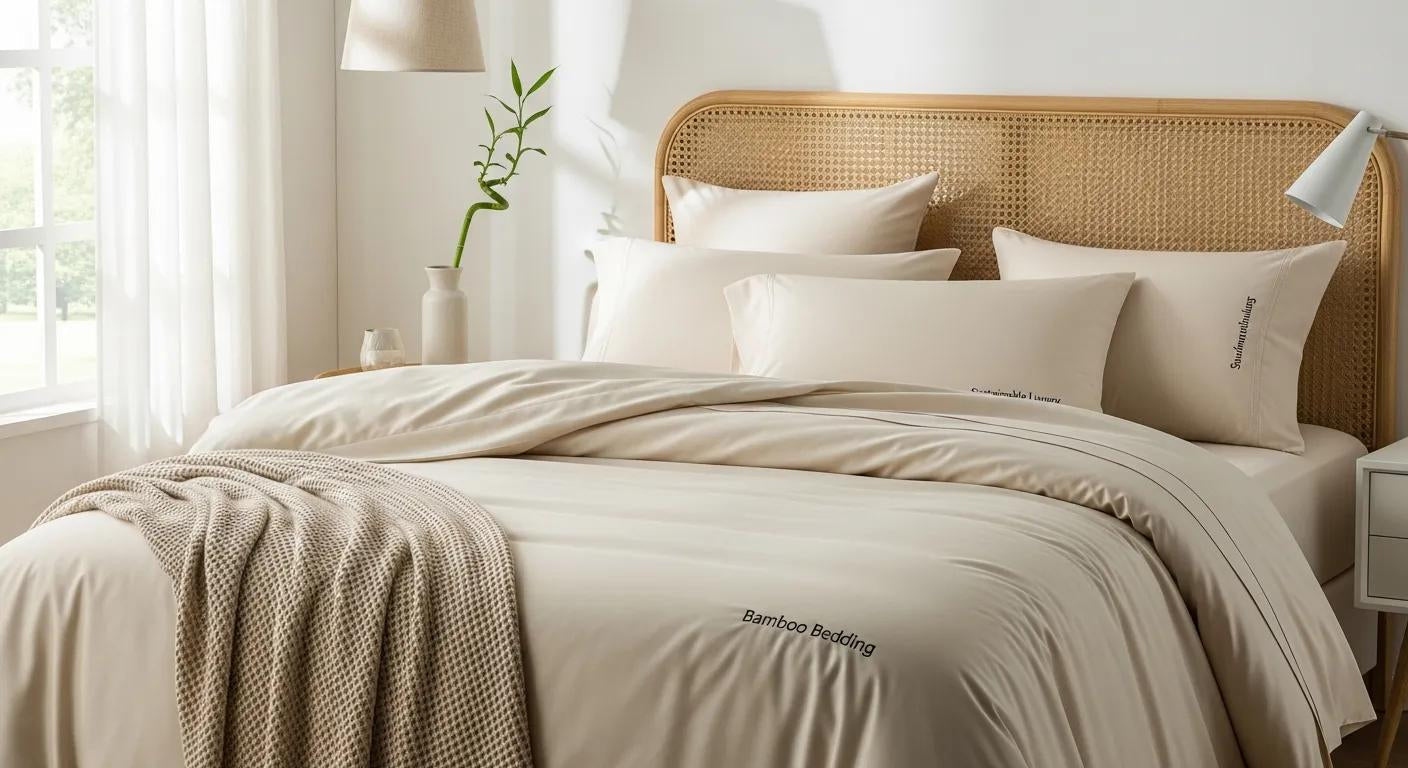
Sustainable Luxury Bamboo Bedding
At EcoToppers, we’ve seen a growing number of Australians choose luxury bamboo bed sheets because they combine true comfort with better environmental choices. Bamboo sheets are soft, breathable and offer practical benefits that suit eco-minded sleepers. This guide explains what makes bamboo bedding special, how it helps the planet, and how to pick the right set for your home. We’ll also cover why EcoToppers is a trusted choice for premium, sustainable bedding in Australia — so you can sleep easy knowing you made a thoughtful purchase.
What Makes Luxury Bamboo Sheets the Best Choice for Australian Sleepers?
Bamboo sheets stand out for their silky feel and all-night comfort, which is why so many Aussie sleepers prefer them. Made from bamboo fibres, these sheets are smooth on the skin and naturally breathable. Those properties make bamboo especially well-suited to Australia’s varied climates, from humid summers to cool nights.
How Do Bamboo Sheets Provide Cooling and Comfort in Summer?
Bamboo is excellent at regulating temperature. Its structure allows air to flow and prevents heat from building up, helping you stay cool on hot summer nights. Bamboo also wicks moisture away from the body, so sweat evaporates faster, and you sleep drier. Put simply: better airflow plus effective moisture control equals more comfortable nights.
Why Are Bamboo Sheets Hypoallergenic and Ideal for Sensitive Skin?
Bamboo sheets are naturally hypoallergenic, which makes them a solid option for sensitive skin and allergy sufferers. The fibres resist dust mites, mould and mildew — common triggers for reactions. Bamboo is often farmed with fewer chemicals than conventional cotton, and many modern processes avoid harsh treatments, so the finished sheets are gentler on skin and easier to live with.
The natural make-up of bamboo fibre plays a big part in its performance as a textile, which is why it’s widely used for bedding.
How Does Bamboo Bedding Support Sustainability Compared to Traditional Materials?
Bamboo bedding is a more sustainable alternative to many traditional textiles, such as conventional cotton. Bamboo plants need far less water and fewer pesticides during cultivation, and they regrow quickly after harvesting, which reduces soil disturbance. Those traits make bamboo an attractive crop for lower-impact textile production.
What Are the Environmental Benefits of Organic Bamboo Cultivation?
Organic bamboo farming brings a number of environmental gains: it uses less irrigation than cotton, absorbs relatively high levels of carbon dioxide and releases oxygen, and supports soil health and biodiversity when managed responsibly. These factors help lower the carbon footprint of textile production and contribute positively to local ecosystems.
Which Certifications Ensure Bamboo Sheets Are Eco-Friendly and Safe?
When shopping for bamboo sheets, look for recognised certifications that back up sustainability and safety claims. OEKO-TEX Standard 100 confirms textiles are free from harmful levels of chemicals, while FSC (Forest Stewardship Council) or comparable chain-of-custody marks indicate responsible sourcing. These labels give you confidence that the product meets high environmental and health standards.
How to Choose the Perfect Luxury Bamboo Bed Linen for Your Needs?
Picking the right bamboo bedding comes down to knowing fabric types, weave and construction — and matching those to your sleep preferences. A little knowledge goes a long way toward a better night’s sleep.
What Is the Difference Between Bamboo Lyocell and Viscose Fabrics?
Bamboo-based textiles are commonly sold as Lyocell or viscose. Lyocell is made in a closed-loop process that recovers solvents and uses far less harmful chemicals, making it the greener option. Viscose (sometimes called rayon) involves more intensive chemical processing. Both feel soft and breathe well, but Lyocell generally offers better environmental credentials and improved durability.
How Do Weave Types and Thread Count Affect Bamboo Sheet Quality?
Weave and thread count influence how a sheet looks and feels. Sateen weaves give a silkier, smoother surface, while twill weaves feel more textured and durable. Thread count measures threads per square inch; a moderate range (roughly 300–600) usually balances softness and breathability. Very high thread counts aren’t always better — they can create a denser fabric that reduces airflow.
What Are the Best Practices to Care for and Maintain Bamboo Sheets?
Simple, gentle care keeps bamboo sheets soft and long-lasting. Follow these practical tips to protect the fabric and maintain comfort over time.
How Should You Wash and Dry Bamboo Bedding to Preserve Softness?
Wash bamboo sheets in cold or warm water on a gentle cycle and use a mild detergent. Avoid bleach and harsh stain removers. Tumble dry on low or, better still, line dry to prevent shrinkage and preserve the fibre’s feel. These steps help your sheets stay soft and comfortable for years.
What Tips Extend the Longevity of Sustainable Bamboo Bed Linen?
- Store properly: Keep sheets in a cool, dry place to prevent damp or mildew.
- Avoid fabric softeners: They can leave a coating that reduces bamboo’s natural softness and breathability.
- Rotate usage: Alternate sets to distribute wear and prolong each set’s life.
Why Choose EcoToppers for Your Luxury Bamboo Bedding Needs in Australia?
EcoToppers specialises in premium, eco-conscious bedding designed for Australian homes. We combine responsibly sourced materials with careful manufacturing so you get sheets that feel luxurious and align with your values.
What Unique Features Do EcoToppers Bamboo Sheets Offer?
Our bamboo sheets are made from high-quality fibres for a naturally soft, long-lasting finish. They’re cut with deep pockets to fit a wide range of mattress depths and crafted to breathe and manage moisture effectively. We prioritise greener production methods and verified certifications so you can enjoy luxury without the environmental compromise.
How Do Customer Reviews Reflect EcoToppers’ Quality and Comfort?
Customers often note the immediate softness and improved sleep they experience with EcoToppers sheets. Reviews repeatedly mention breathability, comfort and the sheets’ consistent quality — feedback that reflects our focus on durable, eco-friendly bedding that performs night after night.
Are Bamboo Sheets Suitable for the Australian Climate and Sleep Preferences?
Bamboo sheets are well matched to Australia’s climate because they adapt to changing temperatures and manage moisture naturally. That adaptability makes them a strong option for many sleepers across the country.
How Do Bamboo Sheets Regulate Temperature for Hot and Cold Seasons?
Bamboo helps balance temperature: its breathability and moisture-wicking keep you cool in summer, while the fabric’s insulating qualities help retain warmth during cooler months. That year-round versatility makes bamboo a practical, comfortable choice.
Why Are Bamboo Sheets Recommended for Hot Sleepers and Allergy Sufferers?
If you sleep hot, bamboo’s cooling properties and sweat-wicking performance can make a noticeable difference. For people with allergies, bamboo’s resistance to dust mites and mould — combined with gentle processing — reduces common irritants, helping many sleepers rest easier.
Frequently Asked Questions
What is the lifespan of luxury bamboo bed sheets?
With regular, gentle care, quality bamboo sheets typically last between 5 and 10 years. Their longevity comes from the inherent strength of bamboo fibres and careful construction. To get the most life from your sheets, follow the care guidance: wash gently, avoid harsh chemicals and rotate sets to minimise wear.
Can bamboo sheets be used with electric blankets?
Yes — bamboo sheets work with electric blankets. Because bamboo breathes well, it helps distribute heat evenly. Still, it’s wise to follow both the sheet manufacturer’s and the electric blanket’s care and safety instructions, and use a conservative heat setting to protect the fabric.
Are bamboo sheets environmentally friendly compared to cotton sheets?
Generally, yes. Bamboo typically needs less water and fewer pesticides than conventional cotton, and it regrows quickly after harvest, which lowers environmental pressure. That said, the overall impact depends on how the fibre is processed — so choosing Lyocell production or certified products helps ensure better sustainability.
How do bamboo sheets compare to other materials like silk or cotton?
Bamboo offers a blend of softness, breathability and natural hypoallergenic qualities. Silk is luxurious but can be less breathable and requires careful care; cotton is familiar and durable but may not wick moisture as effectively and may need more water to grow. Bamboo often hits the middle ground for comfort and everyday performance.
What should I look for when buying bamboo sheets?
Prioritise fabric type (Lyocell is generally the greener choice), honest material descriptions, reasonable thread counts (around 300–600), and recognised certifications like OEKO-TEX Standard 100 or FSC where applicable. Also, check mattress fit (deep pockets) and read reviews to confirm real-world performance.
Can bamboo sheets help with temperature regulation during sleep?
Absolutely. Bamboo’s natural breathability and moisture-wicking properties help you stay cooler on warm nights by encouraging airflow and pulling sweat away from the skin. In cooler weather, it provides enough insulation to keep you comfortable, making it suitable for year-round use.
Are there any specific care instructions for maintaining bamboo sheets?
To keep bamboo sheets in top condition: wash on a gentle cycle in cold or warm water, use mild detergent, avoid bleach, and skip fabric softeners. Tumble dry low or air dry to reduce shrinkage and preserve the fabric’s softness. Following these steps will help your sheets maintain their feel and performance.