



Sleep Better — Luxury Bamboo Sheets That Love the Planet
Luxury bamboo sheets pair finely processed bamboo fibres with thoughtful weaving to create bedding that’s soft, breathable and kinder to the environment. In this guide, we explain what makes a bamboo sheet “luxury,” why Australians choosing greener bedding favour bamboo, how it suits sensitive or allergy-prone sleepers, and practical tips on fit, temperature control and care. If you deal with night sweats, sore or reactive skin, or worry about the environmental cost of traditional textiles, bamboo addresses those issues through moisture-wicking fibres, natural antibacterial tendencies and a lower cultivation footprint than many conventional crops. We map the benefits, product choices and care advice so you can pick the best bamboo bedding for your home or a commercial fit-out. Along the way, we’ll touch on sustainability checks like OEKO‑TEX and the product options EcoToppers offers in Australia.
Why Luxury Bamboo Sheets Are a Smart Choice for Eco-Conscious Australians
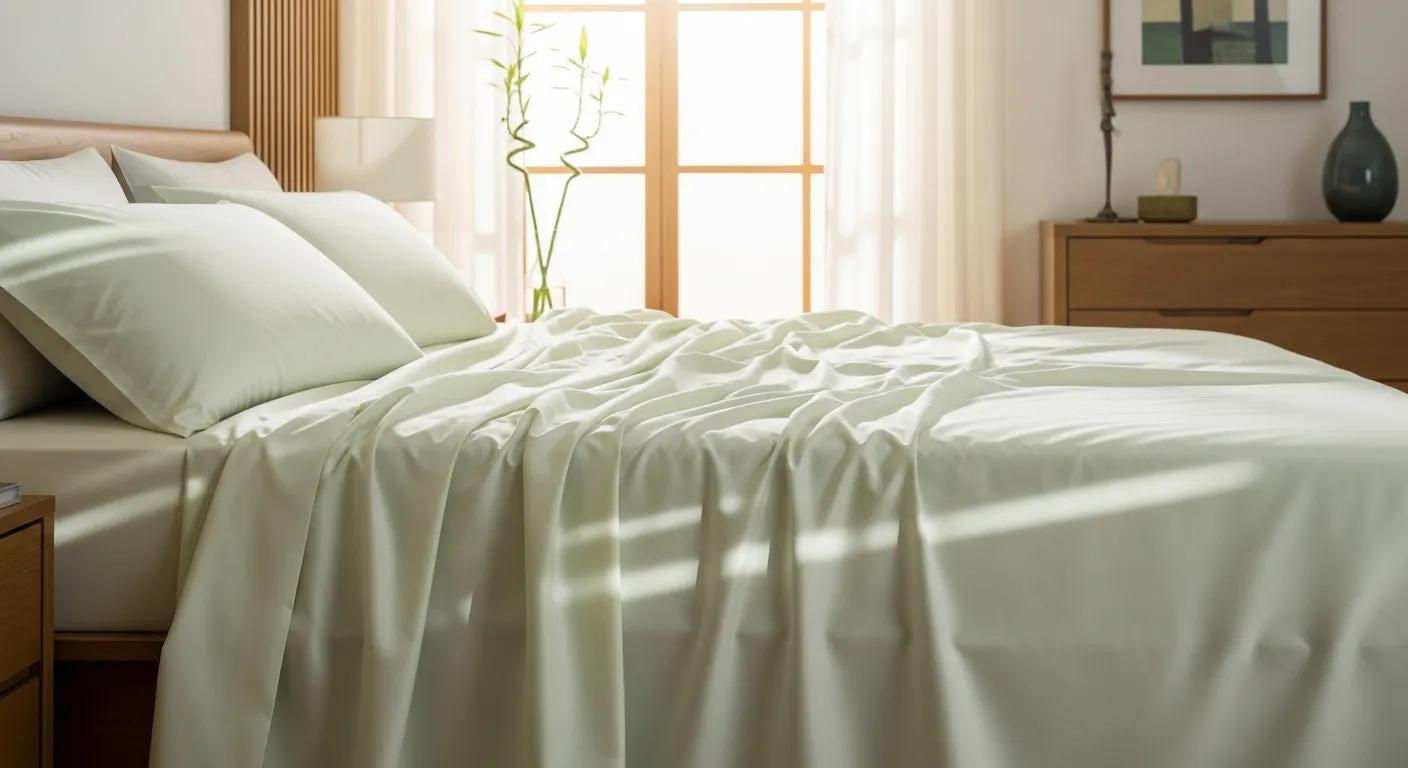
Luxury bamboo sheets are premium linens made from bamboo-derived fibres that offer a silk-like feel, natural breathability and typically lower chemical inputs during growth. The fineness of the fibres and the chosen weave (often sateen or similar finishes) give a fluid drape and lasting softness, while bamboo’s rapid regrowth reduces pressure on water and pesticide resources compared with many conventional crops. Modern closed‑loop lyocell-style processing can further cut environmental impact by recycling solvents and reducing emissions, so it's worth understanding how your sheets are made. For eco-conscious Australians, the result is bedding that feels indulgent, helps keep you cool at night and better aligns with sustainable textile choices.
Luxury bamboo sheets stand out for a few practical reasons:
- Silky softness and drape: Bamboo fibres make a smooth, luxurious surface that sits gently on the skin.
- Lower-resource sourcing: Bamboo grows fast and generally needs less water than conventional cotton.
- Temperature regulation: Moisture-wicking fibres and open yarn structures reduce overheating.
- Natural antimicrobial tendencies: Bamboo-origin fibres resist some bacteria and limit dust‑mite build-up.
Next, we break down how fibre structure and weave create that signature softness.
How Bamboo Sheets Achieve Their Signature Softness and Comfort
Bamboo fibres are often finer and smoother than standard cotton, so fabrics made from them drape closely and feel silky. Fine yarns reduce surface friction and, combined with a quality weave like sateen, produce the soft, fluid handfeel many sleepers prefer. Don’t be misled by thread‑count alone — the origin of the fibre and the weave matter more than an inflated number. Look for sheets that highlight fibre origin (bamboo lyocell, where available) and weave type rather than chasing thread‑count claims when you’re choosing for comfort.
This tactile quality ties back to care and lifespan, which we cover later — the right weave choice pairs with proper maintenance to keep sheets feeling great.
Why Bamboo Is Considered More Sustainable
Bamboo’s sustainability comes from rapid growth and generally low agricultural inputs: many species regenerate quickly and often need less irrigation and fewer pesticides than cotton. The processing method is critical — mechanically processed bamboo linen differs in impact from chemically processed viscose. Modern closed‑loop lyocell-style processes reduce solvent loss and recycle chemicals, lowering environmental harm. Certifications and transparent sourcing are the best ways to verify sustainability claims: OEKO‑TEX tests for harmful substances, while chain‑of‑custody labels show where fibres were grown and processed. Understanding both farming and processing stages gives a clearer comparison with traditional bedding fibres.
Bamboo's rapid growth also means it can help reduce carbon footprints.
Those environmental advantages lead to health benefits, especially for sensitive and allergy-prone sleepers — we look at those next.
How Hypoallergenic Bamboo Sheets Help Sensitive and Allergy‑Prone Sleepers
Hypoallergenic bamboo sheets help sensitive sleepers by combining moisture control, a naturally low‑allergen surface and antibacterial tendencies that reduce common irritants. Bamboo fibres wick moisture away from the skin and promote airflow, creating a drier microclimate that’s less friendly to dust mites and mould. Certain natural compounds associated with bamboo‑derived fibres also limit microbial growth on fabric. For many people with mild sensitivities, this means fewer triggers, improved skin comfort and potentially easier breathing at night.
These inherent properties of bamboo fibres contribute to a healthier sleep surface.
To make this practical, the table below links common fabric properties to how they work and what you’ll notice as a user.
| Fabric Property | How It Works | User Benefit |
|---|---|---|
| Moisture‑wicking | Fine fibres move sweat away from the skin via capillary action | Reduces night sweats and keeps the sleep surface drier |
| Antibacterial tendency | Natural bamboo compounds, plus low surface friction, limit bacterial growth | Less odour and a lower microbial load on sheets |
| Low‑allergen surface | Smooth fibres make it harder for dust mites to cling | Fewer particulate irritants for sensitive skin and airways |
This mapping explains why bamboo bedding is a strong option for many with mild to moderate sensitivities. Next, we cover specific skin and respiratory considerations.
Why Bamboo Bedding Often Suits Sensitive Skin
Bamboo fabric is gentle because its fibres create a smooth surface that reduces abrasion while wicking away moisture, so skin spends less time damp and irritated. Lower bacterial levels on the fabric also reduce potential inflammatory triggers linked to conditions such as dermatitis. “Hypoallergenic” isn’t a medical guarantee, but the combination of a drier sleep surface and fewer microbes often results in noticeable comfort gains. If you have significant dermatological concerns, pair bamboo sheets with any prescribed treatments and use recommended pillow and mattress protectors.
Next, we look specifically at eczema, asthma and allergy management.
Can Bamboo Sheets Ease Eczema, Asthma or Allergy Symptoms?
Bamboo sheets can help manage mild eczema or respiratory irritation by keeping the sleeping environment cooler, drier and cleaner — factors that reduce triggers for flare‑ups. For eczema, lower friction and better moisture control can cut down night‑time irritation; for mild allergic rhinitis or asthma triggers, reduced dust‑mite affinity and antimicrobial tendencies may lower exposure. It’s important to be clear: bamboo bedding supports symptom management but isn’t a cure. People with severe or persistent conditions should consult a healthcare professional. Regular washing at recommended temperatures and using mattress protectors will maximise any benefits.
Next, we explain how bamboo bedding performs for temperature regulation across Australia’s climates.
How Bamboo Sheets Help Regulate Temperature Year‑Round in Australia
Bamboo sheets regulate temperature through breathability, moisture‑wicking and an adaptable insulating behaviour that suits seasonal changes — a useful trait across Australia’s varied climates. Fine fibres transport moisture while weave structure allows airflow, helping dissipate heat and moisture in warm weather and providing gentle insulation in cooler months. This dynamic performance is useful in humid coastal areas and inland regions with wide night‑time swings. Choosing the right weave and layering appropriately lets bamboo bedding deliver comfortable sleep all year.
Below, we unpack moisture transport and breathability and give practical tips for everyday use.
How Bamboo Fabric Moves Moisture and Lets Air Flow
Bamboo fabric draws sweat away from the skin via capillary action and spreads it across the fabric for faster evaporation. Combined with open weaves and yarn spacing, this increases airflow and prevents heat from staying trapped next to the body. The practical result is a drier sleep microclimate, fewer night sweats and more stable comfort through the night, which means fewer wakeups from overheating.
Next: tips for hot sleepers in humid Australian conditions, including weave and layering advice.
Why Hot Sleepers in Humid Areas Choose Bamboo
Hot sleepers in humid climates choose bamboo because it manages both heat and moisture, often producing a perceived cooling effect many users describe as a 1–3°C improvement in comfort on sticky nights. The smooth fibre surface and moisture transport reduce the clammy feeling you can get with synthetics or heavy cotton. Opting for lighter weaves or sateen finishes improves airflow. Practical advice: use a single breathable sheet in the warm months and add a lightweight bamboo quilt cover when it cools down — layering lets the fabric do its job across seasons.
Next, we outline EcoToppers’ product options so you can match performance to your needs.
EcoToppers’ Luxury Bamboo Bedding — Product Options
EcoToppers offers a focused range of bamboo-derived bedding for home and commercial use: luxury bamboo sheet sets, bamboo mattress toppers, bamboo quilts and matching pillowcases. The collection highlights deep‑pocket fitted sheets for modern mattresses and coordinating quilt covers to build a complete sleep system. We make it easy to compare sizes, weave types and neutral colourways so you can choose quickly for bedrooms or hospitality projects. Below is a concise comparison to help match product types with their core specifications.
Intro note: this table summarises common SKUs and key attributes to speed up comparison for household and commercial buyers.
| Product | Size / Material / Weave | Included / Value |
|---|---|---|
| Luxury Bamboo Bed Sheet Set | Single, Double, Queen, King, Super King / Viscose‑from‑bamboo or lyocell‑style / Sateen or smooth finish | Fitted sheet (deep‑pocket options), flat sheet and pillowcases |
| Bamboo Mattress Topper | Single to Super King / Bamboo outer with cooling fill / Low‑profile or plush options | Adds a cooling layer and extra pressure relief |
| Bamboo Quilt / Quilt Cover | Standard sizes / Bamboo‑derived shell with breathable fill / Lightweight or all‑season | Complementary sheets for layered temperature control |
| Bamboo Pillowcases | Standard sizes / Bamboo‑derived fibres / Smooth finish | Match sheet sets for consistent handfeel |
This quick view helps you match product features to outcomes like deep pockets for tall mattresses or lighter weaves for warm sleepers.
Next, we cover sizing, colours and helpful cross‑sell suggestions to complete your sleep setup.
What Sizes and Colours Do Our Bamboo Sheet Sets Come In?
EcoToppers’ bamboo sheet sets cover standard Australian mattress sizes — Single, Double, Queen, King and Super King — with deep‑pocket fitted options for modern mattress depths. Colours are a curated palette of neutral, timeless tones chosen to suit a range of interiors and make pairing simple. Picking the correct size and pocket depth avoids common fit problems that reduce comfort, and choosing neutral shades makes laundering and long‑term matching easier. Check your mattress depth and pillow setup before ordering to ensure the best fit.
Many customers then pair sheets with a topper or quilt; the section below explains the benefits.
Which Complementary Bamboo Bedding Pieces Work Best Together?
Pairing bamboo sheets with a breathable mattress topper or bamboo quilt creates a cohesive sleep system that boosts both temperature control and tactile comfort. A topper adds a cooling buffer and pressure relief; a bamboo quilt preserves handfeel and moisture management across layers. For allergy‑sensitive sleepers, choosing a full bamboo set — sheets, pillowcases and a quilt cover — reduces mixed‑fabric interfaces that can trap moisture and allergens. For commercial or hospitality projects, specifying matched sets ensures consistent guest comfort across rooms.
EcoToppers welcomes commercial enquiries for fit‑outs and project supply — talk to our team for tailored options and bulk specifications.
Why Choose EcoToppers for Your Bamboo Bedding?
EcoToppers is a direct-to-consumer bedding specialist offering premium, eco-minded bamboo linens. We're committed to your satisfaction and provide convenient delivery options, along with support for various purchasing needs. Our customers often share positive feedback about the softness and temperature benefits of our products. We aim to make your choice easy and confident.
What Backs EcoToppers’ Quality?
We want you to feel confident trying our bedding. Many customers consistently share positive feedback about the softness and temperature benefits. For commercial buyers and hospitality managers, we encourage you to explore our options to confirm the fit and performance for your environment.
Independent testing and certification further boost confidence — we explain that next.
How Certifications Like OEKO‑TEX Help Verify Safety and Standards
OEKO‑TEX Standard 100 tests textiles for harmful substances and gives a practical assurance that a product meets defined safety limits for chemicals and residues. While OEKO‑TEX alone doesn’t prove full supply‑chain sustainability, it’s a clear signal that a product has been tested and is safer for skin contact. Always verify certificate numbers and badge claims where provided, and combine OEKO‑TEX with transparent sourcing information to evaluate overall sustainability. Looking for both testing certificates and sourcing transparency gives a fuller picture of product safety and environmental impact.
Certifications play an important role in promoting product safety and transparency.
With certification in mind, let’s cover how to care for bamboo bedding so it keeps performing and stays safe over time.
How to Care for and Maintain Your Luxury Bamboo Sheets
Simple, gentle care preserves softness, fit and performance and extends the life of bamboo sheets. Use a mild detergent, wash in cool to warm water on a gentle cycle, and avoid bleach or fabric softeners that damage fibres and reduce moisture‑wicking. Line‑dry in shade when you can, or use a low‑heat tumble cycle briefly to finish; avoid high heat to prevent shrinkage and fibre damage. Rotate sheet sets and wash pillowcases more often for sensitive sleepers to keep bedding hygienic and comfortable.
Use the checklist below to make maintenance straightforward.
- Pre‑wash check: Read care labels and separate colours to avoid bleeding.
- Gentle wash: Choose a mild detergent and a cool‑to‑warm, delicate cycle.
- No harsh additives: Skip bleach and fabric softeners — they harm bamboo fibres and performance.
- Drying: Line‑dry in shade when possible, or tumble‑dry low briefly; avoid high heat.
- Rotate and store: Rotate sets regularly and store them in a cool, dry place to keep them soft.
These steps preserve both the feel and the health benefits of bamboo bedding. The next section summarises wash‑care best practices.
Best Practices for Washing and Drying Bamboo Bedding
Use a mild, pH‑neutral detergent on a gentle cycle with cool to warm water to reduce mechanical stress on fine fibres. Avoid bleach and fabric softeners, as they strip natural properties and reduce moisture management. Treat stains with gentle, enzyme‑free products applied sparingly. Line‑drying is best to protect fibre strength and handfeel; a short, low‑heat tumble can smooth fabric for easy use. Consistent, gentle care helps your sheets keep their softness and shape over many washes.
Proper maintenance also extends usable life, which we cover next.
Expected Lifespan of Bamboo Sheets with Proper Care
With correct laundering and regular use, bamboo sheets typically provide several years of comfortable service before showing major wear. Lifespan varies by wash frequency, fabric weight and processing method. Gentle cycles, mild detergent, low‑heat drying and rotating sets all extend longevity and help retain softness and colour. Replace sheets when the fabric thins, fitted corners lose elasticity, pilling appears, or the fit becomes unreliable. While initial satisfaction is important, long-term value depends on choosing well‑processed fibres and following care recommendations.
This completes our practical guide to maintaining luxury bamboo bedding.
Frequently Asked Questions
Are bamboo sheets suitable for all skin types?
Most people find bamboo sheets comfortable, especially those with sensitive or reactive skin. The smooth fibre surface reduces friction, and moisture‑wicking keeps skin drier — both help lower irritation. Individual reactions can vary, though, so if you have a severe skin condition, consult a healthcare professional before switching bedding.
How do bamboo sheets compare to cotton sheets in durability?
Bamboo sheets can outlast standard cotton when they’re made from quality fibres like lyocell and cared for gently. Bamboo resists wear well, and with proper washing and storage, sheets can stay comfortable for several years. Lower‑quality cotton may show wear sooner, so fabric quality and care routines matter most.
Can bamboo sheets regulate temperature across different climates?
Yes — bamboo sheets are good at regulating temperature because they breathe and wick moisture. They help you stay cooler in hot, humid conditions by moving sweat away from your skin and provide gentle insulation in cooler weather. That adaptability makes them a practical choice for varied climates and seasonal changes.
What is the environmental impact of bamboo cultivation?
Bamboo cultivation is generally seen as environmentally favourable because of its fast growth and lower resource needs. It usually requires less water than cotton and often needs fewer pesticides, and bamboo can sequester carbon. That said, environmental impact depends on farming and processing methods, so look for certified products (for example, OEKO‑TEX) and transparent sourcing when you buy.
How should I store bamboo sheets when not in use?
Store clean, fully dry bamboo sheets in a cool, dry place away from direct sunlight. Use breathable cotton or linen storage bags to prevent trapped moisture; avoid sealed plastic containers that can encourage mildew. Proper storage helps keep sheets fresh and preserves their softness.
Are there special washing instructions for bamboo sheets?
Yes. Wash bamboo sheets in cool to warm water on a gentle cycle using a mild detergent. Avoid bleach and fabric softeners, which damage fibres and reduce moisture‑wicking. Line‑dry when possible, or tumble‑dry on low heat to prevent shrinkage. Regular, gentle care keeps them soft and long‑lasting.
What benefits do bamboo sheets offer hot sleepers?
Bamboo sheets are ideal for hot sleepers thanks to breathability and moisture‑wicking. They help regulate body temperature by drawing moisture away and allowing better airflow, often giving a perceived comfort improvement of 1–3°C on sticky nights. That makes them a solid choice for anyone who overheats at night, particularly in humid climates.