



Sustainable Luxury — Bamboo Mattress Protectors
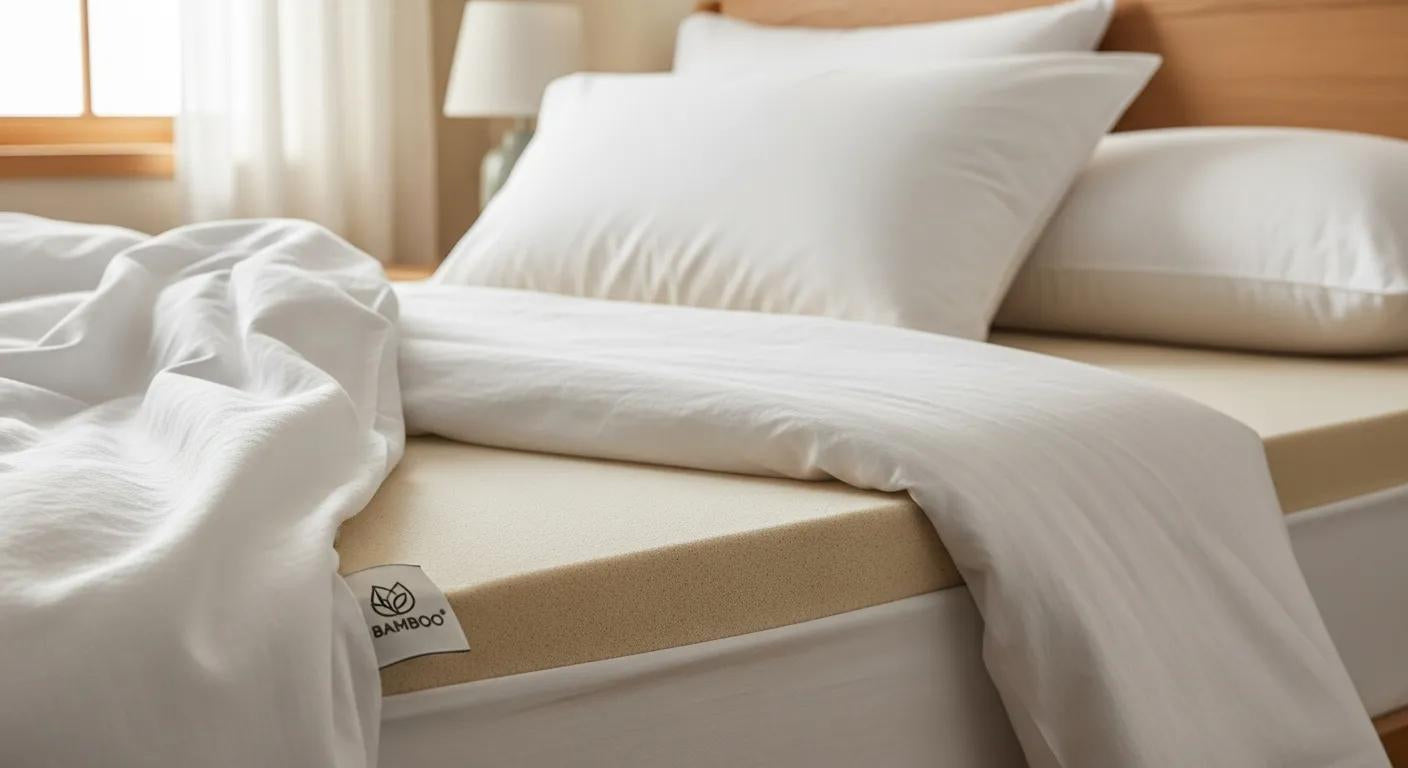
Our luxury bamboo mattress protectors pair natural fibre performance with sleep-focused design to shield your mattress while creating a silky, breathable surface that boosts comfort. Made from bamboo-derived viscose (sometimes called bamboo rayon), the fabric’s fine microstructure and natural moisture-wicking help keep the sleep surface cooler and less hospitable to allergens — a good fit for many Australian homes. Below you’ll find why bamboo combines a premium hand-feel with sustainability advantages, how it helps allergy-prone sleepers, which technical features matter in a premium protector, and where to source eco-friendly options in Australia. We explain the key mechanisms — breathability, moisture control, and optional TPU waterproofing — offer practical buying guidance, and outline choices for both household and commercial buyers. Throughout, the emphasis is on evidence-backed benefits and straightforward steps to pick the right protector for your climate and lifestyle.
Why Choose Luxury Bamboo Mattress Protectors for Australian Homes?
Luxury bamboo mattress protectors deliver a soft, cool sleeping surface while coming from lower-input raw material systems that many buyers prefer. Bamboo’s naturally smooth, fine fibres create a silk-like touch and, when woven correctly, a breathable construction that reduces surface humidity — improving comfort in warm summers and milder seasons. Bamboo also grows quickly and typically needs less water and fewer pesticides than many conventional crops, so it’s often chosen by shoppers looking for more sustainable bedding. On the practical side, a good bamboo protector limits dust-mite colonisation and keeps a comfortable hand-feel after repeated washes — a real advantage for busy households. Next, we break down the material qualities that create that luxurious feel.
What Makes Bamboo Mattress Protectors Luxuriously Comfortable?
Bamboo feels luxurious because its fibres are naturally fine and smooth, giving the fabric a soft drape and low friction against skin. Bamboo-derived viscose forms a close, even weave that preserves airflow while delivering a silky surface — a useful balance of plushness and breathability. The fabric’s moisture-wicking moves perspiration away from the mattress into the fabric, where it can evaporate, cutting clamminess on hot nights and helping the mattress surface stay cooler. Durability comes from resilient fibre and careful stitching; a well-made protector will keep its feel across many wash cycles. Keeping these material details in mind helps you prioritise fibre content and weave when choosing a premium protector.
How Do Bamboo Protectors Support Sustainable Living?
Bamboo supports more sustainable choices through rapid renewability and lower cultivation inputs than many conventional fibres, which can shrink lifecycle impacts when sourcing is responsible. The plant’s fast growth captures carbon quickly and allows repeated harvests without the same level of land change required for some crops — helping to reduce overall footprint when processed responsibly. End-of-life behaviour depends on construction: pure bamboo viscose textiles aren’t as compostable as raw bamboo stalks but tend to break down more readily than synthetic blends. Choosing clearly labelled, minimally processed products improves circularity and supply-chain transparency, plus responsible packaging, further reducing embedded impacts. With these lifecycle points covered, the next section looks at direct health benefits for sleepers.
Further research outlines the specific material properties and processing methods that shape bamboo’s sustainability credentials.
What Are the Health Benefits of Organic Bamboo Mattress Protectors?
Organic bamboo mattress protectors offer practical health advantages by creating a breathable, moisture-managing surface that discourages allergen and microbial growth. By controlling moisture and promoting evaporation, they limit conditions that encourage mould and bacteria at the mattress interface. A dense, well-finished weave also reduces places for dust mites to settle. Together, these effects create a lower-allergen microclimate — particularly useful for people with sensitive skin or respiratory issues. They’re also easier to maintain: regular washing removes settled allergens and can improve sleep continuity for allergy-prone sleepers. The bullets below summarise the main health benefits for quick reference.
Bamboo protectors deliver these health benefits:
- Hypoallergenic surface: Dense weave and natural fibre lower allergen build-up.
- Anti-microbial support: Moisture control helps limit microbial growth and odours.
- Dust mite resistance: Fabric structure plus regular washing reduces mite exposure.
- Temperature regulation: Breathability helps curb night sweats and skin irritation.
Those features make bamboo protectors a sensible choice for households aiming for better sleep hygiene and comfort. Next, we explain how bamboo fibres achieve hypoallergenic and anti-microbial effects.
How Do Bamboo Protectors Provide Hypoallergenic and Anti-Microbial Protection?
Bamboo protectors lower allergen and microbial risk through two complementary effects: moisture management and a protective textile barrier. The fabric wicks moisture away from skin and encourages evaporation at the surface, keeping the mattress environment drier and less friendly to mould and bacteria. A fine, dense weave also physically limits dust-mite movement and nesting, reducing direct exposure to allergenic particles. Some bamboo textiles receive additional antimicrobial finishes, but the main, proven benefit comes from maintaining a drier, well-ventilated microclimate. These mechanisms explain why bamboo protectors are often recommended for allergy-sensitive sleepers and lead to practical care tips for those users.
Why Are Bamboo Mattress Protectors Ideal for Allergy Sufferers?
Bamboo protectors are well-suited to allergy sufferers because they combine structural advantages with straightforward care routines that reduce allergen load. Regular washing at recommended settings removes accumulated allergens, while the fibre’s moisture control makes the sleep surface less hospitable to mites and microbes. Pick a protector with a snug elastic skirt and secure fit to stop movement that can trap debris under bedding, and follow care advice — gentle warm washes with mild detergent and thorough drying — to preserve breathability and longevity. With these habits, allergy-prone sleepers can cut nightly exposure and enjoy more consistent sleep.
| Fibre Option | Hypoallergenic Rating | Recommended Use-Case |
|---|---|---|
| Bamboo viscose | High - moisture control + dense weave | Allergy sufferers, hot sleepers |
| Tencel (lyocell) | High - smooth, breathable surface | Sensitive skin, eco-conscious buyers |
| Organic cotton | Moderate - natural fibre comfort | Versatile everyday use, cooler climates |
How Does EcoToppers Ensure Sustainability in Mattress Protection?
EcoToppers builds its protector range around eco-minded materials and bamboo-focused design, using bamboo-derived viscose as the core comfort fibre while aiming to reduce unnecessary processing and packaging. Sustainable assurance starts with traceable fibre sourcing and careful partner selection to limit chemical finishing and water use where possible. Choosing manufacturers with efficient workflows, minimal finishing, and responsible packaging helps reduce lifecycle impacts and supports honest sustainability claims. If you need extra verification, check product pages for certificates or supplier transparency statements — they clarify which parts of the supply chain are covered. Knowing how a product is made helps both household buyers and commercial specifiers weigh suitability for larger projects.
EcoToppers also supports commercial enquiries for hospitality and healthcare fit-outs, supplying product variants and procurement pathways for bulk specification, trials and bespoke sizing. Organisations can request product specifications and trial samples to confirm performance in real settings. For procurement planning, EcoToppers offers options that balance comfort with environmental priorities — get in touch about volume pricing, custom dimensions and logistics to support your project.
What Certifications Validate EcoToppers’ Bamboo Fibre?
Certifications give independent assurance about fibre origin, chemical inputs and processing standards — look for recognised labels that back up organic or low-chemical claims. Third-party standards typically cover raw-fibre cultivation, textile processing and restricted-substance testing, and each label speaks to different stages of the supply chain. If certification details aren’t listed, ask the supplier for documentation that explains which lifecycle stages are covered. Clear certification and testing information support confident decisions for both households and commercial specifiers.
How Is Bamboo Ethically Sourced and Manufactured in Australia?
Ethical sourcing means vetting suppliers, tracking materials and working with partners who prioritise fair labour and environmental stewardship across the supply chain. For Australian operations, local warehousing or final assembly can cut long-haul transport and make quality checks and distribution faster. When evaluating suppliers, look for published sourcing policies, audit summaries or traceability statements that explain how raw bamboo is grown and processed. Transparent sourcing stories and local handling of finished goods help buyers understand environmental trade-offs and make accountable choices. With sourcing clarity covered, the next section looks at the features that define a premium protector.
Which Features Define Premium Bamboo Mattress Protectors in Australia?
Premium bamboo protectors combine high bamboo viscose content, considered construction and optional waterproofing to meet varied needs. A genuine 100% bamboo protector focuses on pure fibre content, fine weave density and reinforced stitching for lasting softness and durability. Waterproof models add a thin TPU membrane to block liquids, but that membrane can reduce breathability — an important trade-off for hot-sleepers or humid climates. Fit features like deep pockets, full-encircling skirts and stretch bands ensure a secure fit on modern mattresses, stopping sheet movement and keeping protection in place. Below is a quick comparison of waterproof and non-waterproof options to help with specifications.
Waterproof vs Non-waterproof protector comparison:
| Protector Type | Construction | Protection Level | Breathability | Ideal Use-Case |
|---|---|---|---|---|
| Waterproof bamboo protector | Bamboo outer + TPU membrane | High liquid barrier | Moderate (TPU reduces airflow) | Child beds, medical settings, hospitality |
| Non-waterproof bamboo protector | 100% bamboo fabric | Surface protection only | High | Residential bedrooms, hot sleepers |
| Quilted topper-style protector | Bamboo top + fill layer | Surface padding + protection | High (if no membrane) | Comfort-focused sleepers |
How Do Temperature-Regulating Properties Enhance Sleep Quality?
Bamboo’s temperature performance comes from fine fibre structure, effective moisture-wicking and open weaves that encourage airflow at the mattress surface. Together, these features help create a thermally neutral microclimate — reducing overheating for hot sleepers and offering comfortable breathability in warmer months. By moving moisture away from skin and letting it evaporate, bamboo cuts night sweats and improves perceived coolness, which supports longer, less disturbed sleep. For seasonal changes, layer a breathable bamboo protector with lighter or heavier bedding to tune thermal comfort. Knowing how these mechanisms work helps you prioritise breathability when choosing between waterproof and non-waterproof models.
What Are the Differences Between Waterproof and Non-Waterproof Protectors?
Waterproof protectors combine a textile surface with a thin polymer membrane (commonly TPU) to block liquids. Non-waterproof protectors rely on fabric construction for comfort and surface protection. The membrane gives strong spill and stain defence but can reduce breathability and change the hand-feel; non-waterproof options keep maximum airflow and the closest natural-fibre touch. Choose based on use-case: waterproof is best for childcare, aged care or hospitality where liquid incidents are frequent; non-waterproof is ideal for bedroom comfort and hot sleepers. Use the checklist below to guide your choice.
- Breathability priority: Choose non-waterproof bamboo protectors.
- Liquid protection priority: Choose waterproof bamboo protectors with a TPU membrane.
- Commercial durability: Look for reinforced seams and deep pockets for frequent laundering.
| Protector Variant | Material | Protection Level | Breathability | Maintenance |
|---|---|---|---|---|
| Waterproof protector | Bamboo outer + TPU | High liquid barrier | Moderate | Wipe surface + machine wash per label |
| Non-waterproof protector | 100% bamboo fabric | Low liquid barrier | High | Machine wash, line dry recommended |
| Quilted bamboo protector | Bamboo top + fill | Surface comfort + protection | High | Gentle machine wash, tumble low if allowed |
Where Can You Find the Best Eco-Friendly Mattress Protectors in Australia?
Eco-friendly protectors are available online, through select stockists and direct from brands that prioritise sustainable materials and clear product details. Buying online gives a wide model selection, trial policies and customer reviews; visiting a local stockist lets you feel the fabric before you buy. For commercial projects, dealing directly with suppliers unlocks bulk pricing, specification support and sample trials to validate performance in hospitality or healthcare settings. Shipping and trial terms vary by supplier — look for clear trial windows and straightforward return policies so you can test a protector at home. Below are the typical buying channels and what each offers.
Typical distribution and procurement options:
- Online direct-to-consumer: Full range, trial policies and doorstep delivery.
- Local stockists: Touch-and-feel inspection, limited range, in-person advice.
- Commercial procurement channels: Bulk ordering, specification support and sample trials.
Each channel matches different priorities — convenience, tactile inspection or large-scale supply — and leads naturally into customer feedback and trial logistics.
What Customer Reviews Highlight EcoToppers’ Quality and Comfort?
Customer feedback frequently highlights three consistent points: a silk-like surface hand-feel, better night-time temperature comfort, and easy care that preserves softness. Reviews often note reduced night sweats and a cooler sleeping surface, plus the ease of laundering and a secure fit on thicker mattresses. Trust signals buyers mention include clear product descriptions that match in-home performance and positive trial experiences. These recurring themes help set realistic expectations for comfort and durability before you buy. Next, we explain our trial and shipping details.
How Does EcoToppers’ 90-Night Sleep Trial and Free Shipping Work?
Our 90-night sleep trial gives you an extended window to test comfort, fit and durability — including laundering — before you decide. Free shipping across Australia typically arrives within 2–8 days, so you can start your trial quickly; just confirm return steps and any restocking details before ordering. EcoToppers can provide NDIS invoices for plan-managed or self-managed participants to simplify purchasing where eligible. Clear trial terms and transparent return logistics help customers feel confident about buying and make the path from home trial to bulk or commercial ordering straightforward.
| Product | Buying Options | Trial/Returns | Shipping Timeframe | Commercial Enquiry |
|---|---|---|---|---|
| Bamboo Mattress Protector | Online retail / select stockists | 90-night sleep trial | 2–8 days Australia-wide | Enquire for bulk / bespoke sizing |
| Quilted Bamboo Protector | Online retail | 90-night trial where offered | 2–8 days | Contact for procurement |
| Waterproof Bamboo Protector | Direct-to-consumer | Trial terms apply | 2–8 days | Commercial samples available |
What Are Common Questions About Sustainable Luxury Mattress Protectors?
Buyers often ask about machine-washability, material trade-offs and product longevity. Clear, practical answers reduce pre-purchase uncertainty and help set realistic care expectations. Advice focuses on wash settings, detergent choices and drying methods that protect breathability and fabric life. Comparing bamboo, Tencel, and organic cotton highlights differences in cooling, softness and processing to help you match a material to your needs. The concise Q&A below addresses the most frequent concerns in an easy-to-scan format.
Can Bamboo Mattress Protectors Be Machine Washed?
Yes — most bamboo protectors are machine washable on a gentle or warm cycle with a mild, low-alkaline detergent to remove allergens and keep the fabric feeling soft. Avoid bleach and fabric softeners, which can damage natural fibres or leave residue that reduces breathability; use a mesh bag for small protectors to limit mechanical wear. Line-drying in shade is best, or tumble on low if the care label allows — high heat can harm elastic skirts and reduce elasticity. Washing every 4–8 weeks for typical household use (more often for allergy sufferers or spills) keeps the sleep surface clean and helps maintain long-term performance.
How Do Bamboo Protectors Compare to Other Materials Like Tencel or Cotton?
Bamboo, Tencel and organic cotton each bring strong comfort and sustainability credentials but differ in cooling, feel and processing. Bamboo viscose stands out for moisture-wicking and a silky hand — ideal for hot sleepers and allergy-sensitive users. Tencel (lyocell) offers smoothness and high absorbency and is produced in a closed-loop solvent system. Organic cotton gives a familiar cotton feel and solid breathability with certified organic growing practices. Choose bamboo for cooling and hypoallergenic performance, Tencel for eco-conscious processing and smoothness, or organic cotton for classic cotton comfort and durability. The table below summarises these trade-offs to help you decide.
| Material | Breathability | Softness | Sustainability Notes |
|---|---|---|---|
| Bamboo viscose | High | Very soft, silky | Rapidly renewable plant source; viscose processing involves chemical treatment |
| Tencel (lyocell) | High | Smooth, cool | Closed-loop solvent recovery in production |
| Organic cotton | Moderate-High | Soft, familiar | Certified organic reduces chemical inputs |
- Care Q&A: Follow manufacturer care to preserve performance.
- Material selection: Match fibre properties to sleeper needs.
- Commercial considerations: Discuss bulk specs and trials with suppliers.
These practical points help both consumers and commercial specifiers move from selection to procurement with confidence.
Frequently Asked Questions
What is the lifespan of a bamboo mattress protector?
With regular care, a bamboo mattress protector typically lasts around 3 to 5 years. Proper washing and maintenance — gentle cycles, mild detergents and careful drying — will extend its usable life. Normal wear, exposure to moisture and washing frequency will influence longevity, so monitor for thinning fabric, stretched elastic or reduced performance to know when to replace it.
Are bamboo mattress protectors suitable for all mattress types?
Yes — bamboo protectors work with most mattress types, including memory foam, innerspring and latex. Choose a protector that matches your mattress dimensions and depth; many designs include deep pockets or elastic skirts for a secure fit. Consider breathability and moisture-wicking properties when pairing a protector with your mattress, especially if you sleep hot or live in a warm climate.
How do I choose the right thickness for a bamboo mattress protector?
Thickness affects both comfort and protection. Thicker protectors often add cushioning and a slightly plusher feel, while thinner options maximise breathability and are better for hot sleepers. Think about your comfort preferences, mattress type and whether you need added spill protection or allergy defence when deciding on thickness.
Can bamboo mattress protectors help with night sweats?
Yes — bamboo protectors are effective at managing night sweats thanks to strong moisture-wicking and breathable construction. The fabric pulls moisture away from the body and allows it to evaporate, creating a drier, cooler sleep surface. That makes bamboo a good choice for people who regularly overheat at night.
What should I look for in terms of certifications for bamboo mattress protectors?
Look for independent certifications that confirm safe manufacturing and sustainable sourcing. OEKO-TEX Standard 100 verifies the absence of harmful substances, while GOTS (Global Organic Textile Standard) covers organic content and ethical production practices. These labels help validate environmental and health claims and are useful markers for eco-conscious shoppers.
Are there any specific care instructions for maintaining bamboo mattress protectors?
Machine wash on a gentle cycle with mild detergent and avoid bleach or fabric softeners, which can damage fibres. Line drying is preferred; if you use a dryer, choose a low heat setting to prevent shrinkage and protect elastic. Washing every 4 to 8 weeks will keep the protector hygienic and help prolong its lifespan, especially for allergy sufferers.
What are the environmental benefits of choosing bamboo mattress protectors?
Bamboo offers environmental benefits because it grows quickly and needs relatively little water and no pesticides in many systems, making it a renewable raw material. Its rapid growth also helps sequester carbon during cultivation. Choosing bamboo products from transparent, minimally processed supply chains supports lower embedded impacts and a smaller ecological footprint compared with some conventional fibres.