



Choosing between a memory foam and latex mattress topper can significantly influence your sleep quality. With the variety of options available, understanding the unique properties and benefits of each type is crucial, especially for Australian sleepers dealing with diverse climatic conditions. This article delves into the distinctive features, benefits, and drawbacks of memory foam and latex mattress toppers to aid in your decision-making process. We’ll explore the comfort, durability, and suitability of each material, helping you pinpoint what aligns best with your personal sleep preferences.
In particular, we'll discuss how memory foam provides excellent pressure relief and support, while latex offers superior breathability and durability. Furthermore, insights specific to Australian sleepers, including climate considerations and essential features to check before making a purchase, will also be covered. By the end of this article, you'll have the knowledge necessary to choose the best mattress topper for your needs.
Memory Foam Mattress Toppers:
Memory foam mattress toppers are celebrated for their ability to contour to the body, offering excellent pressure relief and support. This viscoelastic foam reacts to heat and pressure, allowing it to mold closely to the sleeper's shape. As a result, many people, particularly side sleepers, find memory foam particularly supportive, as it helps align the spine and alleviate pressure points.
However, it's worth noting that memory foam can retain heat, which might not be ideal for hot sleepers looking for a cooler sleep environment. Despite this potential downside, the overall comfort level of these toppers makes them a popular choice among many Australians.
Latex Mattress Toppers:
Latex mattress toppers provide a distinct sleeping experience characterized by their natural elasticity and breathability. This material is inherently cooling and hypoallergenic, making it an excellent option for those with allergies. Additionally, latex toppers are known for their durability and resistance to allergens, which contributes to their long lifespan.
Australian sleepers who prefer a cooler sleep experience or who suffer from allergies may find latex toppers particularly beneficial. However, it's important to note that they tend to be more expensive than their memory foam counterparts and may not be suitable for those allergic to latex.
Thermal Comfort & Sleep Quality of Innovative Mattresses The objective of this paper was to investigate the thermal comfort and sleep quality of three innovative designed mattresses, including a mattress with built-in integral water cushion, 3D air mesh fabric mattress, and latex foam mattress. The comparative study of thermal comfort and sleep quality for innovative designed mattress in hot weather, R Califano, 2020
This insight into the thermal performance of latex foam mattresses underscores their suitability for hot climates and individuals seeking a cooler sleep.
What are the Key Benefits of Memory Foam Mattress Toppers for Australians?
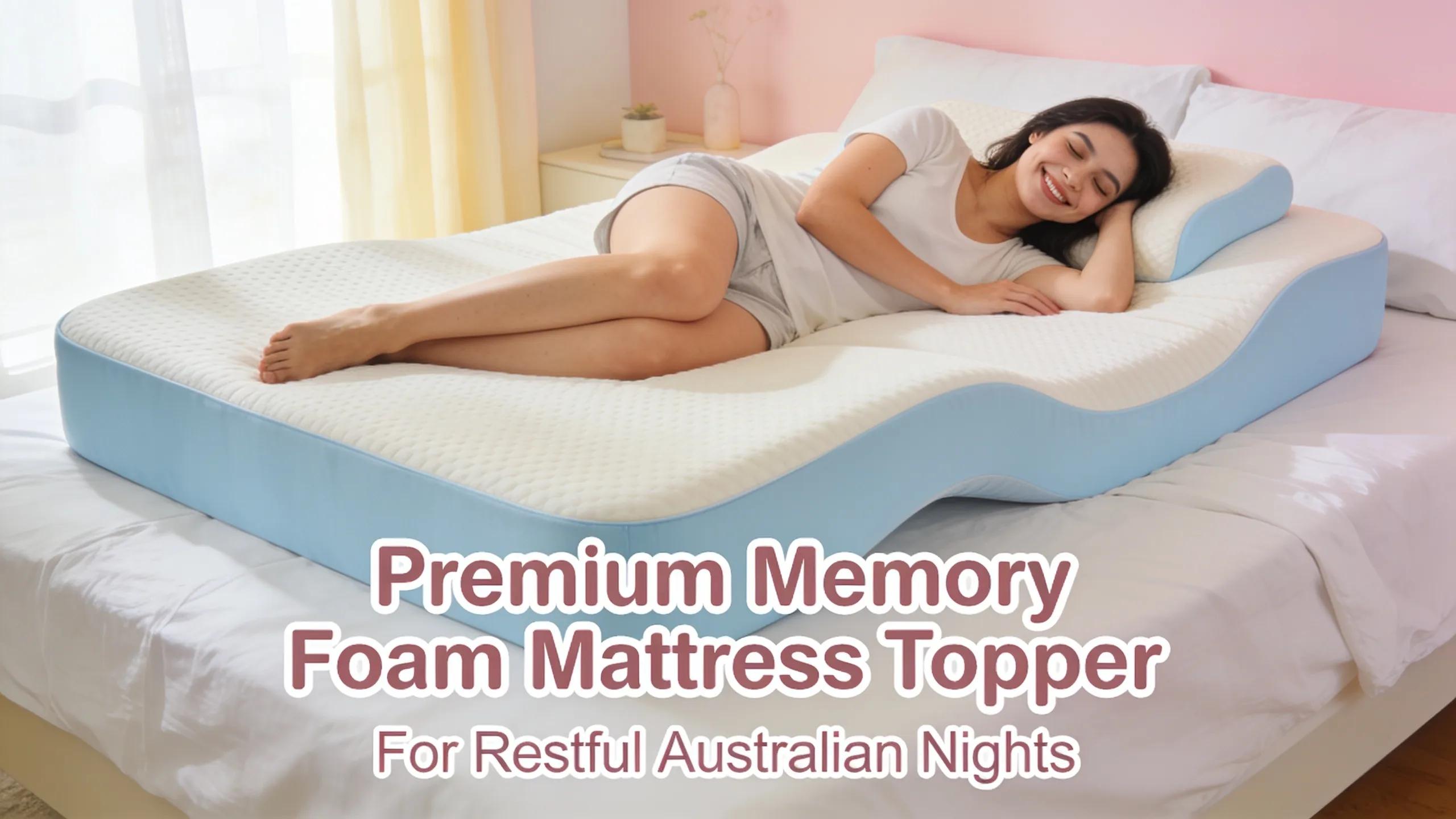
Memory foam mattress toppers offer several key benefits tailored to the needs of Australian sleepers:
Excellent Spinal Alignment: Their ability to contour to the body's shape promotes proper spinal alignment.
Durability and Cost-Effectiveness: High-density memory foam lasts longer, making it a smart investment for budget-conscious consumers.
Modern Temperature Regulation: Many memory foam toppers are designed with cooling technologies to mitigate heat retention.
How Does Memory Foam Enhance Sleep Quality?
Memory foam enhances sleep quality by adjusting to the sleeper's unique body profile. This helps alleviate pressure points that can lead to discomfort and disturbances throughout the night. By distributing weight evenly, memory foam minimises tossing and turning, ultimately leading to a more restful sleep experience.
Are Memory Foam Toppers Hypoallergenic and Durable?
Memory foam toppers can be hypoallergenic if made from high-quality materials that resist dust mites and other allergens. Additionally, high-density memory foam is more durable, maintaining its shape and support over time, making it a reliable option for long-term use.
Why Choose Latex Mattress Toppers in Australia?
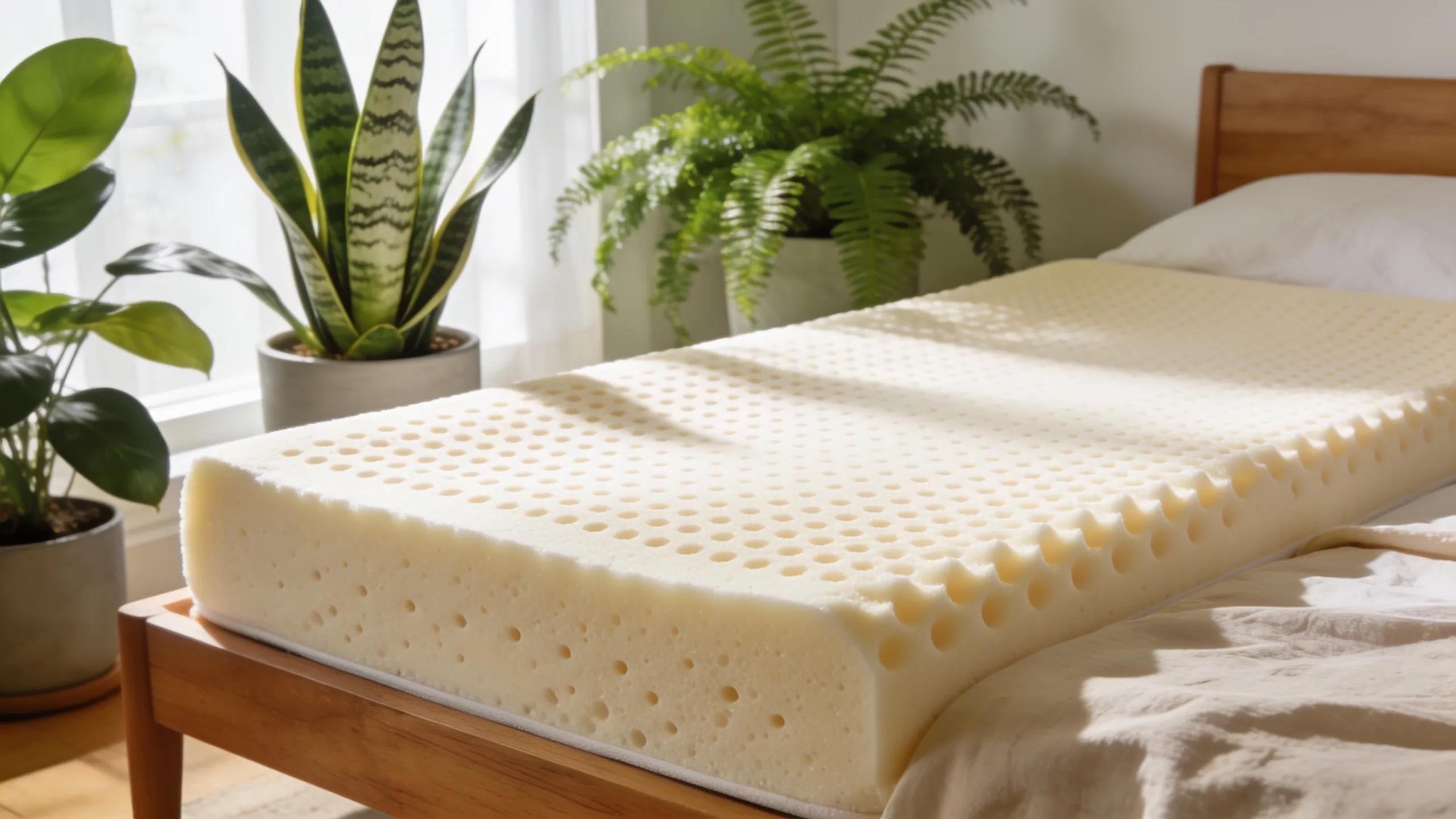
Latex mattress toppers are specifically advantageous for Australian sleepers seeking a balance of comfort and support. Their naturally breathable structure promotes temperature regulation, which is particularly beneficial in warmer climates.
Moreover, latex's hypoallergenic properties make it a suitable choice for individuals sensitive to allergies. The durability of latex also means that these toppers can withstand daily use without significant wear and tear, adding to their appeal.
What Makes Latex Mattresses Eco-Friendly and Suitable for Australian Climate?
Latex toppers are often made from sustainably sourced materials, minimising their environmental impact compared to synthetic options. Their breathable nature helps regulate temperature effectively, making them optimal for the varied Australian climate, which can range from hot and humid to cool and dry.
Cooling Systems in Rubber Mattresses for Thermal Comfort Mattress climate is a critical factor in producing thermal comfort conditions when sleeping. This study focuses on developing rubber mattresses with a cooling system for the elderly and bedridden patients. Development of rubber mattresses with cooling systems to reduce the incidence of pressure sores for the elderly and bedridden patients, S Poojeera, 2024
This further highlights the benefits of latex mattresses, especially in addressing thermal comfort and providing health-related advantages.
How Do Latex Toppers Offer Comfort and Durability?
Latex toppers are designed to provide buoyant comfort without the sinking feeling often associated with memory foam. Their durability typically exceeds that of memory foam, often lasting several years longer while maintaining consistent support and comfort.
Mechanical Properties of Deproteinized Natural Rubber Latex Foam To investigate the mechanical properties of the foam, ball-rebound resilience studies and compression tests were conducted on DPNR latex, commercial grade polyurethane (PU) and polyurethane memory (PM) foams as a comparison. Compressive stress-strain study revealed that the hysteresis loss ratio of DPNR latex foam, PU foam, and PM foam is 0.19, 0.66, and 0.86, respectively. DPNR latex foam exhibits the lowest hysteresis loss ratio due to Compressive Stress-Strain and Rebound Resilience Properties of Deproteinized Natural Rubber Latex Foam, 2023
This citation offers additional information about the mechanical properties of latex foam, reinforcing its durability and consistent performance over time.
How Do Memory Foam and Latex Mattress Toppers Compare: Material and Comfort Differences?
When comparing memory foam and latex mattress toppers, notable material differences come to light. Memory foam is known for its density and firmness, providing tailored support, whereas latex is inherently more resilient and bouncier due to its elastic properties.
These differences lead to varied comfort levels suited for different sleeping styles. Side sleepers, for instance, may prefer the contouring effect of memory foam, while back and stomach sleepers might benefit more from the supportive comfort of latex.
What Are the Main Material Properties Between Memory Foam and Latex?
Material Type |
Density |
Firmness Level |
Breathability |
|---|---|---|---|
Memory Foam |
High (conforms closely) |
Medium to High |
Moderate |
Latex |
Medium to Low (elastic) |
Medium |
High |
This table highlights how latex offers greater breathability compared to memory foam, making it a more suitable option for those residing in warmer climates. You can explore various options on Eco Toppers for quality solutions.
Which Mattress Topper Type Is Better for Different Sleep Preferences?
Understanding individual sleep preferences is vital when choosing a mattress topper.
Side Sleepers: Memory foam provides better contouring, alleviating pressure on the hips and shoulders.
Back Sleepers: A medium-firm latex topper supports spinal alignment without sinking.
Stomach Sleepers: Latex tends to be the better option, as it helps prevent excessive sinking, which can lead to back pain.
What Should Australian Sleepers Consider When Buying a Mattress Topper?
When selecting a mattress topper, Australian consumers should consider several factors to guarantee a suitable choice:
Material Options: Determine whether memory foam or latex aligns better with personal comfort preferences.
Firmness Levels: Opt for a firmness that supports your sleeping position effectively.
Climate Compatibility: Consider whether the topper's material offers appropriate temperature regulation for your local climate.
How Does Australian Climate Affect Mattress Topper Choice?
The diverse Australian climate can significantly influence the choice of mattress topper. In hotter regions, a breathable latex topper may offer the comfort and cooling needed for a good night's sleep, while those in cooler areas might prefer the contouring warmth of memory foam.
Which Features Should You Check Before Buying Memory Foam or Latex Toppers?
When purchasing a mattress topper, essential features to check include:
Thickness: A thicker topper generally provides better support but may affect the overall feel of the bed.
Support Level: Ensure the topper offers the appropriate support based on your sleeping position.
Temperature Regulation Features: Look for breathable materials or cooling technologies to combat heat retention.
The right mattress topper can greatly enhance your sleep quality. Evaluating the benefits of both memory foam and latex options and understanding how they relate to your sleep preferences will ensure you make the best choice for a restful night's sleep.