




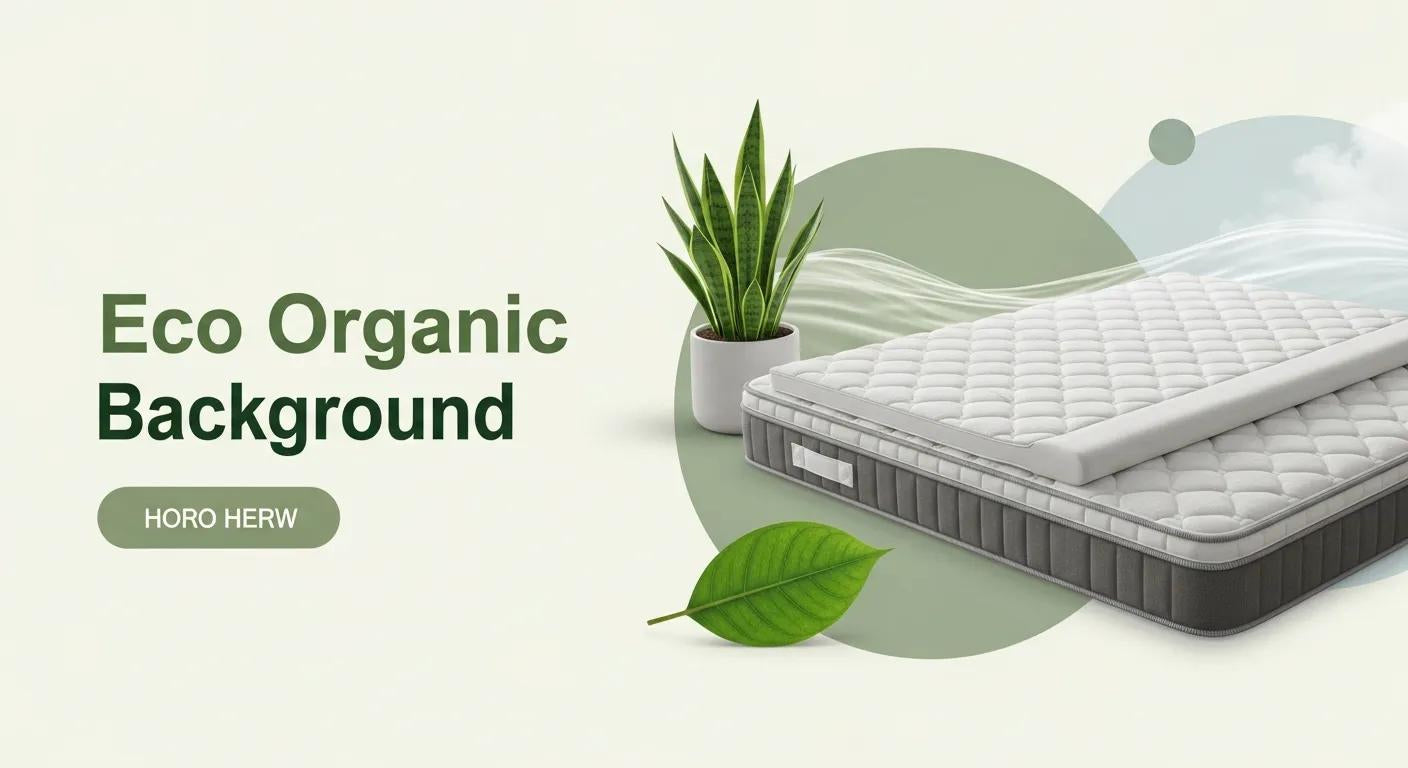
Eco-Friendly Mattress Protection Guide
A sustainable mattress protector is a breathable cover made from renewable natural fibres and low-impact membranes that shields your mattress from spills, dust and daily wear — while helping keep indoor air healthier and reducing your environmental footprint. This guide walks through how eco-friendly options, especially bamboo and organic cotton protectors, deliver hypoallergenic performance, improved temperature control and long-term value for Australian homes and commercial buyers. Eco-conscious protectors tackle common concerns by using natural fibres, verified processing and sensible waterproofing where needed. Read on to learn why material choice matters, how bamboo and organic cotton differ, when waterproofing is necessary, and how commercial and NDIS buyers can benefit. We'll also share practical buying and care tips so you can choose, maintain and replace protectors with confidence.
Why Choose Eco-Friendly Mattress Protectors for Sustainable Sleep?
Eco-friendly mattress protectors cut environmental impact, support better sleep health and help your mattress last longer by combining renewable fibres with careful manufacturing. Natural-fibre protectors reduce reliance on petroleum-based textiles, often use fewer chemicals and can biodegrade faster at end-of-life when they’re processed responsibly. They also limit contact with synthetic finishes that can irritate sensitive skin — a big plus for people seeking natural hypoallergenic bedding in Australia. Here are the main benefits to consider when you shop.
- Environmental sustainability: Natural fibres are renewable and often biodegradable.
- Health and allergy reduction: Fewer harsh finishes and natural antibacterial traits lower allergen load.
- Mattress longevity and cost-effectiveness: Barriers to spills and dust mites delay mattress replacement.
Choosing a sustainable protector can lower lifetime cost-per-use by protecting your mattress and reducing bedding turnover linked to allergies. Next, we compare bamboo and organic cotton so you can weigh the lifecycle and user benefits.
What Are the Environmental Benefits of Bamboo and Organic Cotton Protectors?
Bamboo and organic cotton have different environmental strengths to guide your choice. Bamboo grows quickly, generally needs less fertiliser and regenerates from the same rootstock, which reduces soil disturbance. Organic cotton avoids synthetic pesticides and relies on managed soil practices that support biodiversity. When processed without heavy chemical finishes, both fibres biodegrade more readily than synthetic options and shed fewer microplastics. Lifecycle differences matter: bamboo is typically faster-renewing with lower fertiliser demand, while organic cotton’s water footprint varies by growing region. We recommend weighing renewability, water use and manufacturing transparency when choosing between these fibres.
How Do Eco-Friendly Protectors Support Allergy Sufferers and Sensitive Skin?
Eco-friendly protectors help people with allergies and sensitive skin by reducing chemical finishes and creating a physical barrier against dust mites and allergens. Bamboo fibres naturally wick moisture and can discourage the humid microclimate that dust mites prefer; organic cotton avoids pesticide residues that can irritate skin. For eczema, asthma or chemical sensitivities, look for products certified by schemes like GOTS or OEKO-TEX to limit exposure to residual dyes and finishes. The practical result is fewer nighttime reactions, easier breathing for those with respiratory issues, and simpler surface cleaning to manage allergen reservoirs.
What Are the Key Features of Bamboo Mattress Protectors?
Bamboo mattress protectors combine a soft, breathable surface with practical performance — breathability, moisture-wicking and a gentle hand that help keep sleepers cooler and more comfortable. Bamboo knit structures form tiny capillary channels that move moisture away from the skin while allowing air to pass, aiding temperature regulation for hot or combination sleepers. Bamboo also tends to be less friendly to dust mites than untreated synthetics and can show natural antibacterial tendencies. Practical details like deep-pocket elastic and secure seams keep the protector in place and protect mattress edges for long-term use.
- Breathability and temperature regulation for hot and combination sleepers.
- Moisture-wicking that reduces night-time clamminess and surface humidity.
- Soft, natural texture without heavy chemical finishes.
- Fit and construction options — deep pockets and elastic skirts — for secure coverage.
These features translate into everyday comfort and cleaner sleep. The section below explains how bamboo manages heat and moisture.
How Does Bamboo Regulate Temperature and Enhance Comfort?
Bamboo helps regulate temperature through its fibre structure and the way it’s knitted. Microscopic channels in bamboo-derived fibres draw sweat away from skin and spread it across the fabric so it can evaporate — that evaporation creates cooling, which is useful for hot sleepers or those who sweat at night. The breathable knit also lets warm air escape instead of trapping it next to your body, so the sleep surface stays drier and more stable. In short, bamboo protectors can make sleeping cooler and more comfortable without sacrificing softness.
Why Are Bamboo Protectors Ideal for Allergy and Asthma Sufferers?
Bamboo’s moisture-control and natural antimicrobial tendencies reduce the conditions that encourage dust mites and microbial growth, lowering exposure for allergy and asthma sufferers. When surface moisture and bacterial load are managed, the micro-environment that supports mites and mould becomes less welcoming, which helps reduce allergen build-up. For symptom relief, choose tight-knit outer covers and washable, waterproof membranes so you can keep the protector hygienic without harsh chemicals. Regular washing with a gentle detergent preserves bamboo’s hypoallergenic benefits and helps it keep supporting sensitive sleepers.
| Feature | Attribute | Benefit |
|---|---|---|
| Breathability | Open-knit bamboo fabric | Improves airflow and temperature regulation |
| Moisture-wicking | Capillary fibre structure | Keeps the sleep surface drier and reduces the mite habitat |
| Antibacterial tendency | Natural bamboo compounds | Lowers microbial load and odour potential |
| Fit & finish | Deep pockets, elastic skirt | Ensures secure coverage and prolonged protection |
That table shows how bamboo’s material qualities result in practical advantages for people who want natural, hypoallergenic bedding. Next, we compare bamboo directly with organic cotton.
How Do Organic Cotton Mattress Protectors Compare to Bamboo?
Organic cotton protectors give a classic cotton feel with proven breathability and a robust certification framework that reassures buyers about chemical inputs and production standards. Compared with bamboo, organic cotton usually delivers a familiar soft hand and steady airflow, while certifications like GOTS and OEKO-TEX offer transparency and limits on harmful substances. Bamboo often wins for moisture-wicking and rapid renewability; organic cotton stands out for verified organic farming practices and broad consumer recognition. Your best choice depends on priorities — temperature regulation for hot sleepers or the assurance of a GOTS label for chemically conscious shoppers.
| Material | Characteristic | Practical Impact |
|---|---|---|
| Organic cotton | Certified farming (GOTS/OEKO-TEX) | Transparent chemical control and consumer reassurance |
| Bamboo | Rapid renewability | Lower land use pressure and quicker biomass recovery |
| Organic cotton | Classic softness | Familiar texture and durable laundering performance |
| Bamboo | Superior moisture-wicking | Better temperature regulation for hot sleepers |
What Certifications Ensure Organic Cotton’s Sustainability and Safety?
Certifications give measurable proof of organic cotton’s sustainability and limit harmful inputs. GOTS (Global Organic Textile Standard) covers organic fibre content plus environmental and social criteria through processing, while OEKO-TEX Standard 100 tests finished textiles for harmful substances. When shopping, check product labels for certification numbers and auditor details where available. Clear verification helps you avoid greenwashing and pick protectors that genuinely reduce chemical exposure and meet organic fibre standards.
What Are the Comfort and Protective Benefits of Organic Cotton Covers?
Organic cotton protectors blend breathable woven or knitted constructions with a soft surface that many sleepers prefer. They offer comparable airflow to conventional cotton but without the pesticide residues, which helps sensitive skin. Thin waterproof membranes can be added to protect against spills while keeping that soft hand, and organic cotton generally tolerates regular washing if you follow care instructions. If you want a gentle fibre with verified production claims, organic cotton is a reliable, certified route to sustainable mattress protection.
Why Is Waterproofing Essential in Eco-Friendly Mattress Protection?
Yes — waterproofing matters when spills, incontinence or hospitality-level hygiene are concerns, but it must be balanced with breathability and environmental impact. A waterproof membrane stops liquids from getting into mattress cores, preventing stains, odours and microbial growth that shorten mattress life. Traditional waterproof layers can reduce airflow, so eco-aware buyers should consider plant-based TPU or other bio-derived membranes that better balance barrier performance with breathability. Good waterproofing improves mattress hygiene and lowers replacement frequency — choose sustainable membrane options and follow care routines to keep thermal comfort intact.
How Do Waterproof Layers Extend Mattress Lifespan and Hygiene?
Waterproof layers act as a shield, stopping spills and body fluids from soaking into foams and fibres. That prevents internal staining, odour buildup and the moisture that encourages mould and bacteria, helping mattresses stay hygienic and structurally sound for longer. Protecting against fluid damage can delay visible wear and the need for replacement, lowering lifetime cost-per-use. Regular spot-cleaning and observing wash limits for membranes will keep waterproof performance at its best and extend protective life.
Which Eco-Friendly Materials Provide Effective Waterproofing?
Several eco-minded membranes balance barrier function with breathability and lower environmental impact. Plant-based TPU and other bio-derived polymers offer a polymer barrier sourced partly from renewable feedstocks and can be more breathable than thicker PVC layers. Thin thermoplastic laminates give strong waterproofing but can reduce airflow if too dense. Trade-offs include somewhat higher cost and variable recyclability, so match membrane choice to the use-case — clinical and hospitality settings often require industrial washability, while home users typically prioritise breathability and fewer chemicals. Check wash durability, breathability ratings and end-of-life options before you buy.
| Membrane Type | Characteristic | Trade-off / Benefit |
|---|---|---|
| Plant-based TPU | Renewable feedstock content | Good barrier with improved breathability; slightly higher cost |
| Bio-derived polymer | Lower fossil intensity | Emerging tech with variable wash durability |
| Thin thermoplastic laminate | Strong waterproofing | Excellent fluid barrier; may reduce airflow if too thick |
How Can Commercial and NDIS Solutions Benefit from Eco-Friendly Mattress Protectors?
Commercial and NDIS purchasers gain from eco-friendly protectors through better hygiene, lower total cost of ownership and procurement options that support sustainability goals. In hospitality and healthcare, durable natural-fibre protectors with washable waterproof membranes reduce mattress damage from laundering and help maintain guest or patient comfort while showing environmental responsibility. For NDIS participants, protectors that meet Assistive Technology or Home & Living support criteria can be accessed through approved pathways, improving access to sustainable bedding. Buying in bulk also brings consistent specifications, easier maintenance routines and product support that reduce lifecycle costs and administrative work.
What Features Make EcoToppers Protectors Suitable for Hospitality and Healthcare?
EcoToppers protectors are built for hospitality and healthcare needs: durable fabric, washable membranes and construction that withstand frequent cleaning while staying comfortable. They focus on secure fit, reinforced seams and materials that tolerate industrial laundering and infection-control routines — without relying on heavy chemical coatings. We also support our products with practical services, including flexible purchasing options, nationwide shipping, and product support designed to give you confidence in your investment. These operational details help procurement teams assess long-term value and maintain a steady supply in high-turnover settings.
How Does NDIS Access Facilitate Sustainable Bedding?
For eligible NDIS participants, accessing mattress protectors can be streamlined when products meet Assistive Technology or Home & Living support rules and suppliers offer appropriate purchasing pathways. The process usually involves documenting participant needs, selecting products with clinical or functional justification and coordinating through the supplier’s NDIS pathway so items are paid from plan budgets. Practical tips: keep clear records of functional requirements, ask suppliers for guidance on relevant codes and ensure the protector’s features match the documented needs. This approach streamlines procurement for participants seeking durable, hypoallergenic bedding with funded supports.
How to Choose and Care for Your Eco-Friendly Mattress Protector?
Picking and caring for an eco-friendly protector means matching material, waterproofing, certification and fit to your use-case, then following care steps that preserve performance and longevity. Choose the fibre that suits you — bamboo for moisture-wicking and cooling, organic cotton for verified chemical control and a classic feel — check certifications, and confirm membrane type if you need waterproofing. Care properly: follow recommended wash temperatures, use gentle detergents and avoid fabric softeners to prevent premature wear. Below is a simple checklist to guide purchase and care decisions so your protector stays effective and hypoallergenic.
- Confirm your primary need: allergy control, waterproofing, temperature regulation or commercial durability.
- Verify certifications: look for GOTS or OEKO-TEX where applicable and check product labelling.
- Match membrane to use-case: plant-based TPU is a balanced choice; heavier laminates suit clinical settings.
- Follow care instructions: wash gently, avoid bleach and fabric softeners, and check waterproof integrity occasionally.
Following these steps helps your protector last longer. The next section gives concrete washing and replacement cues.
What Factors Should You Consider When Selecting a Sustainable Mattress Protector?
When choosing a protector, think about material performance, certification credibility, waterproofing trade-offs, mattress depth compatibility and supplier trust signals like trials and product support. Material performance covers breathability, moisture-wicking and softness. Certification credibility verifies reduced chemical exposure and processing transparency. Waterproofing balances hygiene and airflow. Fit compatibility prevents slippage that undermines protection. Supplier signals — such as trial periods, clear shipping policies and reasonable product support terms — give practical assurance that the product will meet real-world needs. Prioritise the three attributes most important to your household or facility to make a clear decision.
These considerations lead directly to care routines that help the protector keep working as intended.
How Do You Maintain Bamboo and Organic Cotton Protectors for Longevity?
Maintain bamboo and organic cotton protectors with gentle, regular care to keep fibres and membranes working and to remove allergen build-up. Wash on a gentle cycle in cool to warm water with a mild, enzyme-free detergent. Avoid bleach and fabric softeners — they can damage fibres and waterproof layers. Tumble-dry on low or air-dry to protect the elastic and seams. Check seams regularly and test waterproofing by pouring a small amount of water on the surface to see if it beads; if water soaks through, it’s time to consider replacement. Replace protectors when membranes fail, stubborn stains or odours remain after cleaning, or when elastic and seams no longer hold a secure fit.
For extra confidence, EcoToppers supports buyers with flexible purchasing options, nationwide shipping, and product support designed to give you peace of mind. These services make selection and replacement easier while keeping sustainability and hypoallergenic performance front of mind.
This practical guidance completes the selection-to-care pathway so you can make informed choices about sustainable mattress protection.
Frequently Asked Questions
What is the lifespan of eco-friendly mattress protectors?
Eco-friendly mattress protectors are designed for durability, with their lifespan depending on use and care. Gentle washing and avoiding harsh chemicals will help extend their life. High-traffic settings or frequent spills may shorten it, so check the manufacturer's care guidance and watch for signs like failed waterproofing or persistent odour to know when to consider replacement.
Are eco-friendly mattress protectors suitable for all mattress types?
Yes. Eco-friendly protectors are made to fit memory foam, innerspring and hybrid mattresses. Match the protector to your mattress depth and dimensions for the best fit — many options include deep pockets and elastic skirts to accommodate different profiles. Consider breathability or waterproofing needs when choosing the right protector for your mattress.
How do I know if a mattress protector is truly eco-friendly?
Look for reputable certifications such as GOTS (Global Organic Textile Standard) and OEKO-TEX Standard 100, which verify environmental and safety standards. Check the materials listed — organic cotton and bamboo are good signs — and review transparency about sourcing and manufacturing. Trusted brands publish certification numbers and supply-chain details to help you confirm claims.
Can I wash my eco-friendly mattress protector in a washing machine?
Yes — most can. Follow the care label: wash on a gentle cycle in cool to warm water with a mild, enzyme-free detergent. Avoid bleach and fabric softeners, which can harm natural fibres and membranes. Air-dry or tumble-dry on low to protect the elastic and seams and keep the protector performing well.
What should I do if my mattress protector becomes stained?
Act quickly. Spot-clean stains with a mild detergent and water, testing any cleaner on a small, hidden area first. For tougher marks, use a gentle stain remover that’s safe for the fabric. After spot treatment, wash according to the care instructions. If stains or odours persist after cleaning, it may be time to replace the protector.
Are there specific eco-friendly brands to consider for mattress protectors?
Yes — look for brands that prioritise certified organic materials and clear supply-chain information. Examples include EcoToppers and other reputable makers. Read product labels, check certifications, and review customer feedback to confirm a brand’s sustainability claims and real-world performance.