





Sleep in Comfort with Bamboo Fitted Sheets Australia
Choosing between bamboo and cotton quilt covers matters more now for people who care about sustainability and comfort. Both materials bring clear benefits. This guide compares bamboo and cotton on sustainability, comfort, hypoallergenic qualities, durability and care. It also covers the environmental impact of each and how to care for bamboo quilts. By the end, you’ll have practical information to pick the best option for your needs.
What Are the Key Benefits of Bamboo Bedding Compared to Cotton?
Bamboo bedding is becoming more popular because it combines eco-friendly growing practices with a soft, comfortable finish. Bamboo grows quickly and uses little water, while cotton often needs more water and pesticides. Many people also prefer the silk-like feel of bamboo quilt covers for everyday comfort.
Bamboo is naturally hypoallergenic, which helps if you have sensitive skin or allergies. Its fibres resist dust mites and common allergens, so your sleeping space can feel cleaner. Cotton, by contrast, can sometimes trap allergens and affect sleep for sensitive sleepers.
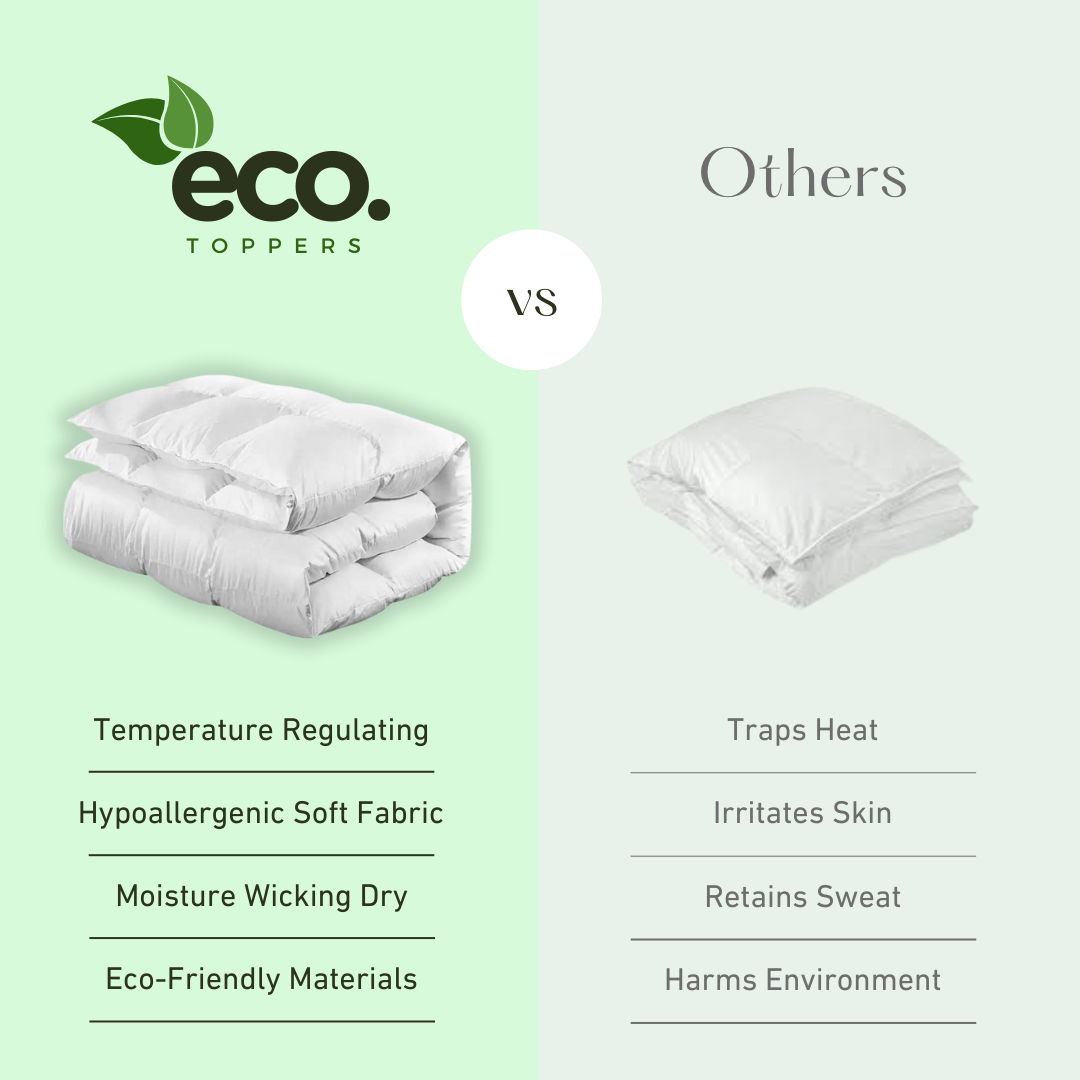
For those looking for high-quality bamboo quilt covers, Eco Toppers offers a range of eco-friendly options that align with sustainable living practices.
How Does Bamboo Bedding Enhance Breathability and Comfort?
Bamboo improves breathability through strong moisture-wicking fibres that promote airflow. That helps regulate your body temperature and keeps you cooler on warm nights. This is useful if you sleep hot or live in a warmer climate.
On top of breathability, bamboo feels exceptionally soft against the skin. The combination of airflow and gentleness makes bamboo quilt covers a solid choice for better, more restful sleep.
What Hypoallergenic Advantages Do Bamboo Quilt Covers Offer?
Bamboo quilt covers suit allergy sufferers because the fibres naturally resist dust mites, mould and mildew — common allergy triggers. That resistance supports a cleaner sleep environment and lowers the chance of reactions.
Its moisture-wicking ability also keeps bedding drier, which further reduces allergen growth. For sensitive skin, bamboo can provide a more comfortable, irritation-free night’s sleep.
How Do Cotton Quilt Covers Compare in Durability and Care?
Cotton quilt covers are valued for their durability and straightforward care. They tolerate regular washing and daily use better than some delicate fabrics. That makes cotton a practical choice for families and anyone who needs low-maintenance bedding.
The lifespan of a cotton quilt cover depends on fabric quality. Higher thread counts generally last longer, while lower-grade cotton may show wear sooner.
What Are the Recommended Care Instructions for Cotton Quilt Covers?
To keep cotton quilt covers in good condition, follow simple care steps you can trust:
- Machine Wash: Use cold water on a gentle cycle to prevent shrinking and fading.
- Avoid Harsh Chemicals: Steer clear of bleach and fabric softeners, which can degrade the fabric over time.
- Drying Methods: Tumble dry on low heat or air dry to preserve the integrity of the fibres.
Following these care steps will help your cotton quilt covers last longer and stay looking fresh.
How Durable Are Cotton Quilt Covers in Everyday Use?
When made from quality materials, cotton quilt covers stand up well to daily use and washing without losing shape or comfort. Durability does vary with the cotton type and weave, so choose accordingly.
Percale and sateen weaves perform differently: percale feels crisp and breathable, while sateen is softer and more luxurious. Knowing these differences helps you pick a cotton quilt cover that matches your needs.
Why Choose Eco-Friendly Quilt Covers: Sustainability of Bamboo and Cotton Materials
Choosing eco-friendly quilt covers reduces your environmental footprint. Bamboo is often seen as more sustainable because it grows fast and needs fewer resources. Cotton farming can demand large amounts of water and involve pesticide use.
Bamboo also biodegrades naturally at the end of its life, which makes it a more responsible option for people trying to reduce waste and environmental harm.
What Are the Environmental Benefits of Bamboo Bedding?
Bamboo bedding offers several environmental benefits, including:
- Fast Growth: Bamboo can grow up to three feet in a single day, making it a highly renewable resource.
- Minimal Water Needs: Unlike cotton, bamboo requires significantly less water to thrive, reducing strain on water resources.
- No Pesticides or Fertilisers: Bamboo is naturally resistant to pests, eliminating the need for harmful chemicals in its cultivation.
Those factors make bamboo a strong choice for consumers who want bedding that aligns with sustainable values.
How Does Cotton Bedding Impact Carbon Footprint and Resource Use?
Cotton production can have a notable environmental cost because it often needs a lot of water and pesticide use. Producing cotton can consume thousands of gallons of water per pound in some regions, which contributes to local water stress.
Pesticide use in cotton farming can also degrade soil and pollute waterways. Choosing bamboo instead of cotton can reduce resource use and support more sustainable practices in textiles.
How to Care for Bamboo Quilts: Essential Instructions for Longevity
Proper care keeps bamboo quilts feeling soft and performing well for longer. Simple, regular maintenance preserves the natural benefits of bamboo.
What Washing and Drying Methods Preserve Bamboo Quilt Quality?
To preserve the quality of bamboo quilts, follow these washing and drying methods:
- Gentle Washing Cycles: Use a gentle cycle with cold water to prevent damage to the fibres.
- Air Drying Recommendations: Whenever possible, air-dry your bamboo quilts to avoid heat damage from dryers.
- Avoiding Heat Damage: If using a dryer, select a low heat setting to minimise the risk of shrinking or degrading the fabric.
Stick to these care methods and your bamboo quilts will stay soft, breathable and comfortable for years.
How to Maintain Bamboo Bedding’s Breathability and Softness?
Keeping bamboo bedding breathable and soft is straightforward with a few good habits:
- Regular Airing and Rotation: Air out your bamboo quilts regularly to prevent moisture buildup and maintain freshness.
- Proper Storage Techniques: Store bamboo bedding in a cool, dry place to avoid mildew and maintain its quality.
- Avoiding Overloading the Washing Machine: Ensure that your washing machine is not overloaded, as this can lead to inadequate cleaning and potential damage to the fibres.
These simple steps will help your bamboo bedding perform at its best and give you a comfortable night’s sleep.
What Are the Advantages of Sustainable Bedding Materials in Commercial Fit-Out Projects?
Sustainable bedding materials like bamboo and cotton bring clear benefits to commercial fit-outs. They improve guest comfort and support a brand image built around responsible, eco-friendly choices.
How Do Bamboo and Cotton Quilt Covers Support Green Fit Outs?
Bamboo and cotton quilt covers suit green fit-outs because they offer eco-friendly options that match sustainable design goals. Bamboo, in particular, is renewable and can contribute to healthier indoor environments for guests.
Using sustainable materials can also streamline care and maintenance, which reduces operational costs over time for businesses.
What Case Studies Demonstrate Success with Eco-Friendly Bedding in Commercial Settings?
Case studies show tangible benefits when businesses switch to eco-friendly bedding. For example, hotels that adopt bamboo bedding often report higher guest satisfaction thanks to improved comfort and sustainability credentials.
Eco-resorts that use sustainable materials also tend to attract more environmentally conscious travellers, which boosts marketability and reinforces their brand values.
To learn more about our company values and sustainable practices, visit the Eco Toppers about us page.
Frequently Asked Questions
What is the lifespan of bamboo quilt covers compared to cotton?
Bamboo quilt covers can last as long as, or longer than, cotton, depending on how you care for them. Bamboo feels softer and may need gentler handling, while high-quality cotton is very durable with the right care. Bamboo’s moisture-wicking and hypoallergenic traits often make it a preferred choice for comfort and health, even if you prioritise longevity.
Are bamboo quilt covers more expensive than cotton?
Bamboo quilt covers are often priced higher than cotton due to the sustainable practices involved in their production. Prices vary by brand and quality. Many customers find value in the long-term comfort, durability and eco credentials of bamboo.
Can bamboo quilt covers be used in all seasons?
Yes. Bamboo quilt covers work well year-round. Their moisture-wicking fibres help regulate temperature — keeping you cool in summer and comfortable in winter. Good breathability also helps maintain sleep quality in any season.
How do I know if my cotton quilt cover is of high quality?
Check thread count, fabric type and weave to judge cotton quality. Thread counts above about 300 usually signal a softer, more durable fabric. Look for 100% cotton rather than blends, and choose between percale for a crisp, breathable feel or sateen for a softer, more luxurious finish. Certifications like organic cotton also indicate stronger sustainability standards.
What are the environmental impacts of choosing cotton over bamboo?
Choosing cotton instead of bamboo can increase environmental impact because cotton farming often uses more water and pesticides. Those inputs can harm local ecosystems and soil health. Bamboo’s fast growth and lower chemical needs make it a more sustainable textile option, helping reduce your carbon footprint.
Can I mix bamboo and cotton bedding in my home?
Yes. Mixing bamboo and cotton bedding is a practical way to enjoy the strengths of both materials. For example, you might pair a bamboo quilt cover with cotton sheets to balance breathability and texture. Just follow compatible care instructions so both materials stay in good condition.