



Sleep Better with Sustainable Bamboo Bedding
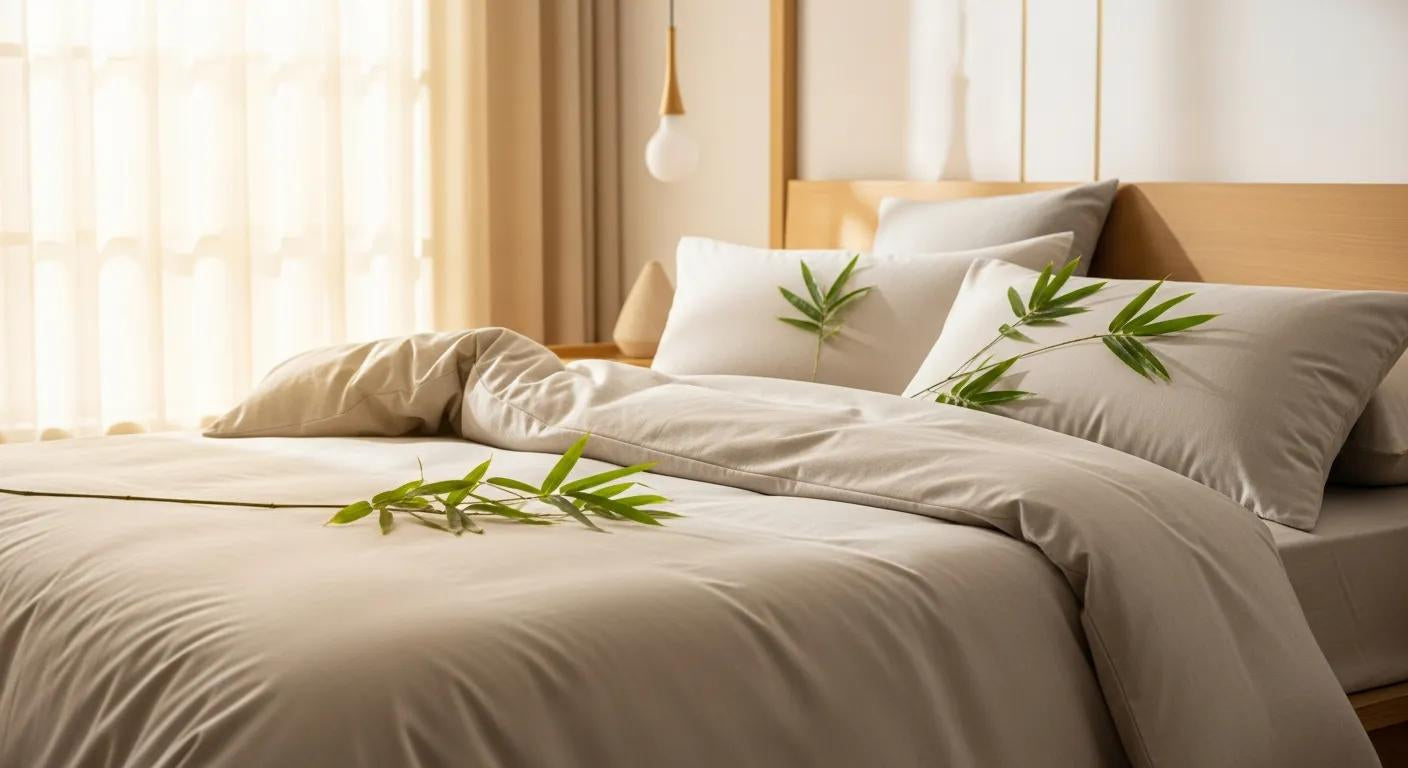
Bamboo bedding is quickly becoming a favourite for those who want a healthier sleep and a smaller environmental footprint. In this guide, we explore what makes bamboo so comfortable and breathable, why it’s naturally hypoallergenic, and how choosing bamboo supports more sustainable production. You’ll also find practical care tips, a quick look at the materials used, and an overview of the bamboo bedding range from Eco Toppers. Plus, we compare bamboo to traditional options like cotton so you can decide what’s best for your home.
This fits with the wider move toward bio home linens — natural, renewable textiles that aim to improve health, comfort and sustainability in everyday life.
What are the key benefits of bamboo bedding for eco-conscious shoppers?
Bamboo bedding combines comfort, performance and lower environmental impact — the three things many buyers want. Bamboo fibres are soft and breathable, wick moisture away from the body to help regulate temperature, and are naturally resistant to dust mites and mould. For people with sensitivities, that hypoallergenic quality can make a real difference. Put simply: bamboo helps you sleep better and leave a lighter footprint.
How does bamboo bedding improve comfort and breathability?
Bamboo fibres have a silky, smooth feel that sits cool against the skin. They’re excellent at moving moisture away from the body and letting air flow through the fabric — which keeps you drier and more comfortable, especially on warmer nights. The result is bedding that feels breathable and lightweight without sacrificing softness.
Why is bamboo bedding a healthier choice than many other fabrics?
Bamboo’s natural structure makes it less hospitable to dust mites, mould and common allergens, so it’s a smart pick for people with asthma or sensitive skin. When bamboo is grown and processed responsibly, it also tends to use fewer harsh chemicals than some conventional textiles, which is better for both your home and the environment.
Which eco-friendly materials appear in sustainable bamboo bedding?
Most sustainable bamboo bedding starts with bamboo fibres sourced from fast-growing bamboo plants. When produced with eco-conscious methods — for example, using non-toxic dyes and sustainable manufacturing — the whole product better reflects low-impact principles. Many items also carry certifications or third-party labels that confirm organic or low-toxicity production standards.
Bamboo can play a meaningful role in greener textile engineering and product design.
What makes bamboo a renewable, sustainable choice for bedding?
Bamboo grows rapidly and regenerates without replanting, often reaching maturity in around five years. It typically needs far less water than many other crops and, when managed responsibly, causes less soil depletion. These factors — quick regrowth, lower water demand and strong CO₂ absorption — help make bamboo a practical renewable resource for home textiles.
Bamboo’s fast growth and carbon uptake are reasons it’s classed among rapidly renewable materials.
How do organic bamboo sheets compare with conventional fabrics?
Organic bamboo sheets are typically softer and more breathable than many conventional fabrics. They’re also more biodegradable than synthetic fibres and, when certified organic, are produced with fewer pesticides and toxic inputs than conventional cotton. That reduces environmental impact and often results in a gentler fabric for sensitive sleepers.
How should you care for bamboo bedding so it lasts?
Treat bamboo bedding gently, and it will reward you with years of softness. Use mild detergents in cold or warm water, avoid bleach and skip fabric softeners, which can coat and weaken the fibres. Air drying is best to preserve fabric integrity, though a low-heat tumble dry is acceptable if needed.
Best practices for washing and drying bamboo bed linen
The essentials for caring for bamboo bedding are:
- Washing: Use cold or warm water and a gentle detergent to protect the fibres and keep the fabric soft.
- Avoid harsh chemicals: Don’t use bleach or fabric softeners — they shorten the life of the fabric.
- Drying: Air drying is ideal; if you use a dryer, choose a low-heat setting to prevent shrinkage and maintain quality.
Follow these steps and your bamboo bedding will stay comfortable and effective for longer.
How does proper care extend the life of sustainable bamboo bedding?
Gentle washing, minimal heat and avoiding harsh treatments reduce wear and help the fibres keep their moisture-wicking and hypoallergenic properties. The longer you care for your bedding, the less often you’ll need to replace it — which is better for your wallet and the planet.
What bamboo bedding products does Eco Toppers offer?
Eco Toppers stocks a range of bamboo sleep essentials: mattress toppers, fitted and flat sheets, duvet covers and pillowcases — many made from high-quality, often organically certified bamboo fibres. Each piece is designed to be comfortable, breathable and made with sustainable practices in mind. Eco Toppers focuses on practical, planet-friendly choices that perform night after night.
Features of Eco Toppers bamboo mattress toppers
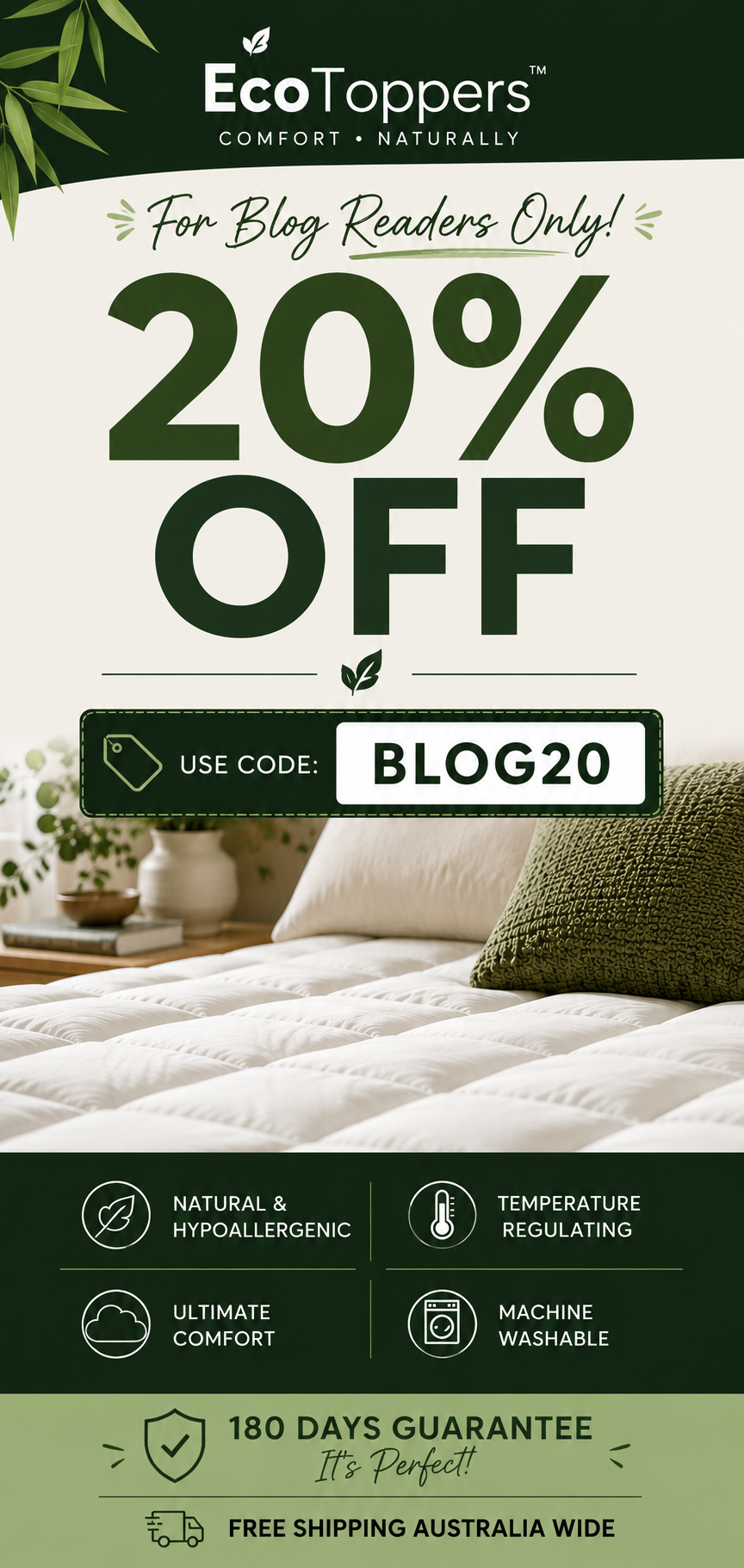
Our bamboo mattress toppers are built for comfort and breathability. They offer a soft sleeping surface with natural hypoallergenic benefits and moisture-wicking performance to help regulate temperature. Designed to complement your mattress, they’re an easy way to upgrade comfort while keeping sustainability at the forefront of your mind.
Which bamboo accessories pair well with Eco Toppers mattress toppers?
To get the most from a mattress topper, match it with bamboo sheets, a bamboo duvet cover and bamboo pillowcases. A full bamboo linen set keeps temperature regulation and hypoallergenic benefits consistent across your bed for a more comfortable, cohesive sleep system.
How does bamboo compare with cotton and other bedding materials?
Bamboo and cotton differ in a few important ways. Bamboo tends to use less water, grows faster, and often requires fewer chemical inputs when sustainably produced. In use, bamboo usually feels softer and cooler than many cottons and outperforms synthetic materials on breathability and biodegradability. These factors make bamboo an appealing alternative for eco-minded shoppers.
Environmental advantages of bamboo over cotton
Bamboo generally needs far less water than cotton — estimates often put the reduction at around 70–80% — and it regrows quickly without replanting. Cotton farming can demand heavy pesticide use and more intensive soil management. That difference in resource use and agricultural impact is a key reason many buyers prefer bamboo for its lower environmental cost.
Comfort and care: bamboo versus cotton
Bamboo often feels softer and cooler than cotton, and its moisture-wicking nature helps keep sleepers dry. Care-wise, bamboo benefits from gentler washing to keep fibres intact, whereas many cotton items tolerate hotter washes. Both have their strengths, but bamboo offers standout breathability and a silky handfeel.
What do customers say about sustainable bamboo bedding?
Reviews consistently praise bamboo bedding for its softness, breathability and allergy-friendly qualities. Many customers report better sleep and less irritation, while others appreciate the sustainable sourcing and feel-good factor of choosing low-impact materials.
Top benefits customers mention in Eco Toppers reviews
Common themes in customer feedback include:
- Exceptional comfort: Shoppers often describe the sheets and toppers as noticeably soft and comfortable, improving overall sleep quality.
- Hypoallergenic properties: Many customers report fewer allergy symptoms after switching to bamboo bedding.
- Sustainability: Eco-conscious buyers value the brand’s environmentally focused materials and production practices.
Those positive experiences reflect why many people switch to bamboo for both comfort and sustainability.
Why do outdoor enthusiasts choose bamboo bedding?
Bamboo is lightweight, breathable and packs well, so it’s a good option for camping and travel. Its moisture-wicking and hypoallergenic qualities make it practical in variable conditions, giving campers a cleaner, more comfortable sleep setup without adding bulk.
Frequently Asked Questions
What is the environmental impact of bamboo farming compared to cotton?
Bamboo farming typically has a much lower environmental impact than conventional cotton. Bamboo usually requires far less water — estimates commonly range around 70–80% less — and can be harvested every few years without replanting. Cotton, by contrast, often needs more water and can involve heavier pesticide and fertiliser use, which harms soil health over time.
Can bamboo bedding help with temperature regulation during sleep?
Yes. Bamboo’s moisture-wicking fibres absorb and release moisture efficiently and allow good airflow, helping to keep your sleep temperature stable. That makes bamboo bedding suitable for a wide range of climates and sleepers who overheat at night.
Are there any certifications to look for when purchasing bamboo bedding?
Look for recognised standards like OEKO-TEX Standard 100 or GOTS (Global Organic Textile Standard). These certifications indicate lower chemical exposure and more responsible production practices, helping you choose bedding that’s safer for your health and the environment.
How does the lifespan of bamboo bedding compare to traditional materials?
With proper care, bamboo bedding can last as long or longer than many cotton or synthetic options. Bamboo fibres are durable and maintain softness over time when washed gently and kept away from harsh chemicals and high heat.
What should I consider when transitioning from cotton to bamboo bedding?
Expect a softer, more breathable feel with bamboo, and remember it benefits from gentler washing (cold or warm water, mild detergent). You may notice a short adjustment period if you’re used to heavier cottons, but many sleepers prefer the lighter, cooler sensation of bamboo.
Is bamboo bedding suitable for sensitive skin or allergies?
Yes. Bamboo’s natural resistance to dust mites and mould — plus its smooth fibre surface — often makes it a good choice for sensitive skin and allergy sufferers. Many customers report fewer symptoms after switching to bamboo bedding.