



Why Australians Are Switching to Eco-Friendly Bamboo Bedding — Benefits & Buying Guide
More Australians are choosing products that do less harm to the planet — and bamboo bedding keeps coming up for good reasons. It combines natural comfort, temperature regulation and low environmental impact in a single, easy upgrade for your bedroom. In this guide, we cover what makes bamboo bedding different, how it compares to conventional materials, practical care tips, product options available in Australia and what customers are saying. If you’re tired of itchy sheets or restless nights, bamboo could be the simple change that improves your sleep and reduces your footprint.
What are the main benefits of bamboo bedding for Australian homes?
Bamboo bedding ticks several boxes for everyday use. The fabric is soft and breathable, which helps improve sleep quality. It’s naturally hypoallergenic and resists dust mites and mould, a real plus for sensitive skin. Couple those health benefits with bamboo’s strong sustainability credentials, and you’ve got a compelling alternative to traditional bedding.
How does bamboo bedding improve comfort and airflow?

Bamboo fibres are naturally cool to the touch and designed to let air move freely through the fabric. That airflow helps regulate body temperature — keeping you cooler in summer and comfortably warm through winter — so you wake feeling more rested. The fabric also feels luxuriously soft, often compared to high-thread-count cotton but with better moisture management.
Why is bamboo a good choice for sensitive skin?
Bamboo is naturally hypoallergenic and has antimicrobial qualities that reduce dust mites, mould and common irritants. That means fewer triggers for skin irritation and allergies, and a cleaner sleep surface overall. For many people, swapping to bamboo bedding translates into fewer nighttime annoyances and a fresher bed between washes.
Why is bamboo fibre considered more sustainable?
Bamboo is widely regarded as a sustainable textile option because it grows quickly and needs fewer inputs than many conventional crops. Under ideal conditions, it can grow up to around 1 metre (approximately 3 feet) a day and uses significantly less water than cotton — making it an attractive choice for eco-conscious shoppers.
What is the environmental footprint of bamboo fibre production in Australia?
Compared with cotton farming, bamboo production generally requires fewer pesticides and less water, which reduces chemical runoff and pressure on local water supplies. While large-scale bamboo farming is still limited in Australia, responsibly sourced imported bamboo still offers a lower-impact alternative to many conventional fibres. When grown and processed with care, bamboo can support healthier soils and more diverse ecosystems.
How does bamboo stack up against cotton for sustainability and durability?
Bamboo usually wins on sustainability: it’s fast-growing, can be harvested without killing the plant and needs fewer agrochemicals. In terms of durability, bamboo fabrics are strong and resilient — often matching or exceeding cotton for longevity. That means fewer replacements over time and less waste heading to the landfill.
The textile industry’s reliance on materials like cotton and polyester has measurable environmental costs, which is why alternatives such as bamboo are becoming more important.
How should you care for and maintain your eco-friendly bamboo duvet?
With a little care, bamboo bedding keeps its feel and performance for years. Follow gentle washing and drying routines, and your duvet and sheets will stay soft, breathable and long-lasting.
Best washing and drying tips for bamboo bedding
Wash bamboo bedding in cold or warm water on a gentle cycle and use a mild detergent. Avoid bleach and harsh chemicals that can damage the fibres. Air-drying is ideal; if you use a tumble dryer, choose a low-heat setting to reduce the risk of shrinkage. Regular, gentle washing keeps the fabric fresh and helps control allergens.
How proper care extends the life of bamboo bedding
Careful washing, low-heat drying and storing bedding in a cool, dry place all help prevent premature wear. Treating bamboo bedding kindly preserves the fabric’s softness, breathability and hypoallergenic benefits — so you get the best value from your purchase over the long term.
Which bamboo bedding products can you buy in Australia?

There’s a healthy selection of bamboo bedding in Australia to suit different preferences: duvets, sheet sets and pillowcases are the most common. Each product emphasises breathability and sustainability while offering a soft, comfortable sleep surface.
What makes EcoToppers’ organic bamboo duvet stand out?
EcoToppers’ organic bamboo duvet is made from bamboo-derived viscose (also called bamboo rayon) blended with organic cotton for added structure and softness. It’s designed to regulate temperature and wick moisture, making it comfortable year-round. The duvet is hypoallergenic and resistant to dust mites — a practical choice for allergy-prone households. We also prioritise eco-friendly production methods to keep environmental impact to a minimum.
How do eco-friendly duvet covers complete a sustainable bedding set?
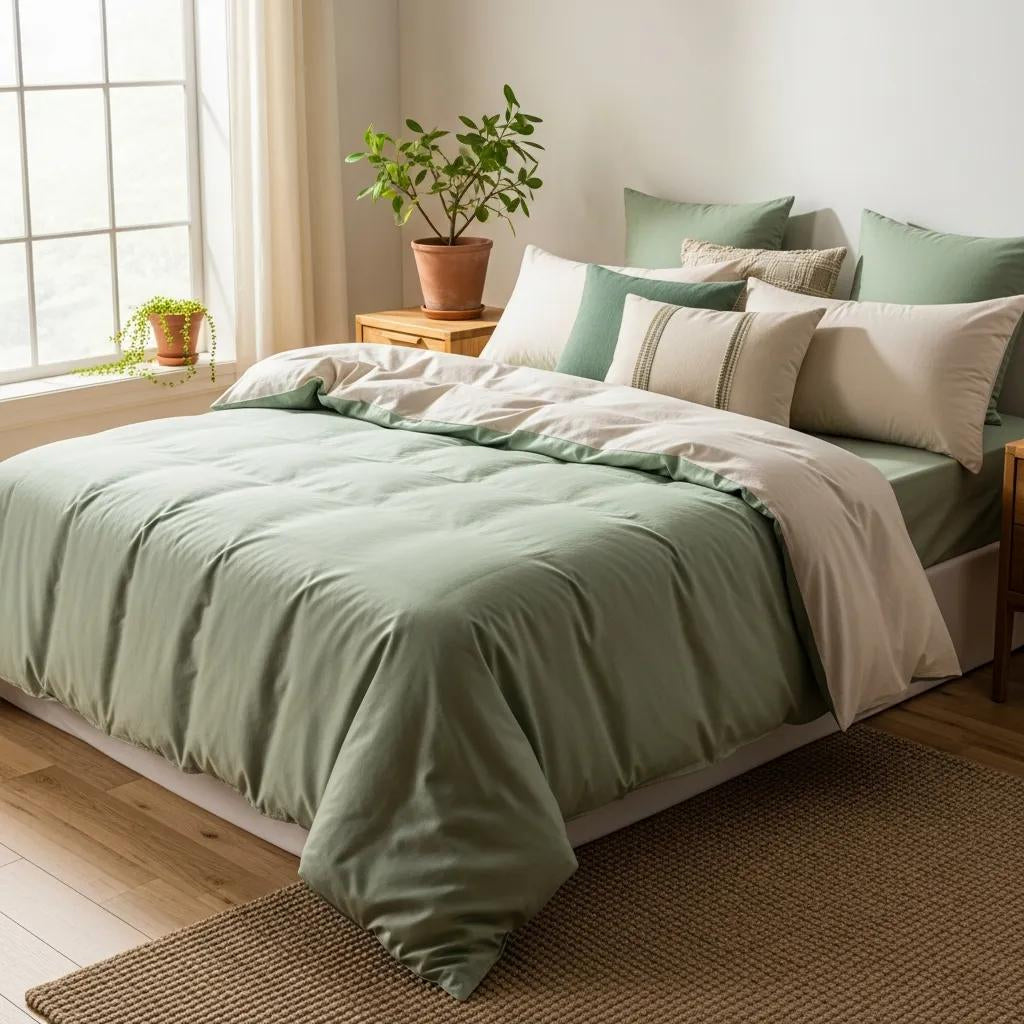
Eco-friendly duvet covers made from the same quality bamboo fabric keep the look and feel consistent across your bed. They’re easy to care for, durable and help protect your duvet — so the whole set lasts longer and stays comfortable. Choosing a matching cover is an easy way to reduce waste and keep your bedroom looking and feeling intentional.
What do Australian customers say about bamboo bedding?
Customer reviews often highlight bamboo bedding’s comfort, breathability and eco credentials. Many people report better sleep and fewer allergy issues after switching from conventional sheets.
User stories that underline comfort and sustainability
Australian customers commonly praise the softness and temperature control of bamboo bedding. Many mention waking up less sweaty and enjoying a consistently comfortable night’s sleep. The sustainable angle also resonates — buyers appreciate choosing products that align with their environmental values.
How reviews shape bamboo bedding purchases
Reviews are a key deciding factor for many shoppers. Positive feedback about comfort, durability and sustainability gives prospective buyers confidence, making it easier to choose bamboo over traditional bedding options.
Where can you buy sustainable bamboo sheets and bedding in Australia?
Bamboo bedding is available from a range of retailers across Australia — both online and in-store. Look for reputable sellers who provide clear information about materials and certifications.
Why buy bamboo bedding from EcoToppers?
Buying from EcoToppers means access to carefully sourced, organic options and a focus on sustainable manufacturing. We stand behind our products and offer customer support to help you choose the right bedding for your needs, so you can shop with confidence.
How to pick the right bamboo bedding for you
When choosing bamboo bedding, consider the fabric composition, thread count and any certifications such as OEKO-TEX or GOTS. Decide whether you prefer 100% bamboo-derived fabric or a bamboo blend for added weight and structure. Read product details and reviews to match features with your sleep preferences and lifestyle.
| Product Type | Features | Price |
|---|---|---|
| Organic Bamboo Duvet | Soft, breathable, hypoallergenic | $249 |
| Bamboo Sheet Set | Eco-friendly, temperature-regulating | $199 |
| Bamboo Pillowcases | Soft, durable, moisture-wicking | $89 |
Frequently Asked Questions
What health benefits come from using bamboo bedding?
Bamboo bedding can improve the sleep environment for people with allergies or sensitive skin. Its natural hypoallergenic and antimicrobial properties help reduce dust mites, mould and other irritants. Bamboo also wicks moisture away from the skin, which can prevent irritation and keep you more comfortable overnight.
Is bamboo bedding suitable for all seasons?
Yes. Bamboo’s breathability and moisture-wicking abilities make it effective year-round — it helps keep you cool in hot weather and retains comfortable warmth in cooler months. That versatility often means you need fewer bedding swaps across the seasons.
How does bamboo bedding compare environmentally to synthetics?
Bamboo generally has a lower environmental footprint than synthetic materials like polyester. It’s a fast-growing, renewable resource that usually requires less water and fewer pesticides than cotton, while synthetics rely on petroleum-based inputs. Choosing responsibly produced bamboo supports a lower-impact alternative.
Can bamboo bedding help regulate temperature while I sleep?
Absolutely. Bamboo fibres promote airflow and wick moisture, which helps move heat away from the body. Many users notice a steadier, more comfortable temperature through the night, which often improves sleep quality.
What should I check when buying bamboo bedding?
Look at the fabric content (100% bamboo-derived viscose or a bamboo blend), thread count and any certifications such as OEKO-TEX or GOTS. Higher thread counts can feel softer, but balance that with breathability. Check product care instructions and reviews to make sure the bedding fits your lifestyle and sleep needs.
Is bamboo bedding more expensive than traditional bedding?
Initial costs can be higher than standard cotton, but bamboo bedding’s durability and performance often justify the price. Because it tends to last longer and offers health and comfort benefits, many customers consider it a worthwhile long-term investment.