



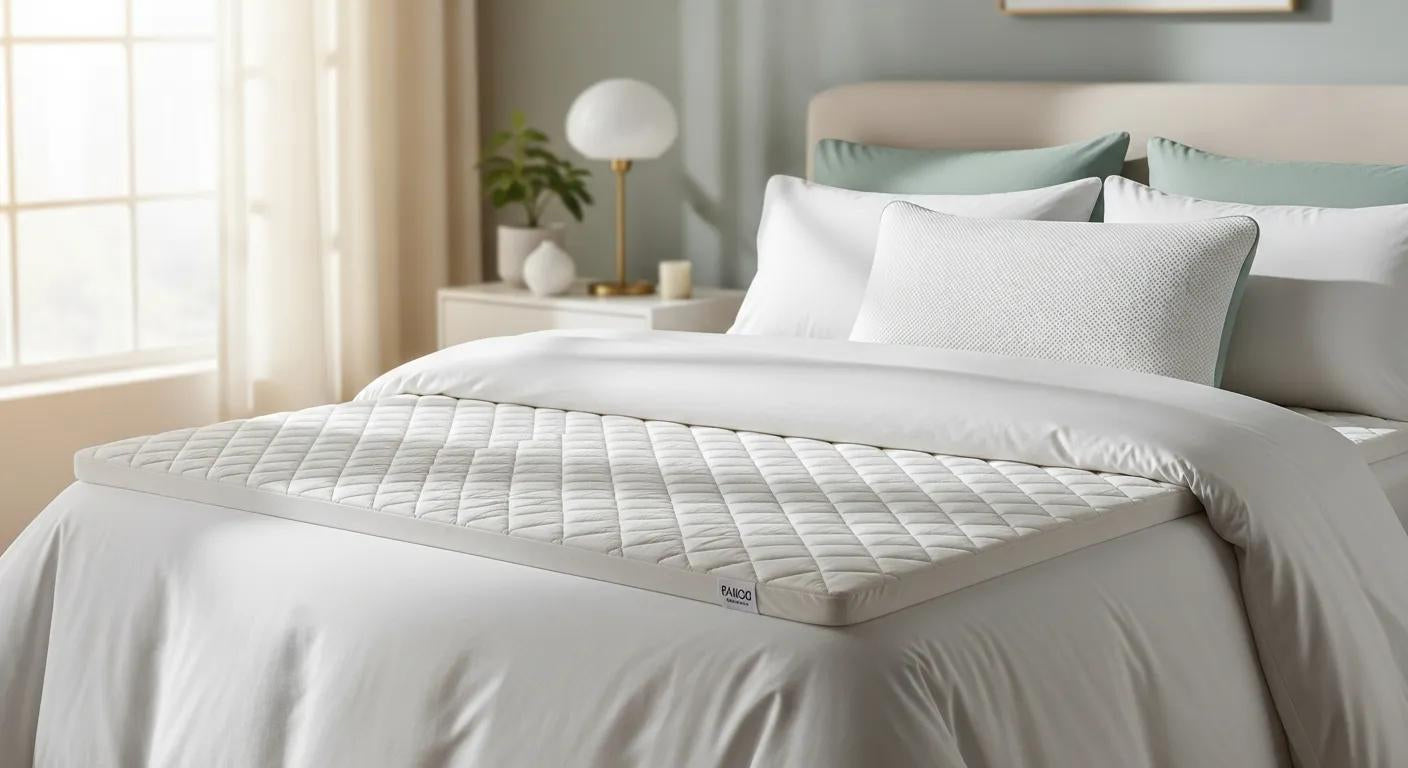
Sleep Better with Luxury Bamboo Mattress Protectors
A mattress that feels too warm, uncomfortable or attracts allergens can undo a good night’s sleep and shorten the life of your bed. The right protector fixes that — simply and effectively. This guide shows how luxury bamboo mattress protectors give you cooling comfort, hypoallergenic defence and water resistance so you wake feeling refreshed and your mattress stays protected. You’ll learn why bamboo works so well for temperature control and allergy resilience, how protectors guard against spills and wear, which eco-friendly options suit sustainable living in Australia, and how to choose the correct size and care for long-lasting performance. If you’re buying for commercial or healthcare settings, EcoToppers supplies responsibly sourced organic bamboo products and can support NDIS invoicing — see the commercial section for details. We use clear comparisons and checklists to help you pick the right cooling bamboo protector for your needs.
Bamboo protectors pair natural fibre performance with technical membranes to create a breathable, soft sleep surface that still blocks liquids and allergens. This article breaks down each benefit into clear, actionable advice, highlights the sustainability credentials to look for, and gives simple maintenance steps to keep comfort and protection working longer. Our lists and comparison tables make decisions straightforward for home users, hospitality managers and healthcare buyers across Australia. Read on to discover how bamboo protectors deliver cooler, cleaner, longer-lasting beds while supporting eco-minded choices.
Why Bamboo Mattress Protectors Improve Sleep Comfort
Bamboo protectors combine a silky bamboo viscose cover with moisture-managing, breathable construction to improve surface feel and sleep temperature. Bamboo viscose fibres move moisture through capillary action and allow better airflow than denser textiles, so the sleep surface feels cooler and drier for many people. The fabric also has a soft, luxurious hand without losing the technical performance needed for protection — an ideal mix for hot sleepers who want a plush top layer. Understanding how these fibres work helps explain why bamboo is such a popular choice for comfort and reliable mattress protection.
Bamboo stands out in three comfort areas: cooling, moisture management and a soft tactile feel — all of which help reduce night-time disturbances and speed temperature recovery after movement. Let's explore how bamboo's unique fibres help keep you cool and why it's a fantastic choice for allergy sufferers by resisting dust mites and bacterial build-up.
How Bamboo Protectors Help Regulate Temperature and Keep You Cooler
Bamboo’s fibre geometry promotes airflow and rapid moisture transport away from the skin, creating a noticeable cooling sensation. Viscose made from bamboo forms long, breathable fibres that wick sweat and spread humidity across the fabric so it evaporates more efficiently than on many synthetic covers. For hot sleepers, this means fewer wake-ups from overheating and better comfort during Australia’s warmer months.
Practical tip: Pair a cooling bamboo protector with lightweight bedding for maximum heat dissipation and easy seasonal adjustment.
These wicking and evaporation processes work alongside mattress construction to reduce heat build-up. Choosing a protector with a breathable waterproof membrane keeps cooling performance while still preventing liquid ingress — an important balance for sleepers who want both breathability and reliable spill protection.
Why Bamboo Protectors Are Hypoallergenic and Good for Allergy Sufferers
Bamboo protectors reduce allergen exposure by blocking dust mites, mould spores and odour-causing bacteria from reaching the mattress core. Bamboo viscose’s moisture-handling properties make the surface less hospitable to microbes and, when combined with a tight weave and antimicrobial finishes, create an environment that limits allergen growth. For people with allergies or asthma, this can lower nightly symptoms and reduce the need to replace mattresses as often. Simple hygiene—regular washing of the protector and keeping the bedroom dry—amplifies these benefits and supports long-term respiratory comfort.
Using a bamboo protector alongside washable bedding, humidity control and regular vacuuming forms a layered approach to better indoor air quality and more restorative sleep.
How Luxury Protectors Shield and Extend Your Mattress’ Life
Luxury protectors extend mattress life by creating a barrier against stains, liquid damage, odour absorption and mechanical wear from friction and soiling. A premium protector combines a soft, hard-wearing outer layer, a breathable waterproof membrane and a secure fitted skirt or elastic to keep it in place. The result is less moisture ingress, fewer surface blemishes and slower fibre breakdown — which delays replacement and helps protect your mattress investment. Knowing which features deliver which benefits helps you choose the right protector for families, pet owners or commercial laundry environments.
Below is a simple map of common features and the practical benefits they provide.
| Feature | Mechanism | Benefit |
|---|---|---|
| Waterproof membrane | Blocks liquid while allowing vapour to pass | Stops stains and mould without holding heat |
| Bamboo viscose cover | Wicks moisture and boosts surface breathability | Keeps the bed cooler and reduces odours |
| Elastic deep-pocket skirt | Holds the protector securely on the mattress | Prevents slipping and increases coverage |
| Antimicrobial finish | Inhibits bacterial and fungal growth | Reduces allergen load and odour risk |
This feature-to-benefit view shows how the right combination of components delivers dependable protection that preserves comfort and reduces replacement frequency. The next sections look closer at waterproofing methods and durability signals to help refine your purchase.
Which Waterproof Features Best Protect Against Spills and Stains?
Waterproof performance depends on the barrier type — film lamination, coated membranes or engineered breathable membranes — each trading off impermeability against airflow. Laminates offer strong liquid resistance but can reduce breathability and feel slightly warmer; advanced breathable membranes block liquids while letting vapour escape, keeping sleep cooler. For families and hospitality where spills are frequent, choose a solution that balances solid liquid protection with maintained airflow. Our recommendation: opt for bedding-specific breathable membranes over basic plastic laminates to keep comfort and safety in balance.
Waterproofing choice should also reflect how you launder the product; breathable membranes generally handle repeated washing well if you follow care instructions, keeping performance longer.
How Durability Affects Mattress Longevity and Comfort
Durability affects both protective lifespan and ongoing comfort by resisting pilling, seam failure and membrane breakdown that would otherwise expose the mattress. Durable protectors feature reinforced stitching, higher cover GSM and quality elastic or corner straps to keep a snug fit after many washes. In commercial or hospitality settings, specify protectors rated for industrial laundering and ask for verified wash-cycle durability to avoid early failure. At home, check the care guidance that matches your expected laundering frequency to get the most from the protector and the mattress beneath.
Choose durability based on use: light domestic use can favour softness and breathability, while commercial environments need tougher construction that tolerates frequent, high-temperature washes.
Which Eco-Friendly Protectors Are Best for Sustainable Sleep in Australia?
Eco-friendly protectors combine responsibly sourced fibres, low-impact manufacturing and credible third-party certifications that back up environmental claims. Bamboo, organic cotton and Tencel are common sustainable cover materials, each with different sustainability strengths and performance. Your choice depends on priorities like cooling, moisture handling and certified supply chains. Sustainability also includes product longevity and end-of-life options — a longer-lasting protector reduces its per-year footprint versus a cheap, short-lived alternative. The table below summarises these materials to help Australian buyers decide.
| Material | Sustainability Attribute | Performance (Cooling / Moisture-wicking) |
|---|---|---|
| Bamboo viscose | Best when sourced from certified organic bamboo | High cooling; excellent moisture-wicking |
| Organic cotton | Lower chemical use in certified cultivation | Moderate cooling; good breathability |
| Tencel (lyocell) | Closed-loop production with solvent recovery | Excellent moisture management; smooth hand-feel |
This comparison shows bamboo and Tencel as strong choices for cooling and moisture control, while organic cotton offers familiar breathability and a natural feel. The following sections explain certifications and material trade-offs to make buying easier.
Which Certifications Show a Bamboo Protector Is Truly Sustainable?
Trusted labels such as OEKO-TEX and GOTS give clear verification of textile safety and organic processing. OEKO-TEX confirms textiles are free from harmful substances, while GOTS covers organic fibre handling and limits on chemical input, as plus social standards during processing. When buying bamboo protectors, look for these certifications on packaging or product pages and, where helpful, verify them with the issuing body. Certified products reduce exposure to harmful residues and add confidence to sustainability and safety claims.
Checking certification helps you spot genuinely sustainable products instead of vague green claims — an important step for health-sensitive households.
How Do Bamboo Protectors Compare with Organic Cotton and Tencel?
Bamboo usually outperforms organic cotton for cooling and moisture-wicking, offering a softer, more luxurious surface suited to warm climates and hot sleepers. Tencel matches bamboo in moisture control and often provides superior wet-strength and dimensional stability, while organic cotton gives a familiar textile feel with good breathability but can be slightly less effective at moving moisture. From a sustainability angle, Tencel’s closed-loop process and certified bamboo production with third-party labels create meaningful differences. Choose bamboo or Tencel for cooling priority; pick organic cotton for a natural feel and budget-conscious sustainability.
Knowing these trade-offs helps you match material to sleeping habits, climate and care expectations for a comfortable, responsible bed.
How to Choose the Right Luxury Mattress Protector for You
Selecting the right luxury mattress protector starts by matching the material, waterproofing level and fit to your mattress and lifestyle. Key criteria include cover material (bamboo viscose for cooling, Tencel for moisture control), waterproof membrane type, pocket depth and compatibility with pillow-top or adjustable mattresses. Also consider laundering needs, product information and any commercial or healthcare requirements such as NDIS invoicing or bulk ordering. The checklist and sizing table below give a clear decision path so the protector you choose delivers the intended comfort and protection.
Use the checklist to rank features that matter most, and consult the sizing table for common Australian bed dimensions and recommended fits.
- Pick material based on how warm you sleep and the surface feel you prefer.
- Confirm the waterproof membrane type to balance breathability and liquid protection.
- Measure mattress depth and choose deep-pocket options if needed.
- Verify certifications and care instructions to ensure long-term performance.
| Size / Fit | Measurement / Compatibility | Recommended Use |
|---|---|---|
| Single / King Single | Standard Australian single dimensions; pockets 20–30 cm | Every day home use |
| Double / Queen | Standard mattress widths: pockets 25–35 cm | Couples seeking cooling protection |
| King / Super King | Wider dimensions; pockets 30–40 cm or custom | Luxury beds and pillow-top mattresses |
| Deep-pocket / Custom | Pocket depth >40 cm or made-to-order | Pillow-tops, mattress toppers and adjustable bases |
Following this sizing guide helps you avoid common fit problems and keeps the protector secure — essential for consistent protection and comfort. The next sections cover sizing options and care tips to maintain performance.
Available Sizes and Fits for Bamboo Mattress Protectors
Bamboo protectors are usually offered in standard Australian sizes — Single, King Single, Double, Queen, King and Super King — with deep-pocket options for thicker mattresses and pillow-tops. Deep-pocket designs use longer elastic skirts or corner straps to fit extra depth and stay put on adjustable bases, so measure your mattress height and favour pocket depth if you have a thicker mattress. For commercial or hospitality purchases, custom sizes and bulk orders are commonly available to match non-standard beds. Allow a 5–8 cm margin beyond mattress depth for a secure fit and long-term stability.
| Size/Fit | Measurement/Compatibility | Recommended Use |
|---|---|---|
| Single | ~92 x 188 cm; pocket 20–30 cm | Single beds and children’s rooms |
| Queen | ~153 x 203 cm; pocket 25–35 cm | Most adult home beds |
| King / Super King | Larger widths; pocket 30–40 cm | Luxury mattresses and couples |
A correct fit maintains protective coverage and keeps comfort and reliability high through many washes and years of use.
Care Tips to Keep Your Bamboo Protector Performing Like New
Proper care preserves cooling, hypoallergenic and waterproof qualities. Machine wash on a gentle cycle with mild detergent; avoid bleach and fabric softeners, which can reduce absorbency and damage antimicrobial finishes. Tumble-dry on low or line-dry to protect fabric and membrane integrity. For spills, blot straight away and launder per care instructions to stop stains from setting; avoid high-heat ironing, which can harm membranes. Regular washing plus periodic checks for seam wear and membrane condition will extend the protector’s useful life and keep the mattress beneath in great shape.
Good care not only prolongs performance but also supports the environmental benefits of choosing a durable, sustainable product.
Commercial and NDIS Bedding Solutions from EcoToppers
EcoToppers supplies commercial and healthcare bedding that focuses on durable, sustainable materials suitable for hospitality, healthcare and bulk procurement, with NDIS invoicing available on request. Our range includes premium bamboo protectors and toppers built from sustainably sourced organic bamboo covers and breathable waterproof membranes, engineered to balance comfort and hygiene in high-turnover settings. For commercial buyers, we offer bulk ordering, custom sizing and products specified to withstand frequent laundering and heavy use, aligning material performance with operational needs. Organisations needing NDIS invoicing can request support as part of procurement discussions to simplify purchases for eligible participants.
Our commercial range blends sustainability and practicality, letting buyers specify protectors that meet hygiene and durability expectations without sacrificing bamboo’s cooling and hypoallergenic benefits.
How EcoToppers Protectors Meet Hospitality and Fit-Out Standards
EcoToppers specify reinforced stitching, durable elastic fittings and membranes chosen for repeated laundering to meet hospitality durability needs while keeping guests comfortable. Commercial products are built with fabric weights and construction details that tolerate frequent wash cycles and industrial laundry processes, reducing premature replacements and lifecycle costs. By combining robustness with bamboo’s cooling properties, these protectors support guest comfort and operational efficiency. For fit-out planners, we can advise on protector specifications that match your laundry protocols and durability requirements.
This approach helps commercial operators protect mattress assets while maintaining a premium guest experience.
Benefits of NDIS-Compatible Bamboo Protectors for Healthcare
NDIS-supported purchasers gain from bamboo protectors that offer comfort, improved hygiene and reduced allergen exposure, with procurement options that include supported invoicing on request. Bamboo surfaces are softer and cooler — helpful for participants with sensory needs — and the waterproof barrier limits exposure to allergens and liquids, important in healthcare and assisted-living settings. EcoToppers’ willingness to accept NDIS invoices on request makes it easier for eligible participants and providers to access sustainable bedding that supports comfort and infection-control practices. Healthcare buyers should discuss specifications with suppliers to ensure the chosen protector fits clinical cleaning procedures and participant needs.
Comfort, sustainability and invoicing support together help healthcare purchasers meet care goals and administrative requirements.
For commercial enquiries, bulk orders, custom sizing, or to request NDIS invoicing, EcoToppers welcomes direct contact through our commercial sales channels. We can provide tailored quotes and product specifications to match hospitality or healthcare needs.
Better sleep, mattress protection and responsible materials can go hand in hand — bamboo protectors deliver cooling comfort, allergen defence and dependable protection while supporting eco-conscious choices. Match material and waterproofing to your sleep priorities, measure your mattress for a secure fit, and follow care instructions to keep performance and longevity. If you need commercial supply or NDIS invoicing, EcoToppers can support bulk and specialist requests.
Frequently Asked Questions
What are the main benefits of a bamboo mattress protector?
Bamboo protectors provide cooling comfort, strong moisture-wicking and hypoallergenic benefits. The natural fibres help regulate temperature — great for hot sleepers — and reduce conditions that encourage mould and dust mites. They also protect your mattress from stains and wear, helping your investment last longer.
How often should I wash my bamboo mattress protector?
We recommend washing your protector every 1–2 months under normal use, or sooner after spills or accidents. Use a gentle machine cycle with mild detergent and avoid bleach and fabric softeners. Follow the manufacturer’s care instructions to keep cooling and waterproof features working over time.
Can I use a bamboo mattress protector on an adjustable bed?
Yes. Choose a protector with a deep-pocket design or secure elasticated corners to ensure it stays in place as the bed moves. Options designed for adjustable bases give the best fit and performance, so you can enjoy bamboo’s benefits without losing bed functionality.
Are bamboo mattress protectors suitable for children?
Absolutely. Bamboo protectors are soft, hypoallergenic and moisture-managing, making them a good choice for children. They help keep the sleeping surface dry and reduce exposure to allergens. Pick a machine-washable option for easy cleaning and maintenance.
What should I consider when buying a bamboo mattress protector?
Check size and fit first, then decide on the level of waterproofing you need. Look for breathable membranes that balance protection and comfort, and for certifications that confirm sustainability or safety. Finally, review care instructions and product details to match your intended use.
How do bamboo protectors compare to cotton protectors?
Bamboo generally offers better cooling and moisture-wicking than cotton, with a softer, more luxurious feel that suits warm sleepers. Cotton is comfortable and breathable, but may not move moisture as effectively. Choose based on whether temperature regulation or a traditional cotton feel is more important to you.
Can I use a bamboo protector with a memory foam mattress?
Yes — bamboo protectors work well with memory foam. They add a protective layer and help with cooling, but make sure the protector is breathable to avoid trapping heat. A well-fitted bamboo protector will protect your mattress and improve sleeping comfort.