





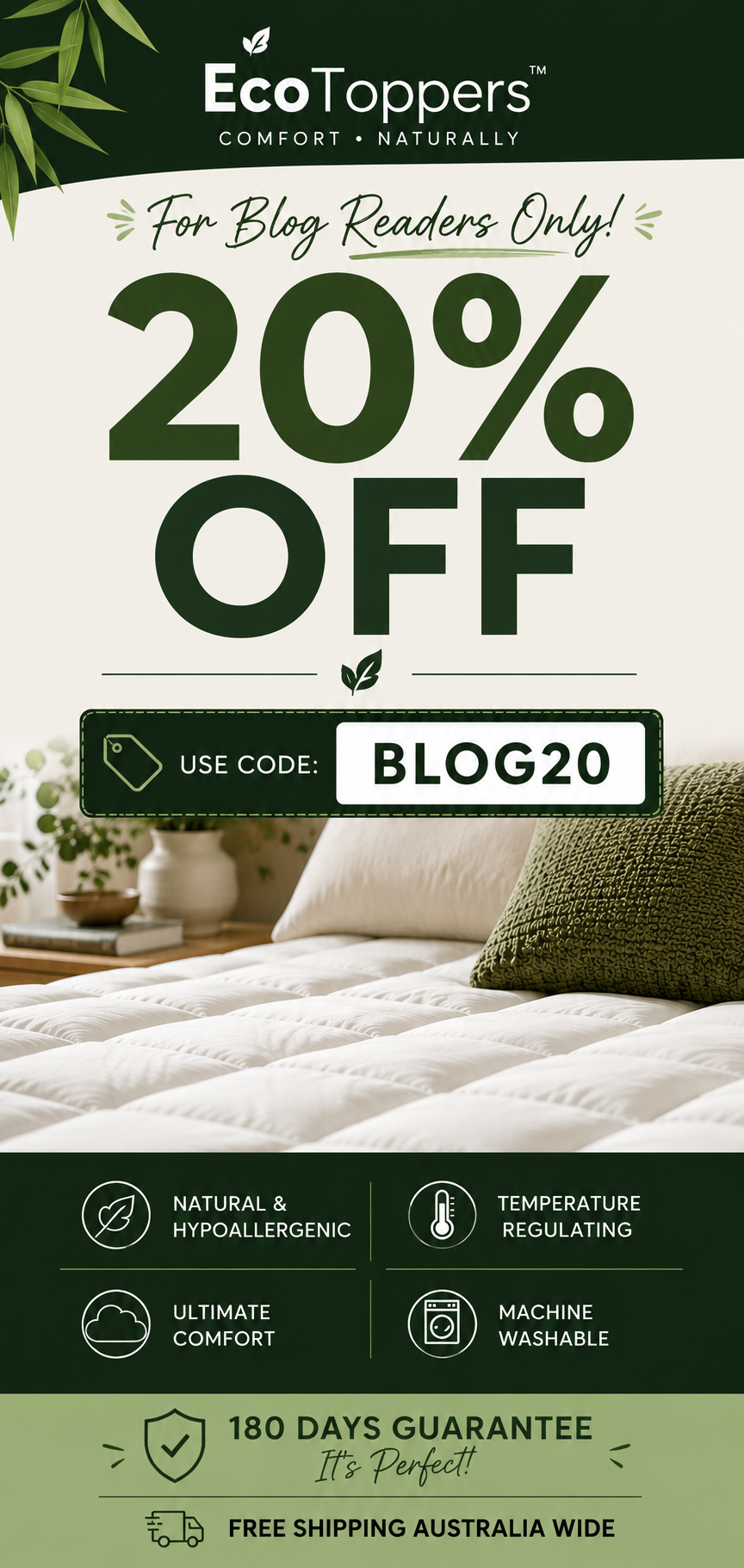
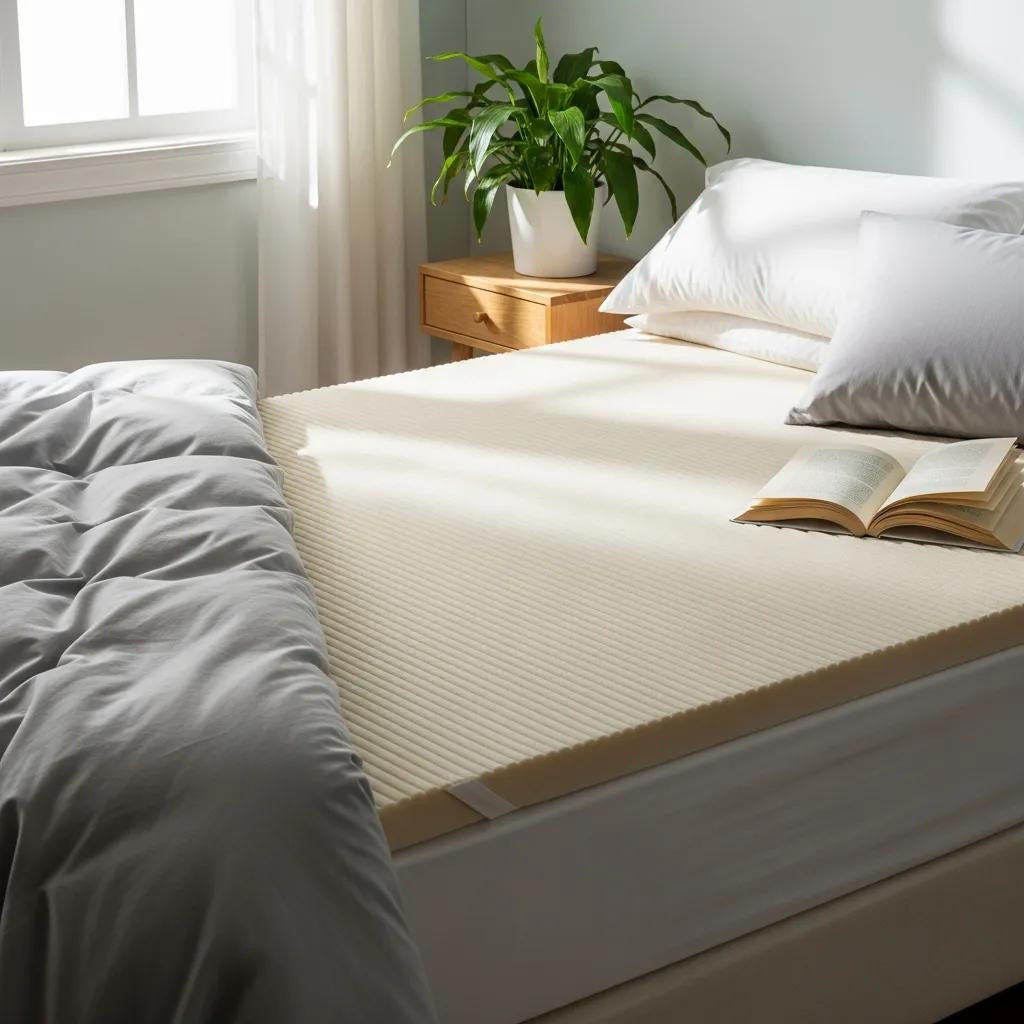
Try Eco-Friendly Sleep: Bamboo Mattress Topper with a 90‑Night Risk‑Free Trial.
Our bamboo mattress toppers pair breathable, plant-based covers with supportive fill to add cooling, reduce allergens and relieve pressure on your current mattress. The EcoToppers 90‑night trial lets you try one at home with no risk — sleep on it, test comfort and cooling, then return it for a refund if it’s not right. This guide walks you through how the trial works, why bamboo is a smart choice for hot sleepers and allergy sufferers, how it compares to memory foam, latex and wool, and simple orthopaedic and care tips so your topper lasts. We also cover practical buying details you’ll want to know — our satisfaction promise and NDIS invoice availability — so you can make an informed choice and try sustainable comfort with confidence.
What is the EcoToppers 90-Night Risk-Free Trial and How Does It Work?
The 90‑night risk‑free trial gives you ninety nights at home to test an EcoToppers bamboo mattress topper. Use it as you normally would, watch how it affects your sleep temperature, pressure relief and allergies, then decide. If it doesn’t meet your needs, contact us before the trial ends to arrange a return and a refund under our satisfaction promise. The trial moves the decision from a quick store test to real nights in your own bed, and we make returns straightforward, so returns and refunds are clear and predictable.
Understanding the 90-Night Satisfaction Promise for Bamboo Mattress Toppers
Our satisfaction promise means eligible bamboo toppers can be returned for a refund within ninety nights if they don’t deliver the comfort or cooling you expected, provided return steps and care guidelines are followed. The promise covers our standard sizes and both thicknesses — the 5 cm standard and the 10 cm plush — and excludes damage from misuse or ignoring care instructions. Typical steps are: order, receive your topper promptly, sleep on it during the trial, and contact customer support before the trial ends to arrange a return if needed. Refunds are processed once the returned item is received and inspected, so follow the packaging instructions to keep hygiene and condition intact.
Extended sleep trials, like 90 nights, are an established practice in the bedding industry.
Step-by-Step Guide to Participating in the Risk-Free Trial
Start by choosing the right size and thickness for your mattress and sleeping style, then place your order and note the delivery window so you can begin the 90‑night evaluation. During the trial, track a few simple measures each week: nightly temperature comfort, pressure point relief, and any change in allergy symptoms. Keeping a short log helps compare first impressions with how the topper performs after a few weeks. If you decide it’s not for you, contact customer support within the trial period to start a return, follow our packing instructions and await confirmation of your refund once we receive and inspect the item. This lets you use the full trial to make a clear, informed decision about keeping a sustainable topper.
Why Choose a Sustainable Bamboo Mattress Topper for Eco-Friendly Sleep?

A sustainable bamboo topper combines breathable plant fibres, moisture‑wicking covers and responsive fills to give cooler, cleaner sleep and a smaller environmental footprint than some conventional options. That makes bamboo a good pick if you want comfort and greener materials in one upgrade.
Bamboo’s breathability and moisture control help lower trapped heat and reduce night sweats, so many sleepers notice steadier overnight temperatures. Bamboo fabrics are also commonly described as hypoallergenic and naturally resistant to some microbes, which can help allergy‑prone sleepers keep their bed fresher.
Claims about organic bamboo often point to fast regrowth and lower chemical use. We recommend checking supplier transparency on origin and processing to confirm those sustainability claims before you buy.
- Primary material benefits include breathability, moisture‑wicking and rapid renewability — all of which improve cooling and can reduce energy needs for temperature control.
- If you value both comfort and environmental impact, bamboo toppers strike a useful balance between cooling performance and plant‑based materials.
- Practical tips: match thickness to your body and sleep position, and look for a removable cover to make maintenance easier.
These reasons explain why many people choose bamboo when they want a greener, effective mattress upgrade. Below, we look closely at the health and environmental mechanics behind those benefits.
Health Benefits: Hypoallergenic and Temperature-Regulating Properties
Bamboo fibres are naturally breathable and wick moisture away from the skin, which cuts surface humidity and makes the surface less inviting to dust mites. That combination can reduce night sweats and lower allergy irritation for some users. The open fibre structure, coupled with a breathable cover and fill, helps carry heat and moisture away from the body and supports evaporative cooling. In practical terms, that can mean fewer wake‑ups from overheating and a fresher sleep surface — results you can test during the 90‑night trial with realistic expectations.
Environmental Impact: Organic Bamboo and Ethical Sourcing
Bamboo’s fast growth and lower input needs can reduce pressure on land and chemicals when it’s managed responsibly. Ethical sourcing focuses on transparent farming and processing, and sustainable packaging and manufacturing help lower total impact. When assessing a topper, consider the whole lifecycle — from raw material and energy use in production to packaging and end‑of‑life options — because true sustainability balances many factors, not just a single label.
How Does the EcoToppers Bamboo Mattress Topper Compare to Other Mattress Materials?
Bamboo toppers focus on airflow and moisture management, so they tend to feel cooler than traditional memory foam while still offering solid pressure relief. Natural latex and wool bring different benefits — latex is often firmer and long‑lasting if sustainably sourced, while wool offers natural moisture control but needs specific care. Comparing these materials by cooling, hypoallergenic properties, sustainability and support helps you pick the right option for your priorities.
| Material | Cooling | Hypoallergenic | Sustainability | Pressure Relief |
|---|---|---|---|---|
| Bamboo topper | High | High | Generally favourable (rapidly renewable) | Moderate to good |
| Memory foam | Low to moderate | Variable (some formulations trap allergens) | Lower (synthetic origin) | High (contouring) |
| Natural latex | Moderate | Moderate to high | Good if sustainably sourced | Good to high |
| Wool topper | Moderate | High (natural fibres) | Moderate to good | Moderate |
Bamboo vs Memory Foam: Comfort and Cooling Performance
Bamboo toppers use breathable covers and airy fill to encourage airflow and move moisture away from the body, which usually makes them cooler than dense memory foam. Memory foam excels at contouring and pressure redistribution, but can retain heat unless it has gel or open‑cell designs. If you overheat, a bamboo topper often reduces night sweats and the need for extra cooling; if you want deep body‑hugging support, memory foam might be a better match. Knowing which trade‑offs matter most to you helps match product choice to your sleep priorities.
Bamboo vs Latex and Wool: Sustainability and Support Differences
Latex and wool bring different strengths. Responsibly sourced latex can be durable and supportive, while wool naturally buffers moisture and is flame‑resistant, but often needs careful cleaning. Bamboo gives breathable comfort and straightforward care with a moderate pressure relief profile. Your choice should reflect preferred support level, maintenance needs and which sustainability features you value most, such as biodegradability or certified farming practices.
What Are the Orthopaedic and Comfort Advantages of Bamboo Mattress Toppers?
A bamboo topper can improve orthopaedic comfort by adding a pressure‑relieving layer that encourages better spinal alignment when you pick the right thickness for your weight and sleep position. Construction elements — cover, fill, quilting and thickness — determine how much surface conformity you get, and that in turn affects pressure across shoulders, hips and knees. The right topper reduces peak pressure while supporting a neutral spine, and choosing the correct thickness is key. Use the 90‑night trial to judge how well a topper reduces discomfort over several weeks rather than a few nights.
| Thickness Option | Pressure Relief | Joint Support | Recommended Sleepers |
|---|---|---|---|
| 5 cm | Moderate | Adequate for lighter sleepers | Back sleepers, lightweight side sleepers |
| 10 cm plush | Higher | Better for heavier sleepers or those needing more contouring | Side sleepers, people with shoulder/hip pressure concerns |
Pressure Relief and Joint Support Features
Pressure relief comes from compliant fills and targeted quilting that spreads load over a wider area, reducing concentrated pressure on joints. A thicker or plusher topper increases contact area and softens peak pressure at hips and shoulders, while still supporting the lumbar region. For people with joint pain, the 10 cm plush option usually offers better cushioning; the 5 cm option gives modest relief without drastically changing mattress firmness. During your 90‑night trial, track morning soreness and pressure‑point tenderness to see if the topper meets your orthopaedic needs.
Temperature Regulation for Hot Sleepers in Australia
Temperature control relies on breathable covers, moisture‑moving fibres and channels that carry heat away from the body. Bamboo covers are chosen for those exact properties. In warmer Australian climates, layer a bamboo topper over a well‑ventilated mattress and pair it with breathable sheets to maximise evaporative cooling. Avoid heavy protectors that trap heat, and assess sleep temperature over several nights — that’s what the 90‑night trial is for.
By tracking nightly comfort and adjusting layers, hot sleepers can fairly judge cooling effectiveness across the trial period.
How Can You Care for Your Sustainable Bamboo Mattress Topper to Ensure Longevity?

Simple care keeps your bamboo topper performing longer and reduces waste. Airing, rotating and using a breathable protector preserves loft and evens wear. Follow the manufacturer's cleaning instructions to avoid fibre damage and keep moisture‑wicking properties intact. Choose eco‑friendly cleaning options — mild plant‑based detergents, spot treatment and air drying — to limit energy and chemical use compared with frequent machine washes. These small routines protect comfort and align with sustainable stewardship.
- A simple maintenance calendar helps preserve performance and cut fabric stress:Rotate: Turn the topper head‑to‑foot every 4–6 weeks to even wear. Air: Air the topper for a few hours each month in a shaded, ventilated spot to reduce moisture and odour. Protect: Use a breathable mattress protector to prevent stains and reduce the need for washing.
Following these steps keeps the topper comfortable longer and supports eco‑friendly care that uses less water and energy.
Eco-Conscious Maintenance Tips for Bamboo Bedding
Rotate and air your topper regularly rather than washing it often — heat and agitation can break down fibres and shorten lifespan. Periodic airing helps prevent moisture build‑up and refreshes the cover.
Using a lightweight, breathable protector reduces direct soiling and means fewer deep cleans, which saves water and detergent; pick protectors designed for airflow.
For storage, roll the topper in breathable material rather than sealing it in plastic to avoid trapped humidity and mildew. Choose low‑impact cleaners and cool drying to keep your eco footprint small.
These habits help maintain the hypoallergenic and cooling benefits of bamboo bedding over time.
Cleaning Guidelines to Preserve Hypoallergenic Qualities
Spot clean stains with a mild, eco‑friendly detergent and cool water to avoid subjecting the whole topper to washing. Launder removable covers according to the label to protect fibres and any antimicrobial finish.
Avoid bleach, harsh solvents and high‑heat tumble drying, which can damage bamboo fibres and reduce moisture‑wicking. Air‑dry covers out of direct sunlight to prevent material breakdown.
For routine hygiene, vacuum the topper surface and air it in a shaded, ventilated space to control dust and allergens without heavy chemicals.
Low‑impact, consistent cleaning preserves hypoallergenic qualities and supports long‑term comfort.
| Maintenance Action | Eco-Impact Note | Frequency |
|---|---|---|
| Rotate head-to-foot | Reduces uneven wear, extends life | Every 4–6 weeks |
| Air in shade | Low energy, reduces moisture | Monthly |
| Spot clean the cover | Minimises water and detergent use | As needed |
| Use a breathable protector | Prevents frequent washing | Continuous |
Who Can Benefit from the EcoToppers 90-Night Trial and What Are the NDIS Support Options?
The 90‑night trial suits many people: hot sleepers who want better cooling, allergy sufferers seeking hypoallergenic surfaces, anyone needing extra orthopaedic pressure relief and eco‑minded buyers who prefer renewable materials. If you need support through government or insurance programs, we provide NDIS invoices on request to help with funding or claims. That makes it easier for plan‑managed or self‑managed buyers to document purchases while using the trial to confirm the topper meets functional needs before committing.
NDIS Eligibility and Application Process for Eco-Friendly Bedding
We can supply an NDIS invoice on request to help you include a topper in plan budgets where bedding is an approved support. To get an invoice, ask us when you purchase and keep the document for submission to a plan manager or the NDIS portal. Whether a topper is funded depends on your individual plan and assessments, so it’s helpful to discuss functional benefits — like pressure relief or better sleep — with a clinician or support coordinator when seeking approval.
Providing clear documentation of how the topper improves comfort during your trial can streamline funding conversations and justify the purchase where required.
Customer Stories: Real Experiences with the 90-Night Trial
Customers often use the 90‑night trial to compare first impressions with how the topper performs after weeks of regular use. Typical results include hot sleepers reporting cooler nights, allergy‑prone users noticing less irritation, and people with joint pain finding improved pressure distribution with a thicker option. To evaluate your own outcome, keep a short log of sleep temperature, nightly awakenings and morning comfort so you can compare baseline sleep with trial results. If you’re using NDIS invoicing, keeping documented notes of functional improvement can support funding discussions.
If you’re ready to try one, EcoToppers offers signature bamboo toppers in standard mattress sizes and two thicknesses (5 cm and 10 cm plush). You can request an NDIS invoice at purchase. These terms let you test cooling, hypoallergenic performance and orthopaedic benefits at home with a simple returns process under our satisfaction promise.
Frequently Asked Questions
What are the key differences between bamboo mattress toppers and traditional memory foam?
Bamboo toppers are generally more breathable and better at wicking moisture than traditional memory foam. Memory foam offers strong contouring and pressure relief, but can retain heat unless it’s specifically ventilated. Bamboo tends to feel lighter and cooler, making it a good choice for hot sleepers and those after hypoallergenic properties. Memory foam remains a solid option for people who want maximum body‑hugging support.
How do I know which thickness of bamboo mattress topper is right for me?
Thickness affects how much cushioning and support you’ll feel. A 5 cm topper suits lighter sleepers and many back sleepers, offering moderate pressure relief. A 10 cm plush topper provides deeper cushioning and is better for heavier sleepers and side sleepers who need more contouring around shoulders and hips. Think about your weight, sleep position and how soft or supportive you want the surface to feel when choosing.
Can I use a bamboo mattress topper on any type of mattress?
Yes — bamboo toppers work on innerspring, foam and hybrid mattresses. Make sure your existing mattress still gives adequate base support. A topper adds a layer of pressure relief and cooling, but won’t fix a deeply sagging mattress. Always check dimensions to ensure a proper fit.
What maintenance is required to keep my bamboo mattress topper in good condition?
Rotate the topper head‑to‑foot every 4–6 weeks, air it monthly in a shaded, ventilated spot, and spot clean stains with a mild, eco‑friendly detergent. Use a breathable mattress protector to limit soiling. These simple practices preserve hypoallergenic properties and extend the topper’s life.
Are there any specific cleaning products I should avoid for my bamboo mattress topper?
Avoid harsh chemicals, bleach and high‑heat drying; these can damage bamboo fibres and reduce moisture‑wicking. Use mild, plant‑based detergents and air‑dry covers away from direct sunlight. Spot clean when possible and follow the manufacturer’s care instructions for removable covers.
How does the EcoToppers 90-night trial benefit different types of sleepers?
The 90‑night trial helps hot sleepers, allergy sufferers and those needing orthopaedic support test whether a topper actually improves their sleep at home. It gives you time to adapt and to measure cooling, hypoallergenic benefits and pressure relief in everyday conditions, so you can keep the topper or return it for a refund if it doesn’t meet your needs.