



Upgrade Your Bedding with Eco-Friendly Bamboo Sheets
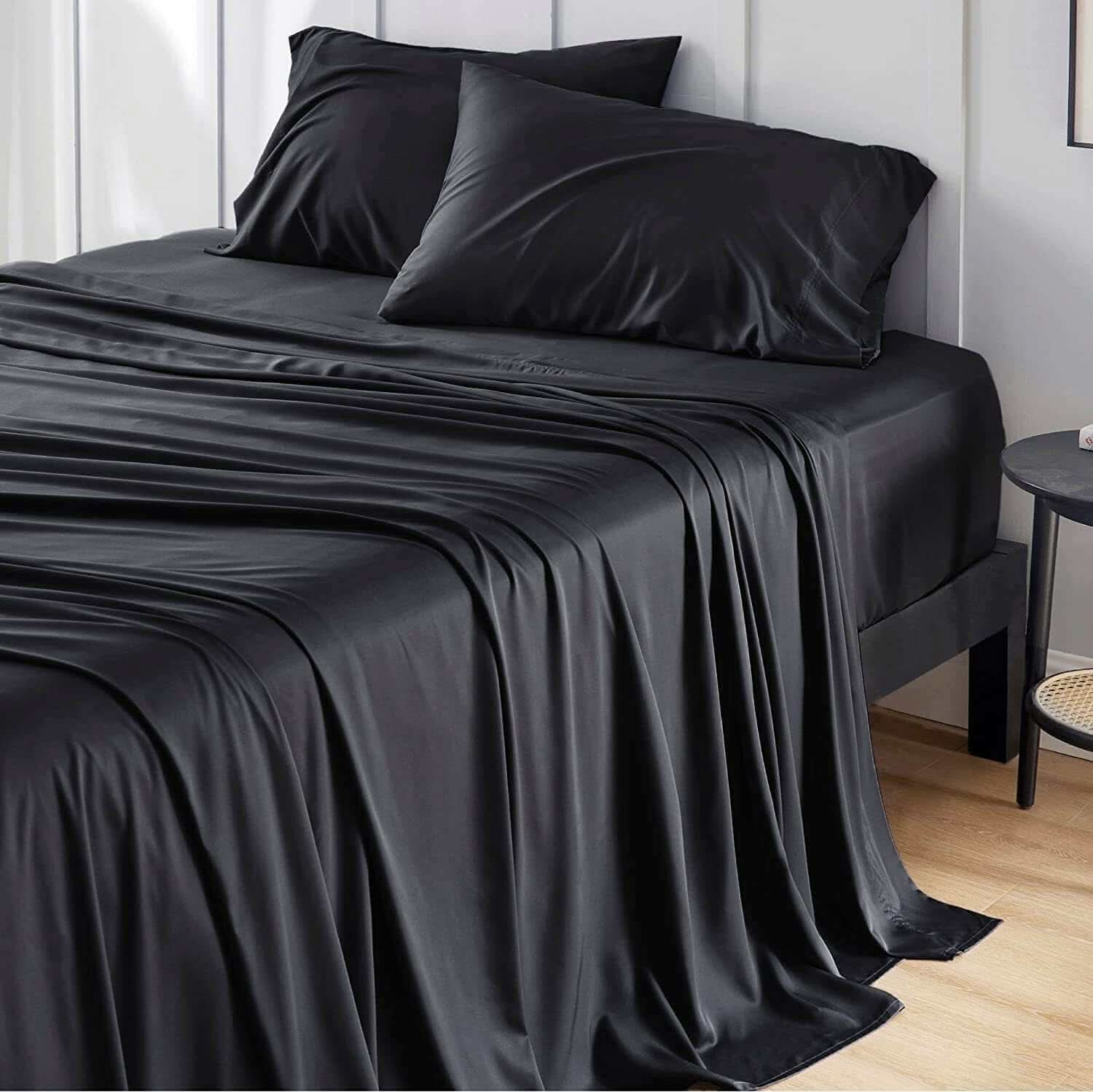
Bamboo sheets are becoming a popular choice for those who want sustainable, comfortable bedding. This article highlights the main benefits of bamboo bedding — comfort, health advantages and eco credentials. If you’re looking to upgrade your sleep, bamboo sheets stand out for their natural qualities. We cover breathability and temperature regulation, hypoallergenic features and the sustainability of bamboo fabric. We also explain how Eco Toppers' bamboo sheets combine comfort with environmental responsibility.
What Are the Key Benefits of Bamboo Bedding for Your Comfort and Health?
Bamboo bedding enhances both comfort and health. Bamboo sheets are naturally hypoallergenic, making them suitable for people with allergies or sensitive skin. The fibres resist dust mites and common allergens, helping to create a healthier sleep environment. They also wick moisture away, keeping you dry and comfortable through the night. This moisture control supports better temperature regulation, especially if you tend to sweat while sleeping.
Knowing how common dust mites are makes hypoallergenic bedding even more important.
In addition, bamboo bedding feels very soft and luxurious — often compared to high-thread-count cotton. That softness helps you sleep more restfully, so you wake up feeling refreshed. Together, these qualities make bamboo sheets an appealing option for improving sleep quality.
Eco Toppers offers a range of premium bamboo sheets designed to deliver those comfort and health benefits while supporting more sustainable living.
How Do Bamboo Sheets Provide Breathability and Temperature Regulation?
Bamboo sheets breathe well because of their porous structure. Bamboo fibres are naturally hollow, which increases airflow and helps absorb moisture. This lets the sheets keep you cool in warm weather and retain some warmth in cooler conditions, making them suitable for year-round use.
The moisture-wicking action of bamboo also helps regulate temperature. By drawing moisture away from your skin, bamboo sheets maintain a drier, more comfortable sleep surface and reduce the chance of overheating. That adaptability is one reason many people prefer bamboo bedding.
Research continues to explore how bamboo fibres can be enhanced for even better thermal and moisture management.
Why Are Hypoallergenic Bamboo Sheets Ideal for Sensitive Skin?
Hypoallergenic bamboo sheets are great for sensitive skin and allergy sufferers. Bamboo's natural fibres are less likely to irritate than many synthetic fabrics. Its resistance to dust mites and other allergens makes it a safer choice for those prone to reactions.
The soft texture of bamboo sheets reduces friction on the skin, lowering the risk of irritation. This combination of hypoallergenic performance and gentle feel creates a soothing sleep surface.
How Does Organic Bamboo Fibre Contribute to Sustainable Bedding Options?
Organic bamboo fibre is key to sustainable bedding. Bamboo is a fast-growing, renewable resource that can be grown without pesticides or fertilisers. This reduces the chemical inputs and water use often associated with conventional cotton.
Bamboo typically has a lower environmental impact because it can thrive in a range of climates and soil types. Bamboo fabric is biodegradable and breaks down naturally, so choosing organic bamboo bedding supports more sustainable practices while delivering a luxurious sleep experience.
What Makes Bamboo Fabric Environmentally Responsible and Renewable?
Bamboo fabric is considered environmentally responsible because bamboo grows very quickly and needs few resources. Unlike many crops, bamboo can grow up to three feet in a single day, making it one of the fastest-growing plants. This rapid growth allows for sustainable harvesting without depleting resources.
Classifying bamboo as a rapidly renewable material highlights its clear environmental advantages.
In addition, bamboo generally needs far less water than cotton, making it a more sustainable choice where water is scarce. The typical absence of harmful chemicals in bamboo cultivation further supports healthier ecosystems. By choosing bamboo fabric, you can enjoy comfort while helping to reduce environmental impact.
Which Sustainability Certifications Validate Eco-Friendly Bamboo Bedding?
Several recognised certifications confirm the eco-friendliness of bamboo bedding. These labels ensure products meet defined environmental and social standards. Some of the most recognised certifications include:
- OEKO-TEX Standard 100: This certification guarantees that the fabric is free from harmful substances and safe for human use.
- Global Organic Textile Standard (GOTS): GOTS certification ensures that the bamboo is sourced from organic farming practices and that the entire production process adheres to strict environmental and social criteria.
- Forest Stewardship Council (FSC): The FSC certification indicates that the bamboo is sourced from responsibly managed forests, promoting sustainable forestry practices.
These certifications give you confidence that your purchase supports verified eco-friendly practices.
How Do Eco Toppers’ Bamboo Sheets Compare with Other Bedding Materials?
Compared with cotton and linen, Eco Toppers' bamboo sheets stand out in several ways. Bamboo is widely praised for its exceptional softness and comfort, often feeling softer than traditional cotton. That plush texture enhances overall sleep comfort.
On breathability, bamboo performs very well thanks to its moisture-wicking properties, which help regulate temperature and keep you dry. Cotton is breathable but may not manage moisture as effectively. Bamboo's hypoallergenic nature also makes it a better option for people with allergies or sensitive skin.
Sustainability is another area where bamboo excels. It typically requires fewer resources to grow and is more environmentally friendly than conventional cotton, which often needs pesticides and heavy water use. That makes Eco Toppers' bamboo sheets a responsible pick for eco-minded shoppers.
What Are the Differences Between Bamboo, Cotton, and Linen Bedding?
Bamboo, cotton and linen each have distinct strengths. Below are the main differences to consider:
- Softness: Bamboo sheets are exceptionally soft, often compared to high-thread-count cotton. Linen, while durable, has a coarser texture that may not suit everyone.
- Breathability: Bamboo excels in moisture-wicking and temperature regulation, making it ideal for hot sleepers. Cotton is breathable but may not manage moisture as effectively as bamboo. Linen is breathable but can feel heavier.
- Sustainability: Bamboo is a highly renewable resource that requires less water and no pesticides. Cotton, especially conventional varieties, often has a significant environmental impact due to chemical use and water consumption. Linen, made from flax, is also sustainable but may require more resources than bamboo.
These comparisons show the unique advantages of bamboo bedding for those seeking both comfort and sustainability.
Why Choose Bamboo Bedding for Long-Term Comfort and Eco Benefits?
Bamboo bedding delivers long-term comfort and clear eco benefits. Bamboo fibres are durable, so sheets tend to keep their softness and structure over time. They handle regular washing and use without losing that luxurious feel.
The hypoallergenic nature of bamboo also supports a healthier sleep environment, reducing the risk of allergies and skin irritation. These lasting comfort benefits sit alongside the environmental advantages of bamboo cultivation, helping to lower the ecological footprint of your bedding.
Investing in bamboo bedding lets you enjoy better sleep while making a more sustainable choice.
What Are the Best Practices for Caring for Your Bamboo Bedding?
Proper care keeps bamboo bedding soft and long-lasting. Follow these best practices to protect your sheets:
- Washing: Use a gentle cycle with cold water to avoid stressing the fibres. Avoid bleach or harsh detergents, as they can damage the fabric.
- Drying: Air drying is best to preserve softness and fibre integrity. If you use a dryer, choose a low heat setting to prevent shrinkage.
- Storage: Store sheets in a cool, dry place to avoid moisture and mildew. Keep them out of direct sunlight to prevent fading.
Following these care steps helps your bamboo bedding stay soft and comfortable for years.
How Should You Wash and Maintain Breathable Bamboo Sheets?
To care for breathable bamboo sheets, follow these practical guidelines:
- Washing Temperature: Wash in cold water to prevent shrinkage and protect the fibres.
- Cycle Settings: Use a gentle cycle to reduce agitation and wear on the fabric.
- Drying Methods: Air drying is ideal; if you use a dryer, select a low heat setting to preserve softness.
These simple washing and maintenance steps will help extend the life of your bamboo sheets and keep them comfortable and breathable.
What tips ensure the longevity and Softness of Bamboo Bedding?
Use these tips to keep your bamboo bedding soft and long-lasting:
- Avoid Harsh Chemicals: Skip bleach and fabric softeners; they break down fibres and reduce softness.
- Regular Washing: Wash sheets every 1–2 weeks to keep them fresh and limit allergens.
- Proper Storage: Store sheets in a breathable cotton bag or container to prevent moisture buildup and protect quality.
Applying these simple habits helps you enjoy the luxurious feel of bamboo bedding for longer.
What Do Customers Say About Their Experience with Eco-Friendly Bamboo Sheets?
Customers often praise the comfort and breathability of eco-friendly bamboo sheets. Many report improved sleep quality thanks to the moisture-wicking properties and the soft feel of the fabric. Users also note fewer skin irritations and allergy symptoms thanks to the hypoallergenic traits.
Durability is another common point in reviews. Many customers say their bamboo sheets keep their softness and shape after multiple washes, making them a worthwhile investment.
Overall, customer feedback reflects strong satisfaction with bamboo bedding and reinforces its position as a premium bedding option.
How Do User Testimonials Reflect Comfort and Satisfaction?
Testimonials often highlight comfort and satisfaction with bamboo bedding. Many people describe the sheets as "incredibly soft" and "luxurious," noting the immediate improvement after switching from cotton or synthetics.
Reviews also frequently mention the cooling effect of bamboo sheets, which helps regulate temperature and improve sleep quality. Customers appreciate waking up feeling refreshed rather than overheated.
These positive accounts underline the practical value of bamboo bedding for a comfortable, satisfying night's sleep.
What Are Common Customer Questions About Bamboo Bedding?
Customers commonly ask practical questions about bamboo bedding, such as benefits, quality assurance and product range. Below are the typical queries and clear answers.
- What are the benefits of bamboo bedding? Bamboo bedding offers hypoallergenic properties, moisture-wicking capabilities, and exceptional softness, making it ideal for a comfortable sleep experience.
- How does Eco Toppers ensure the quality of their bamboo sheets? Eco Toppers sources organic bamboo and follows sustainable practices, ensuring high-quality and eco-friendly products.
- What types of bamboo bedding does Eco Toppers offer? Eco Toppers provides a range of bamboo bedding options, including sheets, pillowcases, and mattress toppers, all designed for comfort and sustainability.
Frequently Asked Questions
Are bamboo sheets suitable for all seasons?
Yes. Bamboo sheets work well year-round because they breathe and wick moisture. Their fibre structure increases airflow, helping to keep you cool in summer and warm in winter. That adaptability makes bamboo bedding a versatile choice for any season.
How do bamboo sheets compare in durability to cotton and linen?
Bamboo sheets are known for good durability and often outlast conventional cotton and linen. Bamboo fibres are strong and resilient, so sheets tend to keep their softness and shape after many washes. While cotton can wear and linen may become coarser, bamboo usually remains comfortable for longer.
Can bamboo sheets help with night sweats?
Yes. Bamboo sheets are effective for people who experience night sweats. Their moisture-wicking ability pulls sweat away from the skin, leaving you drier and more comfortable. Combined with good breathability, bamboo helps regulate body temperature and reduces overnight overheating.
What is the environmental impact of bamboo cultivation?
Bamboo cultivation generally has a lower environmental impact than many traditional crops, like cotton. Bamboo grows fast, needs less water and typically doesn’t require pesticides or fertilisers. It can also absorb substantial CO₂ and release oxygen, which adds to its environmental benefits.
How can I verify the sustainability of bamboo bedding products?
Check for recognised certifications such as OEKO-TEX Standard 100, Global Organic Textile Standard (GOTS) and Forest Stewardship Council (FSC). These labels confirm responsible sourcing and production practices and offer assurance about the product's environmental and social standards.
What are the best ways to store bamboo sheets?
Store bamboo sheets in a cool, dry place to prevent moisture and mildew. Use breathable cotton bags or containers rather than plastic, which can trap humidity. Make sure sheets are clean and fully dry before storing to avoid odours or damage.
Do bamboo sheets require special washing instructions?
Bamboo sheets don’t need complicated care, but follow best practices: wash in cold water on a gentle cycle, avoid bleach and harsh detergents, and air dry where possible. If you use a dryer, choose a low heat setting to keep the fabric soft and prevent shrinkage.