





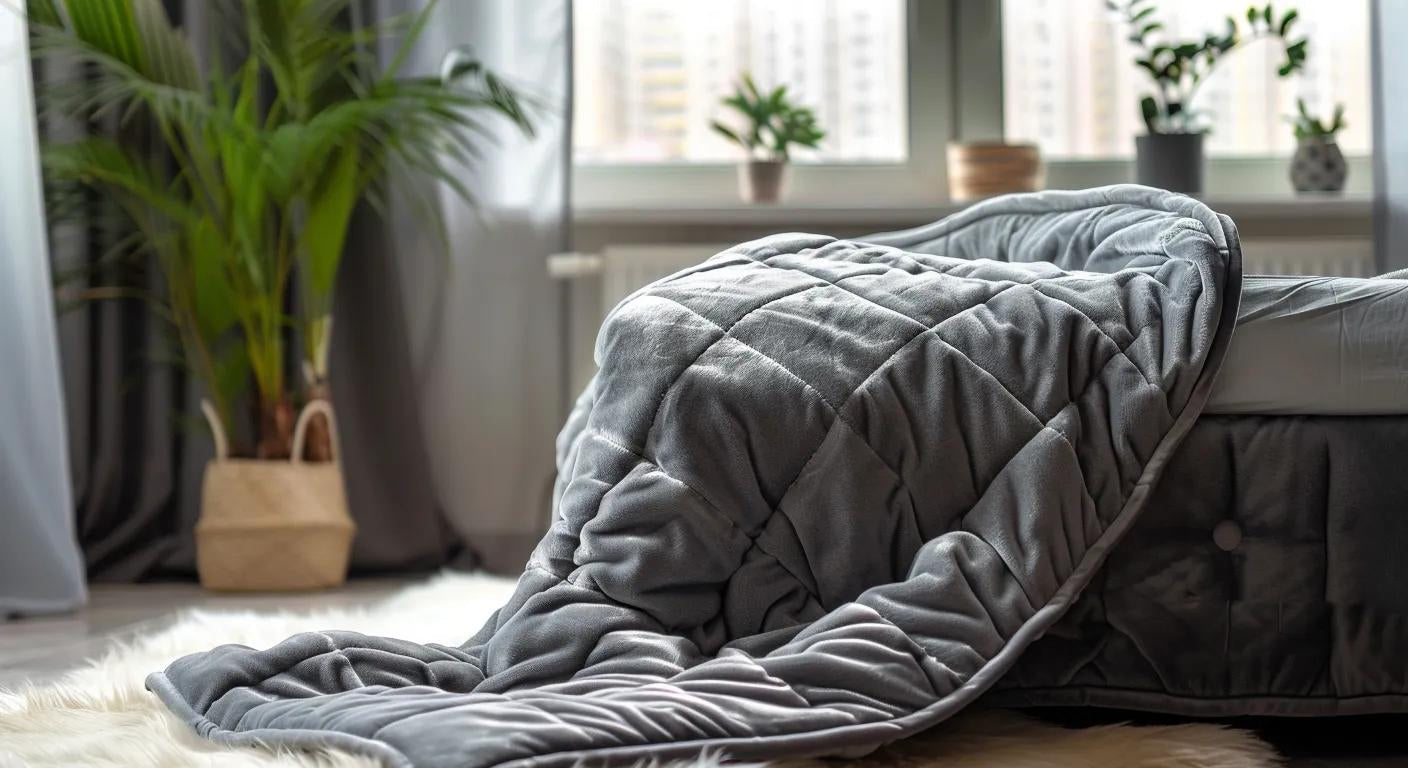
Discover the benefits of a weighted blanket.
Weighted blankets are thoughtfully designed bedding that applies gentle, even pressure across the body. That pressure—often called deep pressure stimulation—can help people feel calmer and more grounded. This guide walks you through how weighted blankets work, the body changes they encourage, and the practical benefits for worry, sleep and sensory differences. If you’re looking for low-risk, non-medical ways to manage bedtime anxiety, sensory overload or restless nights, weighted blankets are a useful option to consider. Below, we explain how they work, identify who tends to benefit most, and offer clear buying tips with eco-friendly material advice. We’ll also explain what to expect from an Australian retailer offering customer-friendly policies. Read on for practical guidance to help you decide if a weighted blanket is right for you.
How do weighted blankets give sensory comfort through deep pressure stimulation?
Deep pressure stimulation (DPS) is a steady, distributed pressure that signals the nervous system to relax. In weighted blankets, evenly spaced filling creates that predictable pressure—similar to the DPS techniques used by therapists—which can trigger the body’s calm response. Many people describe the feeling as grounding or reassuring: less overwhelm and a greater sense of safety. This gentle pressure from textiles can support broader sensory strategies, so knowing how DPS works helps you use a blanket in the right situations—whether that’s during bedtime or a short break from sensory overload.
What is deep pressure stimulation, and how does it work?
Deep pressure stimulation is a physical input where steady pressure activates receptors in the skin, muscles and joints. Those receptors send calming messages to the brain through somatosensory pathways and can boost proprioceptive feedback and vagal tone. The result is lower arousal and reduced muscle tension. Occupational therapists use DPS as part of sensory-integration work; weighted blankets are an accessible, consumer-friendly way to get similar pressure without specialist equipment. The main difference from clinical DPS is dose control and professional oversight, but many people get helpful regulation from a well-chosen blanket. Understanding this helps you pick and use a blanket more effectively.
Which neurotransmitters are influenced by weighted blanket use?
Using a weighted blanket can encourage your body's natural calming processes, which support better sleep and a sense of peace. This can involve pathways related to serotonin (which helps with melatonin production), oxytocin (a hormone tied to comfort and bonding), and lower cortisol (the stress hormone). Many people report feeling calmer and sleeping better, and these natural body responses help explain why weighted blankets can be a great part of your approach to sensory comfort and better sleep.
What are the main benefits of weighted blankets for anxiety and stress?
Weighted blankets give steady, predictable pressure that helps lower physical arousal and supports emotional regulation. That makes them a practical tool for managing everyday anxiety and short-term stress. The pressure can slow heart and breathing rates and reduce feelings of worry or hypervigilance—especially in the evening or during acute stress. Used with behavioural strategies and good sleep habits, blankets can speed relaxation and become a reliable cue for winding down. In practice, this often means calmer evenings, better tolerance for low-arousal tasks and less reliance on less sustainable coping methods.
Common anxiety- and stress-related benefits include:
- Lower physical arousal: steady pressure can help reduce heart rate and ease breathing.
- Better emotional grounding: predictable input can lessen feelings of overwhelm.
- Clear relaxation cues: a blanket can signal it’s time to wind down.
- Support for coping strategies: useful alongside behavioural approaches, without medication.
Weighted blankets help reduce anxiety by giving steady physical input that calms an overactive nervous system. That physical calming often reduces mental symptoms like rumination and worry. You might notice physiological signs like slower breathing and a steadier pulse. Many users report feeling less anxious, especially when blankets are used during high-stress moments or as part of a pre-sleep ritual. Simple routines—sitting quietly for 10–20 minutes with the blanket or combining it with breathing exercises—tend to bring the best results.
What role do weighted blankets play in stress reduction and relaxation?
Weighted blankets mainly help by encouraging the body to relax, which then eases psychological tension. Using one consistently in an evening routine can become a conditioned signal to switch off from the day and enter a more restorative state. They work best alongside other practices—controlled breathing, dim lighting and less screen time—so they’re part of a complete relaxation strategy rather than a lone cure for chronic stress. When used thoughtfully, blankets help you build steady evening habits that support long-term calm.
How can weighted blankets improve sleep and help with insomnia?
Weighted blankets can make it easier to fall asleep and reduce nights of tossing and waking. They do this by lowering arousal, nudging the body toward melatonin-friendly relaxation, and providing a familiar sleep cue. Many users report quicker sleep onset and better subjective sleep continuity—especially people with trouble falling asleep or with fragmented nights due to anxiety or sensory discomfort. For best outcomes, pair a weighted blanket with good sleep hygiene: regular bedtimes, a cool room and fewer stimulants. The sections below unpack melatonin-related effects and how movement reduction helps sleep continuity.
Weighted blankets may help sleep through:
- Helping relaxation that supports natural melatonin rhythms.
- Reducing micro-awakenings and restless movement.
- Providing a consistent sensory cue that signals bedtime.
Combined, these effects form a practical approach for mild-to-moderate sleep-onset and maintenance issues.
How might weighted blankets support melatonin production?
Weighted blankets support sleep-friendly processes partly through relaxation, which can help your body's natural melatonin pathway. When stress drops, and you feel more relaxed, your body is better positioned to produce melatonin at night. Many people find they fall asleep quickly and enjoy better sleep quality when using a weighted blanket. Using a blanket in a cool, dark room and sticking to a bedtime routine will likely maximise any melatonin-related benefit alongside the calming physical effects already discussed.
How do weighted blankets reduce tossing and restless sleep?
The steady weight of a blanket gives proprioceptive input that stabilises small movements and cuts down on startle-related awakenings. This can reduce position changes that fragment sleep—helpful for people who toss, experience restless leg sensations or wake frequently. As always, choose an appropriate weight and watch for comfort: avoid heavy blankets for people with breathing or mobility issues, and seek medical advice for children or anyone with health concerns. Used properly, blankets often lead to fewer night awakenings and longer uninterrupted sleep stretches.
Who can benefit from weighted blankets for sensory processing differences?
Weighted blankets can help many people with sensory processing needs—people on the autism spectrum, those with ADHD, sensory processing disorder, chronic anxiety and some sleep problems. The predictable proprioceptive input supports regulation, which is a core aim across these groups. Occupational therapists often use DPS within a wider sensory plan; weighted textiles are a practical adjunct when used safely and, for children, under supervision. Individual factors—age, sensory profile and health—guide the right choice and use. The next sections describe benefits for two key groups and include safety points.
Weighted textiles can be especially useful for:
- People with sensory processing differences are seeking regulation tools.
- Those with anxiety-related trouble falling asleep.
- Anyone who faces frequent sensory overload in daily life.
These groups show where weighted blankets most often offer practical benefit.
How do weighted blankets support people with Autism Spectrum Disorder?
For many people on the autism spectrum, weighted blankets offer steady pressure that reduces sensory distress and helps with transitions—especially at bedtime or in busy environments. Occupational therapy frameworks treat DPS as one part of a personalised sensory plan, and blankets are usually used alongside behavioural strategies and environmental changes. Many families find improved bedtime routines and fewer night wakings for certain individuals, but responses vary, so personalisation is important. Follow safety guidance on weight selection and supervise children; when used carefully, blankets are a gentle, non-invasive option in a tailored sensory toolkit.
What are the benefits of weighted blankets for ADHD and sensory processing?
People with ADHD may find weighted blankets helpful for reducing restlessness during low-arousal tasks and improving focus. The grounding proprioceptive input can calm systems prone to hyperactivity, making it easier to stay seated during homework, reading or rest periods. Effects tend to be moderate and work best as part of broader behavioural and environmental strategies rather than a standalone treatment. Short trials are a good way to assess individual response, and adjustments to weight or timing often determine whether a blanket becomes a helpful routine item.
How do you choose the right weighted blanket for sensory comfort?
Picking the right blanket means matching weight, size and materials to a person’s body, sensitivity and safety needs. A practical starting point is about 10% of body weight, then tweak ±2–3 kg based on comfort and preference. Children and people with respiratory or mobility issues should get professional guidance. Material choice affects breathability and feel, so eco-friendly fibres like bamboo or organic cotton are often recommended for their softness and lower chemical exposure. Look for good construction (secure channels and even fill), easy-care covers and trial options—these practical points boost long-term satisfaction. The table below matches user groups with suggested weights and material notes.
| User Group | Recommendation | Material Note |
|---|---|---|
| Adults seeking sleep support | ~10% body weight (+/− based on preference) | Breathable natural covers help with temperature regulation |
| Children (with supervision) | Lower % of body weight; consult professionals | Soft, hypoallergenic covers reduce irritation risk |
| Sensory-sensitive individuals | Try lighter options first; prioritise tactile comfort | Bamboo or organic cotton often feels gentler on the skin |
Use the table as a starting point, then follow up with sizing, safety and eco considerations below.
What weight and size are ideal for different users?
The 10% body-weight rule is a useful guideline: choose a blanket roughly one-tenth of the user’s weight, then adjust by ±2–3 kg depending on sensitivity. For children, get clinician advice and monitor use closely; smaller users usually need lighter blankets and supervised rest-only use. Sizing should cover the torso without too much overhang so pressure stays even and heat is managed. If mobility or breathing is a concern, consult a health professional first and favour removable covers or easy fastening for care. These steps help keep us safe and effective.
Why do eco-friendly materials matter in weighted blankets?
Eco-friendly materials matter because they tend to feel nicer, breathe better and expose users to fewer chemicals—important for sensitive skin or breathing issues. Natural fibres like bamboo and organic cotton wick moisture, regulate temperature and usually feel softer to the touch, making long-term use more comfortable. Choosing brands that focus on sustainability also supports transparency in manufacturing and a lower chemical footprint. For Australian shoppers, clear eco-credentials and product information make it easier to balance sensory comfort with environmental values.
Why choose EcoToppers weighted blankets for sensory comfort?
EcoToppers is an Australian online store specialising in eco-friendly bedding—think mattress toppers, quilts, pillows and weighted blankets—built around sustainability and comfort. For Aussie customers, EcoToppers lists weighted blankets in its Bedding category and backs purchases with customer-friendly service features. We offer flexible trial options and convenient shipping within Australia, which makes it simple to try a blanket before committing. These service features help people test sensory fit with less worry.
If you value trial-friendly terms and clear eco-credentials, these service points are worth noting:
- Flexible trial options to assess sensory fit.
- Convenient shipping within Australia to make trying easier.
- An eco-focused range that highlights sustainable materials.
Below are quick themes to check on product pages and in reviews to confirm a blanket will meet your needs.
What features make EcoToppers weighted blankets eco-conscious and comfortable?
EcoToppers positions itself around eco-friendly bedding, so look for sustainable fibres and transparent manufacturing details when choosing a blanket. Weighted blankets sit alongside bamboo toppers and organic bedding in the Bedding category, reflecting the brand’s broader focus. Practical purchase features—like our flexible trial options and convenient Australian shipping—make it easier to try a product and judge fit. For construction details, weight options and care instructions, check the specific product page before buying.
Those eco and service credentials make it easier to trial sensory textiles with confidence.
How do customer testimonials reflect EcoToppers' weighted blankets?
Customer notes on product pages often mention comfort, easier bedtimes and appreciation for eco materials—useful signals when setting expectations. While exact quotes are best read on the product page, common patterns include quicker sleep onset, less tossing and a positive feel to the fabric. Our flexible trial options and convenient shipping also come up as helpful for trying a blanket without stress. Read reviews alongside specs to decide whether a blanket’s sensory profile matches your needs.
In short, look for these themes when you compare products:
- Trial-friendly policies: flexible options for real-world testing.
- Eco-focused materials: reports of fabric comfort and breathability.
- Purchase convenience: convenient shipping within Australia reduces barriers to trying.
These tips help you balance the science with practical trial options when considering a weighted blanket.
Frequently Asked Questions
How do I know if a weighted blanket is right for me?
Determining if a weighted blanket is suitable for you involves considering your personal comfort needs and any specific conditions you may have. If you experience anxiety, sensory processing differences, or sleep disturbances, a weighted blanket may provide relief. It's advisable to start with a blanket that weighs about 10% of your body weight and assess how it feels during use. Consulting with a healthcare professional can also help tailor your choice to your individual needs.
Can weighted blankets be used during the day?
Yes, weighted blankets can be beneficial during the day, especially for individuals experiencing sensory overload or anxiety. Using a blanket during quiet time or while engaging in low-arousal activities can provide calming deep pressure stimulation. Many users find that having a weighted blanket nearby helps them feel more grounded and secure, making it a versatile tool for both day and night use.
What is the best way to introduce a weighted blanket to a child?
When introducing a weighted blanket to a child, start by explaining its purpose and benefits in a way they can understand. Choose a blanket that is approximately 10% of their body weight, and supervise its use, especially for younger children. Begin with short sessions, gradually increasing the time as they become accustomed to the sensation. Encourage them to express how they feel while using the blanket to ensure it meets their comfort needs.
How do I choose the right weight for a weighted blanket?
The general guideline for selecting the right weight for a weighted blanket is to choose one that is about 10% of the user's body weight. For example, if someone weighs 70 kg, a blanket weighing around 7 kg would be appropriate. Adjustments can be made based on personal comfort and sensitivity, with a range of ±2–3 kg. It's essential to consider individual preferences and consult a professional if there are any health concerns.
Are there specific materials that are better for weighted blankets?
Yes, the materials used in weighted blankets can significantly affect comfort and usability. Natural fibres like bamboo and organic cotton are often recommended due to their breathability, softness, and lower chemical exposure, making them suitable for sensitive skin. Additionally, these materials help regulate temperature, enhancing the overall sleeping experience. When selecting a blanket, consider both the fabric and the filling to ensure it meets your comfort and environmental preferences.
How can I maximise the benefits of using a weighted blanket?
To maximise the benefits of a weighted blanket, incorporate it into a consistent bedtime routine. Use it in a cool, dark environment to promote relaxation and support melatonin production. Pair the blanket with calming activities such as reading or deep breathing exercises to enhance its effects. Regular use, combined with good sleep hygiene practices, can lead to improved sleep quality and reduced anxiety over time.
Can weighted blankets be used by children?
Yes—when chosen and used correctly. A common rule is about 10% of the child’s body weight as a starting point, with adjustments for comfort and sensitivity. Always supervise children using weighted blankets and consult a healthcare professional for younger children or those with special health needs. Correct weight and monitoring ensure safety and maximise benefit.
How do I care for my weighted blanket?
Follow the manufacturer’s care instructions. Many blankets come with removable covers you can wash separately, which makes upkeep easier. Check fabric care labels—some materials need gentle cycles or air-drying to stay in good condition. Regular cleaning keeps the blanket hygienic and comfortable for long-term use.
Are there any risks associated with using weighted blankets?
Weighted blankets are generally safe for most people, but there are precautions. If you have breathing difficulties, mobility issues or certain medical conditions, talk with a health professional before using one. Using a blanket that’s too heavy can cause discomfort or restrict movement, especially for children. Monitor how the user responds and adjust weight or use as needed.
How long should I use a weighted blanket each night?
It depends on personal preference. Some people use the blanket all night, and others prefer it for the wind-down period only. If you’re new to weighted blankets, start with 20–30 minutes to get comfortable, then increase use as suits you. Find a routine that feels restful and supports your sleep.
Can weighted blankets help with conditions other than anxiety and insomnia?
Yes. Many people use weighted blankets to support sensory processing differences, autism spectrum disorder and ADHD by providing calming proprioceptive input. Users often report less sensory overload, improved focus during quiet tasks and better emotional regulation. Results vary, so consider a blanket as one tool within a personalised strategy.
What should I look for when buying a weighted blanket?
Look at weight, size and fabric. Start around 10% of the user’s body weight and choose a size that covers the torso without large overhangs. Prefer breathable, hypoallergenic fabrics like bamboo or organic cotton if you have sensitive skin or sleep hot. Check construction for even fill distribution and consider trial-friendly returns so you can test fit at home.