



Discover Bamboo Mattress Toppers — Cool, Comfortable, and Eco-Friendly
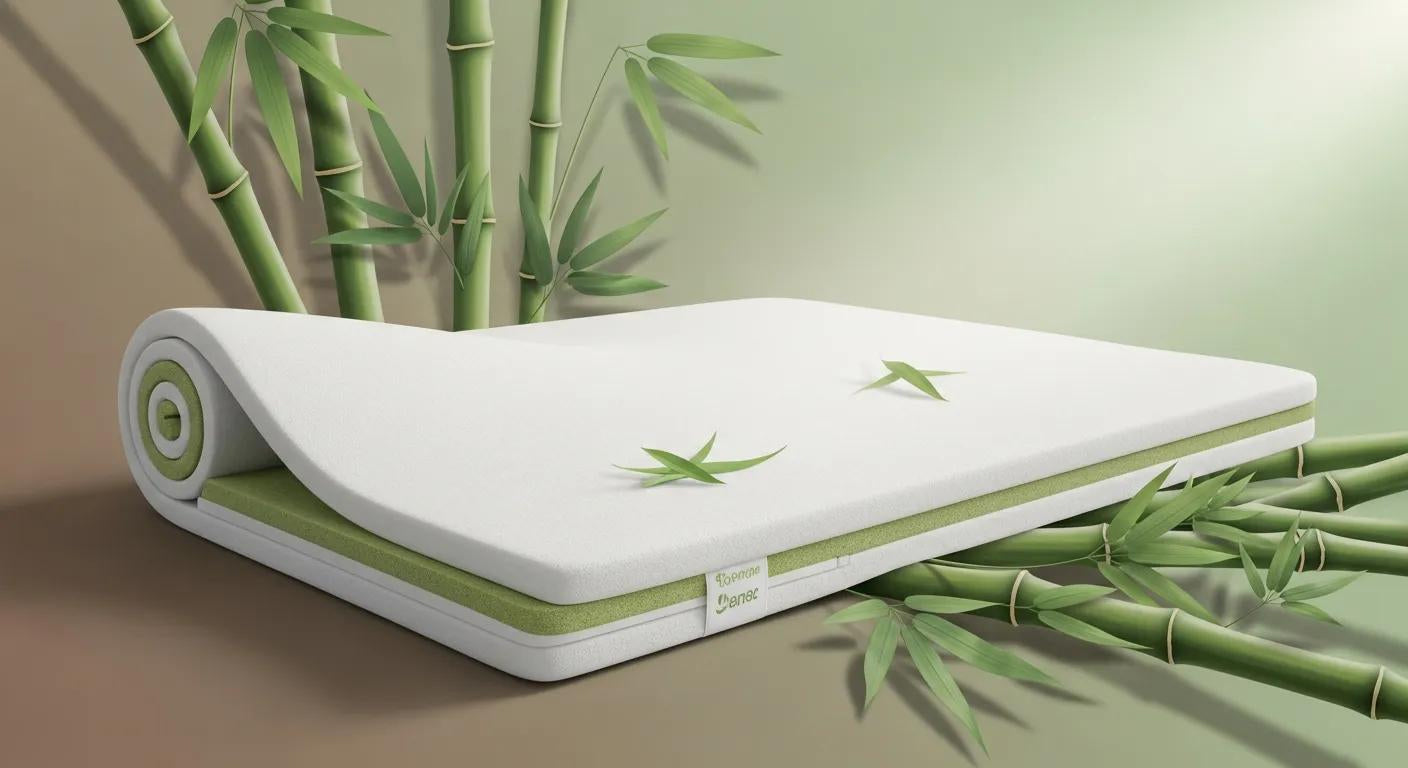
Bamboo mattress toppers add a soft, breathable layer to your bed using bamboo-derived fibres. They bring extra cushioning, active moisture management and natural antimicrobial properties to an existing mattress — helping you sleep cooler, drier and with fewer allergens. Bamboo fibres have tiny channels that pull moisture away from your skin while letting air circulate, which reduces clamminess and allergen buildup. Explore how bamboo can improve your comfort and spinal support, keep you cool and fresh, and offer sustainability benefits, durability, and practical care advice tailored for Australian conditions. A quality topper can refresh an aging mattress or help with night sweats, and this guide explains how to choose and care for one.
What Are the Core Benefits of Bamboo Mattress Toppers?
A bamboo mattress topper mainly improves surface comfort while also offering moisture-wicking, hypoallergenic protection and light pressure relief. A bamboo-derived cover combined with a resilient fill increases airflow across the surface and draws sweat into the topper where it can evaporate — delivering a cooler, less clammy sleep. The direct benefits are better sleep quality, fewer nighttime disturbances from heat or allergens, and an easy way to refresh your mattress without buying a new one. Below are the most useful benefits to help you decide quickly.
Bamboo mattress topper benefits explained:
- Improved comfort and cushioning: Adds plush loft to ease pressure points and renew an older mattress surface.
- Temperature regulation: Breathable bamboo fibres shift heat and moisture away from the body for a cooler night.
- Hypoallergenic performance: Natural bamboo properties help inhibit dust mites and some bacteria compared with untreated fabrics.
- Moisture-wicking: Draws dampness away from your skin so you stay drier and more comfortable.
These benefits suit many sleeper types. The short comparison below outlines how common topper materials differ in thermal and moisture behaviour, so you know what to expect.
Different materials show distinct moisture and thermal behaviours.
| Material | Key Feature | How it Performs |
|---|---|---|
| Bamboo | Temperature regulation | Excellent — its unique fibres and moisture-wicking properties mean strong breathability. |
| Memory foam | Heat retention | High — density structure can trap heat unless gel-infused or ventilated |
| Latex | Breathability | Good — open-cell latex breathes, but performance varies |
This comparison shows how bamboo combines an open fibre structure with moisture transfer to support cooler, more comfortable sleep. Next, we explain how those unique fibres produce the cooling effect.
How Do Bamboo Mattress Toppers Enhance Comfort and Support?
Bamboo toppers deliver comfort by pairing a soft, adaptive surface with resilient loft. A bamboo-derived cover wraps a lofty filling that compresses under pressure to cushion hips and shoulders, then rebounds to help maintain spinal alignment. For people with an older or uneven mattress, a topper redistributes weight and offers immediate pressure relief without changing the bed’s core support — useful for side sleepers or anyone with mild joint discomfort. In short, bamboo gives a pillow-like surface that improves sleep feel and extends mattress life.
Why Are Bamboo Mattress Toppers Naturally Hypoallergenic and Antibacterial?
Bamboo contains natural compounds that help inhibit some bacterial growth on fibres and make the surface less favourable for dust mites and mould. That means less allergen build-up compared with some untreated synthetic fabrics, so sensitive sleepers often notice fewer reaction triggers and a fresher-feeling topper over time. Combining a bamboo cover with regular care further reduces allergen load, making bamboo a sensible choice for low-maintenance, allergy-conscious bedding.
If you want to try a ready-made option, EcoToppers’ bamboo range is built to offer these benefits while prioritising a secure fit and natural performance.
How Does Bamboo Provide Superior Temperature Regulation in Mattress Toppers?
Bamboo regulates temperature through its unique fibre structure, which helps wick away moisture and allows for good airflow. These tiny gaps create small pathways for air to move, allowing warm air to escape and cooler air to reach the skin. This action draws sweat into the fibre where it evaporates more quickly. The result is lower surface humidity and a cooler feel at the skin — especially helpful for hot sleepers. The table below summarises how it works and what you can expect.
How bamboo helps with temperature control:
| Material | How it Works | What You Get |
|---|---|---|
| Bamboo | Unique fibres + moisture-wicking | Cooler sleep, quicker moisture evaporation |
| Cotton | Moisture-wicking | Absorbs moisture but can hold more heat when saturated |
| Memory foam | Dense structure | Traps heat, raising surface temperature |
That clarity explains why bamboo toppers are often chosen for temperature control, and it leads to practical guidance on using toppers across Australia’s varied climates.
What Makes Bamboo So Breathable and Good at Wicking Moisture?
On a tiny level, bamboo fibres have small gaps and channel-like structures that move moisture away from your skin into the fabric where it can evaporate. Bamboo’s natural properties also help heat dissipate instead of accumulating, so the surface feels cooler compared with dense foams. Compared to memory foam’s closed cell network, bamboo offers faster airflow and moisture transfer — which translates to fewer heat-related wake-ups, less clamminess and a drier sleeping surface overall.
Understanding how it works helps you layer bedding more effectively and choose the right setup for your climate and sleep style.
How Do Bamboo Mattress Toppers Perform in Different Australian Climates?
Bamboo toppers perform well across Australia because their moisture management and airflow help in humid coastal areas and still provide comfort in cooler regions. In humid coastal zones, make sure the bed has good room ventilation and use breathable base layers to avoid trapping moisture. In temperate inland areas, a single bamboo topper often regulates temperature year-round. For cooler southern states, pair a bamboo topper with a warm duvet or blanket at night and remove heavier covers as temperatures drop so the topper’s breathability remains effective. Practical tips include choosing a fitted skirt that matches mattress depth and airing the topper regularly during humid months to prevent lingering dampness.
Next, we cover sustainability, where bamboo’s lifecycle benefits add another reason to consider it.
Why Is Sustainability a Unique Advantage of Bamboo Mattress Toppers?
Bamboo’s sustainability comes from its fast growth, low input needs and generally better biodegradability compared with many synthetic fibres. As a grass, bamboo regenerates quickly after harvest and usually needs less water and fewer pesticides than conventional crops, which means less impact on the environment. At the end-of-life, responsibly processed bamboo fibres break down more readily than polyester and other synthetics, reducing long-term waste. When shopping, look for clear information about how the bamboo is grown and processed.
To help you assess supplier claims, the following checklist highlights practical indicators to look for when choosing eco-friendly bamboo bedding.
Sustainability checklist for bamboo bedding:
- Clear origins: Suppliers explain where bamboo is grown and how it’s harvested.
- Gentle processing: Manufacturers limit harsh chemicals and reduce water use during fibre conversion.
- Eco-conscious packaging: Packaging and product choices support recyclability or biodegradability.
Use this checklist when comparing brands to better understand their environmental claims and manufacturing choices.
How Is Bamboo Ethically Sourced and Manufactured for Eco-Friendly Bedding?
Ethical sourcing means knowing where the bamboo comes from and ensuring it's harvested responsibly to protect local environments. Responsible processors minimise chemical use and manage water carefully. Manufacturers that prioritise worker safety and clear practices support long-term resource care — important for eco-conscious buyers. Asking about processing steps helps you spot genuinely low-impact bamboo bedding versus products made with heavier chemical processing.
Next, we compare renewability and end-of-life behaviour to synthetic alternatives.
What Makes Bamboo a Renewable and Biodegradable Material?
Bamboo’s renewability comes from fast growth cycles — many species mature in 3–5 years — and its ability to regrow from the same root system, which reduces soil disturbance and replanting needs. When processed with a few synthetic additives, natural bamboo fibres break down more readily in composting conditions than polyester-based textiles. Compared with synthetics that can persist for decades, responsibly processed bamboo represents a lower long-term waste burden. These lifecycle traits make bamboo a strong choice for buyers focused on renewable materials and lower environmental impact.
With sustainability covered, let’s look at durability so you can weigh long-term value.
How Durable Are Bamboo Mattress Toppers Compared to Other Materials?
Durability depends on fibre quality, how well it keeps its loft, stitching and cover construction. Well-made bamboo toppers can keep performing for years with proper care. Bamboo fibres can be resilient, but overall longevity also relies on cover weight, stitch density and reinforcement in high-wear areas. Typical wear issues include compression, seam failure and cover abrasion. The table below outlines expected lifespan and performance notes across common topper materials to help you compare.
Durability comparison for buyers:
| Material | Durability Attribute | Expected Lifespan / Performance Notes |
|---|---|---|
| Bamboo | Loft retention & surface wear | Moderate–High; lifespan improves with quality fill and cover construction |
| Memory foam | Compression over time | Medium; may sag with heavy use unless high-density foam is used |
| Latex | Resilience & recovery | High; natural latex resists permanent impressions longer than many foams |
This helps you weigh longevity against priorities like cooling and sustainability before choosing a topper.
What Factors Contribute to the Long-Lasting Comfort of Bamboo Fibres?
Lasting comfort comes down to fill density, stitch quality, cover weight and manufacturing finishes that keep loft intact and prevent clumping. Higher stitch density and reinforced seams reduce shifting, while resilient fills hold their shape and pressure-relief properties longer. Your care habits — using a protector, rotating the topper and following wash guidance — also extend life significantly.
Next is a practical comparison between bamboo and other topper materials in everyday sleep situations.
How Does Bamboo Compare to Memory Foam and Other Mattress Topper Materials?
Bamboo toppers usually beat memory foam on breathability and moisture control, but differ in contouring: memory foam gives a deeper hug and pressure redistribution at the cost of extra heat retention. Latex offers strong resilience and a longer lifespan with decent breathability, while wool and down-alternative toppers vary widely in moisture handling and insulation. On sustainability and end-of-life, bamboo generally ranks higher than polyester-based fills. Your choice depends on priorities: if cooling and eco-credentials matter most, bamboo is a strong pick; if deep contouring is the priority, memory foam may suit better; for long-term resilience, quality latex often excels.
With trade-offs clear, we’ll cover EcoToppers’ product features for shoppers who want a ready-made option.
What Distinct Features Does EcoToppers Offer in Their Bamboo Mattress Toppers?
EcoToppers combines the benefits above with features aimed at fit and purchase confidence. Our topper includes a deep-pocket fitted stretch skirt with a 50 cm capacity to suit thicker mattresses and pillow-tops, so it stays secure through the night. We aim to make your purchase simple and satisfying, offering convenient delivery and support for your needs. These features reduce buying friction by addressing fit and ensuring you can experience its benefits at home.
Key product and policy points buyers often check:
- Deep pocket 50 cm fitted stretch skirt: Keeps the topper secure on deep or pillow-top mattresses.
- Customer satisfaction: We want you to be happy with your topper.
- Convenient delivery: We make it easy to get your topper to your door.
Below, we explain how the deep-pocket fit improves real-world compatibility.
How Does the Deep Pocket Fit Enhance Mattress Compatibility?
The 50 cm fitted skirt accommodates deeper mattresses and stacked toppers by wrapping the base with continuous tension to reduce shifting and keep the surface even. Measure mattress depth from the top down, including any pillow-top or existing topper, and confirm the 50 cm allowance covers the full stack. The secure skirt also cuts down on edge lifting and bunching — a common annoyance for side sleepers — and the stretch fabric adapts to minor size variations without losing grip. This reduces re-tucking and helps the topper maintain even pressure relief and airflow.
Next, we cover how we support your purchase.
How Does EcoToppers Support Your Purchase?
We want you to feel confident in your choice, and we're here to help you experience its benefits. We also provide convenient delivery options to make getting your topper simple. We aim to make it easy to buy and, if needed, discuss options within a reasonable timeframe — especially useful for customers who need a bit of extra support.
After purchase, the right care routine keeps your topper performing — covered in the final section.
How Should You Care for and Maintain Bamboo Mattress Toppers to Preserve Their Uniqueness?
Maintaining a bamboo topper is mostly straightforward: gentle cleaning, regular airing and protective habits that keep loft, breathability and hypoallergenic performance intact. Start with a breathable mattress protector, rotate or adjust the topper monthly to distribute wear, spot-clean stains promptly, and follow the manufacturer’s instructions for removable covers. Proper drying and storage — especially in humid areas — prevent lingering moisture and odours. Below are the top maintenance actions that preserve performance and extend life.
Top 5 maintenance actions for bamboo mattress toppers:
- Use a breathable mattress protector: It stops surface soiling and reduces the need for frequent washing.
- Rotate monthly: Spreads compression evenly and extends loft life.
- Air regularly: Let bedding breathe to evaporate trapped moisture and reduce odour.
- Spot-clean stains immediately: Blot gently with mild detergent — avoid rubbing to protect fibres.
- Follow wash instructions for removable covers: Use gentle cycles and low heat or line-dry where possible.
Those simple habits preserve performance and keep ongoing costs down. The following subsections offer specific cleaning and care tips.
What Are the Best Washing and Spot Cleaning Practices for Bamboo Bedding?
For removable bamboo covers, machine wash on a gentle cycle with mild, non-bleach detergent in cool-to-lukewarm water, then line-dry or tumble on low to avoid shrinkage and protect finishes. For stains, use a diluted detergent and blot rather than scrub until the mark lifts, avoiding harsh chemicals or bleach that can damage fibres and antimicrobial treatments. If the fill isn’t removable, don’t fully immerse the topper — spot-clean the cover and air thoroughly to dry instead. These precautions reduce the risk of clumping and help the topper keep its moisture-wicking and hypoallergenic properties.
Good cleaning habits lead to broader maintenance routines that prolong functional life, as explained next.
How Can Proper Maintenance Extend the Life of Your Bamboo Mattress Topper?
Regular rotation, a breathable protector, prompt spot-cleaning and thorough drying after any washing all help preserve loft, prevent mildew and reduce seam stress. Air the topper after humid nights to evaporate trapped moisture and avoid odour, and store it flat in a dry, ventilated space if you’re not using it long-term to prevent permanent compression. Follow product-specific care instructions, and you’ll typically keep performance steady for years, protecting your initial investment. A simple maintenance schedule keeps the topper delivering cooling, hypoallergenic and comfort benefits well beyond purchase.
If you’d like to try a bamboo mattress topper, EcoToppers’ collection is designed to deliver bamboo’s cooling and hypoallergenic benefits with a deep 50 cm fitted skirt. We aim to make your purchase simple and satisfying, offering convenient delivery and support for your needs. This final note is here to help you move from research to a confident purchase while we keep the focus on bamboo’s real-world performance.
Frequently Asked Questions
1. Are bamboo mattress toppers suitable for all types of sleepers?
Yes — bamboo toppers suit side, back and stomach sleepers. They strike a balance between soft surface comfort and gentle support, helping ease pressure points while keeping spinal alignment. Side sleepers often benefit from the cushioning, while back and stomach sleepers appreciate that the topper prevents excessive sinking. Overall, bamboo toppers are a versatile option for many sleep styles.
2. How do I choose the right thickness for a bamboo mattress topper?
Pick a thickness based on how much change you want. A 5–10 cm topper suits most people: thinner options add modest comfort without drastically changing mattress feel, while thicker toppers give more cushioning and pressure relief and are better for older or firmer mattresses. Consider your sleeping position and whether you want a subtle lift or a noticeably plusher surface.
3. Can bamboo mattress toppers help with back pain?
Bamboo toppers can help relieve mild back pain by adding support where you need it and distributing weight more evenly. They conform to body contours while maintaining enough rebound to support spinal alignment. Individual results vary, so if you have persistent or severe back pain, it’s wise to consult a healthcare professional.
4. How do I know if a bamboo mattress topper is of good quality?
Look at cover density, the type and resilience of the fill, stitch quality and overall construction. High-quality toppers use a dense, breathable cover and resilient fill that holds loft. Customer reviews and information about how the product is made give extra insight into durability and real-world performance.
5. What is the best way to clean a bamboo mattress topper?
For machine-washable covers, use a gentle cycle with mild detergent and cool water, then line-dry or tumble on low. For spot cleaning, blot stains with a mild solution rather than rubbing. If the topper’s fill isn’t removable, avoid submerging the whole unit — clean the cover and air thoroughly. Regular airing and a protector will cut down on how often you need to wash.
6. How does the price of bamboo mattress toppers compare to other materials?
Bamboo toppers are competitively priced versus memory foam and latex, and they often deliver a strong mix of affordability, cooling performance and eco-credentials. Prices vary by brand and build quality, so weigh long-term value and expected lifespan alongside upfront cost when choosing.
7. Are there any specific care tips for maintaining a bamboo mattress topper?
Rotate the topper regularly, use a breathable protector, air it out after humid nights, spot-clean stains promptly and follow the manufacturer’s wash instructions for removable covers. Avoid heavy soiling and always dry thoroughly after cleaning to preserve loft and hypoallergenic properties — these simple steps will keep your topper performing well for years.