





Why our bamboo mattress toppers are naturally hypoallergenic — gentle, effective allergy relief
A hypoallergenic mattress topper reduces your exposure to common bedroom triggers by combining the right materials, smart construction and easy care. Bamboo toppers work on two key fronts: bamboo‑kun, a naturally occurring antimicrobial in bamboo fibres, and a finely engineered fibre structure that discourages dust mites and holds less moisture. Together, these features help prevent allergen build‑up and create a cooler, drier sleep surface — a real benefit for people with asthma, allergic rhinitis or sensitive skin. This article shows how bamboo‑kun works, how fibre structure and moisture‑wicking resist dust mites and mould, and what that means for breathing and skin comfort. You’ll also find practical tips on temperature control, orthopaedic support, understanding certifications, and a buyer’s checklist that covers trying out your topper and delivery. By the end, you’ll know how hypoallergenic bamboo toppers work and which features matter most if you prioritise breathability, pressure relief or low‑chemical materials.
Why Are Bamboo Mattress Toppers Naturally Hypoallergenic?

Our bamboo toppers are naturally hypoallergenic because bamboo‑kun and the fibre microstructure work together to slow microbial growth and lower the humidity that dust mites and mould need to survive. Bamboo‑kun is a natural compound found in the plant with antibacterial and antifungal tendencies, while the smooth, breathable bamboo fibres pull moisture away from the sleep surface so it stays drier and less inviting to allergens. The combined effect is a lower microbial load and fewer dust‑mite hiding places, which means fewer airborne and contact allergens for sleepers. Knowing how these mechanisms differ from cotton or many synthetic fabrics helps explain the everyday benefits for sleep hygiene and long‑term allergen control.
How Does Bamboo Kun Provide Antimicrobial Protection?
Bamboo‑kun is a natural substance inside bamboo culms that shows antibacterial and antifungal activity, helping limit microbial growth on textile surfaces. This action reduces odour‑causing bacteria and slows fungal growth when humidity rises, so covers stay fresher between washes. In practice, bamboo‑kun lowers the microbe count on fibres, leaving less organic material for dust mites to feed on and cutting down odour build‑up. The effectiveness can vary depending on how the fibres are made and finished.
What Role Do Bamboo Fibres Play in Dust Mite Resistance?
Bamboo fibres help resist dust mites through surface smoothness, breathability and moisture‑wicking that make the sleep surface less attractive to mites. Unlike dense cotton weaves or pile fabrics that trap humidity and skin flakes, bamboo’s structure promotes airflow and moves perspiration away from the sleeping microclimate, reducing the humid pockets mites need. The smoother fibre surface also discourages dead skin from lodging in the weave, limiting the food source for mites. Over time, these physical properties create an environment that reduces mite populations and lowers mattress allergen levels when paired with sensible care.
How Do Bamboo Mattress Toppers Benefit Allergy and Asthma Sufferers?
Yes — bamboo mattress toppers can reduce the exposures that often trigger allergies and asthma by shrinking dust‑mite habitat, inhibiting microbial growth and making pet dander and pollen easier to remove. These effects improve bedroom air quality and can reduce nighttime symptoms for many people. Results are strongest when the topper is used with regular cleaning, allergen‑proof encasements where appropriate, and routine bedding laundering. Below is a clear comparison of common bedroom allergens, how bamboo reduces them, and what sleepers can expect.
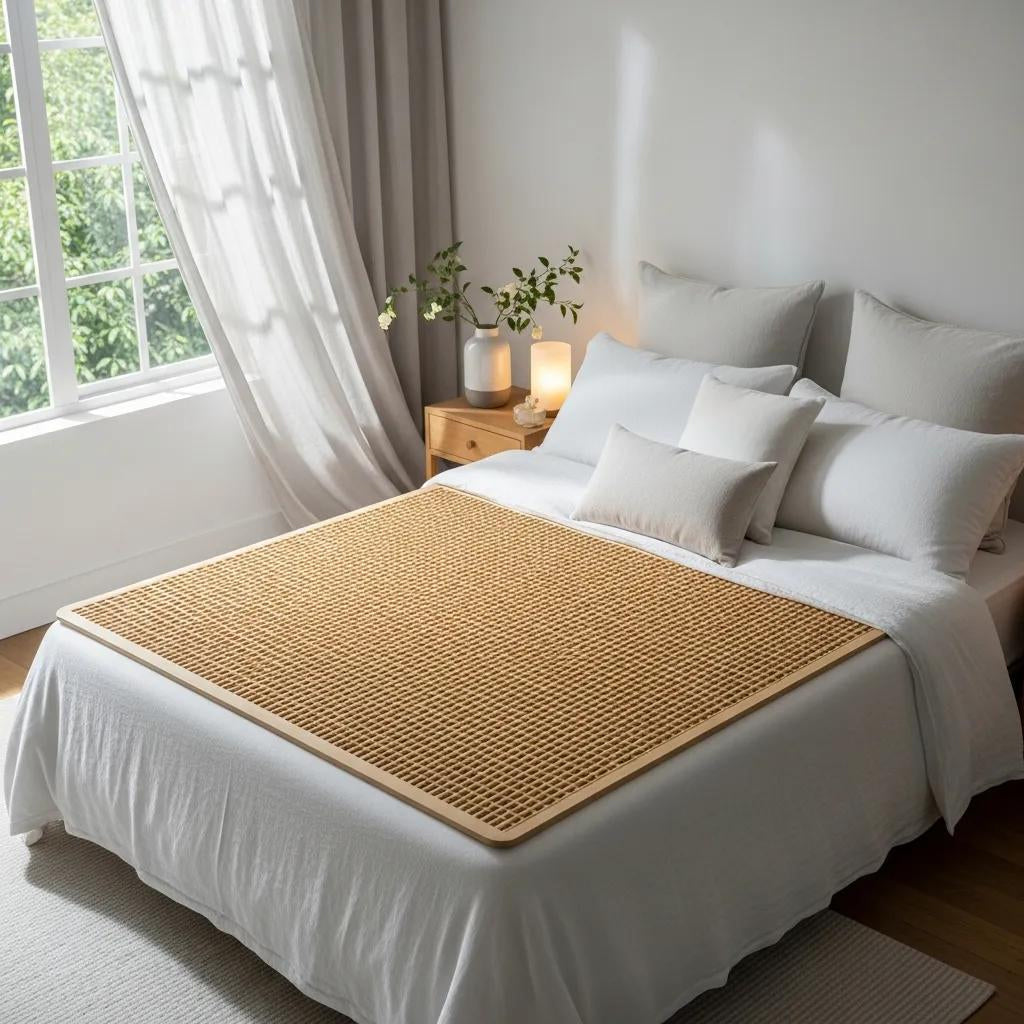
Bamboo toppers are also a practical, low‑chemical option because much of the protection comes from the fibre itself rather than added antimicrobials or harsh finishes. For a ready solution, EcoToppers offers bamboo mattress toppers described as naturally hypoallergenic and antibacterial, with temperature‑regulating performance and a deep 50 cm fitted stretch skirt for a secure fit — features that help turn material science into everyday comfort for allergy and asthma sufferers.
Different bedroom allergens are reduced by bamboo toppers through specific mechanisms and yield measurable improvements in sleep quality.
| Allergen | Bamboo mechanism | Expected outcome |
|---|---|---|
| Dust mites | Lower humidity + fewer trapped skin flakes | Smaller mite populations and reduced airborne allergen load |
| Mould/mildew spores | Moisture‑wicking and increased airflow | Less mould growth and fewer spore exposures |
| Pet dander and pollen | Smoother surface and easier cleaning | Fewer particles are retained, and lower nightly exposure |
This table shows how bamboo’s properties target specific allergens and what you can expect. Taken together with consistent bedding hygiene, bamboo toppers can reduce the allergen burden in your bedroom and support clearer breathing at night.
Which Allergens Are Reduced by Bamboo Mattress Toppers?
Bamboo toppers mainly tackle three common bedroom allergens: dust mites, mould spores and particulate allergens like pet dander and pollen. Dust mites fall away because bamboo’s breathability and moisture‑wicking create a drier microclimate with fewer trapped skin particles. Mould and mildew are limited by the same moisture control and better airflow, which reduces spore germination and colonisation. Pet dander and pollen are easier to remove from bamboo surfaces thanks to smoother fibres and routine washing, resulting in fewer retained particles and lower nightly exposure.
Why Are Bamboo Toppers Ideal for Sensitive Skin and Eczema?
Bamboo toppers suit sensitive skin because they combine a soft, low‑friction fibre surface with breathability that reduces heat and sweating — two common eczema triggers. Bamboo’s natural antimicrobial tendencies can also help lower surface bacterial counts that might irritate vulnerable skin, and many bamboo products avoid harsh chemical finishes that irritate. That said, people with severe eczema should consult a healthcare professional before making clinical changes; for everyday reactive skin, a breathable, low‑irritant sleep surface often reduces nighttime scratching and discomfort.
What Additional Health and Comfort Benefits Do Bamboo Mattress Toppers Offer?
Beyond allergen control, bamboo toppers deliver temperature regulation, targeted pressure relief and lasting performance that can improve overall sleep. Bamboo fibres wick moisture and promote airflow, stabilising the microclimate around your body and cutting night‑time overheating. Construction choices — foam cores or lofted fibre layers — determine orthopaedic support and pressure redistribution, which can ease common pain points like shoulders and hips. Together, these benefits make bamboo toppers a good option for people who overheat at night, those wanting better spinal alignment without replacing a mattress, and anyone after a sustainable, low‑maintenance upgrade.
The table below summarises key functional benefits, the mechanism behind each and the likely result for sleepers.
| Function | Mechanism | Expected outcome |
|---|---|---|
| Temperature regulation | Moisture‑wicking + breathable fibres | Cooler, less interrupted sleep and fewer night sweats |
| Orthopaedic support | Layered fill + multiple thickness options | Better pressure relief and improved spinal alignment for many sleepers |
| Moisture control | Capillary action in fibres | Lower mould risk and a fresher surface between washes |
This overview shows how design choices affect sleep. Choosing the right thickness and fill type determines how much each benefit shapes your nightly comfort.
How Does Temperature Regulation Enhance Sleep Quality?
Good temperature regulation keeps your sleep microclimate stable so your body can move through deeper sleep stages with fewer interruptions. Bamboo fibres pull moisture away from the body and allow heat to escape through better airflow, helping you stay cooler and wake less often. For people prone to night sweats or seasonal overheating, a breathable topper can reduce arousals and support longer REM cycles. Pairing a bamboo topper with breathable sheets and lightweight bedcovers maximises this benefit.
In What Ways Do Bamboo Toppers Provide Orthopaedic Support?
Bamboo toppers add orthopaedic support by spreading pressure over a larger area and offering different thickness and firmness levels to encourage better spinal alignment. Higher loft or denser foam cores give more sink‑and‑support for side sleepers, while lower‑profile, firmer options suit back and stomach sleepers who need less contouring. Layer composition — for example, foam over fibre — determines performance at common pain sites like the lower back and shoulders. Picking the right firmness and thickness for your sleep position improves comfort and can complement a mattress that’s too soft or too firm.
How Does EcoToppers Ensure the Quality and Sustainability of Their Bamboo Mattress Toppers?
At EcoToppers, we design our bamboo mattress toppers around a few clear priorities: natural, hypoallergenic and antibacterial behaviour, reliable temperature control, sustainable and biodegradable materials, orthopaedic support options and a deep 50 cm fitted stretch skirt for a secure fit on most mattresses. On the service side, we offer a generous trial period, convenient delivery options across Australia, and support for accessibility needs — policies designed to reduce purchase risk and improve accessibility.
We link product features to the material science above — for example, antimicrobial tendencies and moisture management — and aim to support shoppers who prioritise sustainability and low chemical exposure with biodegradable or organic bamboo options. We believe in transparency, and details about our certifications are available to help you understand our product claims.
What Certifications Guarantee Hypoallergenic and Chemical-Free Bedding?
We provide information on certifications like OEKO-TEX Standard 100 and GOTS, which help verify textile safety and organic processing standards. OEKO‑TEX tests fabrics for harmful substances and issues a label when a product meets its limits, giving reassurance about chemical residues in the finished textile. GOTS confirms organic fibre content and looks at processing practices, covering raw materials, manufacturing and social/environmental criteria.
How Is Organic Bamboo Sourced for Eco-Friendly Sleep Solutions?
Sustainable organic bamboo sourcing generally means selecting bamboo grown without synthetic pesticides, using minimal irrigation and harvesting responsibly to protect soil and biodiversity. Processing that preserves bamboo‑kun and fibre quality avoids harsh chemical conversions and, where possible, uses mechanical or eco‑conscious viscose methods. We are committed to transparency in our supply chain, sharing details about fibre origin and processing steps. This helps ensure our products maintain their natural properties and meet ecological and hypoallergenic performance claims.
What Should You Consider When Choosing a Hypoallergenic Bamboo Mattress Topper?
When choosing a hypoallergenic bamboo topper, focus on three core things: material composition and certifications, thickness/firmness to match your sleep style, and customer-friendly trial and returns policies that make your purchase worry-free. Material composition tells you how much real bamboo is used and whether processing was low‑chemical; certifications add verification. Thickness and firmness affect breathability versus pressure relief — thinner options favour allergen control, while thicker choices give more orthopaedic support. Finally, our customer-friendly trial and convenient delivery options let you test allergen reduction and comfort at home before committing.
The table below compares common topper options by thickness/firmness, the allergy benefit and the comfort/support trade‑off to help you choose.
| Topper option | Allergy benefit | Comfort/support trade-off |
|---|---|---|
| Thin, plush 3–5 cm | Best breathability and faster moisture dissipation | Less pressure relief, lighter cushioning |
| Medium 5–8 cm | Balanced breathability and pressure redistribution | Moderate support — good for side and back sleepers |
| Thick 8+ cm | Highest pressure relief and contouring | May reduce airflow if high‑density fill is used; choose breathable cores |
This comparison shows how thickness and construction change both allergen control and orthopaedic outcomes, so pick based on your priorities.
How Do Thickness and Firmness Affect Allergy Relief and Comfort?
Thickness and firmness influence airflow, heat retention and pressure relief, so choosing a topper is about balancing allergen control with support needs. Thinner, more breathable toppers usually wick moisture more effectively and reduce trapped humidity, which helps limit allergens. Thicker, loftier options give better pressure relief for joints and suit side sleepers or those needing extra cushioning, but they should use breathable cores to avoid compromising moisture control. Regular maintenance — airing, spot cleaning and following care instructions — helps retain hypoallergenic performance regardless of thickness.
What Are the Benefits of a Generous Trial Period and Convenient Delivery?
Our generous trial period and convenient delivery options remove much of the purchase anxiety by letting you test allergen reduction, comfort, and fit at home before deciding. During a trial, you can track nighttime symptoms, assess perceived breathability and see how the topper works with your bedding and mattress. Convenient delivery removes friction and makes it easier to try different thicknesses or sizes without added cost. EcoToppers offers a generous trial period and convenient delivery across Australia so you can verify hypoallergenic performance in your own home.
To get the most from a trial, follow this short checklist:
- Test the topper for at least two weeks during your normal sleep routine and bedding setup.
- Monitor nighttime symptoms and note any changes in congestion or skin irritation.
- Try different bedding layers and laundering intervals to understand real‑world maintenance needs.
Using these steps during a trial will help you judge whether the topper reduces your allergen exposure and meets your comfort and support needs.
- Test duration: Use the full trial period to assess symptoms across different conditions.
- Symptom tracking: Keep a simple nightly log for sleep quality and allergy signs.
- Maintenance check: Launder bedding and follow care instructions to observe practical cleaning needs.
These straightforward steps turn a trial into reliable evidence for your decision, reducing the chance of buyer’s remorse and ensuring the topper meets both allergy and comfort goals.
Frequently Asked Questions
1. How do I maintain my bamboo mattress topper for optimal hypoallergenic properties?
Regular care keeps a bamboo topper performing well. Wash the removable cover following the manufacturer’s instructions (usually cold water) and avoid harsh detergents or bleach. Air the topper occasionally to reduce moisture build‑up, and use a mattress protector to stop allergens from settling into the topper. A gentle vacuum with a soft brush attachment helps remove surface dust and dander between washes.
2. Can bamboo mattress toppers help with night sweats?
Yes. Bamboo fibres wick moisture away from the body and allow better airflow, which helps regulate temperature and reduce night sweats. For best results, pair a bamboo topper with breathable sheets and lighter bedcovers to keep your sleep environment cool and comfortable.
3. Are bamboo mattress toppers suitable for all sleeping positions?
They can be — it depends on thickness and firmness. Thinner toppers (3–5 cm) suit back sleepers who prefer a firmer feel, while medium (5–8 cm) and thicker (8+ cm) toppers offer more cushioning for side sleepers. Choose the option that balances support and pressure relief to keep your spine aligned.
4. What should I look for in terms of certifications when buying a bamboo mattress topper?
We provide information on certifications like OEKO-TEX Standard 100 and GOTS, which offer reassurance about chemical safety and organic processing. OEKO-TEX checks for harmful substances, while GOTS verifies organic fibre content and responsible processing.
5. How does the thickness of a bamboo mattress topper affect its hypoallergenic properties?
Thickness can affect breathability and moisture management. Thinner toppers (3–5 cm) usually offer better airflow and faster moisture dissipation, helping reduce allergen retention. Thicker toppers (8+ cm) provide more pressure relief but can trap heat if they use high‑density fills, so choose breathable cores to keep allergen control strong while getting the comfort you need.
6. Can I use a bamboo mattress topper on any type of mattress?
Yes — bamboo toppers work on innerspring, foam and hybrid mattresses. Make sure the topper fits securely so it doesn’t shift during sleep; a deep fitted skirt (50 cm) helps keep the topper in place. Always check dimensions for a proper fit and to maintain comfort and support.
7. What are the environmental benefits of choosing a bamboo mattress topper?
Bamboo is a fast‑growing, renewable resource that typically needs little water and no synthetic pesticides, making it a low‑impact option. Many bamboo products are biodegradable, which reduces landfill waste compared with synthetic materials. Choosing a bamboo topper supports more sustainable practices and lowers your environmental footprint.