



Bamboo Blankets — Comfort, Cooling & Sustainability
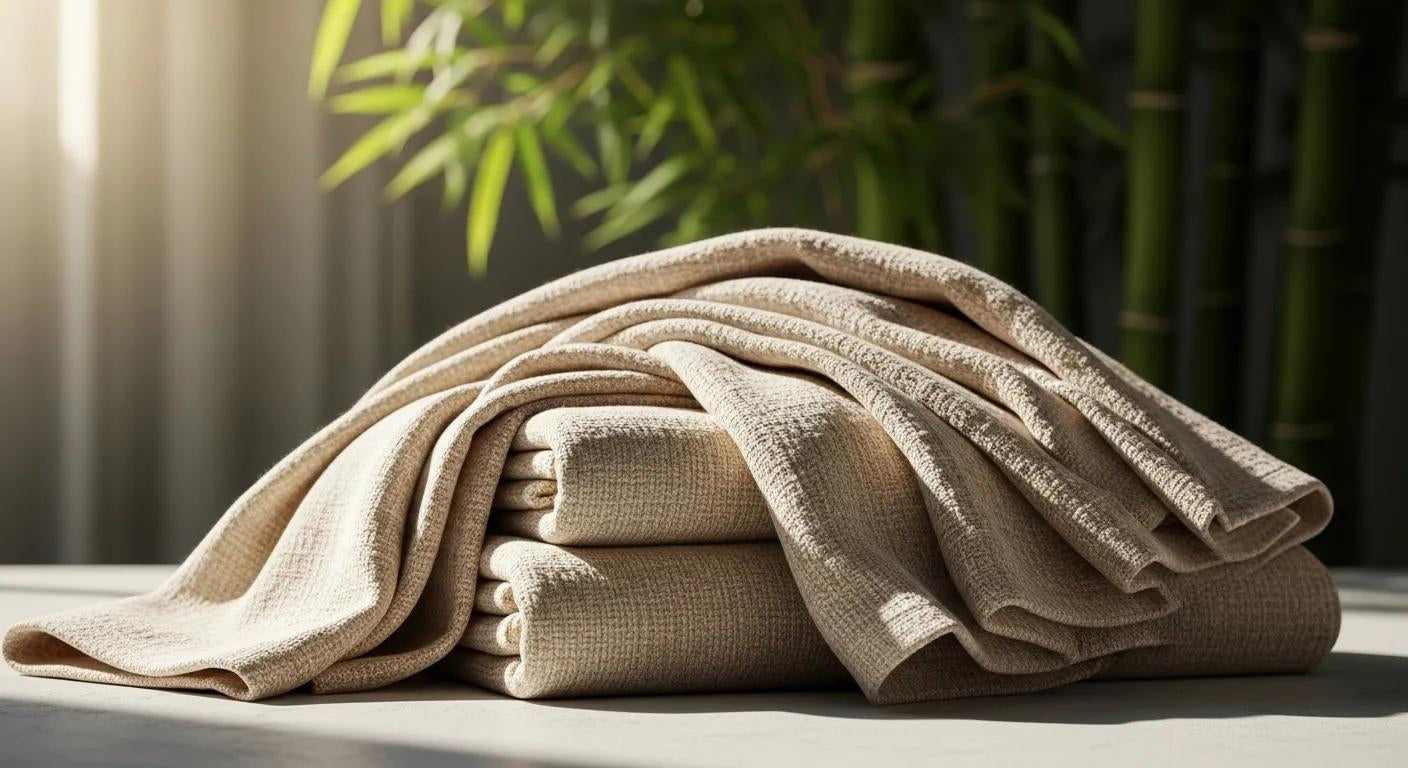
Bamboo blankets are woven from fibres sourced from bamboo plants. They strike a strong balance between everyday comfort, natural temperature regulation and a lower environmental footprint — qualities that often distinguish them from cotton, wool and many synthetic options. This guide explains how bamboo blankets deliver a softer feel, naturally hypoallergenic performance and lifecycle advantages so you can evaluate them on comfort, health and sustainability. If you overheat at night, suffer irritated skin or dislike frequent laundering, bamboo’s moisture-wicking viscose and smooth fibre structure can help. Read on for clear comparisons with cotton and wool, practical care tips to extend product life, and simple recommendations for allergy sufferers and commercial buyers. We’ve also included notes on sourcing for Australian markets and institutional procurement.
What Are the Key Benefits of Bamboo Blankets Compared to Cotton and Other Traditional Fabrics?
Bamboo blankets pair a silky, low-friction fibre with excellent moisture management and mild antimicrobial behaviour, giving them real advantages over conventional cotton, wool and many synthetics. In plain terms: bamboo viscose fibres are rounder and smoother than many alternatives, which feels softer on skin, while the fibres’ hygroscopic nature helps wick and release moisture quickly. Those fibre traits translate into three practical benefits for sleepers—better overnight comfort, fewer skin irritations for sensitive users, and easier laundering that limits microbial build-up between washes.
Below is a short list of the five primary benefits to help with quick comparison.
Bamboo blankets offer these primary advantages:
- Soft, luxurious feel: a silk-like hand that reduces friction and pressure on skin.
- Hypoallergenic performance: breathable construction and antibacterial tendencies that lower allergen exposure.
- Temperature regulation: moisture-wicking fibres support evaporative cooling for hot sleepers.
- Sustainability advantage: fast renewability and typically lower cultivation inputs than many fibres.
- Easy care and long life: fewer intense wash cycles needed thanks to moisture control and antimicrobial traits.
These points explain why bamboo blankets are often recommended for people with sensitive skin and anyone comparing organic bamboo blankets for comfort. The table below lays out a direct, attribute-by-attribute comparison between bamboo, cotton and wool so the differences are easy to see at a glance.
Different textiles perform differently across comfort, breathability and environmental measures.
| Fabric Type | Key Attribute | Comparative Value |
|---|---|---|
| Bamboo | Softness / hand-feel | Silky viscose fibres reduce skin friction and tend to feel cooler to the touch. |
| Cotton | Breathability | Naturally breathable but holds moisture longer than bamboo |
| Wool | Insulation | Excellent thermal insulation for cold conditions, though it can irritate sensitive skin |
This quick table clarifies each fabric’s primary strengths and helps you decide which properties matter most. Next, we look at how fibre structure creates bamboo’s signature softness and its hypoallergenic behaviour.
How Do Bamboo Blankets Provide Superior Softness and Comfort?
Bamboo’s softness comes from the physical form of viscose fibres: they’re generally more uniform and round than many cotton fibres, creating a smoother surface against skin. That lower fibre-edge abrasion reduces tactile irritation and gives the blanket a drapey, silky feel that conforms comfortably to the body. For people with sensitive skin or mild eczema, smoother fibres can cut micro-abrasions and reduce irritation. Many sleepers notice fewer night awakenings and better sleep continuity with bamboo bedding, which is why organic bamboo blankets are often chosen for comfort. The next section explains how these same fibre characteristics support hypoallergenic performance through breathability and lower microbial retention.
In What Ways Are Bamboo Blankets Hypoallergenic and Better for Sensitive Skin?
Bamboo blankets are classed as hypoallergenic because their breathable weave and moisture-managing fibres reduce the local microclimate that dust mites and bacteria favour. Moisture-wicking pulls sweat away from skin to the fabric surface, where it evaporates, creating drier conditions less hospitable to allergens. When responsibly sourced, bamboo viscose is also produced with lower residual processing chemicals, which further reduces irritant risk compared with some treated textiles. For sensitive skin, these combined factors often mean less itchiness and calmer evenings across consecutive nights. That naturally leads to how bamboo manages temperature through the seasons.
How Do Bamboo Blankets Regulate Temperature for Year-Round Comfort?
Bamboo blankets regulate temperature through a combination of fibre hygroscopy, the weave’s openness and blanket weight. Bamboo viscose wicks moisture quickly, enabling evaporative cooling when your body heats up, while denser weaves or higher GSM blankets trap insulating air for cooler months. That dual behaviour makes bamboo versatile: it adapts to your personal microclimate and reduces the temperature swings that can disrupt sleep. The list below summarises the core thermoregulatory mechanisms so you can see why bamboo suits both hot sleepers and layered winter systems.
Core thermoregulation mechanisms:
- Moisture-wicking: fibres move sweat away from skin to speed evaporation and cooling.
- Breathability: open weaves allow air exchange and prevent trapped heat.
- Layering capacity: different weights let bamboo act as either a cooling layer or an insulating layer.
These mechanisms explain why cooling bamboo blankets many Australian shoppers choose often outperforms cotton in hot conditions. The following subsections detail benefits for hot sleepers and simple strategies for winter warmth.
Why Are Bamboo Blankets Ideal for Hot Sleepers and Moisture-Wicking?
Bamboo blankets help hot sleepers by managing moisture and providing a cool surface feel: fibres draw perspiration away from skin and distribute it across the fabric so it can evaporate faster, producing a noticeable cooling effect. That reduces night sweats and the clammy feeling other fabrics can trap, supporting steadier sleep and fewer wake-ups. For hot sleepers, choose a lightweight bamboo waffle blanket or a loosely woven throw to maximise airflow, and combine bamboo layers with breathable mattress protectors for the best whole-sleep-system cooling.
Can Bamboo Blankets Also Provide Warmth During Cooler Seasons?
Yes. Bamboo blankets deliver warmth when made with higher GSM, tighter weaves or added fill that traps insulating air. Insulation is more a factor of weight and weave than fibre chemistry; a heavyweight bamboo quilt or a layered bamboo system increases thermal resistance while keeping breathability and moisture control. Practical options include pairing a medium-weight bamboo blanket with a denser top layer or using a bamboo quilt under a heavier duvet to stay warm without overheating. These layering approaches give you year-round flexibility and lead to why choosing bamboo has environmental benefits, too.
What Makes Bamboo Blankets an Eco-Friendly and Sustainable Bedding Choice?
Bamboo’s sustainability comes from its fast growth and generally lower water and land needs compared with many conventional fibre crops, making it an attractive choice for eco-conscious bedding. When bamboo is sustainably harvested and processed into organic bamboo pulp using low-impact methods, it reduces reliance on pesticides and heavy irrigation and lowers lifecycle impacts versus conventionally grown cotton or petrochemical-based synthetics. Durability also matters: long-lasting bamboo blankets that need fewer replacements reduce cumulative environmental cost. The table below gives concise sustainability metrics to help you compare options when choosing sustainable bamboo bedding.
| Resource | Attribute | Metric / Example |
|---|---|---|
| Bamboo | Water usage | Typically needs less irrigation than conventionally farmed cotton in many growing regions. |
| Cotton | Chemical input | Conventional cotton can require significant pesticide use unless certified organic. |
| Synthetics | Origin | Made from petrochemicals with higher lifecycle carbon intensity |
This comparison highlights bamboo’s relative strengths in renewability and resource efficiency and introduces the cultivation considerations below.
EcoToppers is an Australian company focused on eco-friendly bamboo bedding, using sustainably sourced organic bamboo across our range. We support institutional buyers and can issue NDIS invoices on request. Our range centres on comfort, orthopaedic support and health benefits, supported by our commitment to customer satisfaction and convenient delivery options within Australia. These service features show how some suppliers combine sustainability credentials with straightforward procurement options for both households and organisations.
How Does Bamboo Cultivation Impact Water Usage and Environmental Sustainability?
Bamboo generally needs less irrigation than many annual fibre crops because it’s a perennial grass with deep roots that help retain moisture and reduce erosion, lowering long-term water inputs in suitable growing regions. By contrast, conventional cotton can require heavy irrigation and, without organic practices, substantial pesticide and fertiliser use that affects local ecosystems. Regional practices and certification status make a big difference, so prioritise responsibly sourced bamboo where origin details are available. These cultivation differences are why bamboo is often classed as a renewable textile resource.
Why Is Bamboo Considered a Renewable and Organic Resource for Bedding?
Bamboo is renewable because many species regrow quickly from the existing root system, reaching harvest size in a few years rather than needing annual replanting. When processed with organic or low-impact pulping methods, bamboo can yield viscose fibres with lower chemical residues, improving the finished textile’s environmental profile. Responsible management reduces land-conversion pressure and supports cyclical harvest models that can be more sustainable than annual monocultures. For buyers, choosing sustainably sourced organic bamboo blankets combines renewability with reduced chemical exposure across the product lifecycle.
How Do Bamboo Blankets Compare to Cotton and Wool in Durability and Care?
Durability and care depend on fibre type, weave and how items are laundered and stored. Quality bamboo blankets, made from good viscose or blended constructions, typically show solid tensile strength and resist pilling, retaining a smooth surface longer than many fabrics. Compared with cotton, bamboo often needs gentler cleaning and fewer aggressive cycles thanks to moisture-wicking and antimicrobial tendencies; compared with wool, bamboo is simpler to launder, though it doesn’t match wool’s loft for insulation. The table below summarises care recommendations and realistic longevity expectations to guide buying decisions.
| Fabric | Care Recommendation | Longevity Expectation |
|---|---|---|
| Bamboo | Wash cool on a gentle cycle; low-heat tumble or air-dry | About 3–5 years with proper care |
| Cotton | Machine wash warm; tumble dry medium | 2–5 years, depending on weave and use |
| Wool | Hand-wash or dry clean preferred; reshape while damp | 5–10+ years with careful maintenance |
This side-by-side view helps you weigh maintenance trade-offs that affect the total cost of ownership and prepares you for practical care steps below.
What Are the Longevity and Maintenance Differences Between Bamboo and Traditional Fabrics?
Bamboo blankets usually resist visible wear, such as pilling, because the rounder viscose fibres shed less lint and keep a smooth surface under normal use. Longevity still depends on weave density and finishing methods. Cotton softens with repeated washing but may show abrasion or shrinkage if not cared for, while wool needs specialised handling to avoid felting, yet can last many years. How often you use a blanket (daily versus occasional) greatly affects lifespan — choose the right weight and weave for the job to get the best durability.
How Should Bamboo Blankets Be Washed and Cared For to Preserve Quality?
To keep bamboo blankets feeling and performing their best: wash on a cool or gentle cycle with a mild detergent, avoid bleach and fabric softeners that impair moisture management, and tumble dry low or air-dry to limit fibre stress. Treat stains promptly with gentle soap and avoid high-heat ironing to protect the fabric's hand and size. Store blankets folded in a cool, dry place away from direct sunlight; rotate use and avoid overloading the washing machine to reduce seam and weave stress. Following these steps prolongs comfort and reduces the need for early replacement.
Why Are Hypoallergenic Bamboo Blankets Recommended for Allergy Sufferers?
Hypoallergenic bamboo blankets lower allergen exposure by combining breathable construction with moisture control and mild antibacterial properties, creating conditions that are less favourable for dust mites and microbial growth. The result is fewer allergen particles trapped in the fibre and a drier sleep surface that helps sensitive sleepers breathe easier and keep skin calmer. The next subsections explain the resistance mechanisms and health benefits in practical terms.
How Do Bamboo Blankets Resist Dust Mites and Bacterial Growth?
Bamboo blankets limit dust mites primarily by keeping the microclimate drier — dust mites need sustained humidity to thrive, so moisture-wicking fibres reduce their habitat. Some bamboo viscose fabrics also show antibacterial tendencies that slow bacterial colonisation between washes. Regular laundering on cool cycles with thorough drying breaks any remaining pest or microbial cycles, and the fabric’s breathability helps items dry faster after use, making bamboo a practical element in allergy-conscious bedding routines.
What Health Benefits Do Bamboo Blankets Offer for Sensitive and Allergy-Prone Individuals?
For sensitive sleepers, bamboo blankets can reduce nighttime irritation, lower the frequency of allergy-related nasal congestion, and support longer, more restorative sleep by minimising micro-wake events. Better sleep continuity improves daytime alertness and overall resilience, and the lower skin friction can ease flare-ups for mild eczema. For best results, pair bamboo blankets with hypoallergenic mattress protectors and follow recommended laundering routines to get the most health benefits.
How Can Businesses Benefit from Choosing Bamboo Blankets for Commercial Fit-Outs?
Businesses that adopt bamboo blankets for hotels, eco-resorts or healthcare settings gain advantages in guest comfort, sustainability credentials and operational efficiency. Bamboo’s cooling, soft feel, and hypoallergenic traits improve guest experience, while longer-lasting products and gentler laundering can reduce the total cost of ownership. Procurement should consider bulk ordering, commercial invoicing and logistics compatible with institutional purchasing. The short list below summarises the top commercial benefits and leads into sector-specific use cases and supplier support options.
Top commercial benefits for fit-outs:
- Higher guest comfort and satisfaction through cooler, softer bedding.
- Stronger sustainability credentials to support CSR and marketing.
- Operational efficiencies: easier care, potentially fewer intensive wash cycles and longer replacement intervals.
These benefits are especially relevant for hotels, eco-resorts and healthcare facilities that prioritise guest wellbeing and sustainability. The sections below outline sector-specific advantages and supplier support.
What Are the Advantages of Bamboo Bedding for Hotels, Eco-Resorts, and Healthcare Facilities?
In hospitality, bamboo bedding delivers a premium, silky feel while backing sustainability messaging that resonates with eco-aware guests — a combination that can boost satisfaction and differentiation. In healthcare, bamboo’s breathability and hypoallergenic properties support patient comfort and infection-control strategies by reducing moisture retention and allergen load. Faster drying and potentially lighter laundering cycles also cut operational costs and machine wear. These sector-specific points make bamboo bedding a strategic choice where comfort, sustainability and total cost of ownership all matter.
How Does EcoToppers Support Sustainable Commercial Bedding Solutions?
EcoToppers supplies sustainably sourced organic bamboo blankets, quilts, protectors and pillows tailored for hospitality and healthcare fit-outs. We emphasise comfort, orthopaedic support and wellbeing, and offer procurement support, including bulk options and NDIS invoicing on request. To build buyer confidence, we focus on customer satisfaction and convenient delivery options within Australia — useful for pilot runs and larger roll-outs. If you’re planning a project, contact us for consultations, quotes and advice on specifying blanket weights and weaves for your operational needs.
- Request a project quote: Tell us room count, preferred weights and delivery windows.
- Pilot sampling: Trial a range of bamboo blanket weights and gather guest feedback.
- Scale procurement: Use bulk ordering and invoicing pathways to complete full roll-outs.
Frequently Asked Questions
Are bamboo blankets suitable for all skin types?
Yes — bamboo blankets are generally a good option for most skin types, especially those prone to sensitivity or mild eczema. Their smooth fibre and moisture-wicking weave reduce friction and help keep the sleep surface drier, which cuts down on irritation and allergen exposure. If you have a specific skin condition, try a small sample first to confirm personal compatibility.
How do bamboo blankets compare in value to cotton and wool blankets?
Bamboo blankets offer excellent value, often comparable to mid- to high-quality cotton and wool options. While initial costs might vary, their durability, comfort, and sustainability benefits make them a worthwhile long-term investment. We encourage you to compare materials and construction to find the best option for your needs.
Can bamboo blankets be used in all climates?
Yes — bamboo blankets are versatile. Lightweight weaves and breathable constructions keep you cool in hot weather by wicking moisture, while heavier GSM blankets or layered systems provide warmth in cooler seasons. That makes them suitable for year-round use across a range of climates.
What is the environmental impact of bamboo blanket production?
Bamboo production can have a lower environmental impact than many conventional textiles: it grows fast, often needs less water and can be cultivated with few pesticides. That said, processing methods matter — choose responsibly sourced and certified products to maximise environmental benefits and avoid high-impact pulping routes.
How should bamboo blankets be stored when not in use?
Store bamboo blankets folded in a cool, dry place away from direct sunlight to prevent fading and fibre damage. Avoid damp storage to reduce the risk of mould and mildew. Breathable storage bags are a good option to protect from dust while allowing air circulation.
Are there any specific care instructions for maintaining bamboo blankets?
Yes. Wash on a cool or gentle cycle with mild detergent, avoid bleach and fabric softeners, and tumble dry low or air-dry. Treat stains promptly with gentle soap and avoid high-heat ironing. Following these steps will help keep your bamboo blanket soft and long-lasting.
What are the benefits of using bamboo blankets in commercial settings?
Bamboo blankets in commercial settings can enhance guest comfort and satisfaction through cooler, softer bedding while supporting sustainability goals. Their ease of care and durability can reduce replacement frequency and laundering intensity, delivering operational efficiencies that appeal to hotels, eco-resorts and healthcare facilities.