





Why choose bamboo blankets over cotton and wool: comfort, performance and sustainability
Bamboo blankets are growing in popularity because they combine next-level comfort with practical health and environmental benefits. This guide explains why many people prefer bamboo over cotton or wool: how bamboo performs for temperature control, why it’s a good option for sensitive skin, and what makes production more sustainable. We’ll also share simple care tips to keep your bamboo blanket feeling great, and explain what sets EcoToppers’ range apart.
What are the key benefits of bamboo blankets?
Bamboo blankets bring together a few clear advantages that make them stand out from traditional bedding.
- Exceptional comfort and softness: Bamboo fibres are naturally smooth and soft — often compared to silk — so the fabric feels gentle against the skin and cosy across all seasons.
- Hypoallergenic and naturally antibacterial: Bamboo contains compounds that help resist bacteria and fungi, which can reduce irritation for people with allergies or sensitive skin.
- Effective temperature regulation: Bamboo offers breathability and moisture management that help keep you warm in winter and cool in summer, making these blankets versatile year-round.
How do bamboo blankets deliver superior comfort and softness?
Bamboo blankets are made from long, fine fibres that create a very smooth surface — that’s why they feel so soft. Compared with many cotton and wool options, bamboo often feels silkier and less abrasive, which is why customers frequently mention the gentle, luxurious touch—especially helpful for anyone with sensitive skin.
Why are bamboo blankets naturally hypoallergenic and antibacterial?
The natural compounds in bamboo — sometimes called “bamboo kun” — help limit bacterial and fungal growth. That property, combined with the fabric’s breathability, can reduce the triggers that cause skin irritation and some allergy symptoms. This can make bamboo bedding a healthier choice than many synthetic alternatives.
How do bamboo blankets regulate temperature for year-round comfort?
Bamboo blankets are particularly good at balancing warmth and airflow, which helps them perform well in different climates.
- Breathability: Bamboo’s fibre structure encourages airflow and helps draw heat away from the body.
- Moisture-wicking: Bamboo naturally pulls moisture away from the skin, speeding evaporation so you stay drier and cooler when it’s warm.
What cooling properties make bamboo blankets ideal for Australian summers?
In hot, humid weather — common in many parts of Australia — bamboo’s moisture-wicking and breathable nature helps reduce overheating at night. The fabric moves sweat away and lets it evaporate, which most users find makes sleep more comfortable during warm periods.
How does moisture-wicking improve bamboo blanket breathability?
Moisture-wicking means the fibres absorb perspiration and release it into the air rather than letting it sit against your skin. That keeps humidity low near the body and improves overall comfort. Compared with standard cotton, bamboo often provides better moisture management and a cooler sleeping surface.
How do bamboo blankets compare to traditional cotton and wool blankets?
When you line them up side-by-side, some clear differences make bamboo an attractive alternative.
- Material behaviour: Bamboo is generally softer and more breathable than cotton. Wool is warm but can irritate sensitive skin, whereas bamboo stays gentle.
- Suitability across seasons: Bamboo handles both warm and cool conditions well; cotton can trap heat, and wool may be too warm in summer.
- User preference: People with allergies or delicate skin often prefer bamboo for its hypoallergenic feel and consistent comfort.
What are the differences between bamboo and cotton blankets?
Bamboo tends to feel softer and wick moisture more effectively than cotton, which helps with temperature control. Environmentally, bamboo often needs less water and fewer pesticides to grow than conventional cotton, which can make it a more sustainable choice.
How do bamboo blankets outperform wool and synthetic alternatives?
Bamboo is a good middle ground: warmer than lightweight synthetics in cooler weather, but more breathable than many synthetics that can trap heat. Compared with wool, bamboo is less likely to irritate the skin. Its breathability and moisture management also usually beat synthetic fibres for overnight comfort.
Why are sustainable bamboo blankets an eco-friendly choice?
Bamboo blankets can be an eco-friendlier option, thanks to how bamboo grows and the reduced resource needs compared to some other crops and synthetics.
- Sourcing and manufacturing: Bamboo grows quickly with relatively low water and chemical needs. Responsible producers focus on low-impact farming and cleaner processing methods to convert bamboo into wearable fibres.
- Environmental benefits: When well managed, bamboo cultivation can reduce pressure on soil, capture carbon and lower resource use versus some conventional textile crops and synthetics.
How is bamboo sourced and manufactured sustainably?
Sustainably sourced bamboo comes from farms that prioritise soil health and minimal chemical inputs. Converting bamboo into fibres sometimes involves chemical processing (to make viscose or rayon), but many manufacturers now choose greener processes and certifications to reduce environmental impact.
What environmental benefits do bamboo blankets offer compared to traditional options?
Bamboo typically needs less water than conventional cotton and can help prevent soil erosion. Because bamboo is biodegradable, end-of-life waste is less of an issue than with synthetic materials — provided the product hasn’t been heavily blended with non-biodegradable fibres.
How should you care for your bamboo blanket to ensure longevity?
Simple, gentle care keeps bamboo blankets soft and long-lasting.
- Washing: Wash in cold water on a gentle cycle to protect the fibres. Avoid bleach or strong detergents that can break down the fabric.
- Storage: Keep your blanket in a cool, dry place to avoid damp and mould. Avoid prolonged direct sunlight to prevent fading.
What are the best practices for washing and maintaining bamboo blankets?
Follow these straightforward steps:
- Cold water wash: Use cold water to reduce the chance of shrinkage and preserve softness.
- Gentle cycle: A delicate wash cycle minimises fibre stress.
- Air dry when possible: Line-drying or flat-drying keeps fibres in better condition than high-heat tumble drying.
How does proper care enhance durability and softness?
Looking after your bamboo blanket using these tips helps the fibres retain their softness and hypoallergenic benefits longer. Regular, gentle care prevents damage and keeps the blanket comfortable for years.
What makes EcoToppers' bamboo blankets a premium choice?
At EcoToppers, we focus on quality, comfort and responsible design — so our bamboo blankets perform well and feel great.
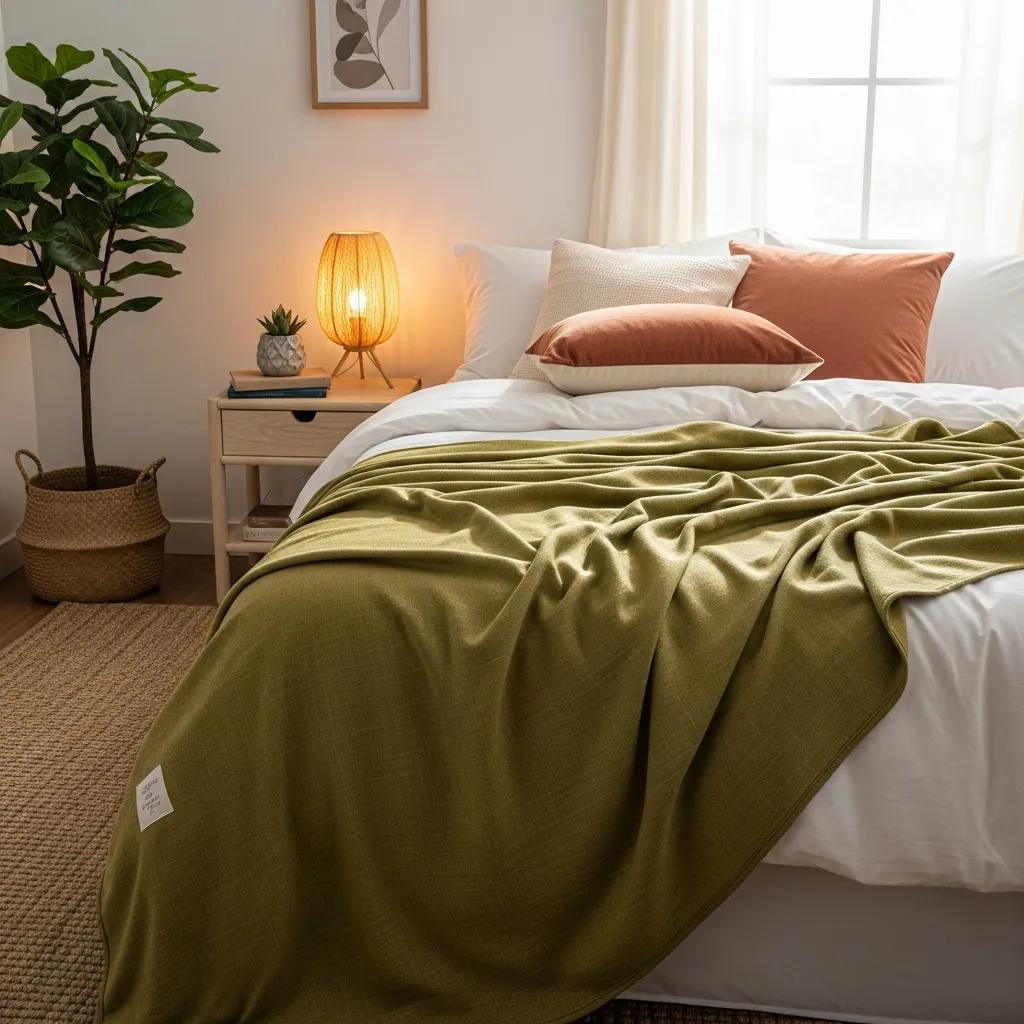
- Thoughtful features: Our bamboo waffle blankets and quilts use a textured weave to boost breathability while still feeling cosy against the skin.
- Customer care: We stand by our products, aiming for your complete satisfaction so you can choose with confidence, knowing quality matters to us.
What unique features do EcoToppers' bamboo waffle blankets and quilts offer?
Our waffle weave increases airflow without sacrificing warmth, helping to regulate temperature naturally. Combined with high-quality bamboo fibres, this gives a soft, durable and eco-conscious blanket you’ll reach for year-round.
How does EcoToppers support customer satisfaction and risk-free shopping?
We’re committed to a simple, fair shopping experience, focusing on good customer service and reliable products as part of how we do business.
Frequently asked questions
Are bamboo blankets suitable for all skin types?
Yes. Bamboo’s smooth fibres and natural antibacterial qualities make it gentle on sensitive skin and a good option for babies, adults and anyone prone to irritation.
How do bamboo blankets contribute to better sleep quality?
Bamboo helps regulate temperature and wick moisture, which reduces nighttime overheating and discomfort. That cooler, drier sleep surface can help you sleep more deeply and wake feeling fresher.
What is the environmental impact of bamboo blanket production?
Bamboo cultivation can use less water and fewer chemicals than some crops, and the plant grows quickly. The overall environmental impact depends on sourcing and processing — look for suppliers using lower-impact manufacturing and recognised certifications.
Can bamboo blankets be used in all seasons?
Yes. Bamboo’s breathability and moisture control make it versatile: warm enough for cooler months yet breathable enough for hot weather.
How do bamboo blankets compare in price to traditional blankets?
Bamboo blankets offer excellent value, with many finding their comfort, durability, and hypoallergenic benefits make them a worthwhile long-term investment compared to basic cotton or wool options.
What certifications should I look for when purchasing bamboo blankets?
Seek certifications that verify safe and sustainable practices — for example, OEKO-TEX Standard 100 for low chemical content and recognised forestry or supply-chain certifications that confirm responsible sourcing.