



Why choose bamboo quilt covers? Comfort, sustainability and better sleep — explained.
If you want bedding that looks and feels luxurious — but also aligns with greener living — bamboo quilt covers are an excellent choice. They’re soft, breathable and kinder to the planet than many conventional fabrics. Below, we walk you through the environmental benefits, comfort advantages and practical tips for choosing and caring for bamboo bedding.
What makes bamboo quilt covers an eco-friendly bedding choice?
Bamboo is naturally fast-growing, needs little water and generally doesn’t rely on pesticides — all traits that make it a more sustainable fibre than many traditional crops. In this section, we explain how those characteristics translate into lower environmental impact for bedding made from bamboo.
How does bamboo’s rapid growth and low water use support sustainability?
Bamboo is among the fastest-growing plants, meaning it can be harvested regularly without the deforestation or long crop rotations needed for some fibres. It also uses far less water than crops like conventional cotton, reducing strain on freshwater resources and lowering the environmental footprint of your bedding.
Why is organic bamboo fabric better for the environment?
Organic bamboo fabric is produced without synthetic pesticides or harsh chemicals. That reduces contamination of soil and waterways and supports healthier ecosystems where the crop is grown. Organic bamboo is also biodegradable, so at the end of its usable life, it can return to the earth instead of lingering in a landfill. For eco-minded shoppers, organic bamboo quilt covers are a responsible, lower-impact choice.
What are the key benefits of bamboo quilt covers for comfort and health?
Bamboo quilt covers combine feel and function: they’re soft to the touch, encourage airflow and reduce common sleep irritants. Below are the main comfort and health benefits you can expect from bamboo bedding.
- Temperature regulation: Bamboo fibres breathe well, helping to move heat away from your body. That keeps you cooler on warm nights and comfortably insulated when it’s cooler.
- Moisture-wicking: Bamboo naturally draws moisture away from skin and releases it into the air, so you stay drier and more comfortable through the night.
- Hypoallergenic properties: Bamboo resists dust mites, mould and mildew, which makes it a good option for people with sensitive skin or allergies.
How to choose the perfect luxury bamboo quilt cover in Australia?
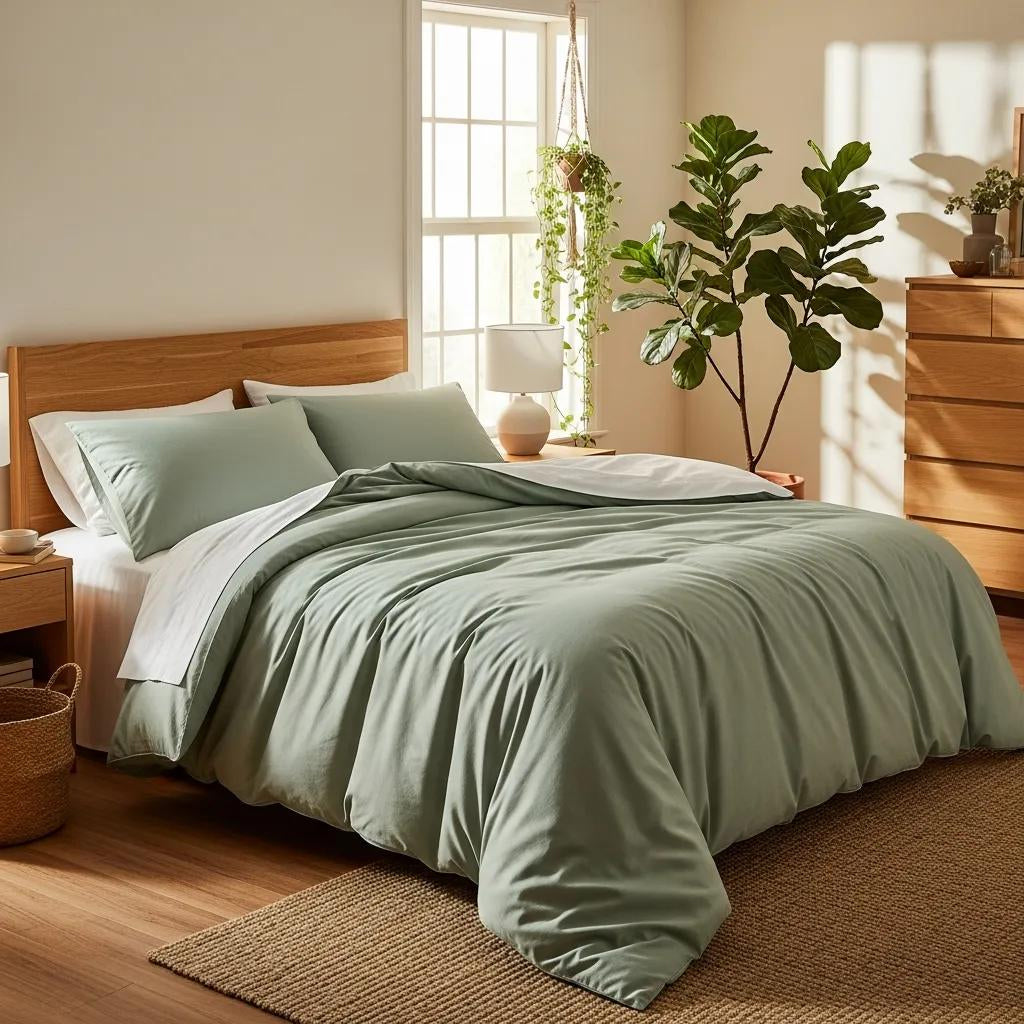
Picking the right bamboo quilt cover comes down to fit, feel and finish. Think about the size you need, the weave you prefer and which colours will suit your bedroom scheme. Below are the practical details to help you decide.
What sizes, weave types, and colours are available for bamboo quilt covers?
Bamboo quilt covers are available in standard Australian sizes — single, double, queen and king — so you can find the right fit for any bed. Weaves such as sateen deliver a silky sheen and smooth hand, while percale offers a crisp, breathable finish. Colours range from natural, earthy tones through to richer shades, so you can choose a cover that suits your decor and personal style.
Which certifications ensure bamboo bedding is sustainable and safe?
Look for recognised certifications that verify environmental and chemical standards. GOTS (Global Organic Textile Standard) confirms organic agricultural practices and responsible processing, while OEKO-TEX Standard 100 checks that textiles are free from harmful substances. These labels give reliable assurance that bedding is both greener and safer for your home.
How do bamboo quilt covers compare to other eco-friendly bedding materials?
Bamboo stands out among natural bedding materials for its mix of sustainability and comfort. Below, we compare bamboo with common alternatives like cotton and linen to help you weigh the options.
What are the differences between bamboo and cotton quilt covers?
Bamboo generally needs less water and fewer chemicals to grow than conventional cotton, giving it a lower environmental footprint. Bamboo covers are often silkier and more breathable than standard cotton, and they tend to keep their colour and feel longer. Cotton still has its benefits — especially organic cotton — but bamboo offers notable advantages in moisture control and softness.
How does bamboo compare to linen in sustainability and comfort?
Linen has a natural, textured look and strong durability, but its production can demand more water and energy than bamboo and may involve pesticides. In terms of sleep comfort, bamboo is usually softer and better at wicking moisture, making it a great choice if you prefer a smooth, sleep-ready fabric that helps regulate temperature.
What are the best practices for caring for bamboo quilt covers to ensure longevity?
With a little care, bamboo quilt covers will stay soft and perform well for years. Follow these simple washing and storage tips to protect the fibres and keep your bedding looking and feeling great.
How should you wash and dry bamboo bedding for optimal durability?
Wash bamboo quilt covers in cold water on a gentle cycle using a mild, eco-friendly detergent. Avoid bleach and harsh chemical cleaners. Air drying is best, but if you use a tumble dryer, choose a low heat setting to reduce the risk of shrinkage and keep fibres soft.
What tips help maintain bamboo quilt covers’ softness and freshness?
Store your bamboo bedding in a cool, dry place away from direct sunlight to avoid discolouration. Gently shaking or smoothing the cover after washing helps maintain its shape. If you want to boost softness, use a fabric conditioner formulated for delicate or natural fibres — avoid heavy, chemical-laden softeners.
| Feature | Bamboo Quilt Covers | Cotton Quilt Covers | Linen Quilt Covers |
|---|---|---|---|
| Sustainability | High (low water use, typically no pesticides) | Moderate (can be high water use unless organic) | Moderate (often higher water and energy use) |
| Comfort | Very soft, breathable, moisture-wicking | Soft, but can be less breathable | Crisp texture, becomes softer with use |
| Durability | Holds colour and texture well with care | Can wrinkle and fade over time | Very durable, may soften or fade |
| Hypoallergenic | Yes — naturally resistant to common irritants | Depends on treatment and weave | Not inherently hypoallergenic |
Bamboo quilt covers offer a thoughtful mix of luxury, sleep performance and lower environmental impact. Choosing bamboo is a simple way to enjoy better sleep while making a greener choice for your home.
Frequently asked questions
What are the environmental benefits of choosing bamboo over traditional bedding materials?
Bamboo grows fast, uses less water and typically needs fewer pesticides than crops like conventional cotton. That translates to a smaller environmental footprint for fibres made from bamboo. Bamboo is also biodegradable, so it’s less likely to add to landfill issues at the end of its life.
Are bamboo quilt covers suitable for sensitive skin or allergies?
Yes. Bamboo is naturally resistant to dust mites, mould and mildew, and its smooth fibres are gentle on skin. That makes bamboo quilt covers a strong option for people with sensitive skin or common allergies.
How do bamboo quilt covers perform in terms of temperature regulation?
Bamboo fibres wick moisture and allow airflow, helping to regulate body temperature. That means bamboo quilt covers tend to keep sleepers cooler in summer and comfortably warm in cooler months.
What is the lifespan of bamboo quilt covers compared to other materials?
With proper care, bamboo quilt covers are durable and retain colour and hand-feel well. They can outlast some cotton options and, with regular care, provide several years of comfortable use. Linen is also durable, but bamboo offers a softer initial feel with strong resilience over time.
Can bamboo quilt covers be machine-washed, and how should they be cared for?
Yes — machine washing is fine if done gently. Use cold water on a delicate cycle with a mild detergent. Avoid bleach and strong chemical softeners. Air dry if possible, or tumble dry on low to prevent shrinkage and protect the fibres.
What certifications should I look for when purchasing bamboo bedding?
Seek reputable labels such as GOTS (Global Organic Textile Standard) and OEKO-TEX Standard 100. GOTS verifies organic farming and processing standards; OEKO-TEX ensures the fabric is tested for harmful substances. Together, they provide strong assurance of safety and sustainability.