





How Eco-Friendly Bamboo Toppers Help Australians Sleep Better
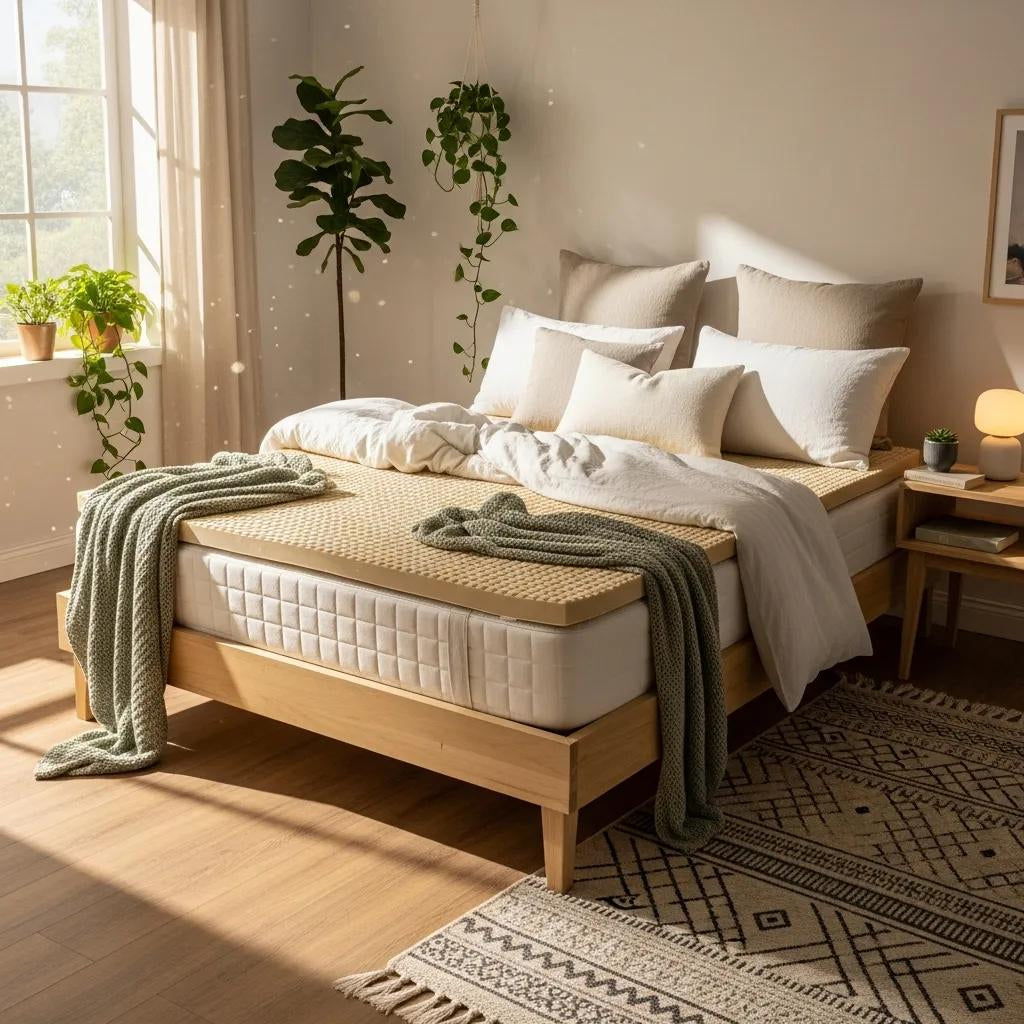
A bamboo mattress topper is a thin, breathable layer made with bamboo-derived fibres that sits on top of your existing mattress. It adds cushioning, helps control temperature and cuts down on common allergens. Bamboo’s natural fibre structure wicks moisture and has antibacterial qualities — together, these features can make nights cooler, reduce interruptions and support deeper sleep. Many Australians choose bamboo toppers for warmer summers, allergy relief or gentle orthopaedic support without buying a whole new mattress. This guide walks through how bamboo toppers ease pressure, manage heat, and limit allergen build-up, then covers sustainability, buying tips and basic care for shoppers in Australia. You’ll learn what creates the cooling effect, how thickness affects spinal alignment, how to check sourcing claims, and the simple steps to keep a topper performing well. We also include clear comparison tables and practical buying signals — for example, how a local brand might support customer-friendly policies and convenient delivery options. Read on to understand the benefits of bamboo bedding, pick the right topper for your sleep style, and keep it feeling fresh for longer.
Key Benefits of Bamboo Mattress Toppers for Better Sleep
Bamboo toppers improve sleep by pairing pressure-relieving materials with a breathable bamboo cover that reduces trapped heat and naturally resists allergens and microbes. In short, they redistribute pressure and manage moisture, which often means fewer wake-ups and more restorative sleep. Below is a quick list of the main functional and health benefits to help you compare options when shopping for eco-friendly bamboo mattress toppers in Australia.
Bamboo mattress toppers deliver several clear sleep benefits:
- Pressure relief and orthopaedic support: Spreads body weight to ease pressure points and cut down on tossing and turning.
- Natural hypoallergenic and antibacterial performance: Reduces dust mite and microbial growth for cleaner air while you sleep.
- Temperature regulation and moisture-wicking: Moves sweat away from skin so you stay cooler and more comfortable.
- Comfort and mattress rejuvenation: Restores a softer surface to a worn mattress without the cost of replacement.
These benefits often translate into better sleep continuity and comfort for many sleepers. The sections below explain the supporting science for orthopaedic relief and allergen resistance.
How Bamboo Toppers Support Joints and Ease Pain

Orthopaedic support from a topper comes down to thickness, loft and the support layer’s ability to spread pressure. A 5cm bamboo mattress topper is a common choice because it offers noticeable cushioning without too much sink. With enough loft, a topper cushions shoulders and hips and helps keep the spine in a neutral line for side and back sleepers, which can ease morning stiffness and reduce focal joint stress. The foam or fill under the bamboo cover works with the fabric to distribute load over a larger surface. Knowing how thickness affects support helps you pick a topper that balances softness with enough firmness to protect spinal alignment — especially useful for people with chronic back or joint issues who want gentle relief without replacing their mattress.
Why Bamboo Toppers Tend to Be Hypoallergenic and Antibacterial
Bamboo fibres contain natural compounds and a dense microstructure that make fabrics less welcoming to dust mites, mould and some bacteria, helping lower common allergy triggers in the bedroom. A tightly woven bamboo cover plus effective moisture-wicking reduces the damp microclimates where allergens thrive, which can ease nasal congestion and nighttime irritation. If you’re sensitive to allergens, choose a topper with a removable, washable cover and keep a regular cleaning routine to further reduce airborne particles. These hypoallergenic benefits work alongside temperature and moisture control to improve comfort throughout the year.
For example, many reputable Australian brands specialising in eco-friendly bamboo bedding offer bamboo mattress toppers that highlight orthopaedic cushioning, natural hypoallergenic fibres and breathable temperature control, often backed by customer-friendly policies.
How Temperature Regulation from Bamboo Toppers Improves Sleep
Temperature regulation helps sleep by keeping the layer of air next to your skin stable so you can move through natural sleep stages without waking from heat or chill. Bamboo toppers combine a breathable bamboo cover with structural materials that promote airflow and move moisture away from skin, reducing thermal disruption and helping you stay asleep longer. The next part explains the fibre-level mechanics — tiny channels and capillary action — that create this cooling effect and why it’s useful for hot sleepers in Australian conditions.
Different parts of a topper work together to keep skin cooler; understanding these mechanics makes it easier to pick the right design for year-round comfort.
Here’s how components link the mechanism to the result:
| Component | Mechanism | Result |
|---|---|---|
| Bamboo fibres | Micro-gaps and tiny surface channels | More airflow and faster moisture evaporation |
| Bamboo fabric cover | High capillarity and wickability | Draws sweat away from the skin to the outer surface |
| Support layer (foam or fibrefill) | Open-cell or structured fill | Prevents heat build-up and keeps airflow paths open |
This table shows how design at the component level creates cooling and moisture control, helping reduce night sweats and mid-sleep awakenings.
Those fibre and fabric properties also determine how well a topper suits hot sleepers — covered in the next section.
How Bamboo Fibres Create Cooling and Wick Moisture
Bamboo fibres cool in two main ways: their microstructure creates tiny channels that increase airflow, and capillary action moves moisture away from the skin so it can evaporate on the fabric surface. In practice, sweat is transported out of the sleeping zone rather than soaking into the surface, lowering heat discomfort and supporting steadier sleep stages.
Bamboo fibres enable moisture-wicking, which helps reduce night-time heat stress.
Choosing a topper with both a bamboo outer and an open, breathable support layer boosts these benefits in humid Australian climates and leads to the next question about hot sleepers.
Are Bamboo Toppers a Good Choice for Hot Sleepers in Australia?
Yes — bamboo mattress toppers are generally a strong option for hot sleepers because their fabric and internal structure encourage airflow and moisture transport, easing thermal strain on warm or humid nights. Hot sleepers get the best results from toppers that pair a breathable bamboo cover with an open-cell or structured filling that avoids trapping heat. Simple bedroom habits — lighter sheets, a lighter doona in summer and regular airing — also make a big difference. In Australia’s varied climate, picking a topper designed for cooling and following these bedding tips will help keep you comfortable all year. Next, we look at sustainability, which matters when choosing eco-friendly materials.
Why Sustainability Matters When Choosing Bamboo Toppers
Sustainability matters because bedding choices affect water use, chemical inputs and waste at the end of life. Bamboo’s fast growth and renewability make it an attractive alternative when it’s harvested and processed responsibly. Choosing sustainably made bamboo toppers can reduce pressure on land and water compared with some other fibres and may lower the carbon cost of frequently replacing mattresses by extending mattress life. But sustainability depends on cultivation and processing choices, so check how a brand sources and manufactures its fibres. The next section explains what “organic bamboo” and responsible production look like in practice.
As consumers demand clearer supply chains, brands that share sourcing details make it easier to compare real environmental impact.
Reputable brands often highlight their sustainably and ethically sourced organic bamboo, positioning that sourcing as central to their eco-friendly bedding range — the kind of information shoppers should look for when comparing products.
How Is Organic Bamboo Sourced and Manufactured Responsibly?
Responsible bamboo sourcing focuses on growing without synthetic pesticides or heavy fertilisers, harvesting in ways that protect local ecosystems, and processing fibres with minimal water and chemical use. Sustainable manufacturers may use closed-loop systems and limit toxic chemicals when converting bamboo into fibre. Good brands offer transparent labelling and supplier traceability so you can verify claims. When assessing sustainability statements, ask whether the company documents labour practices and chemical use, and prefer vendors that describe their cultivation and processing steps rather than relying on vague language. Knowing these supply-chain details helps you choose toppers with genuinely lower environmental impact and makes lifecycle comparisons with other materials easier.
Environmental Advantages of Bamboo Toppers vs. Other Materials
Compared with conventional cotton, synthetic microfibres or petroleum-based memory foam, bamboo-based toppers often require less land for similar biomass and regrow quickly, improving renewability. Some processing routes also use fewer pesticides than intensive cotton farming. At the end-of-life, natural bamboo fabrics and biodegradable fillings can break down more readily than synthetic foams — though actual outcomes depend on processing chemicals and binding agents used. A direct comparison highlights trade-offs across water use, renewability and biodegradability so buyers can choose which attributes matter most.
Key environmental comparison points:
- Renewability and rapid growth of bamboo versus conventional crops
- Differences in chemical inputs compared with cotton and synthetic fibres
- End-of-life considerations and recyclability depend on filler materials
These points help move from sustainability values to practical product-selection criteria covered next.
How to Choose the Best Bamboo Mattress Topper for You in Australia
Start by matching thickness and support to your sleep position and mattress condition, then confirm size fit and cover design so the topper stays put. A quick checklist prioritises features like a 5cm thickness for balanced orthopaedic cushioning, a hypoallergenic bamboo cover, a removable washable casing and clear delivery or support policies. Below is a simple comparison of common topper types and the sleepers they suit.
Different topper variants suit different sleepers:
| Topper Variant | Thickness / Feature | Best for |
|---|---|---|
| Bamboo mattress topper (5cm) | Medium loft; orthopaedic cushioning | Side and back sleepers seeking pressure relief |
| Bamboo mattress overlay | Low profile (2–3cm); cooling-focused | Hot sleepers who want a cooler surface without much extra softness |
| Bamboo pillow-topper | Plush surface layer | Anyone wanting extra surface softness without deep support |
This table shows how thickness and design match sleep needs and lead to practical sizing and care guidance.
To get the right size and fit, match the topper to standard Australian mattress sizes, check that elastic skirts or non-slip bases suit your mattress depth, and pick a removable, machine-washable bamboo cover for hygiene. Factor in natural hypoallergenic fabric, flexible purchasing options and convenient delivery when judging value. Use the checklist below to prioritise features.
- Measure mattress depth: Confirm the topper’s skirt or non-slip system fits your mattress profile.
- Choose thickness by sleep position: Around 5cm for pressure relief; thinner for minimal surface comfort.
- Check cover features: A washable, breathable, hypoallergenic cover keeps the topper fresh longer.
These steps help you compare models. The next section covers care tips that extend performance and life.
Which Sizes, Thicknesses and Features Matter Most?
Match standard Australian mattress sizes exactly to avoid bunching. Deep-pocket or elasticised skirts help a topper stay flat on thicker beds. Thickness depends on sleep position: a 5cm topper generally gives a good balance of cushioning and support for side and back sleepers, while stomach sleepers may prefer a thinner option to avoid too much sink. Prioritise a breathable bamboo cover, a removable washable casing and a non-slip or elastic fastening system. If you’re using subsidies or supports, check for any available support options. These fit and feature checks form the practical core of a smart purchase.
How to Care for Your Bamboo Mattress Topper so It Lasts
Good care keeps your topper hygienic and supportive: remove and wash the cover as the manufacturer recommends, spot-clean the internal layers when needed, and air the topper regularly to release moisture and odours. Rotate it every 1–3 months to even out wear and check seams and elastic for stretch. Gentle vacuuming removes surface dust without stressing the fabric. For storage, compress only if specified and keep the topper in a breathable bag away from damp and strong sunlight to protect the fibres. These simple habits extend comfort and hygiene and reduce common customer concerns.
What Customers Say About Eco-Friendly Bamboo Toppers
Reviews often highlight better temperature control at night, fewer allergy symptoms and gentler pressure redistribution. Many customers notice quicker sleep onset and fewer awakenings after switching to a bamboo topper. Common praise includes immediate cooling, improved morning stiffness for side sleepers and appreciation for washable covers. Typical concerns are fit and long-term durability, but clear sizing guidance and good care routines address most issues. Customer-friendly policies also influence the buyer experience — the next section summarises reported improvements and timing.
How Bamboo Toppers Improve Sleep and Health
People commonly report longer uninterrupted sleep, fewer night awakenings, and reduced nasal irritation after introducing a bamboo topper — effects that often appear within days to a few weeks as the bedroom environment settles. Health outcomes include lower dust-mite exposure for sensitised users and reduced skin irritation thanks to better moisture control, both supporting deeper, more restorative sleep. Tracking simple metrics like sleep duration, number of awakenings, and perceived morning stiffness helps you measure improvements and set realistic expectations for when benefits appear.
Common Buyer Concerns and Practical Solutions
Shoppers often ask about fit, cleaning, durability and whether cooling lasts. Practical fixes include measuring mattress depth and using non-slip features, choosing a washable cover, rotating and airing the topper regularly, and selecting materials with clear care instructions. Customer-friendly policies, such as flexible returns or satisfaction promises, can reduce the risk of a poor fit and provide extra reassurance. For Australian shoppers, comparing customer support and delivery options is a helpful step when assessing value and ties back to the earlier product-selection guidance.
Many reputable brands offer customer-friendly policies that make purchasing easier.
Frequently Asked Questions
1. How do I know if a bamboo mattress topper is right for me?
It depends on your sleep position, mattress condition and personal preference. Side and back sleepers usually benefit from a medium thickness (around 5cm) for pressure relief. Stomach sleepers may prefer a thinner topper to avoid too much sink. Also, look for a removable, washable cover and hypoallergenic materials if hygiene matters. If you can try different toppers, do so — comfort is personal.
2. Can bamboo mattress toppers help with back pain?
Yes — a well-chosen bamboo topper can help. By distributing weight more evenly, it reduces pressure on sensitive areas and supports better spinal alignment. A topper with enough loft can cushion bony points and ease morning stiffness. Many customers notice reduced discomfort after switching, but results depend on your mattress, sleep position and the topper’s thickness.
3. How often should I clean my bamboo mattress topper?
Wash the removable cover every 1–2 months, depending on use, and spot-clean inner layers as needed. Air the topper regularly to prevent moisture buildup and keep it smelling fresh. Always follow the manufacturer’s care instructions for the best results.
4. Are there any specific brands known for high-quality bamboo mattress toppers?
Look for brands that emphasise sustainable sourcing, clear manufacturing practices, good reviews and sensible customer support policies when choosing a supplier.
5. What should I look for in terms of sustainability when buying a bamboo mattress topper?
Look for organically sourced bamboo grown without synthetic pesticides or heavy fertilisers, transparent processing information and evidence of closed-loop or low-impact manufacturing where possible. Certifications or detailed supplier information help verify claims. Also consider the product’s end-of-life options and how easy it is to recycle or compost components.
6. How do bamboo mattress toppers compare to traditional memory foam options?
Bamboo toppers are generally more breathable and better at temperature regulation, which helps hot sleepers. They’re also naturally hypoallergenic and can feel less “sinking” than dense memory foam. Memory foam offers strong contouring support, but if you prefer a cooler, more breathable surface with moderate contouring, bamboo toppers are a great alternative.
7. Can I use a bamboo mattress topper on any type of mattress?
Yes — bamboo toppers work on innerspring, foam and hybrid mattresses. Make sure the topper fits your mattress size and depth to avoid slipping. Features like elastic skirts or non-slip bases help keep the topper in place so you can enjoy improved comfort without replacing your mattress.